Best Practices for Router Security: Protect Your Home Network from Hackers
Your router is the gatekeeper of your home network, but is it truly secure? Cybercriminals are always hunting for weak spots in your smart home and connected devices, and outdated router security settings could leave your entire network exposed. In this guide, we'll explore the best practices for router security, helping you adjust settings that are common to all routers for better privacy and security.
Understanding Router Security
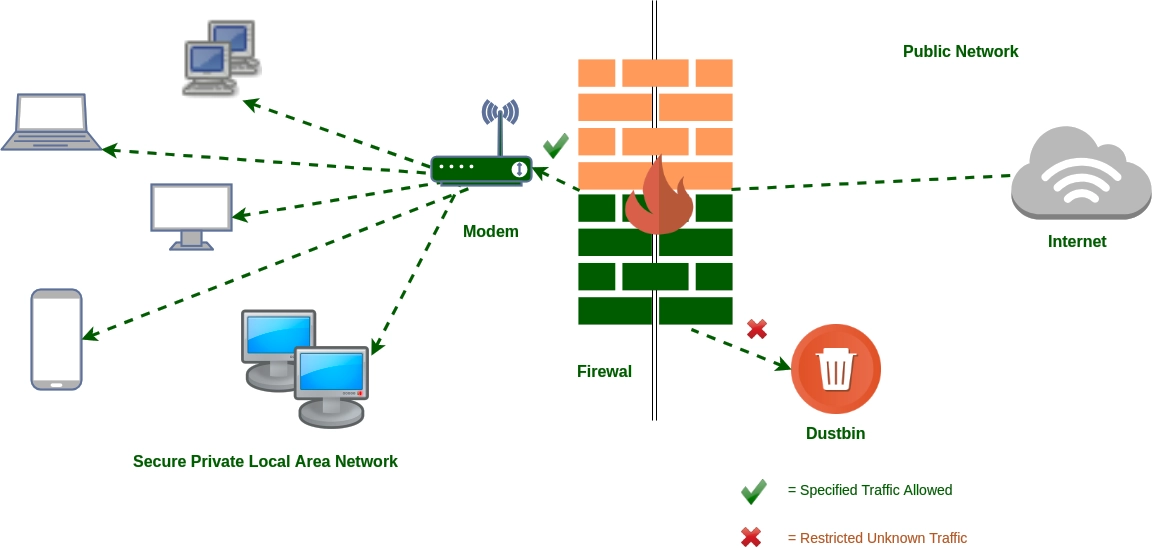
Before we dive into the best practices, let's understand what router security entails. Your router connects all your devices to the internet, making it a prime target for hackers. A secure router protects your network from unauthorized access, malware, and other cyber threats.
Set a Strong Password and Enable WPA3 Encryption
The first step in securing your router is to set a strong password and enable WPA3 encryption. WPA3 is the latest and most secure standard, replacing the outdated WEP and WPA methods. If your router doesn't support WPA3, WPA2 is still a strong and widely compatible option. You can also set up a guest network to keep visitors off your internal network.
Why Set a Strong Password?
- Prevents unauthorized access to your network
- Protects your devices from malware and cyber threats
- Ensures your internet and network security
Regularly Update Your Router's Firmware
Regular firmware updates are essential to keep your router secure. They often patch vulnerabilities and improve performance. Make sure to enable automatic firmware updates on your router to stay protected. You can also manually check for updates in your router's settings.
Importance of Firmware Updates
- Patches vulnerabilities and secures your network li>Improves router performance and stability
- Enhances internet and network security
Disable WPS and Enable MAC Address Filtering
Wireless Protected Setup (WPS) and MAC address filtering are two security features that deserve attention. WPS allows easy setup of wireless devices, but it can also be a security risk. Disable WPS on your router to prevent unauthorized access. Enable MAC address filtering to control which devices connect to your network.
Why Disable WPS?
- Prevents unauthorized access to your network
- Protects your devices from malware and cyber threats
- Ensures your internet and network security
Use a VPN and Regularly Reboot Your Router
A Virtual Private Network (VPN) provides an extra layer of security when connecting to public Wi-Fi networks. Regularly rebooting your router also helps remove any malware and ensures network security. Schedule weekly reboots of your router, smartphones, and computers to stay protected.
Why Use a VPN?
- Protects your data when connecting to public Wi-Fi networks
- Ensures internet and network security
- Prevents malware and cyber threats
Implement Physical Router Security
Physical router security is often overlooked in home and small office environments. Implementing physical security practices, particularly for businesses, will help prevent unauthorized access, router tampering, theft, or damage. Ensure your router is securely positioned and out of reach of unauthorized individuals.
Physical Router Security Best Practices
- Position your router in a secure location
- Use a secure router that's not easily accessible
- Label your router's MAC address to prevent tampering
Conclusion
Securing your router is crucial for protecting your home network from hackers and cyber threats. By implementing these best practices, you'll be able to enjoy a secure and stable internet connection. Remember to set a strong password, enable WPA3 encryption, regularly update your router's firmware, disable WPS, use a VPN, and implement physical router security practices.
Additional Resources
For more information on router security and best practices, consult the following resources:
- National Security Agency (NSA) Cybersecurity Information Sheet
- Microsoft Trust Center
- CIS Critical Security Controls
_20240830055723o.jpg "How to Secure Your Router & Protect Your Network | Essential Tips - NETGEAR")





.jpeg "Ge Air Conditioner Wifi Password Setup and Security")