The Connection between Dopamine Loop and Anxiety: A Complex Relationship
Understanding the Dopamine System
The mesolimbic dopamine system plays a crucial role in information processing, sending projections throughout the brain linked to reward, motivation, salience, novelty, and affective states (1). This system has been a major focus of psychiatric disease research, particularly in mood disorders, including anxiety disorders, where its dysregulation has been implicated. The dopamine system is responsible for processing and regulating emotional responses, motivation, and reward processing, which are all key components of anxiety.How Dopamine Affects Anxiety
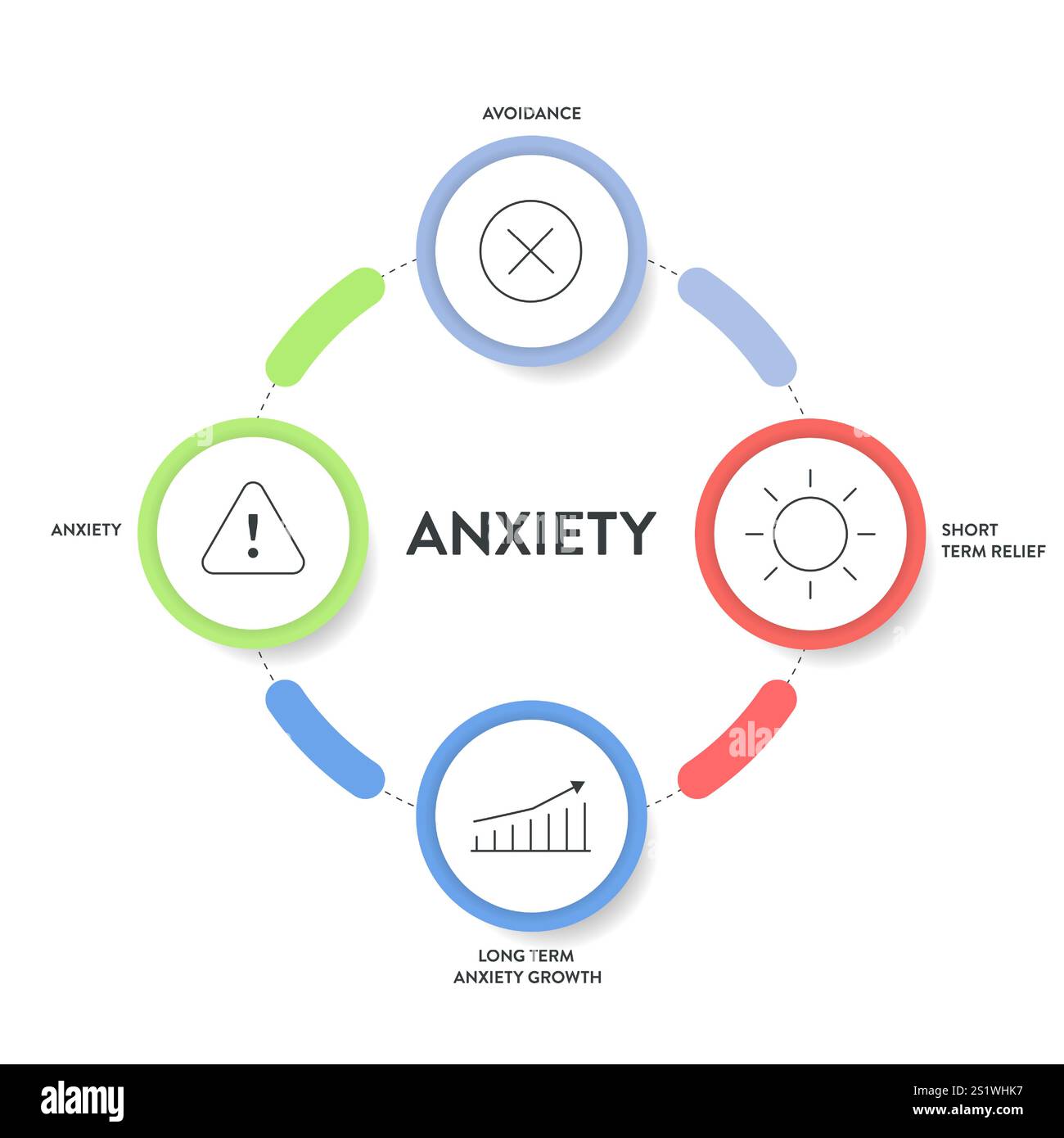
Dopamine is often referred to as the "feel-good" hormone, but its relationship with anxiety is more complex. While dopamine is involved in regulating anxiety, an imbalance in dopamine levels can contribute to the development of anxiety disorders (2). Research has shown that dopamine modulates anxiety through interactions with the amygdala, prefrontal cortex, and other brain regions involved in emotional processing.Breaking Down the Dopamine Loop
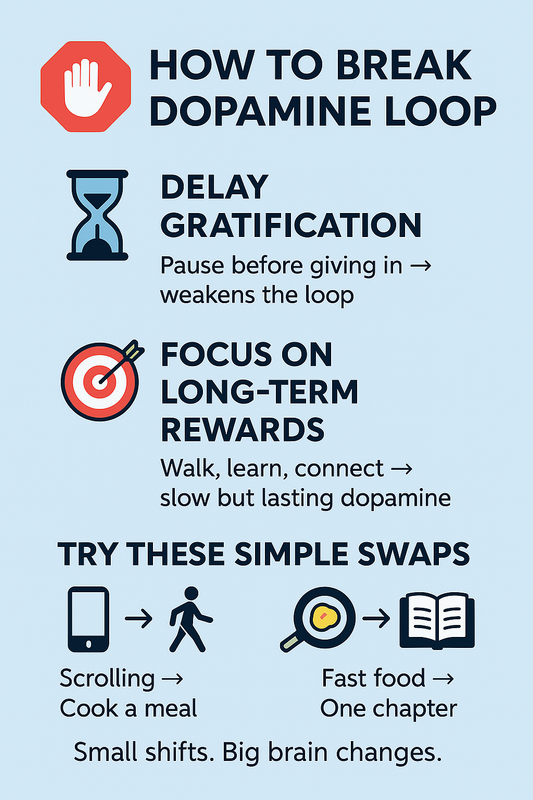
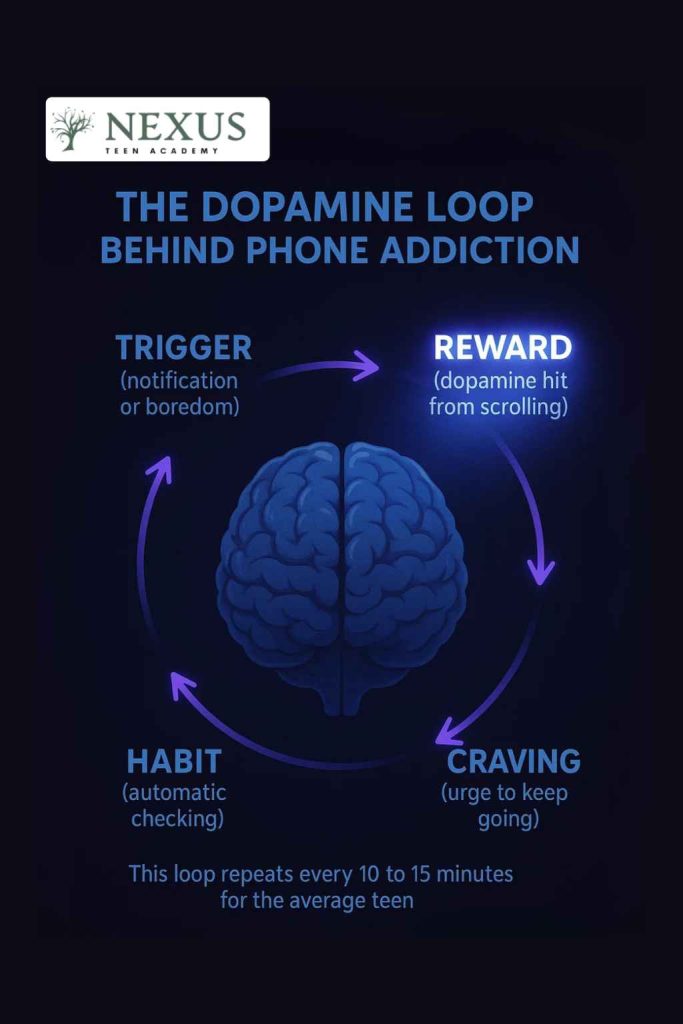
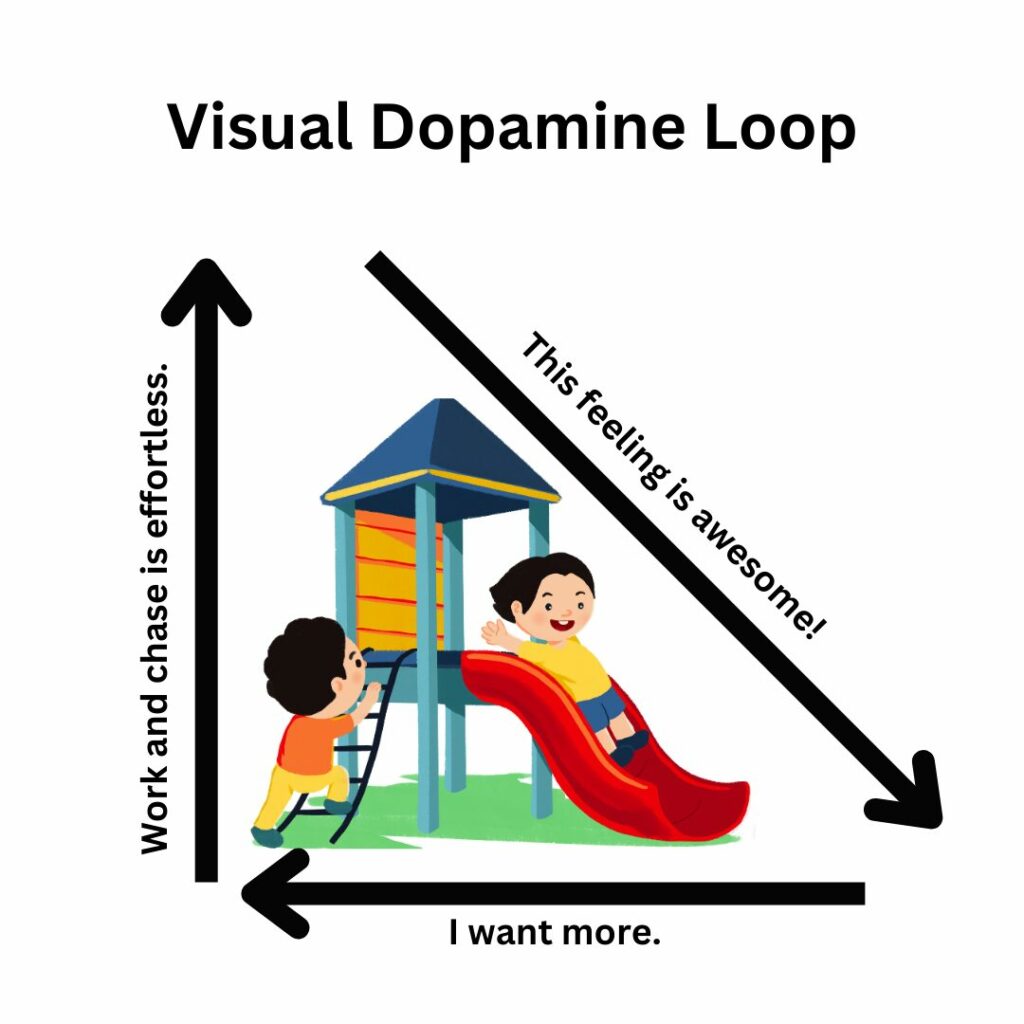
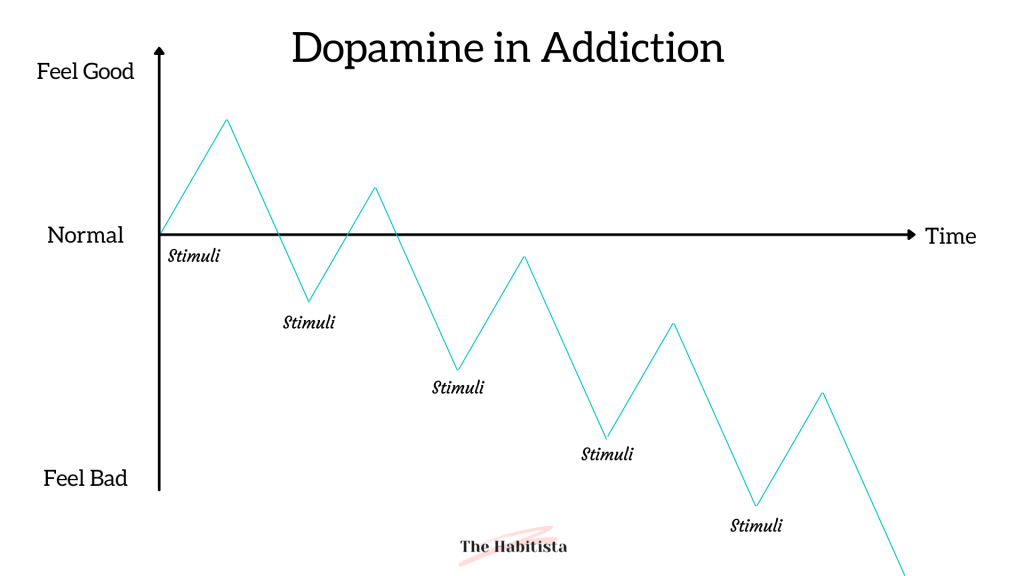
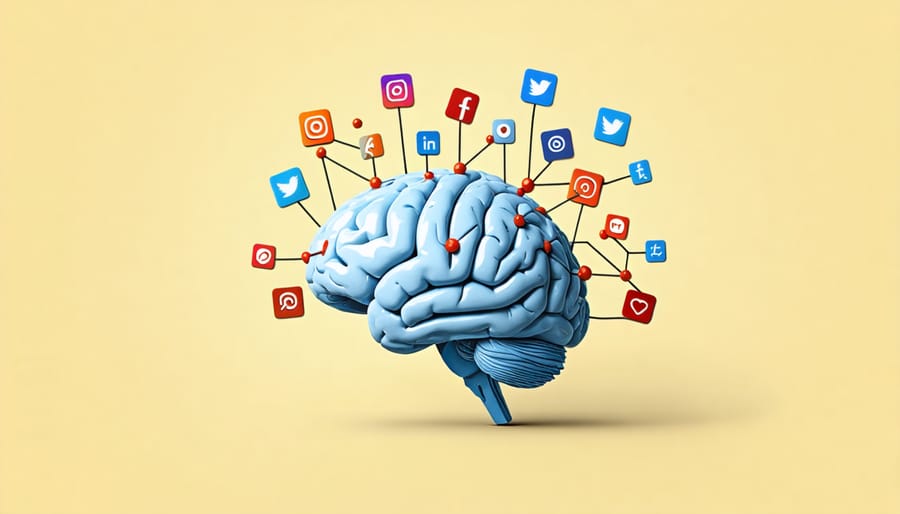
A dopamine loop is a continuous cycle of seeking instant gratification, driven by unpredictable rewards, habit loops, and digital overstimulation (3). This loop can lead to cortisol burnout, decreased motivation, and increased anxiety. To break free from the dopamine loop, it's essential to understand the underlying neurobiology and implement strategies that promote emotional regulation, self-awareness, and digital balance.Practical Strategies to Balance Dopamine
1.Engage in pleasurable activities
Engaging in pleasurable activities stimulates the dopaminergic system, particularly the nucleus accumbens, which is central to reward and motivation pathways (4). This can help increase dopamine levels and improve mental health. 2.Practice gratitude
Gratitude interrupts the dopamine loop by increasing dopamine, serotonin, and neural pathways, leading to improved mood, reduced anxiety, and stress response (5). 3.Implement digital balance
Establishing digital balance can help mitigate the negative effects of the dopamine loop on mental health. This includes limiting screen time, practicing mindfulness, and engaging in activities that promote physical and emotional well-being. 4.Cultivate self-awareness
Developing self-awareness is critical in understanding and regulating the dopamine loop. This involves recognizing triggers, emotions, and thoughts, and implementing strategies to manage them. 5.Seek professional help