FOMO in E-commerce Marketing: A Guide to Creating Urgency and Boosting Conversions
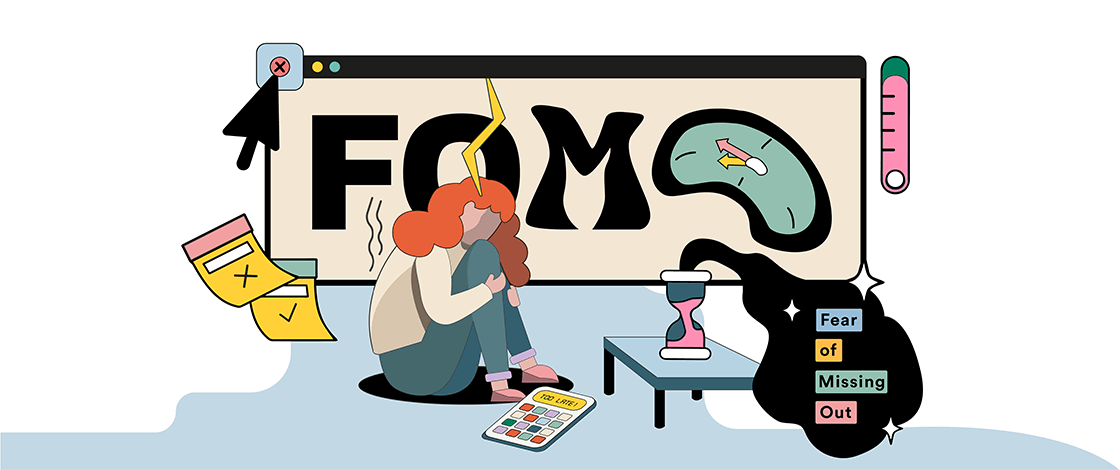
In today's fast-paced digital landscape, consumers are bombarded with choices and attention-grabbing marketing tactics. One strategy that has proven to be particularly effective in e-commerce marketing is the use of Fear of Missing Out (FOMO). At its core, FOMO is a psychological trigger that creates a sense of urgency and excitement, making customers more likely to make a purchase.
How FOMO Marketing Works in E-commerce
According to research, 60% of people who experience FOMO shop within 24 hours (TrustPulse). This reaction is not surprising, given the way FOMO marketing taps into customers' anxiety about missing out on a deal or limited availability. By leveraging this anxiety, marketers can create a sense of urgency and excitement around their products or services.
Common FOMO Tactics in E-commerce
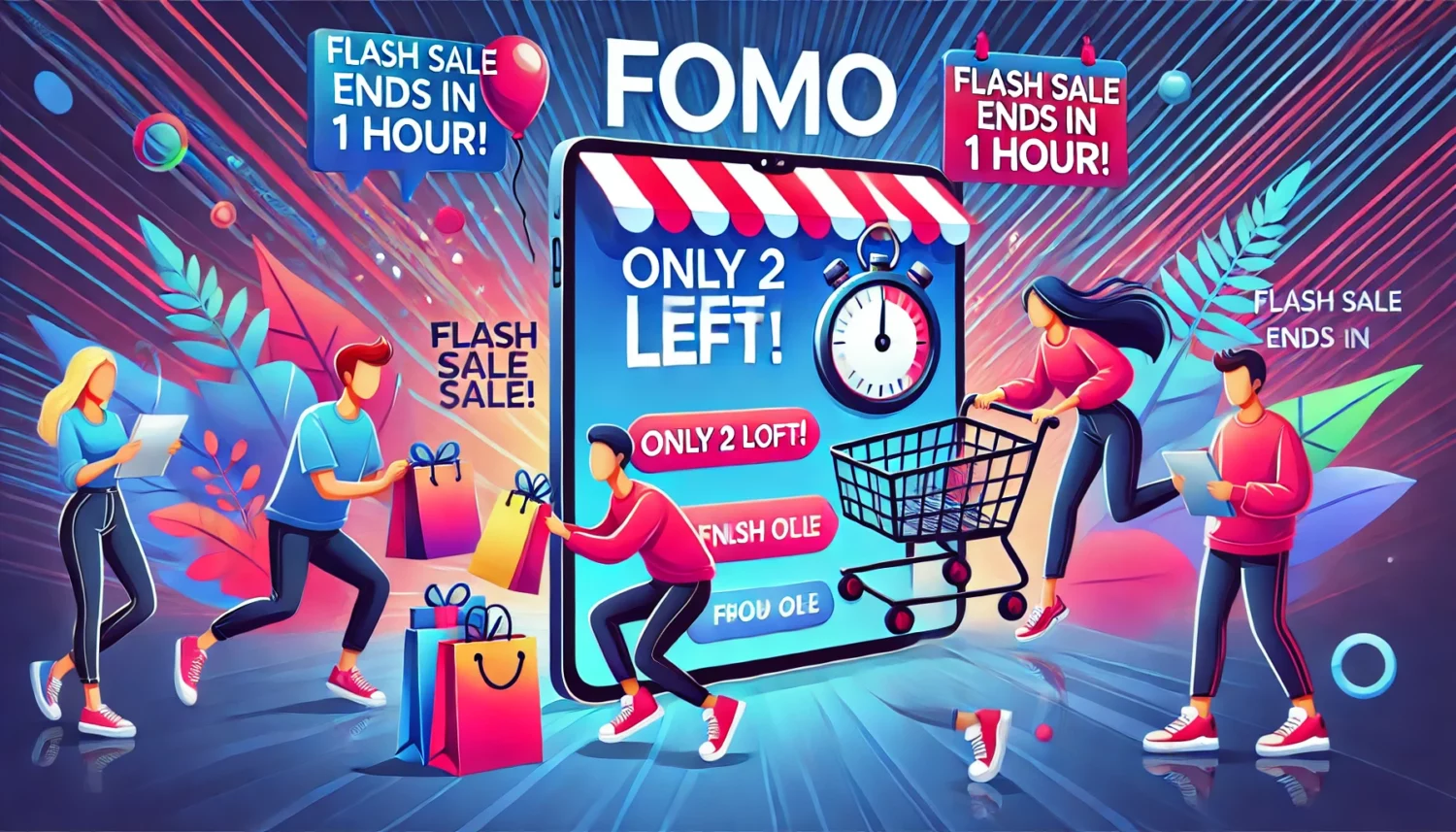
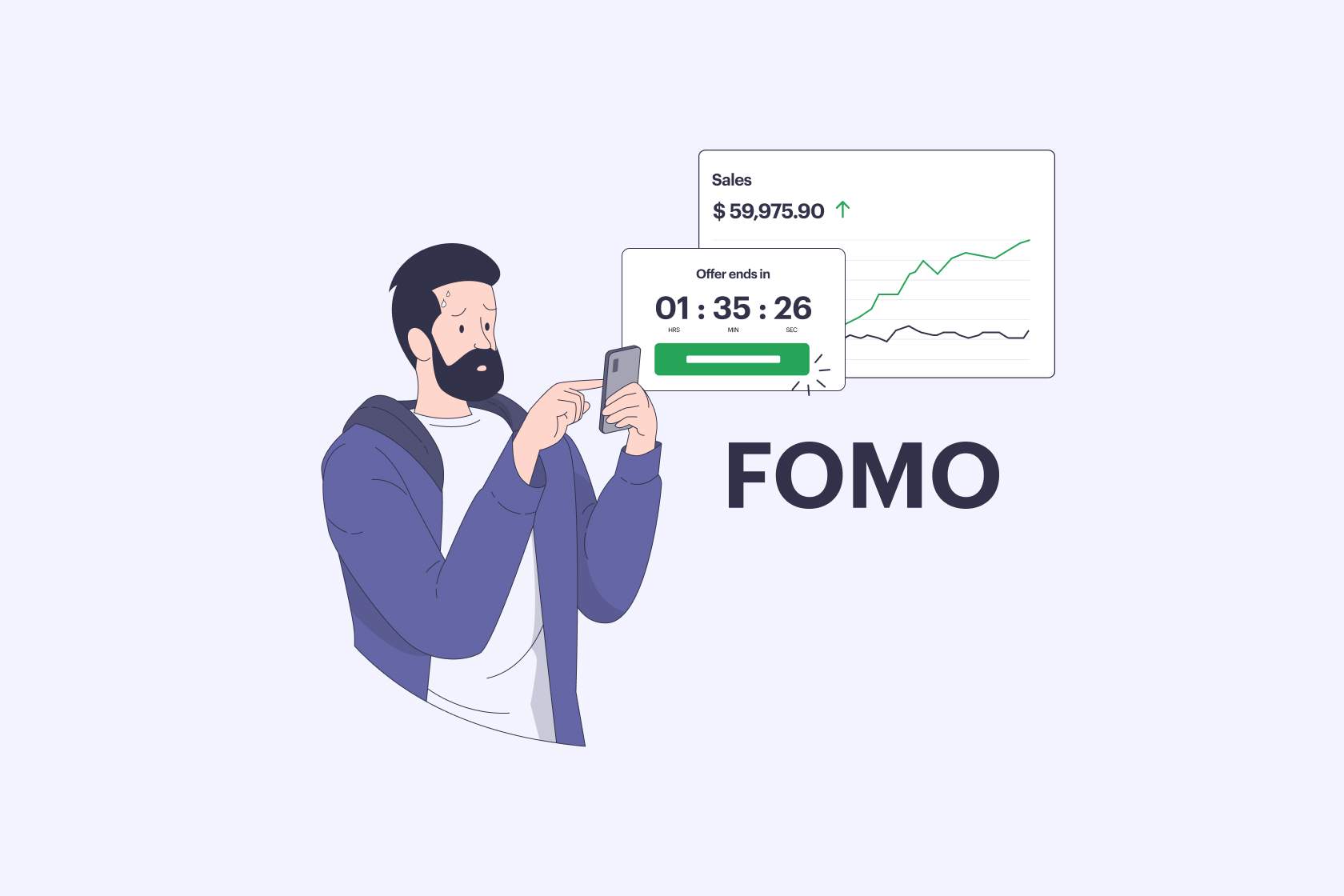
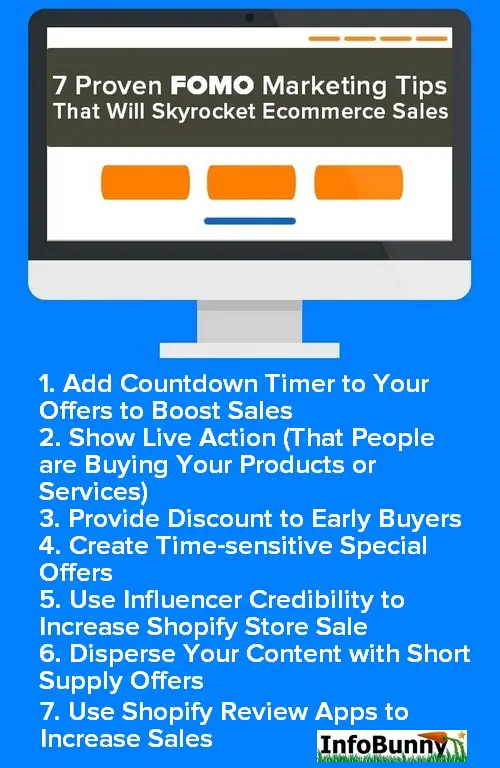
- Countdown timers: Limited-time offers or alerts that create a sense of urgency.
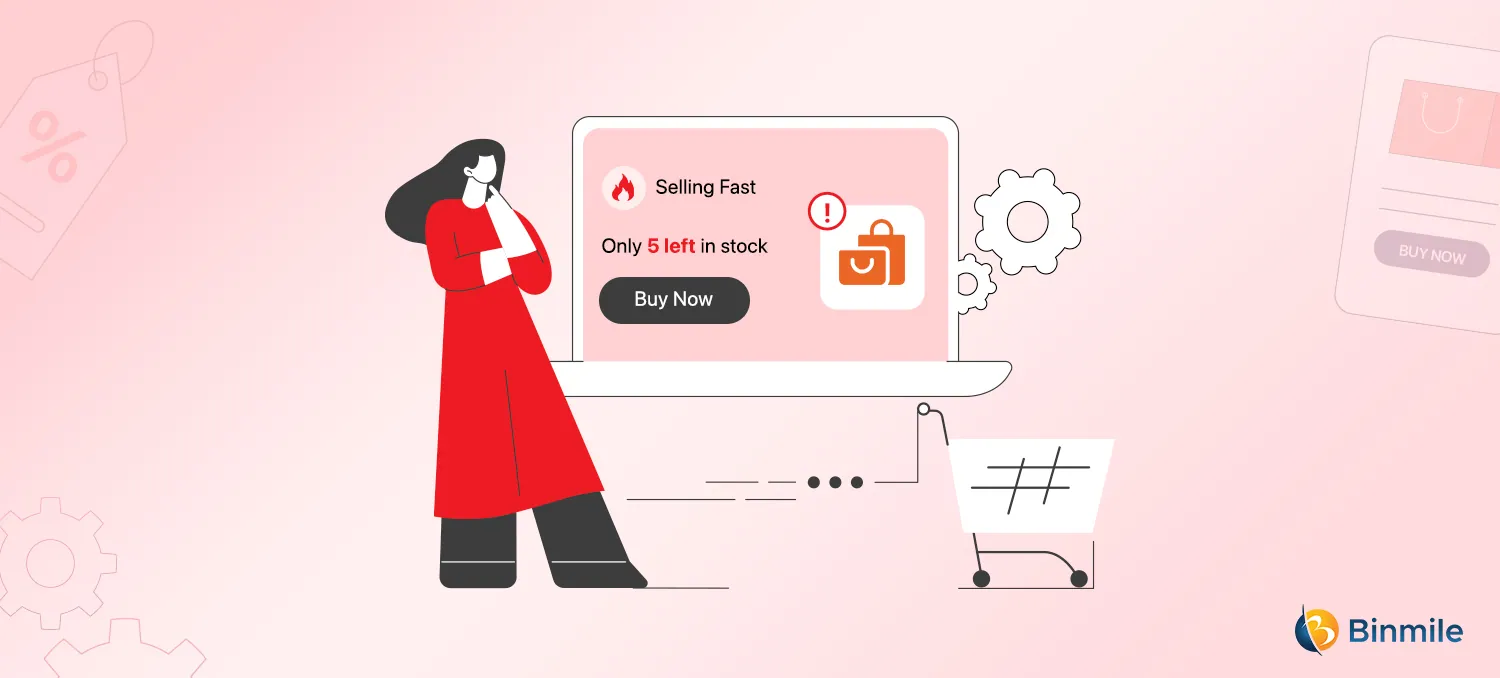
- Low stock warnings: Notifying customers when a product is running low in stock.
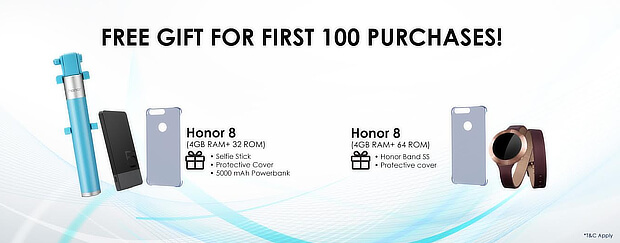
- Exclusive drops: Offering limited-edition products or services to create a sense of FOMO.
- Flash sales: Temporary promotions that create a sense of urgency and scarcity.
Benefits of FOMO Marketing in E-commerce
When used effectively, FOMO marketing can have numerous benefits for e-commerce businesses. These include:
- Increased conversions: FOMO marketing creates a sense of urgency, making customers more likely to make a purchase.
- Increased average order value: By creating a sense of scarcity, FOMO marketing can encourage customers to spend more.
- Improved customer experience: FOMO marketing can create a sense of excitement and anticipation among customers.
- Keep FOMO marketing authentic and transparent: Avoid misleading or manipulative tactics that may alienate customers.
- Use data-driven insights: Monitor customer behavior and use data to inform FOMO marketing strategies.
- Make FOMO marketing a part of your overall marketing strategy: Integrate FOMO marketing into your existing marketing efforts to create a cohesive and effective campaign.
- Measure and optimize FOMO marketing: Continuously monitor the effectiveness of FOMO marketing tactics and adjust your strategy accordingly.
- Countdown timers and limited-time offers used by brands like Amazon and Sephora.
- Low stock warnings used by brands like Zara and H&M.
- Exclusive drops used by brands like Nike and Adidas.
- Flash sales used by brands like ASOS and Net-a-Porter.
- "A Complete Guide to FOMO Marketing for E-commerce" by Bright Plugins.
- "17 FOMO Marketing Examples to Drive Consumer Engagement and Conversions" by TrustPulse.
- "FOMO Marketing Tactics for E-commerce: Countdown Timers, Scarcity Signals, and More" by Conversion.com.
Best Practices for Using FOMO Marketing in E-commerce
To use FOMO marketing effectively, follow these best practices:
Examples of FOMO Marketing in E-commerce
Many e-commerce businesses have successfully used FOMO marketing to drive sales and conversions. Some examples include:
Conclusion
FOMO marketing is a powerful tool in the e-commerce marketer's toolkit. By creating a sense of urgency and excitement, FOMO marketing can drive conversions, increase average order value, and improve customer experience. To use FOMO marketing effectively, follow best practices, keep FOMO marketing authentic and transparent, and continuously measure and optimize your strategy.
Further Reading
For more information on FOMO marketing and how to use it in e-commerce, check out these resources: