How to Get a Driver's License with a Vision Problem
Obtaining a driver's license is a significant milestone in a person's life, but for individuals with vision problems, it can be a challenging and uncertain process. However, with the right information and guidance, it is possible to get a driver's license with a vision problem.
Understanding the Vision Requirements
For a driver's license, a person's vision must meet specific standards. In the United States, for instance, the minimum requirement for each eye is 20/40 vision, with or without corrective lenses. However, some states have more lenient requirements, while others are stricter. It's essential to check the specific laws in your state, as they may vary.
Types of Vision Problems
There are various types of vision problems that may affect a person's ability to drive. These include color blindness, visual field defects, and reduced visual acuity. Some common conditions that can impact vision include:
- Color blindness: This is a condition where a person has difficulty distinguishing between certain colors, particularly red and green.
- Visual field defects: These are blind spots or areas of reduced vision in the visual field. They can result from conditions like glaucoma, stroke, or head injuries.
- Reduced visual acuity: This refers to difficulty seeing sharp images or details, which can be caused by conditions such as near-sightedness, far-sightedness, or astigmatism.
How to Get a Driver's License with a Vision Problem
If a person has a vision problem, it does not necessarily mean they cannot get a driver's license. However, they may be required to meet certain requirements or follow specific guidelines to prove their ability to drive safely.
Medical and Vision Requirements
When applying for a driver's license, it is crucial to understand the medical and vision requirements in your state. Some medical conditions, such as visual field defects or cataracts, may require a doctor's certification stating the condition does not affect driving ability.

Vision Restrictions
Some states have specific vision restrictions for certain types of driver's licenses, such as non-commercial licenses. For example, some states have restrictions on the use of corrective lenses or require a certain level of visual acuity.
Common Vision Impairments and Safe Driving Tips
Many people with vision impairments can still drive safely and responsibly. However, they may need to follow certain driving guidelines to ensure their safety and the safety of others on the road. Some common vision impairments and safe driving tips include:
- Driving with reduced visual acuity: Use high-beam headlights to improve visibility, adjust speed according to road conditions, and use mirrors and blind spot check to stay alert.
- Driving with color blindness: Use compensatory strategies like installing aftermarket lighting or using a dashboard camera with a zoom feature to help improve visibility.
- Driving with visual field defects: Avoid driving at night or in low-light conditions, use mirrors to check blind spots, and use warning lights or sirens when following other vehicles.
Pre-Driving Checklist
Before getting a driver's license with a vision problem, it's essential to ensure you meet the requirements and follow the necessary steps. Some tips include:
- Get a vision evaluation from an eye doctor or optometrist to determine the severity of your vision problem.
- Check the specific vision requirements in your state and follow the necessary guidelines.
- Consider using compensatory strategies or assistive technology to improve your driving experience.
Conclusion
Obtaining a driver's license with a vision problem requires understanding the specific requirements and following certain guidelines. By being aware of the different types of vision problems, medical and vision requirements, and common vision impairments and safe driving tips, individuals can confidently navigate the process and drive safely. Remember to take the necessary steps, like getting a vision evaluation and following compensatory strategies, to ensure a smooth and successful experience.
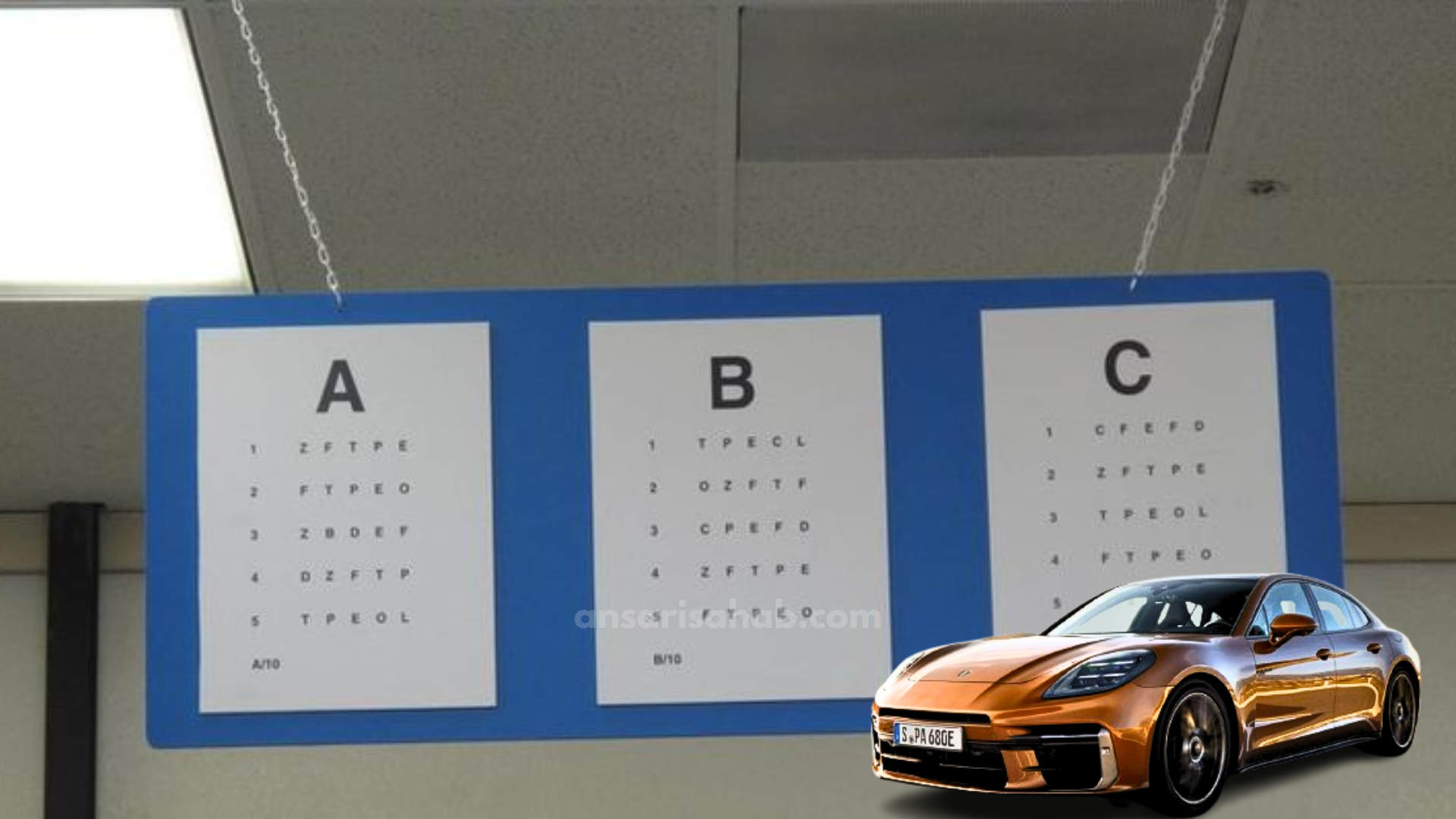


 "DMV DRIVING LAWS Eye Test and Requirements for Driving - IALVS")