How to Learn Python PEP 8 Guidelines
When it comes to writing clean, readable, and maintainable code in Python, following the Python Enhancement Proposal 8 (PEP 8) guidelines is essential. This comprehensive guide outlines the key principles and best practices for adhering to PEP 8 style guide, allowing you to become proficient in writing high-quality Python code.
Introduction to PEP 8 Guidelines
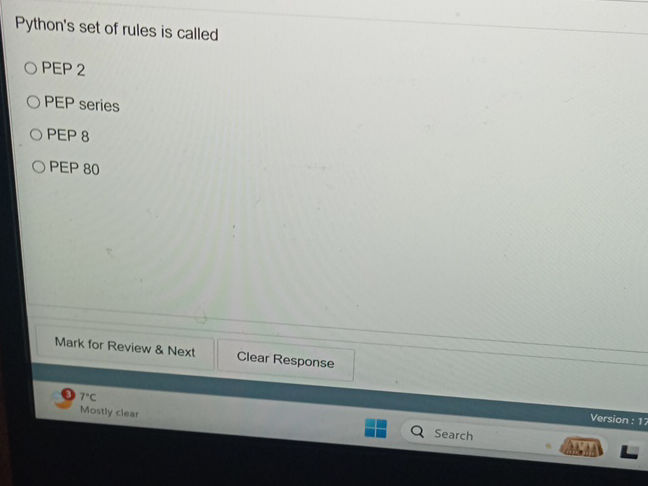
PEP 8 is Python's official style guide, which provides a set of conventions for writing Python code that makes it more consistent and easier to read. These guidelines aim to promote readability, maintainability, and consistency in Python code, making it a valuable resource for developers of all levels.
Why Follow PEP 8 Guidelines
- Improved Code Readability: Adhering to PEP 8 guidelines ensures that your code is clear, concise, and easy to understand, reducing the time and effort required to comprehend and debug code.
- Consistency: PEP 8 provides a standardized set of conventions, promoting consistency across projects and teams, and facilitating collaboration and code reuse.
- Maintainability: PEP 8 guidelines focus on best practices for writing maintainable code, making it easier to fix bugs, refactor, and modify code over time.
- Employer and Collaborator Impressions: By following PEP 8 guidelines, you demonstrate a commitment to writing clean and professional code, making a positive impression on potential employers and collaborators.
Key Principles of PEP 8 Guidelines
The PEP 8 guidelines cover various aspects of Python coding, including naming conventions, code layout, comments, and more. Some key principles include:

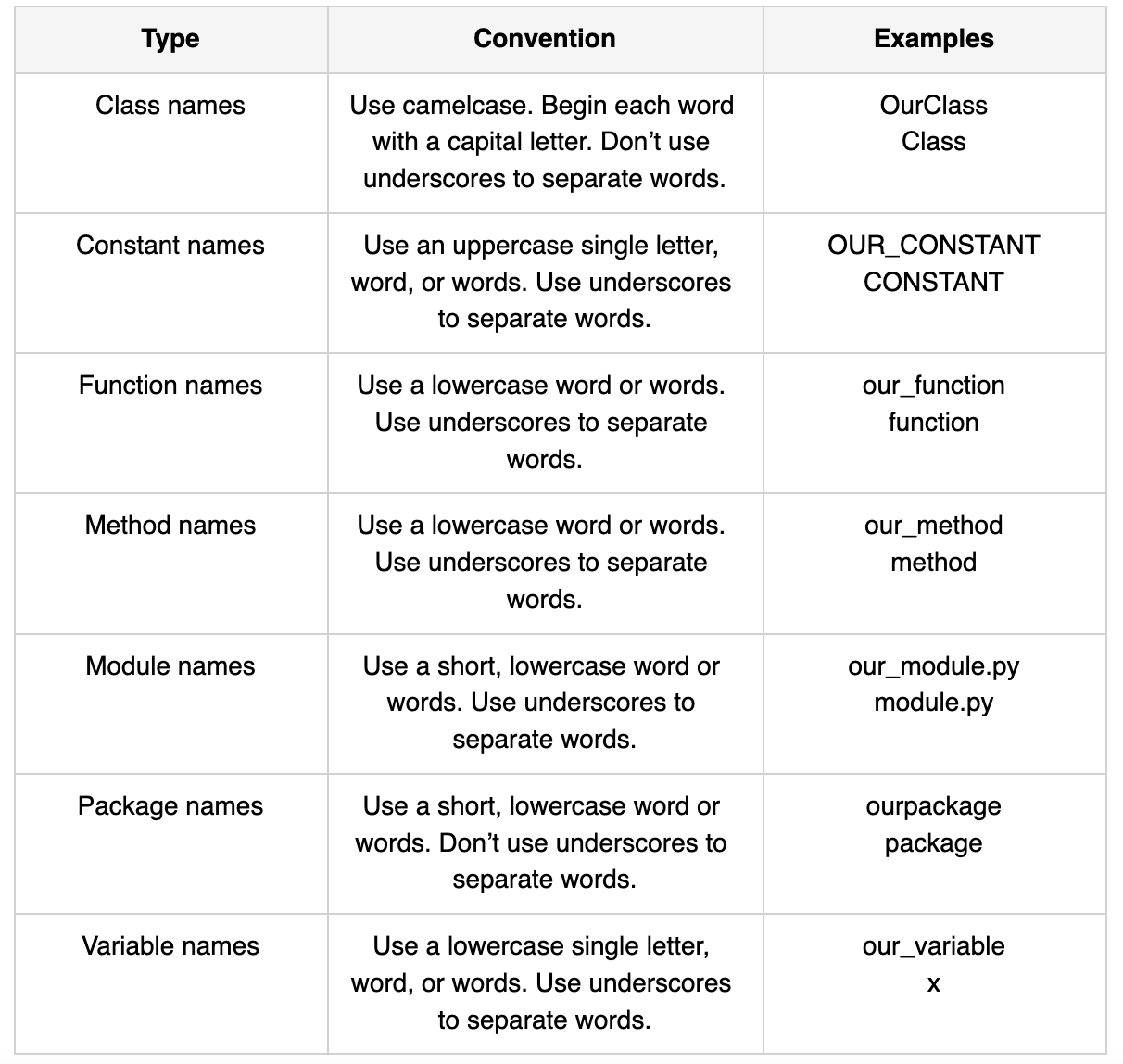
- Naming Conventions: PEP 8 specifies guidelines for naming variables, functions, classes, and modules, including the use of lowercase letters with underscores and camel case notation.
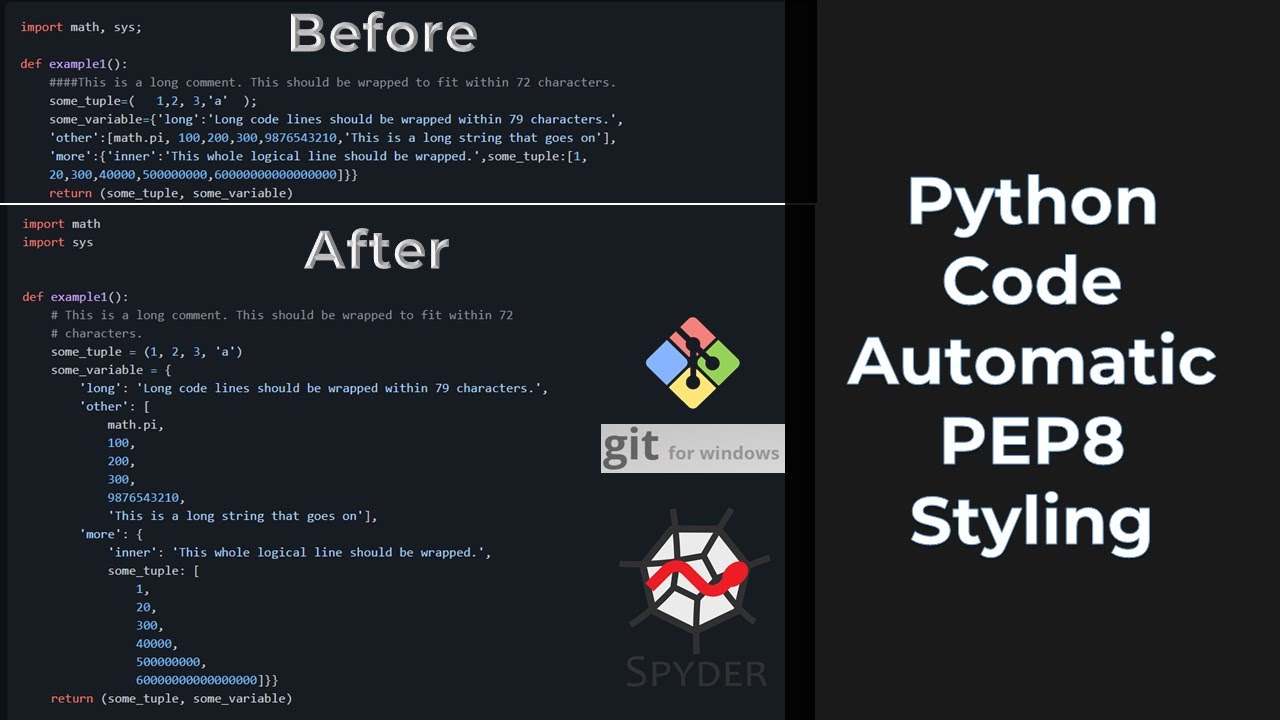
- Code Layout: The guidelines dictate the arrangement of code, including indentation, line length, and blank lines.
- Comments: PEP 8 emphasizes the importance of comments in documenting code, including the use of docstrings, comments, and blank lines.
- Code Formatting: The guidelines outline the recommended formatting for code, including the use of consistent spacing, indentation, and line wrapping.
Best Practices for Adhering to PEP 8 Guidelines
To master PEP 8 guidelines, follow these best practices:
- Use a Code Formatter: Tools like autopep8 and Black can automatically fix PEP 8 issues and ensure your code adheres to the guidelines.
- Read the PEP 8 Documentation: Familiarize yourself with the official PEP 8 documentation to understand the guidelines and conventions.
- Practice and Review: Regularly write and review code to develop your PEP 8 skills and catch any issues early.
- Use IDEs and Editor Plugins: Many IDEs and editor plugins, such as PyCharm and VSCode, provide PEP 8 linting and formatting tools to help you write clean and compliant code.
Conclusion
FOLLOWING PEP 8 GUIDELINES is an essential skill for any Python developer, as it enables you to write clean, readable, and maintainable code. By mastering these guidelines, you will improve your code's quality, increase collaboration and code reuse, and demonstrate a commitment to writing professional code. With this comprehensive guide, you are now well-equipped to learn and apply PEP 8 guidelines in your Python projects.