How to Prevent Social Media Account Hacking: Top 10 Essential Strategies
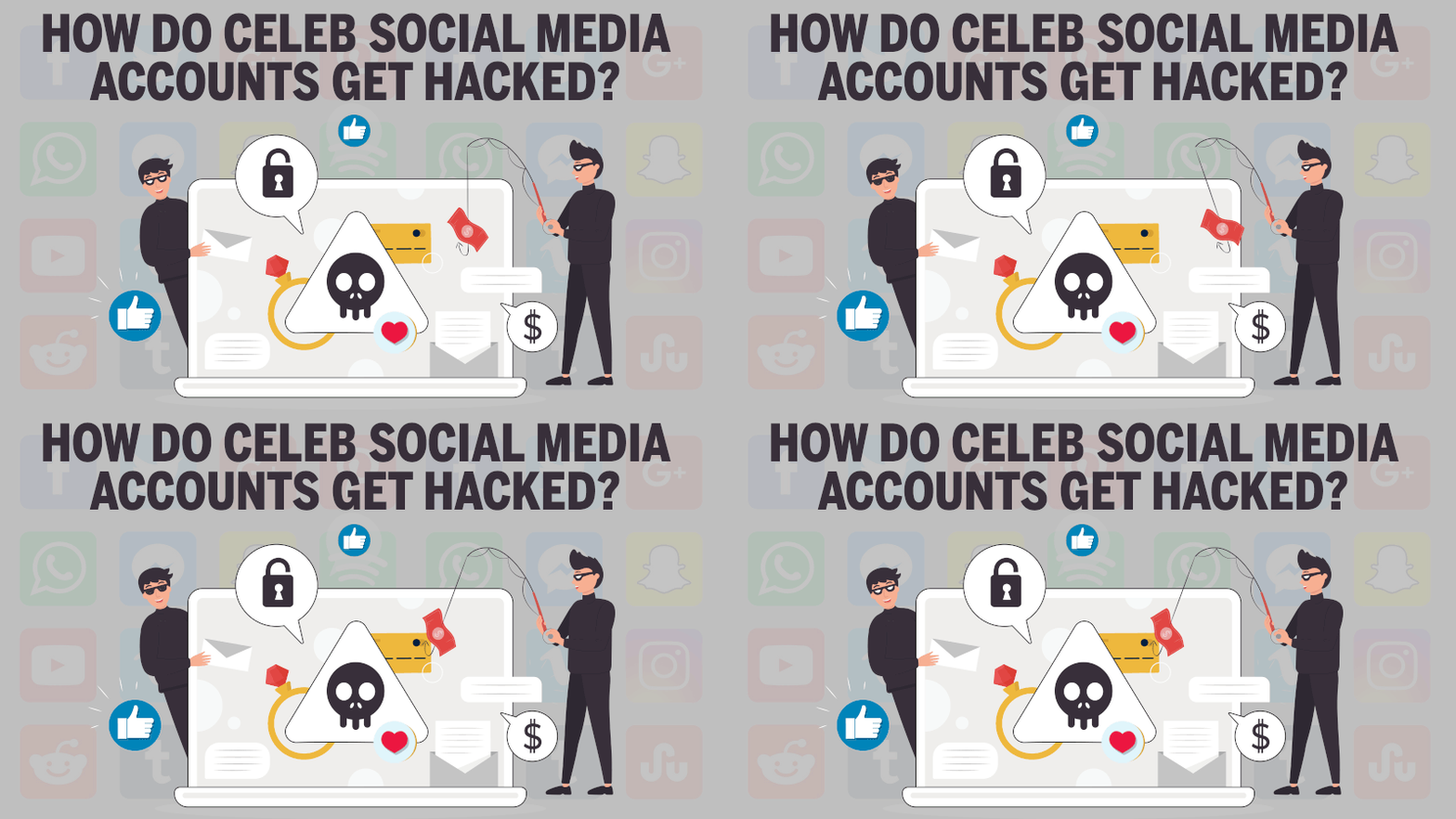
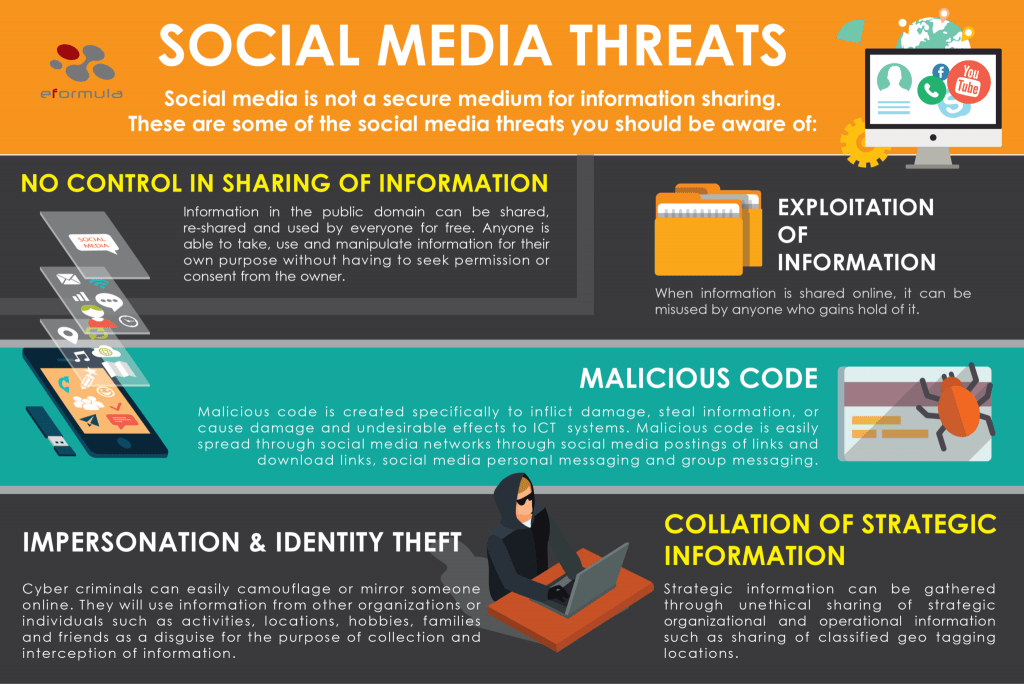
As social media platforms continue to grow in popularity, the risk of social media account hacking also increases. With billions of users worldwide, social media presents a significant threat landscape for cybercriminals seeking valuable personal information and leverage over victims. However, by being aware of the most common ways hackers attack and taking essential precautions, you can safeguard your online presence and protect your identity.
Why Social Media Accounts Are Vulnerable to Hacking
Social media accounts are often used to access sensitive information, such as passwords, credit card details, and personal identification numbers. If a hacker gains access to your social media account, they can take control of your online presence, manipulate what's posted, or use your personal information for malicious purposes. With the rise of sophisticated hacking tools and techniques, it's essential to understand how social media hacking works and take proactive measures to prevent it.
Top 10 Essential Strategies to Prevent Social Media Account Hacking
1. Use Strong and Unique Passwords
Use a combination of uppercase and lowercase letters, numbers, and special characters to create a strong password. Avoid using easily guessable information, such as your name, birthdate, or common words. Use a password manager to generate and store unique passwords for each of your social media accounts.
2. Enable Two-Factor Authentication (2FA)
2FA adds an extra layer of security to your social media accounts by requiring a verification code sent to your phone or email in addition to your password. This prevents hackers from accessing your account even if they have your password.
3. Monitor Your Account Activity
Regularly check your account activity to detect any suspicious behavior, such as unfamiliar login locations or login attempts. Report any suspicious activity to the social media platform immediately.
4. Keep Your Social Media Accounts Up to Date
Update your social media apps, browser extensions, and software to the latest versions. This ensures you have the latest security patches and features to protect your accounts.
5. Be Cautious with Public Wi-Fi

Avoid accessing social media accounts on public Wi-Fi networks, as hackers can intercept your data on unsecured networks. Use a VPN (Virtual Private Network) to encrypt your internet traffic when accessing social media accounts on public Wi-Fi.
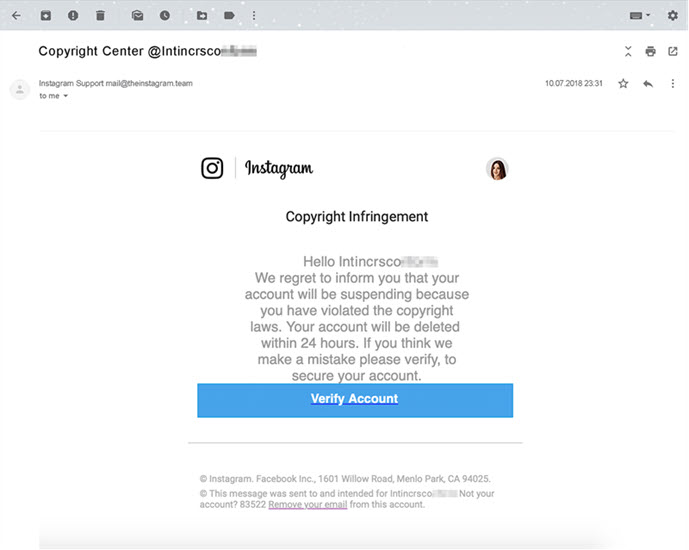
6. Avoid Phishing Scams
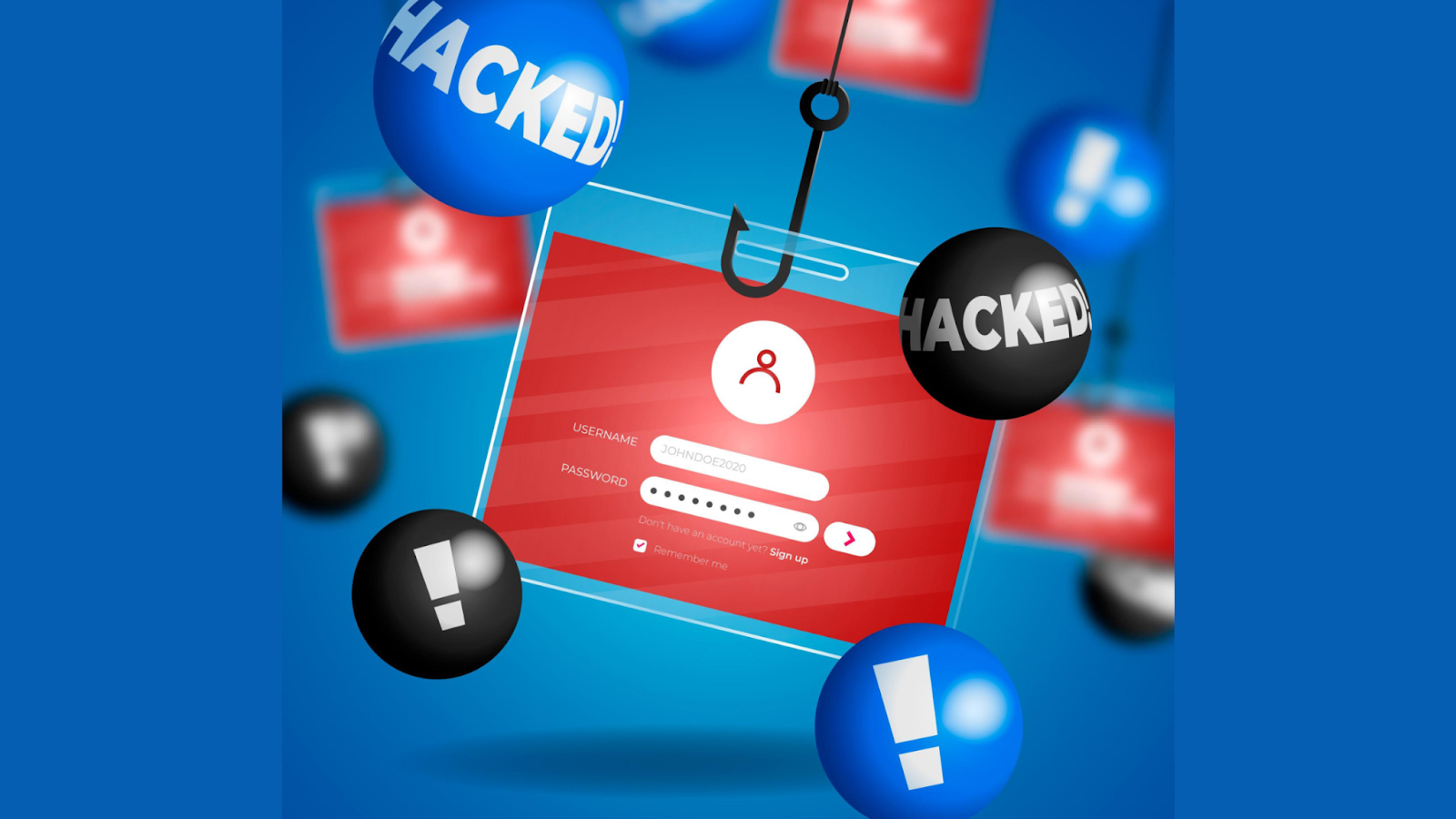
Be wary of suspicious emails, messages, or links that ask for your login credentials or personal information. Legitimate social media platforms will never ask for sensitive information via email or message.
7. Use a Firewall and Antivirus Software
Install a reputable firewall and antivirus software to protect your device from malware and other online threats. These tools can detect and remove malicious software that may infect your device through social media.
8. Use a Secure Web Browser
Use a secure web browser that has built-in security features, such as password management and phishing protection.
9. Limit Access to Your Social Media Accounts
Only share your social media account login credentials with trusted individuals, and use a password manager to store unique passwords for each account.
10. Regularly Review Your Account Settings
Regularly review your account settings to ensure you have the necessary controls in place to prevent unauthorized access. Adjust your account settings as needed to match your changing online needs.
Conclusion
Preventing social media account hacking requires a combination of awareness, precautions, and proactive measures. By following the top 10 essential strategies outlined in this article, you can safeguard your online presence, protect your identity, and prevent hackers from taking control of your social media accounts. Remember, a single precautionary step can make all the difference in protecting your online security and preventing social media account hacking.