Hyperconnectivity and Travel Marketing: Navigating the Complex Digital Landscape
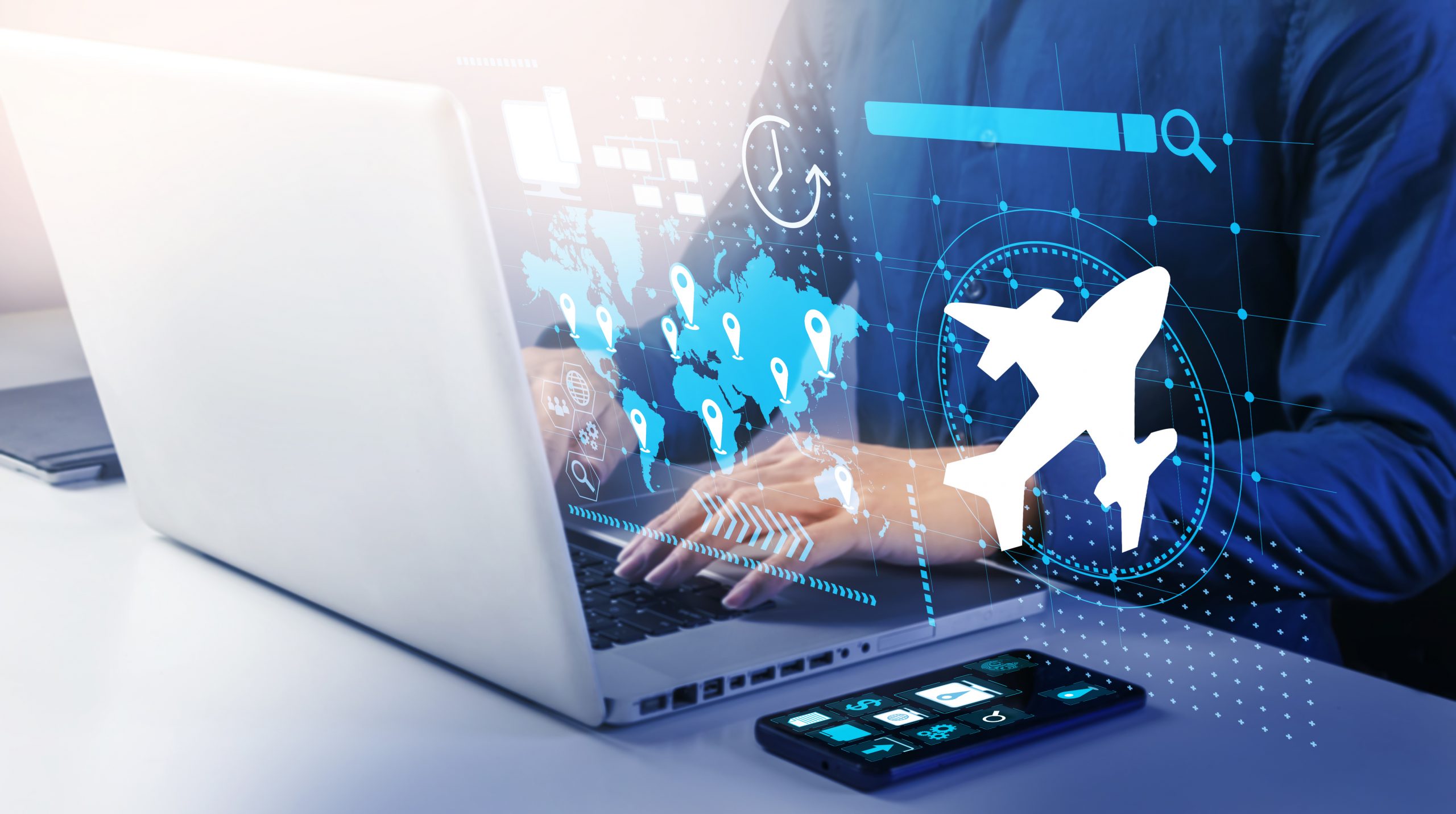
In today's digital age, the travel industry is undergoing a significant transformation. The rise of hyperconnectivity has revolutionized the way travelers plan, book, and experience their trips. As a result, travel marketers must adapt to this new landscape and develop effective strategies to reach and engage with their target audiences.
The Impact of Hyperconnectivity on Travel Marketing
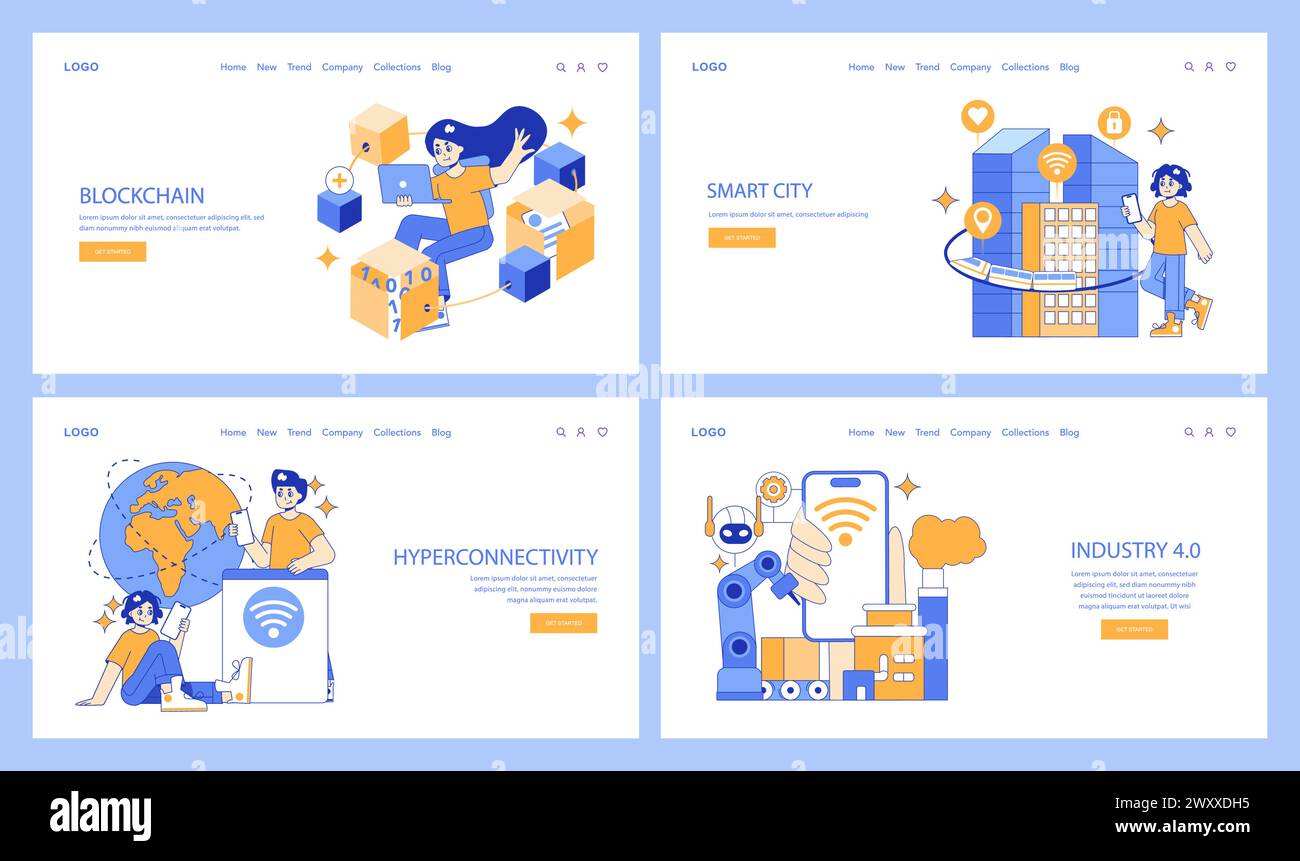
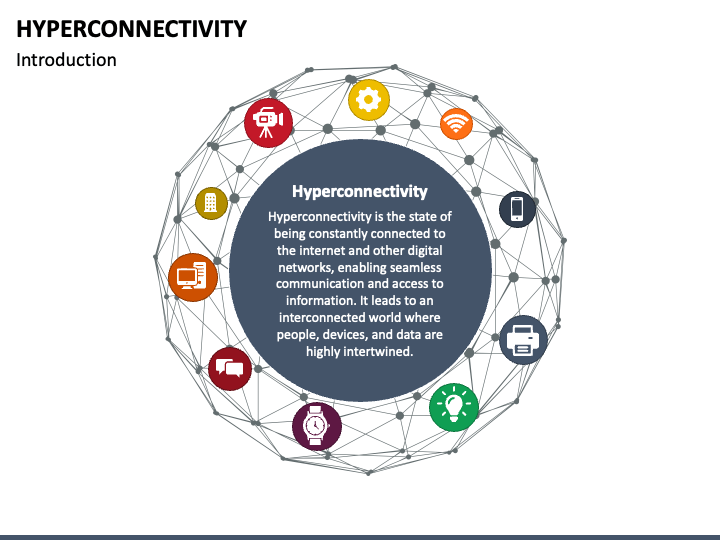
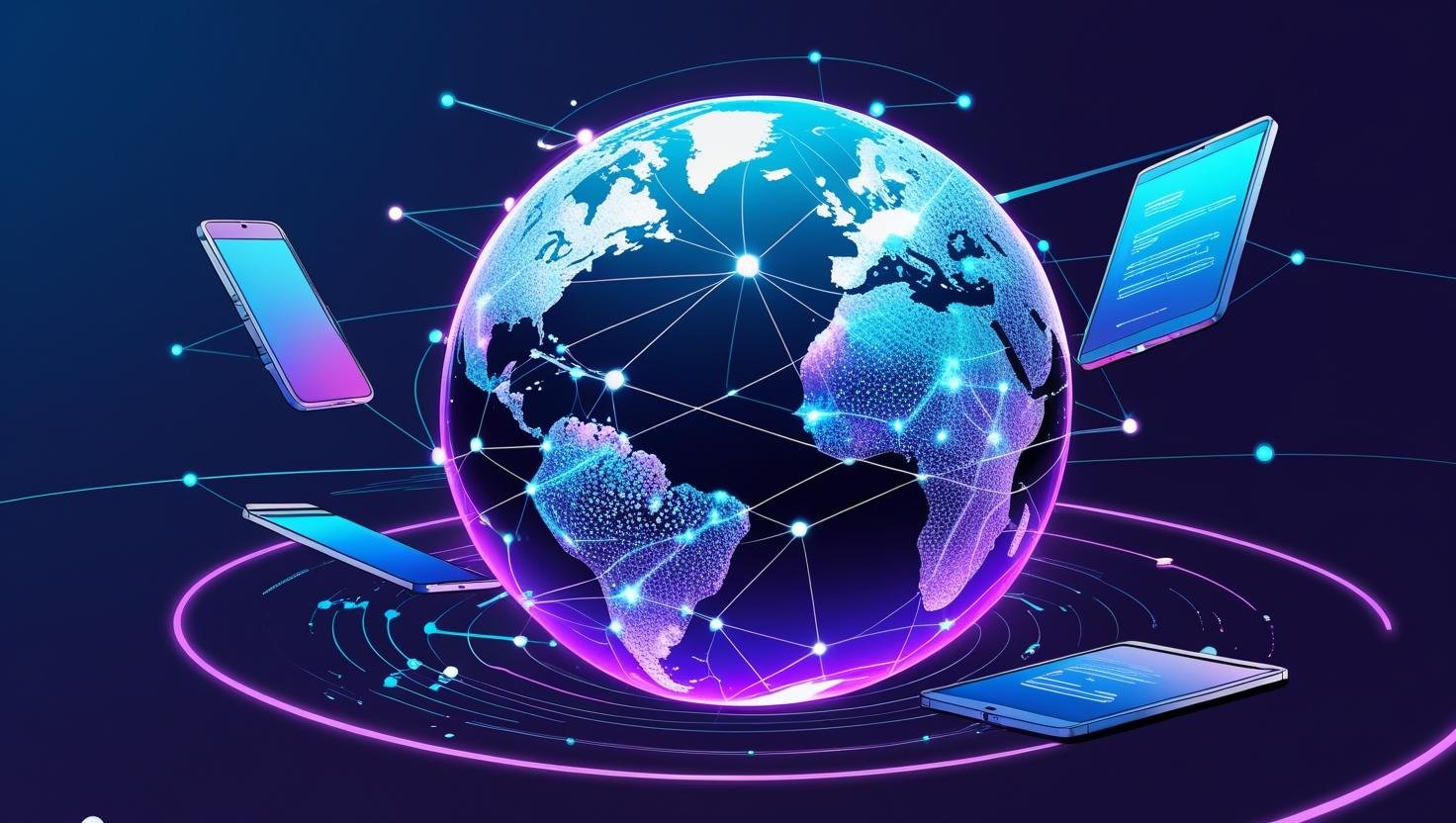
Hypreconnectivity refers to the extensive utilization of diverse technologies to establish highly interconnected networks involving data, individuals, and objects. This phenomenon is driven by pivotal components such as IoT, enabling everyday objects to exchange data; cloud computing, offering scalable resources as needed, and artificial intelligence, enhancing decision-making within interconnected networks.
The effects of hyperconnectivity on travel marketing are far-reaching. With the ability to access vast amounts of information and connect with others in real-time, travelers have become increasingly demanding and discerning. Travel marketers must be able to provide personalized experiences, cater to individual preferences, and deliver seamless interactions across multiple channels.
Key Trends in Hyperconnectivity and Travel Marketing
- Personalization**: The ability to offer tailored experiences to individual travelers is becoming increasingly important. By harnessing artificial intelligence, real-time data, and behavioral insights, travel companies can create truly personalized experiences that meet the unique needs and preferences of each traveler.
- Mobile-First**: With the majority of travelers using mobile devices to plan and book their trips, mobile-first strategies are essential. Travel marketers must ensure that their websites, apps, and marketing campaigns are optimized for mobile devices to provide a seamless user experience.
- Social Media**: Social media platforms have become an essential channel for travel marketing. By leveraging social media, travel companies can engage with travelers, build brand awareness, and drive bookings.
- Influencer Marketing**: Influencer marketing has become a key strategy for travel companies looking to reach and engage with their target audiences. By partnering with influencers, travel companies can tap into their followers and build credibility and trust.
The Benefits of Hyperconnectivity in Travel Marketing
Hypreconnectivity offers numerous benefits for travel marketing, including:
- Improved Engagement**: Hyperconnectivity enables travel marketers to engage with travelers in real-time, providing personalized experiences and building brand loyalty.
- Increased Efficiency**: By automating tasks and processes, travel marketers can improve efficiency and reduce costs.
- Better Decision-Making**: With access to vast amounts of data and analytics, travel marketers can make informed decisions and optimize their marketing strategies.
- Enhanced Customer Experience**: Hyperconnectivity enables travel marketers to provide seamless interactions and personalized experiences, leading to increased customer satisfaction and loyalty.
The Challenges of Hyperconnectivity in Travel Marketing
Hypreconnectivity also presents several challenges for travel marketing, including:
- Data Overload**: The vast amounts of data generated by hyperconnectivity can be overwhelming, making it difficult for travel marketers to analyze and interpret.
- Increased Competition**: With more travelers than ever using digital channels to plan and book their trips, competition for attention and bookings has increased.
- Security Concerns**: The increased use of digital channels and data exchange raises concerns around data security and privacy.
Conclusion
In conclusion, hyperconnectivity is transforming the travel industry and presenting both opportunities and challenges for travel marketers. By understanding the impact of hyperconnectivity on travel marketing, travel companies can develop effective strategies to engage with their target audiences, improve efficiency, and enhance the customer experience.
As the travel industry continues to evolve, it is essential for travel marketers to stay ahead of the curve and adapt to the changing landscape. By leveraging the benefits of hyperconnectivity and addressing the challenges, travel marketers can ensure their brands remain relevant and competitive in the digital age.









![How to Build Brands in Today's Interconnected World [Ultimate Guide]](https://img.freepik.com/premium-psd/explore-world-travel-marketing-agency-social-media-banner-template_626453-211.jpg?w=2000 "How to Build Brands in Today's Interconnected World [Ultimate Guide]")