Identity Protection for Non-Profit Organizations: A Crucial Layer of Defense
As the digital landscape continues to evolve, non-profit organizations (NPOs) are increasingly becoming targets for cyberattacks. These organizations, which often have limited resources and budgets, struggle to implement robust IT security measures. One critical aspect of securing their digital infrastructure is identity protection.
The Importance of Identity Protection for Non-Profits
Identity protection is a vital aspect of cybersecurity for non-profit organizations. These organizations often handle sensitive data, including donor information, employee records, and beneficiary details. A breach or compromise of this data can have severe consequences, including financial loss, reputational damage, and harm to the very individuals they aim to serve.
Moreover, non-profit organizations often have limited resources and budgets, making it challenging for them to invest in robust cybersecurity measures. However, neglecting identity protection can lead to catastrophic consequences, including loss of donor trust, revenue, and even organizational collapse.
Best Practices for Identity Protection in Non-Profit Organizations
- Implement Multi-Factor Authentication (MFA)**: MFA adds an extra layer of security by requiring users to provide a second form of verification, such as a fingerprint, code sent via SMS, or a one-time password.
- Use Strong Password Policies**: Enforce the use of complex passwords, regular password updates, and password rotation to minimize the risk of password-based attacks.
- Monitor and Analyze Identity-Related Risks**: Use identity protection tools to detect, investigate, and remediate identity-based risks, such as compromised accounts, phishing, and social engineering attacks.
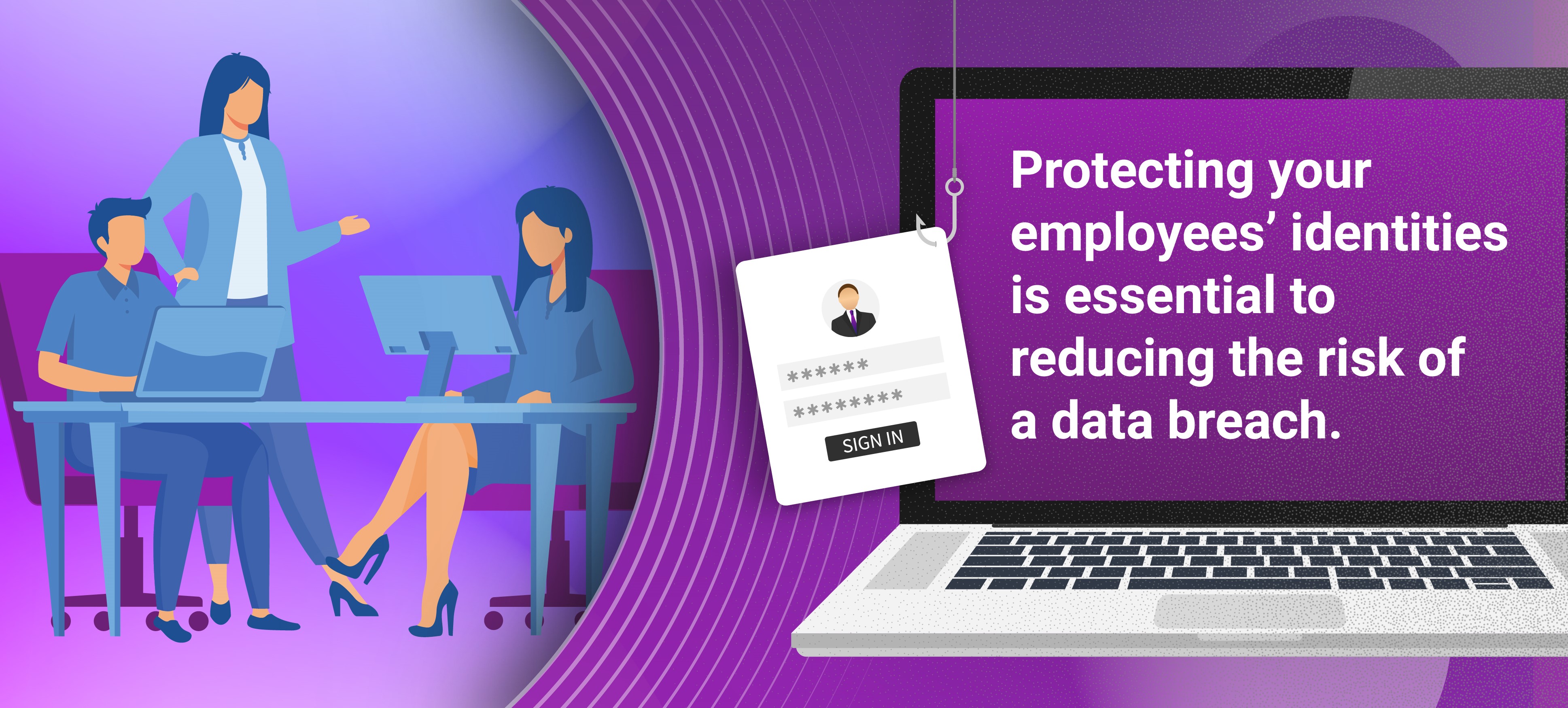
- Provide Regular Security Awareness Training**: Educate employees on the importance of identity protection, phishing, and social engineering attacks, and provide regular security awareness training to ensure they understand the risks and best practices.
- Implement Identity and Access Management (IAM) Solutions**: Use IAM solutions to manage user identities, access permissions, and privileges, ensuring that only authorized individuals have access to sensitive data and systems.

Identity Protection Tools and Solutions for Non-Profits
Several tools and solutions can help non-profit organizations enhance their identity protection capabilities, including:
- Microsoft AccountGuard**: A cybersecurity service designed to provide an extra layer of protection for high-risk, highly-targeted organizations, including non-profits.
- Microsoft Entra ID Protection**: A solution that helps detect, investigate, and remediate identity-based risks, feeding these risks into tools like Conditional Access to make access decisions or sent to a security information and event management (SIEM) tool for further investigation and correlation.
- Bravura Security**: Offers identity and access management solutions that can help non-profit organizations enhance their security and compliance capabilities.
- NPSM**: A unified non-profit software that protects non-profits from risks with built-in security, including identity and access management solutions.
Conclusion
Identity protection is a critical aspect of cybersecurity for non-profit organizations. By implementing best practices, using identity protection tools and solutions, and providing regular security awareness training, non-profits can minimize the risk of identity-based attacks and protect their sensitive data and reputation. Remember, identity protection is not a one-time task, but an ongoing process that requires continuous monitoring, analysis, and improvement.