Feeling Overwhelmed at Work: Understanding the Cause and Effect
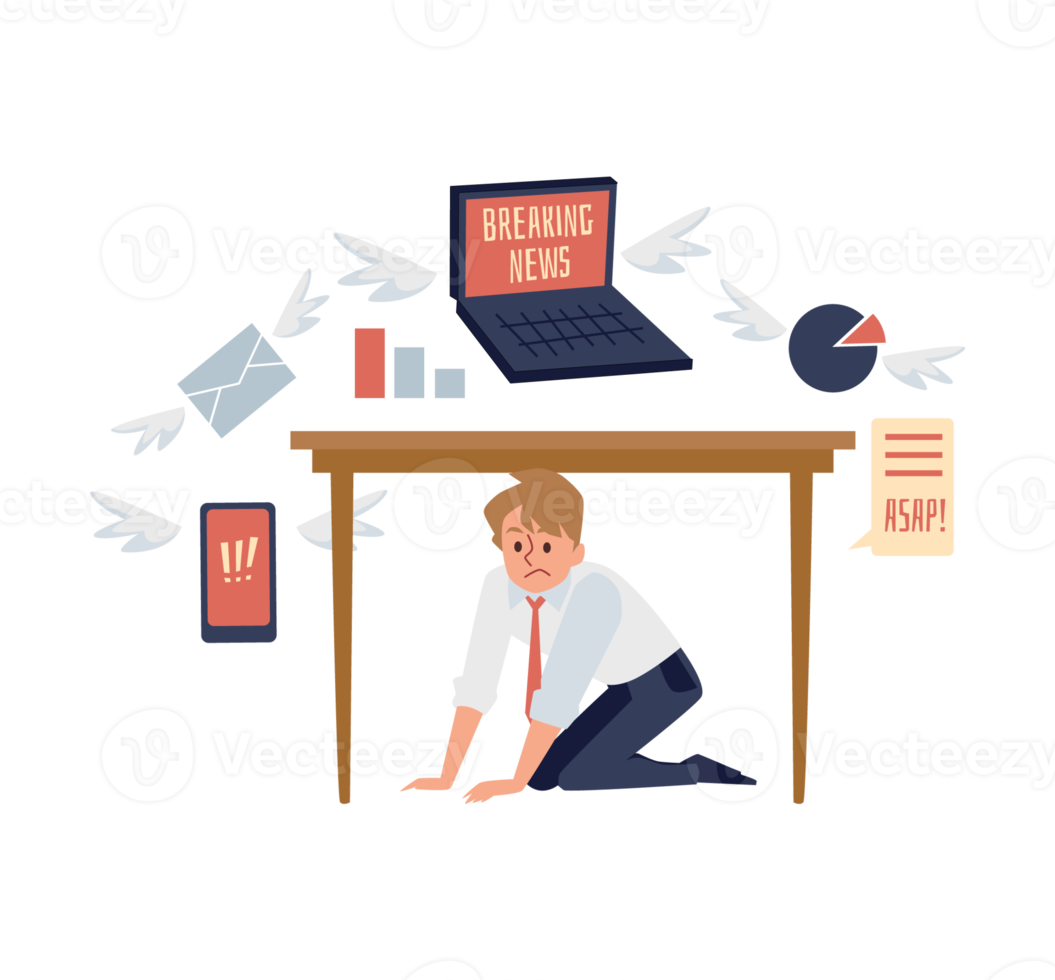
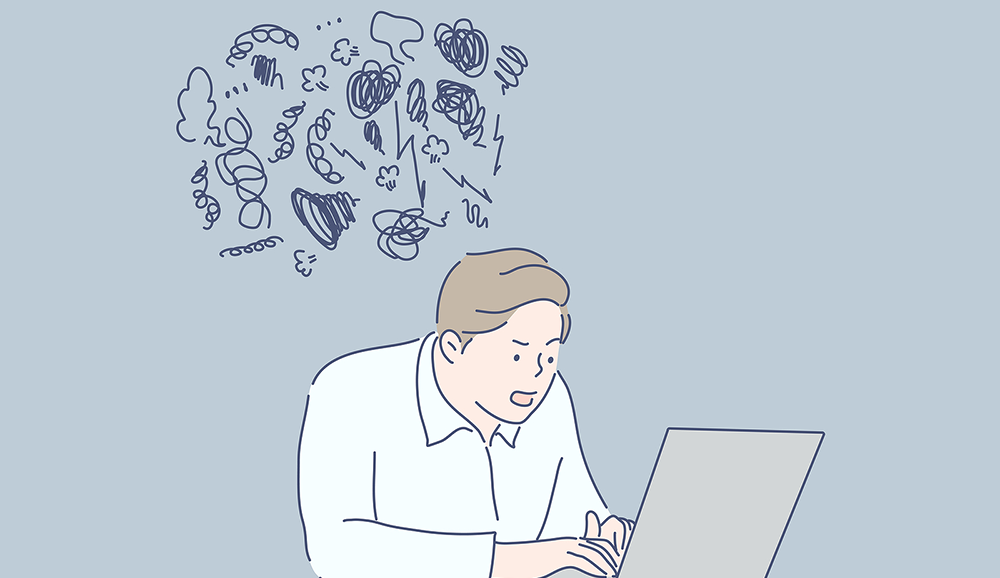
Feeling overwhelmed at work is a common phenomenon that can lead to burnout if left unchecked. But before we dive into the strategies for managing overwhelm, let's explore the causes and effects of information overload at work.
What is Information Overload?
Information overload refers to the state of being overwhelmed by the sheer volume of data, messages, and decisions we encounter daily. Constant digital communication, task switching, and multitasking can stretch our attention, make managing up more difficult, and reduce information processing capacity.
The Cognitive Overload Theory
The cognitive overload theory states that mental resources are limited and that too much information or too many simultaneous tasks can overwhelm these resources. When this happens at work, it can impact our ability to learn, perform, and respond efficiently to new challenges.
Causes of Information Overload at Work
- Constant Digital Communication : The constant flow of emails, chat notifications, and digital updates can be overwhelming, leading to decision fatigue, burnout, and reduced productivity.
- Task Switching : Constantly switching between tasks can make it difficult to focus and manage multiple projects simultaneously.
- Multitasking : The desire to do multiple things at once can lead to overstimulation, making it challenging to process information and make decisions.
- Excessive Information : Too much information, such as data, reports, and documents, can lead to mental fatigue and decreased ability to process information.

Effects of Information Overload at Work
- Reduced Productivity : Information overload can lead to decreased productivity, as employees may struggle to complete tasks efficiently.
- Burnout and Stress : Constantly feeling overwhelmed can lead to burnout, which can have severe consequences for both physical and mental health.
- Decreased Focus : Information overload can lead to decreased focus, making it challenging to concentrate and make decisions.
- Increased Errors : The constant switching between tasks and excessive information can lead to increased errors and decreased quality of work.
Strategies for Managing Information Overload at Work
Fortunately, there are several strategies for managing information overload at work, including:
- Prioritize Tasks : Prioritize tasks based on importance and deadlines to reduce the feeling of overwhelm.
- Use Productivity Tools : Utilize productivity tools such as to-do lists, calendars, and project management software to stay organized.
- Take Breaks : Take regular breaks to rest and recharge, reducing the feeling of burnout.
- Set Boundaries : Set boundaries around communication and information intake to reduce the feeling of overwhelm.
- Seek Support : Seek support from colleagues, managers, or mental health professionals to help manage stress and burnout.
Conclusion
Feeling overwhelmed at work is a common phenomenon that can have severe consequences if left unchecked. By understanding the causes and effects of information overload, you can implement strategies to manage and mitigate its impact. Prioritize tasks, use productivity tools, take breaks, set boundaries, and seek support to stay on top of your work and maintain a healthy work-life balance.