Pregnancy Coffee Consumption Risks and Health Risks to the Baby
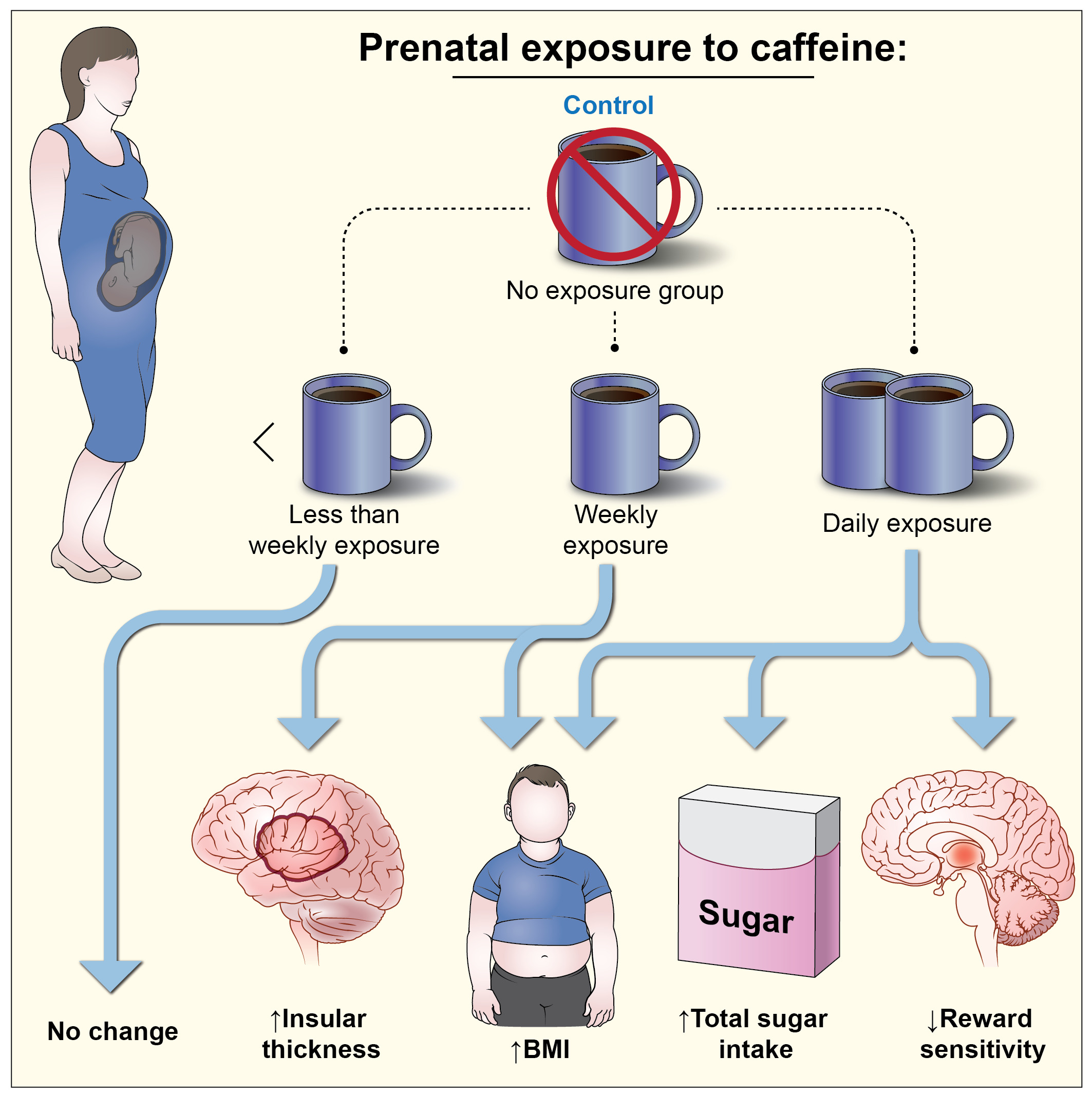
As a pregnant woman, it is essential to be aware of the potential risks associated with consuming coffee during pregnancy. While moderate coffee consumption may be safe for some women, excessive intake can pose serious health risks to the baby. In this article, we will delve into the potential risks and health implications of coffee consumption during pregnancy.
Understanding Caffeine and Coffee Consumption
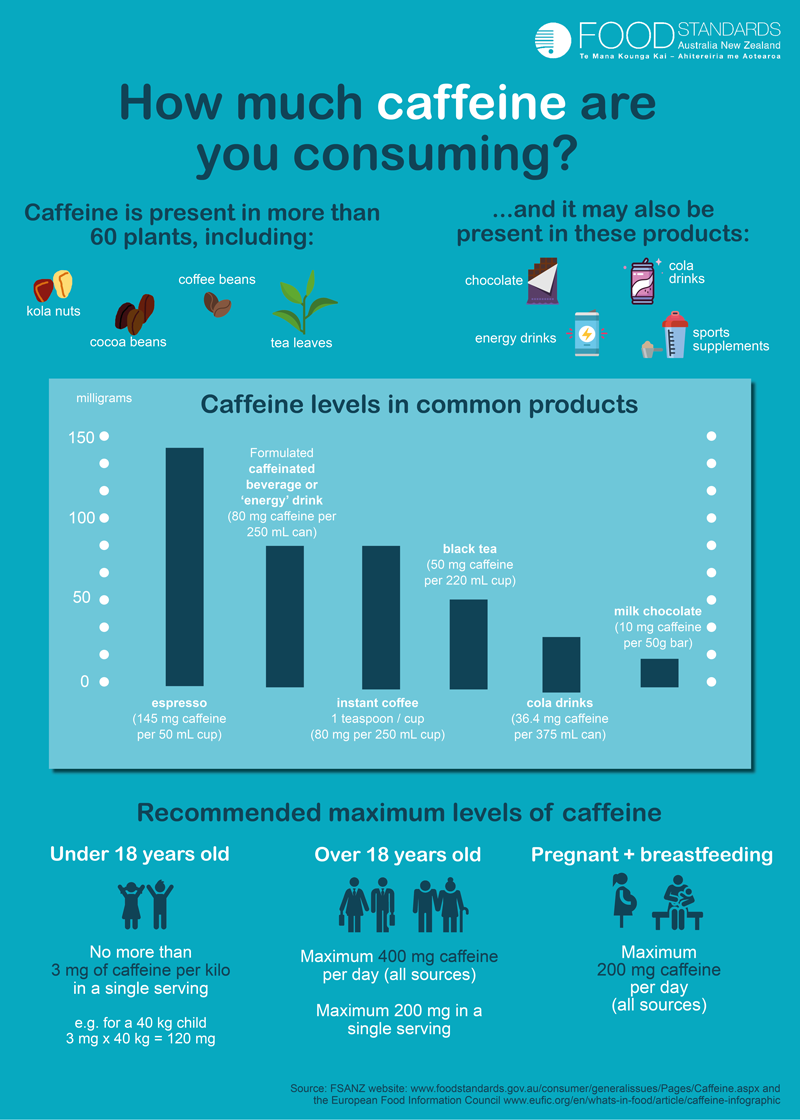
Caffeine is the primary stimulant found in coffee, and it can cross the placenta, reaching the fetus. The World Health Organization recommends that pregnant women limit their caffeine intake to no more than 200mg per day. However, many commercial coffee brands contain significantly more caffeine, posing a significant risk to the developing fetus.
Health Risks Associated with Coffee Consumption During Pregnancy
- Increasedrisk of miscarriage: Consuming high amounts of caffeine during pregnancy has been linked to an increased risk of miscarriage. A study published in the American Journal of Obstetrics and Gynecology found that pregnant women who consumed more than 300mg of caffeine per day had a higher risk of miscarriage.
- Low birth weight: Excessive caffeine consumption during pregnancy has been associated with lower birth weights. A study published in the Journal of the American Medical Association found that maternal caffeine consumption of 100mg or more per day was linked to a lower birth weight.
- Gestational diabetes: Some studies suggest that moderate to high levels of caffeine consumption during pregnancy may increase the risk of gestational diabetes. A study published in the Journal of Clinical Endocrinology and Metabolism found that caffeine consumption of 200mg or more per day increased the risk of gestational diabetes.
- Increased risk of preterm birth: Caffeine consumption during pregnancy has also been linked to an increased risk of preterm birth. A study published in the American Journal of Obstetrics and Gynecology found that pregnant women who consumed more than 300mg of caffeine per day had a higher risk of preterm birth.
- Neonatal cardiovascular risks: Some studies suggest that caffeine consumption during pregnancy may increase the risk of neonatal cardiovascular problems, such as arrhythmias and decreased heart rate variability.
Modifying Coffee Consumption During Pregnancy
While reducing or eliminating coffee consumption may be challenging, there are ways to minimize the risks associated with caffeine intake during pregnancy. The following tips can help pregnant women modify their coffee consumption safely:
- Choose decaffeinated coffee or tea: Decaffeinated beverages can provide a similar flavor and aromatics as regular coffee without the risks associated with high caffeine intake.
- Limit coffee consumption: If you must drink coffee, limit your intake to one or two cups per day, and choose low-caffeine options.
- Avoid energy drinks: Energy drinks often contain high levels of caffeine and other stimulants that can pose serious health risks to the developing fetus.
- Be mindful of hidden sources of caffeine: Caffeine is also found in chocolate, some medications, and certain foods, such as coffee ice cream and flavored yogurt.
- Consult your healthcare provider: If you are concerned about your caffeine intake or have questions about safe consumption levels, consult your healthcare provider for guidance.
Conclusion
Pregnant women should be aware of the potential risks associated with coffee consumption during pregnancy. While moderate coffee consumption may be safe for some women, excessive intake can pose serious health risks to the baby. By modifying coffee consumption safely and minimizing caffeine intake, pregnant women can reduce the risks associated with caffeine consumption and promote a healthy pregnancy.