Smartphone Vibration Anxiety: What's Behind the Buzz
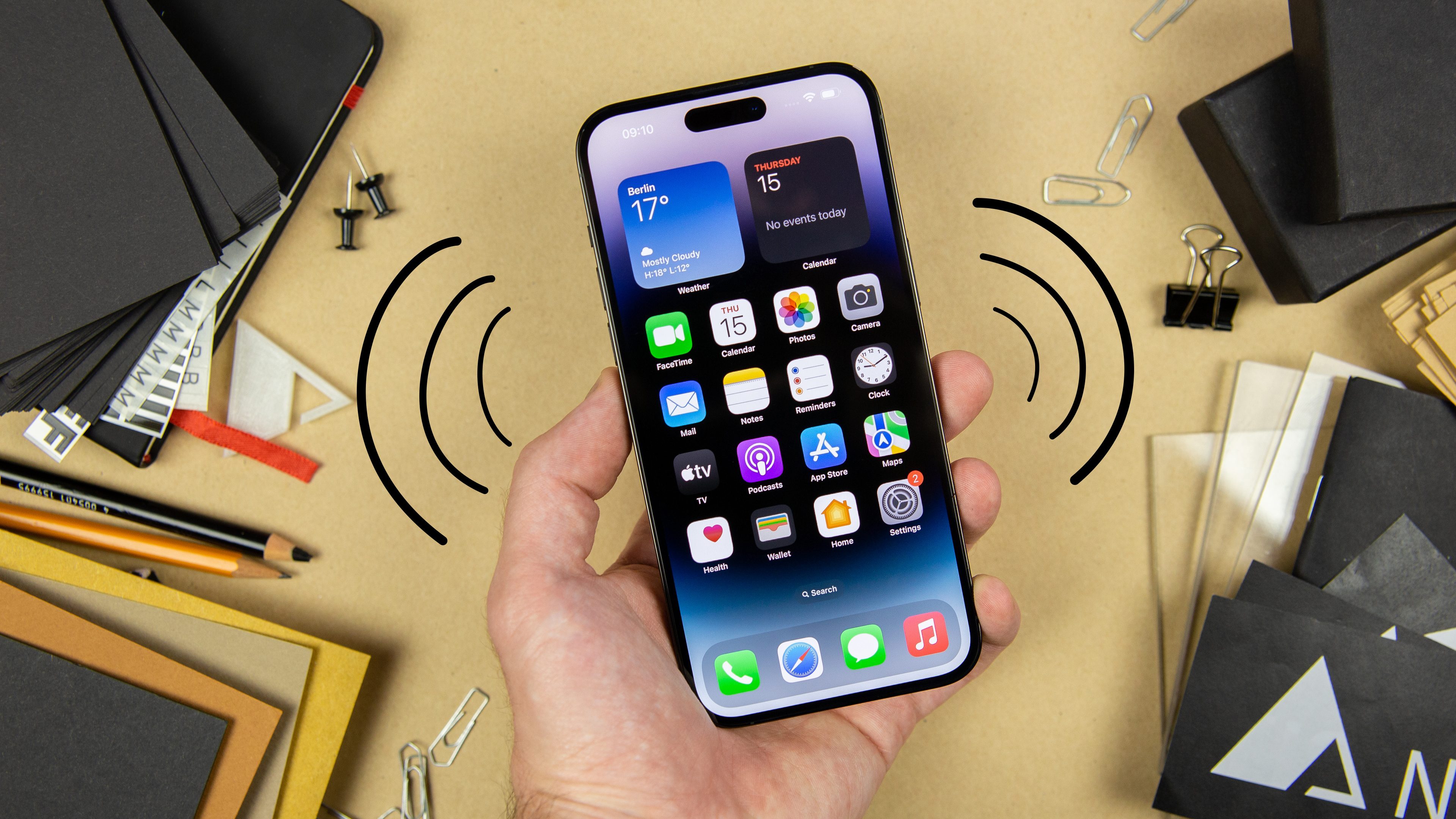
Despite the numerous benefits of smartphones, a growing number of people have started experiencing a peculiar phenomenon known as phantom vibration syndrome. Also known as phantom vibration anxiety, this condition is characterized by the sensation of feeling vibrations from a smartphone when it's not actually ringing or vibrating. But what's behind this fascinating and sometimes distressing experience?
The Neuroscience of Phantom Vibration Syndrome
Phantom vibration syndrome is a relatively newly recognized condition that highlights the complex relationship between our brains, phones, and behavior. Research suggests that it arises from a combination of neurological, psychological, and behavioral factors. One of the primary causes is sensory misinterpretation. Our brains are wired to associate certain sensations, such as muscle spasms or clothing movement, with phone vibrations due to our frequent mobile phone use. This can lead to a conditioned response, where the brain learns to overreact to any physical sensation near our phones.
Why Do People Experience Phantom Vibration Syndrome?
There are several explanations for the emergence of phantom vibration syndrome. Some research suggests that our increasing reliance on smartphones is a significant contributor. As we constantly check our phones for notifications, our brains become hypersensitive and hyperreactive, making us more prone to false perceptions.
- **Sensory misinterpretation:** The brain mistakenly interprets non-vibrational sensations as phone vibrations.
- **Conditioned response:** Our frequent phone use leads to an involuntary reaction to any perceived vibration, even if there's no actual phone signal.
- **Habituation:** The more we use our phones, the more our brains adapt to associating certain sensations with vibrations, leading to phantom perceptions.
- **Anxiety and stress:** The pressures of modern life and our obsession with smartphones can contribute to increased anxiety and stress levels, exacerbating phantom vibration syndrome.
Breaking the Cycle of Phantom Vibration Syndrome
Fortunately, there are ways to break the cycle of phantom vibration syndrome. Here are some evidence-based strategies to help you reclaim your attention and reduce anxiety:
- **Switch off your phone's vibration:** This might sound simple, but switching off your phone's vibration feature can help you become less dependent on the sensation and reduce phantom perceptions.
- **Practice mindfulness:** Regular mindfulness exercises can help you become more attuned to your body and less prone to misinterpreting sensations as vibrations.
- **Take breaks from your phone:** Periodically disconnect from your phone to reduce dependence and allow your brain to relax and recover.
- **Exercise and physical activity:** Regular exercise can help reduce anxiety and improve cognitive function, making you less susceptible to phantom vibration syndrome.
Conclusion
Phantom vibration syndrome is a fascinating phenomenon that offers a glimpse into the intricate relationship between our brains, phones, and behavior. By understanding the causes and adopting strategies to break the cycle, you can reduce anxiety and reclaim your attention. Remember, a healthy relationship with technology is key to maintaining mental well-being.
References
For those interested in diving deeper into the topic, here are some cited sources:
- Computers in Human Behavior, 2013 – Shannon-Morris & Associates
- The Skimm, 2024 – Shelby
- NY Post, 2024 – Various Authors
- Other sources cited in the text