Mastering Social Media Security Best Practices
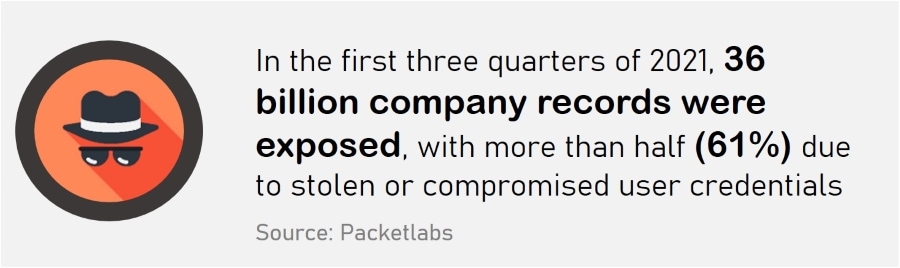
In today's digital age, social media has become an integral part of our personal and professional lives. However, with the rise of social media usage, the risks associated with it have also increased. Cyber threats, data breaches, and phishing attacks have become common occurrences, making social media security a top priority. In this article, we will delve into the essential social media security best practices that individuals and organizations can implement to safeguard their online presence.The Importance of Social Media Security
Social media security involves proactive measures to protect data, privacy, and confidentiality from threats on social media platforms. It is crucial to understand the importance of social media security, as a single mistake can lead to devastating consequences, including data breaches, identity theft, and reputational damage. By following social media security best practices, individuals and organizations can enjoy a safer online experience, protect sensitive information, and maintain their online reputation.Common Social Media Security Risks
Before we dive into the best practices, it is essential to understand the common social media security risks. Some of the most significant risks include: * Phishing attacks * Data breaches * Identity theft * Social engineering * Profile hijacking By being aware of these risks, individuals and organizations can take proactive steps to mitigate them.Social Media Security Best Practices
Implementing social media security best practices is crucial to safeguarding your online presence. Here are some essential tips to follow: *Create Strong Passwords
Password security forms the foundation of social media protection. It is essential to create strong, unique passwords for each social media account. Use a combination of uppercase and lowercase letters, numbers, and special characters to make your password more secure. *Enable Two-Factor Authentication (2FA)