Writing a Successful Resume: A Comprehensive Guide
In today's competitive job market, having a well-crafted resume is crucial for showcasing your skills, experience, and achievements to potential employers. A resume is a concise summary of your abilities, education, and experience, and it should be a key factor in your job search strategy. Writing a successful resume requires careful planning, attention to detail, and a strategic approach. In this article, we will provide you with a comprehensive guide on how to write a successful resume that highlights your strengths, with examples, writing tools, and insights from professional resume writers.
Understanding the Purpose of a Resume
A resume's primary purpose is to tailor your application material to a specific job opening. It should provide a concise overview of your qualifications, skills, and experience, and demonstrate how you can contribute to the organization's success. A good resume should be easy to read, formatted correctly, and free of errors.
Before You Start Writing
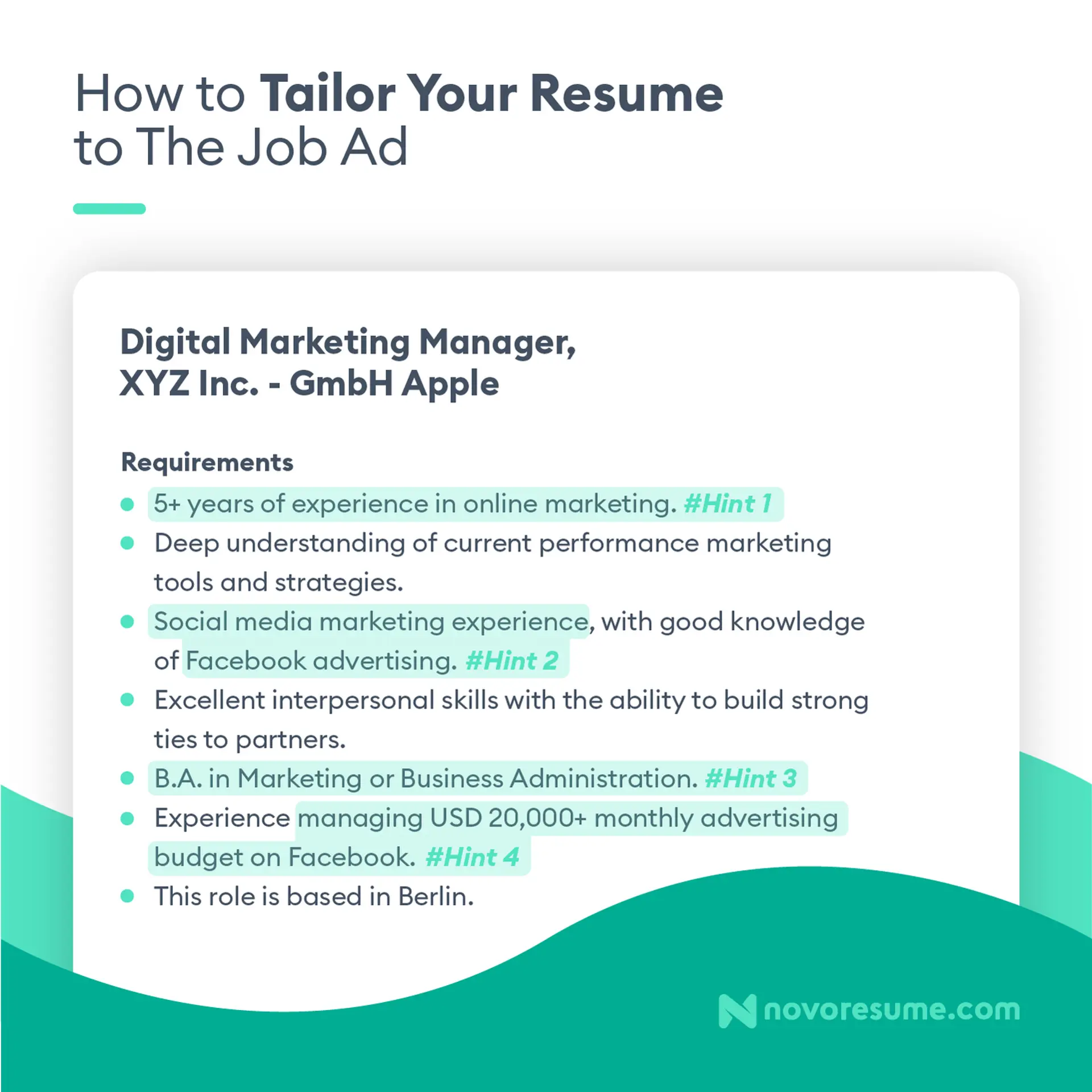
Before you start writing your resume, it's essential to do your research. Read the job announcement closely and understand the qualifications and requirements of the position you're applying for. Make a list of the key qualifications and requirements, and tailor your resume to match these qualifications. This will help you to create a focused and effective resume.
The Structure of a Successful Resume
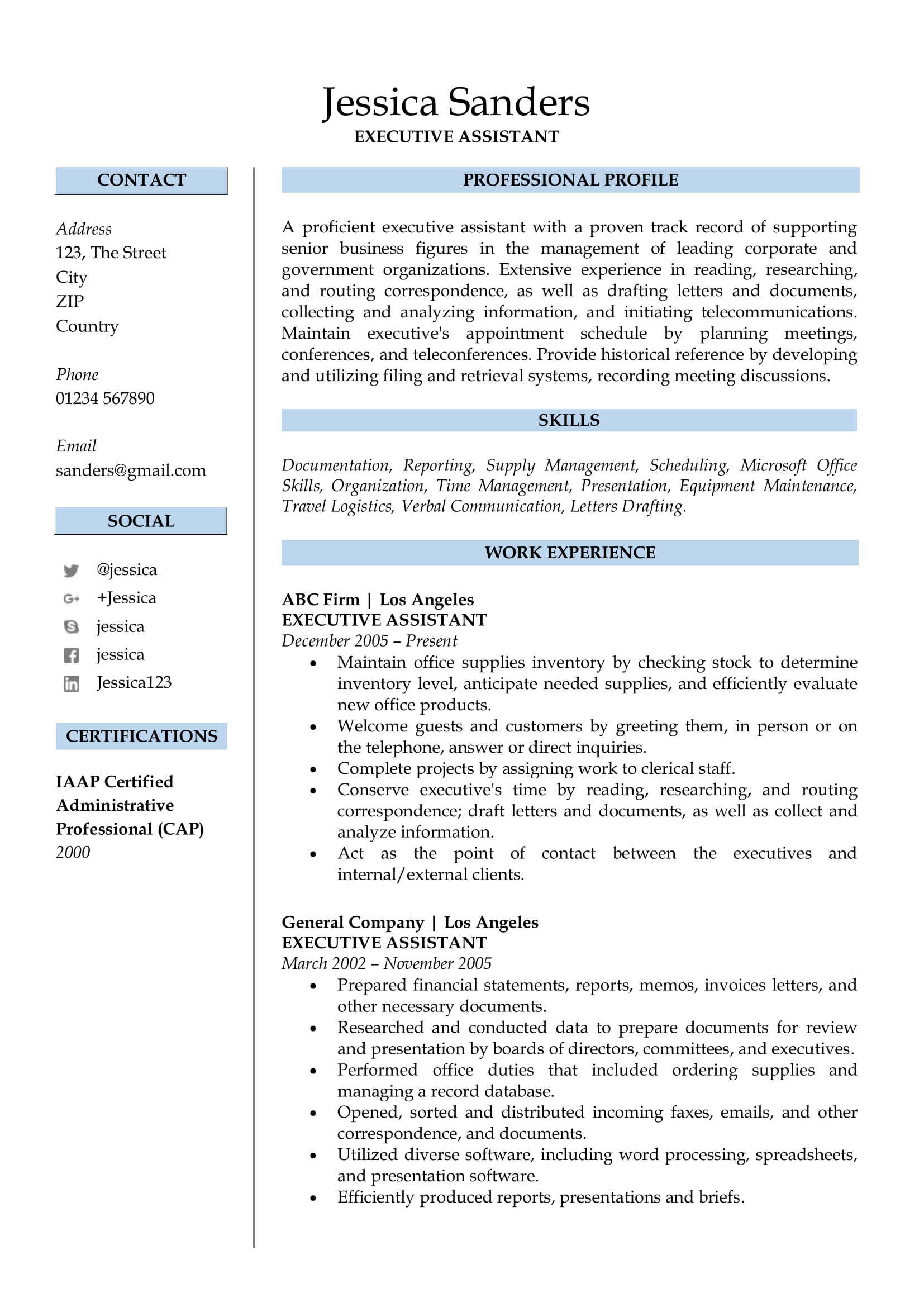
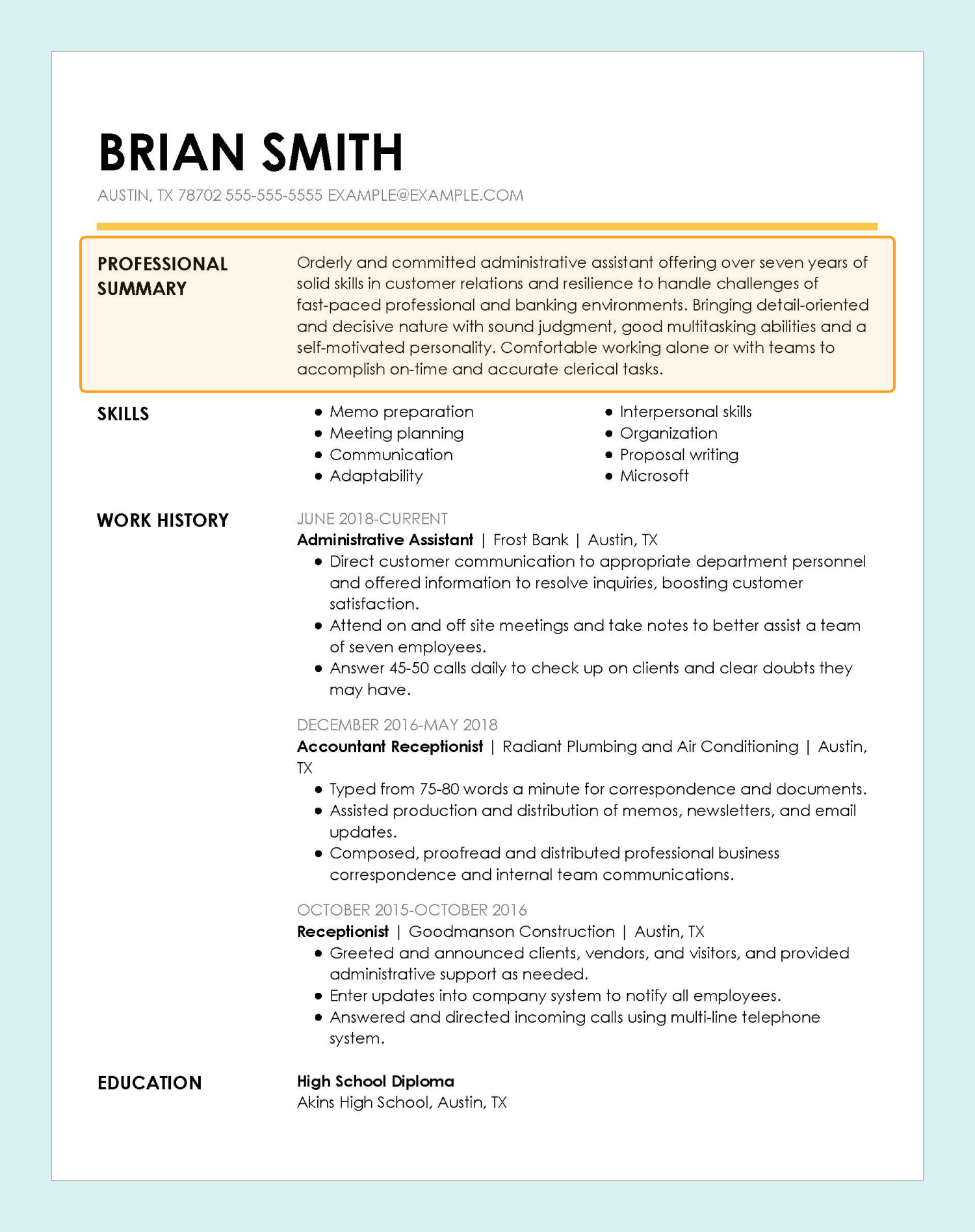
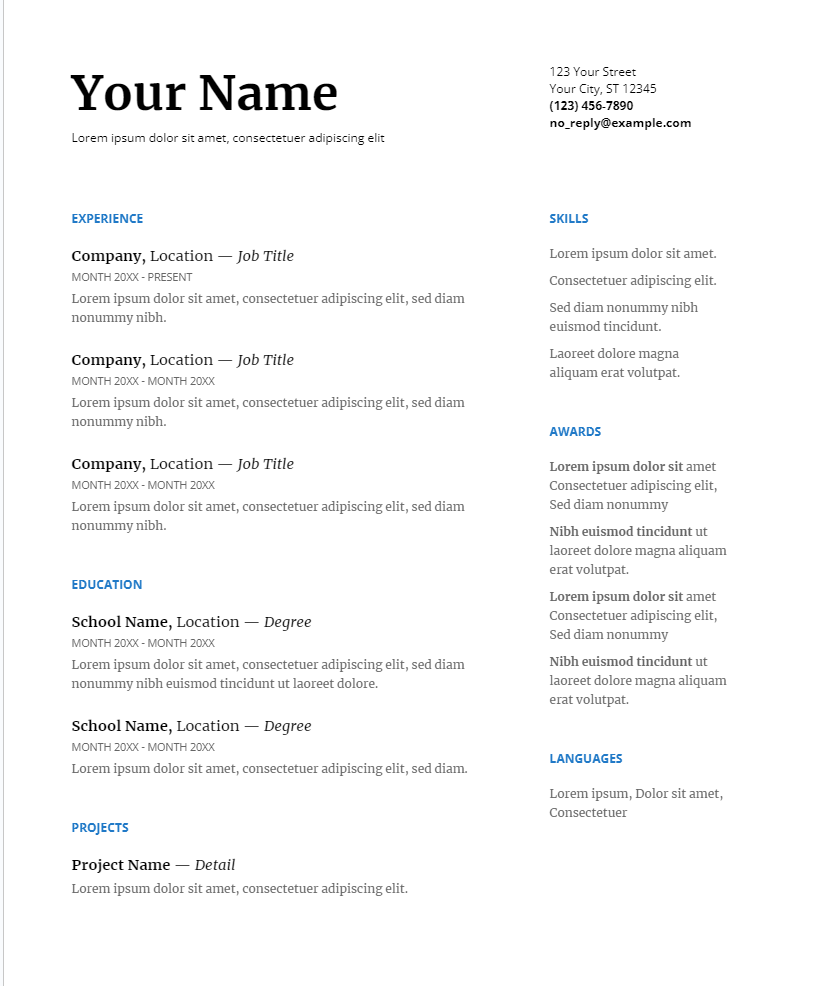
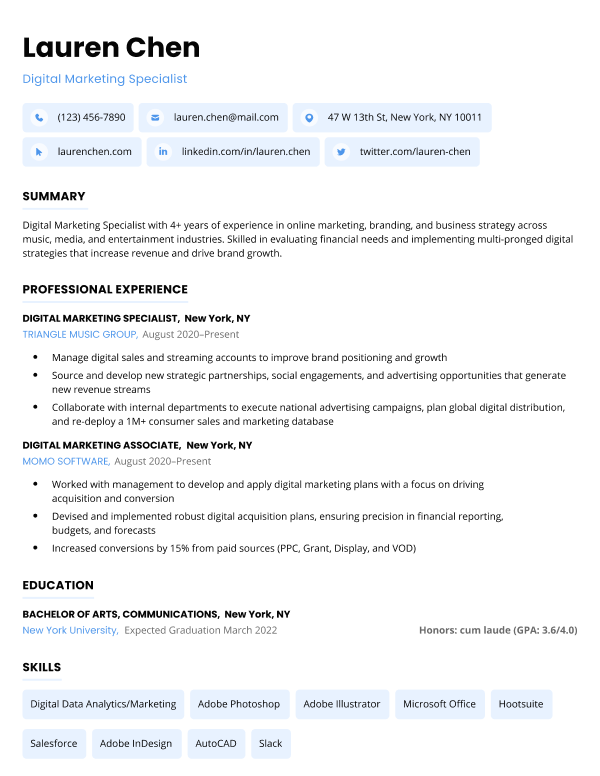
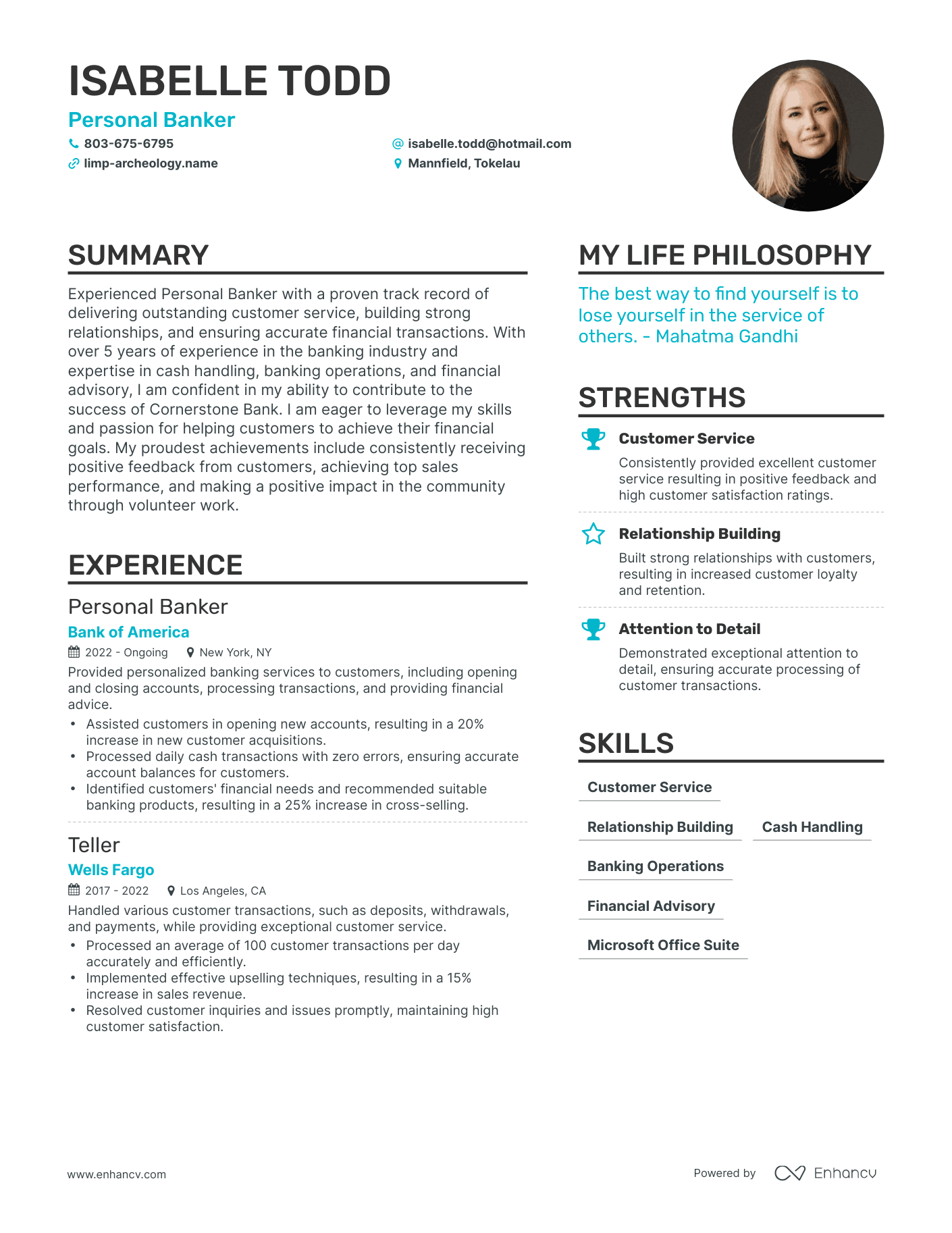
Here are the essential elements of a successful resume:
- Header section: This includes your name, address, phone number, and email address. Be sure to use a professional email address and make sure it's easy for employers to contact you.
- Summary or objective statement: This is a brief summary of your qualifications and experience. Keep it concise and tailored to the job you're applying for.
- Education section: List your highest level of education first, including your degree, institution, and date of graduation.
- Work experience section: This is a critical section of your resume, highlighting your relevant work experience and achievements.
- Skills section: This section should include a list of your skills, relevant coursework, and any certifications or licenses you hold.
Writing a Successful Work Experience Section
The work experience section is a critical part of your resume, and it should be detailed and concise. Here are some tips for writing a successful work experience section:
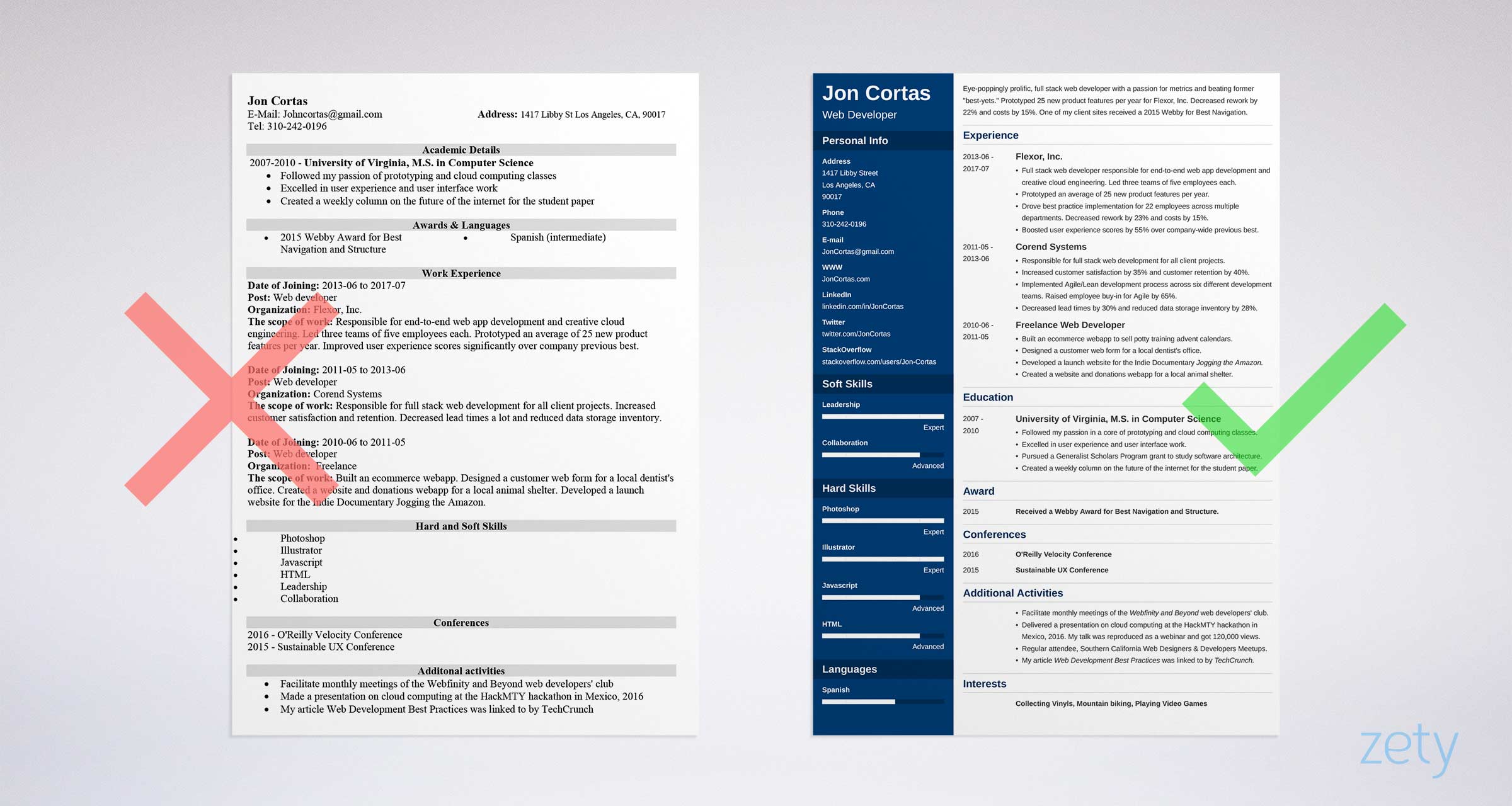
- Start with your most recent work experience.
- Be specific and provide specific examples of your achievements and responsibilities.
- Use bullet points to make your experience stand out.
- Use keywords and phrases from the job posting to describe your experience.
Highlighting Your Achievements
When including achievements in your work experience section, use specific numbers and metrics to demonstrate your impact. For example:
- Improved customer satisfaction ratings by 30% through effective customer service skills."
- Reduced production costs by 20% through process improvement initiatives."
Using Keywords and Phrases
Keywords and phrases from the job posting should be included throughout your resume, especially in your work experience and skills section. This will help your resume pass through applicant tracking systems (ATS) and catch the eye of hiring managers.
Getting Feedback and Editing
Once you've written your resume, review it multiple times and get feedback from peers and mentors. This will help you ensure that your resume is error-free and effectively communicates your qualifications and experience. Consider working with a professional resume writer or career coach to get personalized feedback and guidance.
Conclusion
Writing a successful resume is a process that requires careful planning, attention to detail, and a strategic approach. By following the steps outlined in this guide, you can create a resume that showcases your strengths, highlights your achievements, and helps you stand out in today's competitive job market. Remember to tailor your resume to the job you're applying for, use relevant keywords and phrases, and get feedback and editing to ensure that your resume is the best it can be.