Alcohol and Miscarriage Risk Factors: Understanding the Connection
Introduction
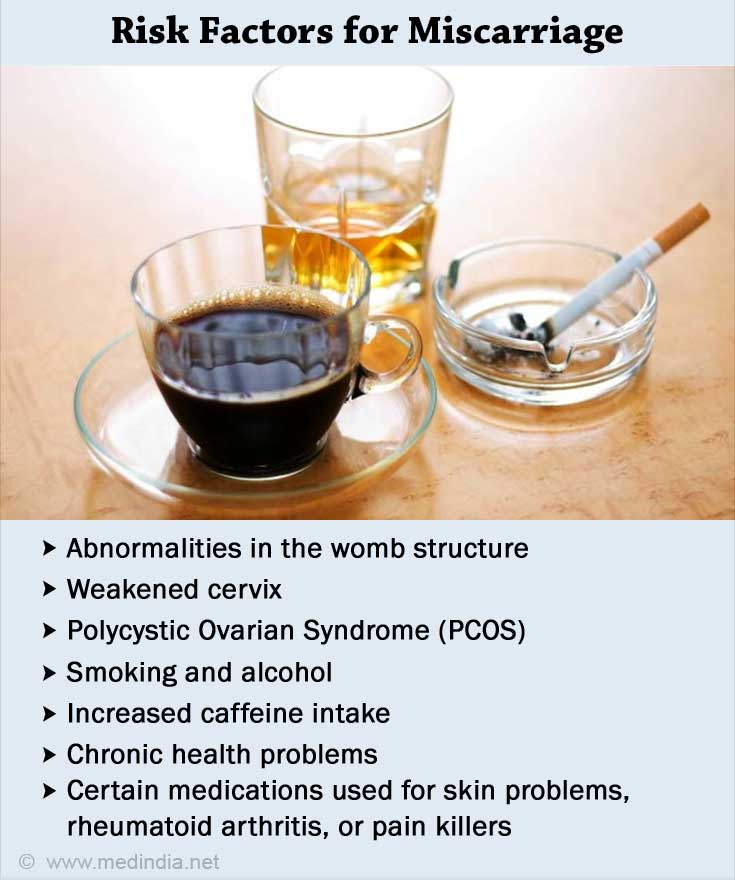
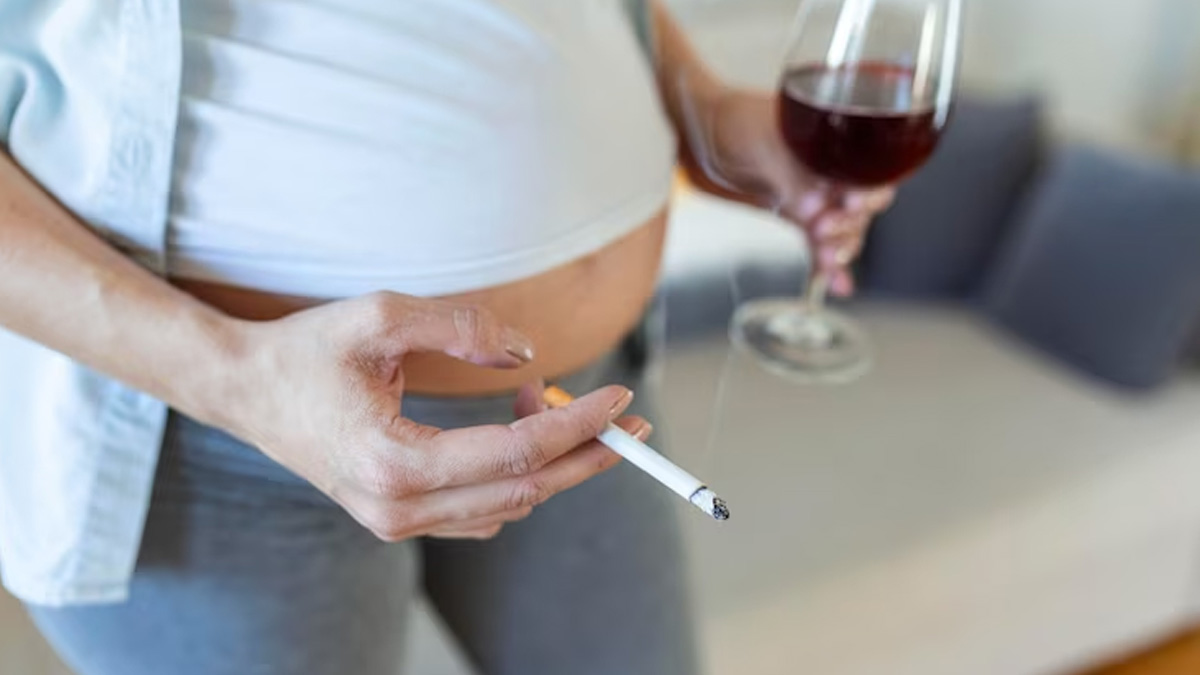
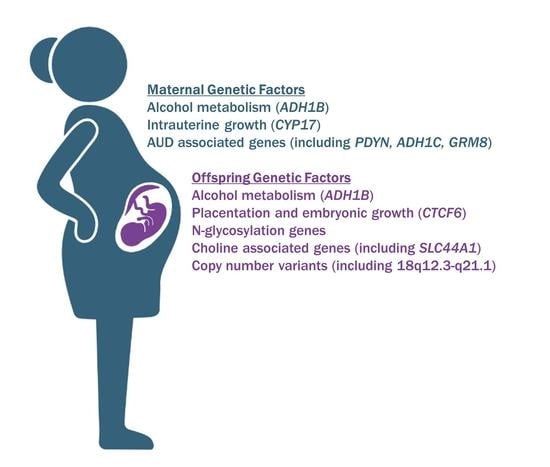
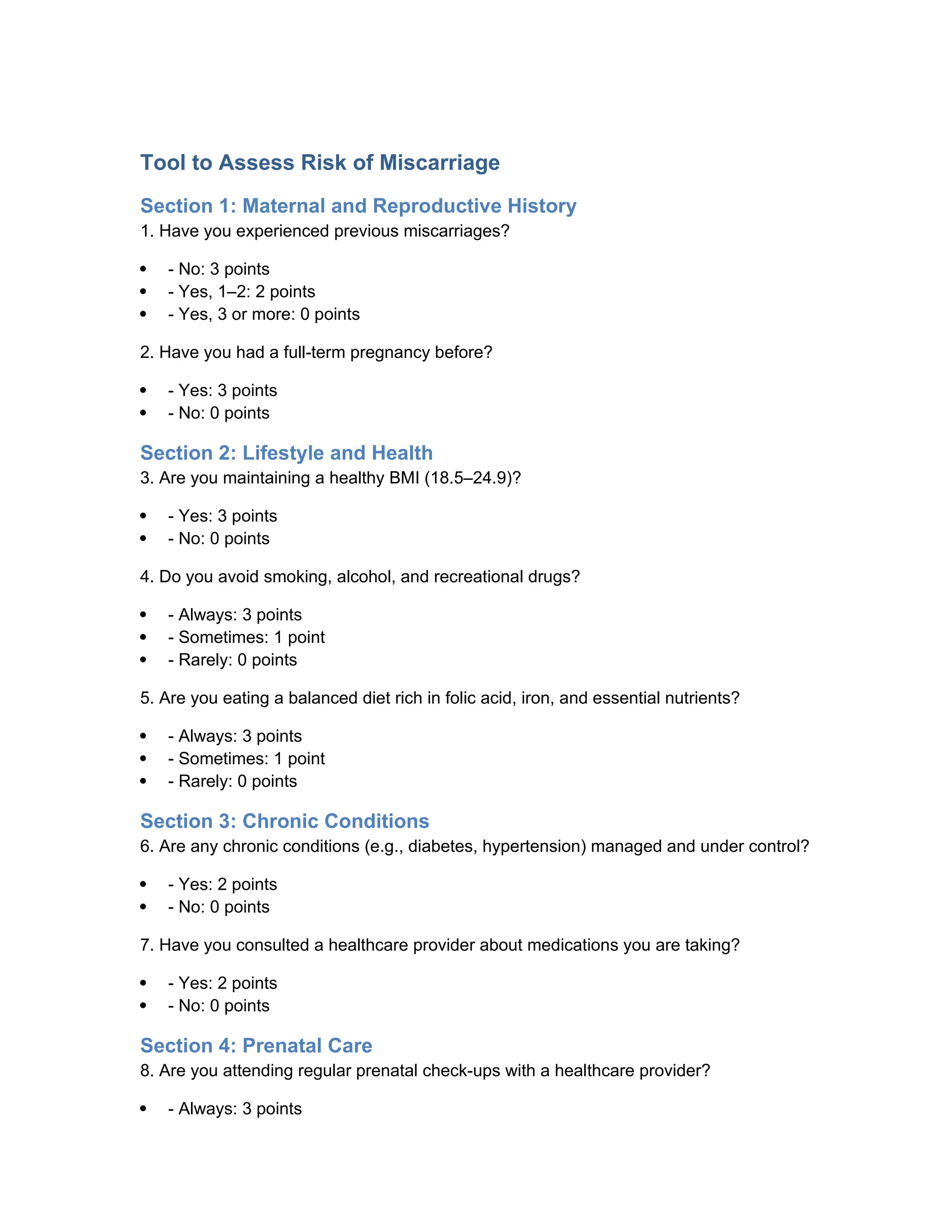
Pregnancy is a time of great joy and anticipation, but it can also be a time of worry and uncertainty. One of the many concerns for expectant mothers is the risk of miscarriage. While there are many factors that can contribute to miscarriage, alcohol consumption during pregnancy is a significant risk factor that should not be overlooked. In this article, we will explore the relationship between alcohol and miscarriage risk factors, and what expectant mothers can do to reduce their risk.The Risk of Miscarriage and Alcohol Consumption
Research has shown that alcohol consumption during pregnancy is associated with an increased risk of miscarriage, preterm birth, stillbirth, and sudden infant death syndrome (SIDS). A study published in the Journal of Maternal-Fetal & Neonatal Medicine found that women who consumed alcohol during pregnancy had a 19% greater risk of miscarriage compared to those who did not consume alcohol. Another study published in the American Journal of Obstetrics and Gynecology found that each week a woman consumes alcohol during the first five to 10 weeks of pregnancy is associated with an incremental 8% increase in risk of miscarriage.How Does Alcohol Affect Pregnancy?
Alcohol consumption during pregnancy can have severe consequences on fetal development, increasing the risk of miscarriage. The mechanism of action involves several pathways, including the disruption of normal hormone signaling, which is essential for maintaining pregnancy. Alcohol can also affect the thickness of the uterine lining, making it more susceptible to miscarriage.Lifestyle Factors and Miscarriage Risk