Staying Ahead of the Game: Avoiding Credit Card Scams Online
With the rise of online shopping and remote payments, credit card scams have become increasingly common. Scammers are finding new ways to trick unsuspecting individuals into revealing their sensitive information, and in this article, we will explore some of the most common credit card scams online and provide tips on how to avoid them.
What are Credit Card Scams?
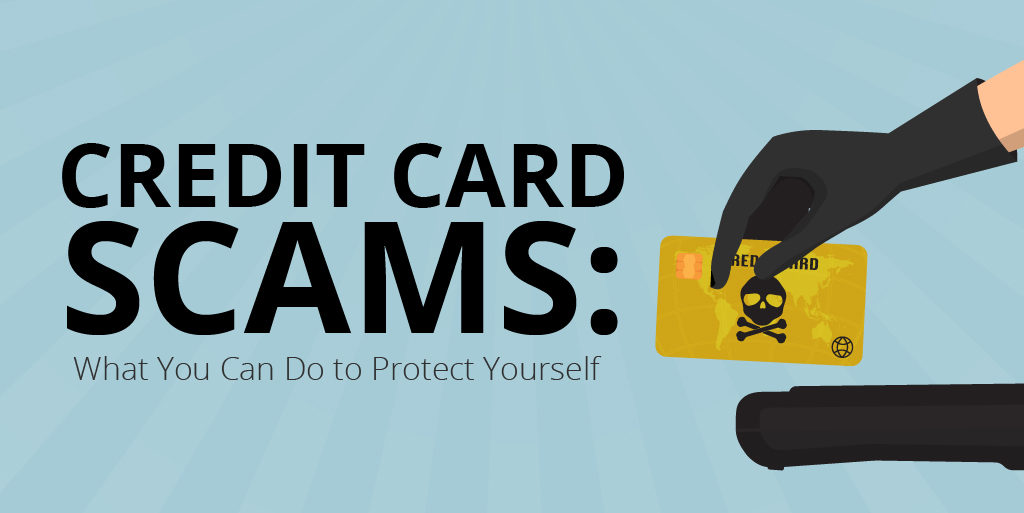
Credit card scams are a type of identity theft that occurs when someone gains access to your credit card information and uses it to charge purchases or remove funds from your account. Thieves use various methods to commit credit card fraud, including application fraud, skimming, and physical theft.
Common Credit Card Scams Online
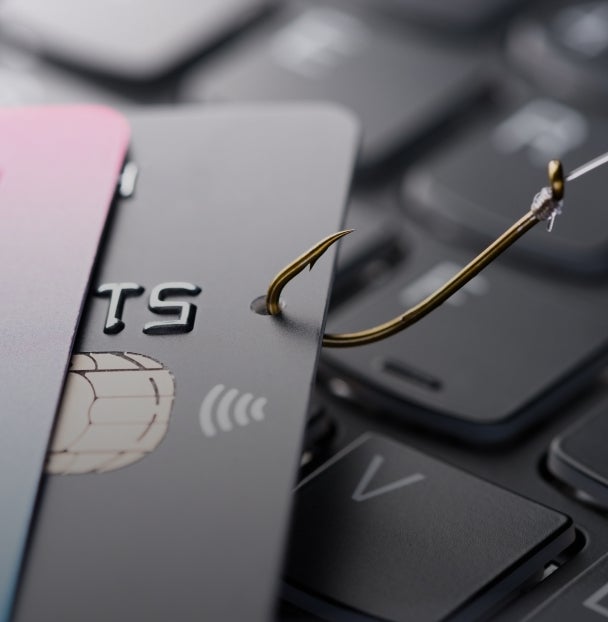
- Phishing Scams: Scammers use email or text messages to try to steal your passwords, account numbers, or Social Security numbers.
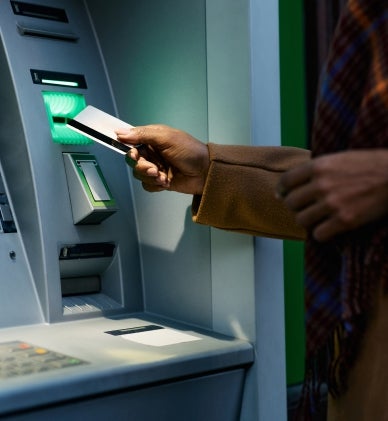
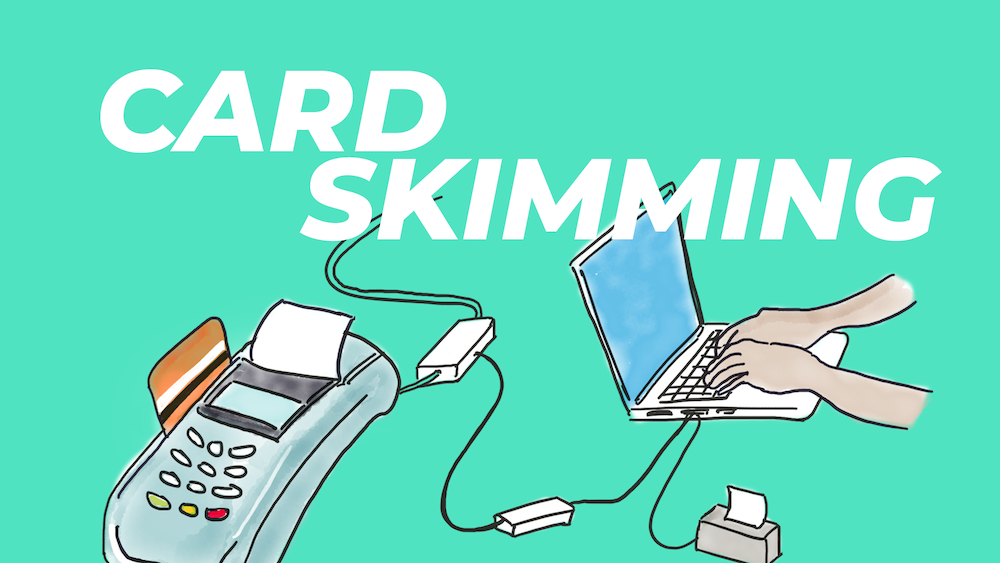
- Skimming Scams: Scammers attach credit card skimmers to ATMs or credit card machines to steal your credit card information.
- Smishing Scams: Scammers send text messages that appear to be from a legitimate source, asking you to reveal your credit card information.
- Fake Rewards Scams: Scammers promise rewards or credit card offers that are too good to be true.
- Charity Scams: Scammers pose as representatives of legitimate charities and ask for donations, often using your credit card information.
- Prepaid Card Scams: Scammers offer prepaid credit cards that can be used for online transactions.
Preventing Credit Card Scams Online
While it's impossible to completely eliminate the risk of credit card scams online, there are several steps you can take to minimize your risk:
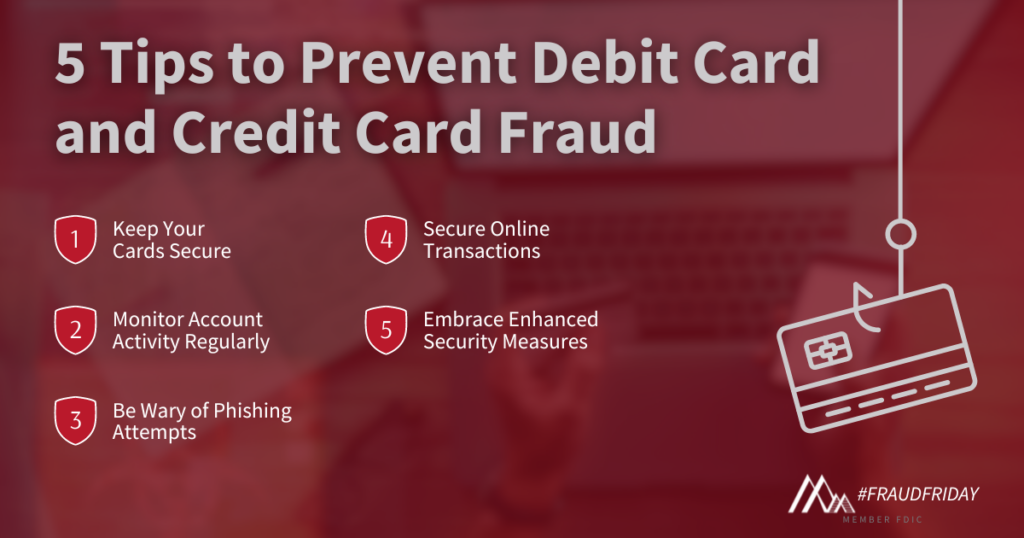
- Monitor your credit card accounts regularly for suspicious activity.
- Develop safe online habits, such as using strong passwords and enabling two-factor authentication.
- Be cautious of emails or text messages that ask for sensitive information, even if they appear to be from a legitimate source.
- Only use credit cards with robust security features, such as chip technology or secure payment tokens.
- Keep your credit card information secure by not storing it on websites or sharing it with unauthorized parties.
- Use a credit card with zero-liability protection in case of unauthorized transactions.
What to Do if You Fall Victim to a Credit Card Scam
If you suspect that you have fallen victim to a credit card scam, there are several steps you can take to mitigate the damage:
- Report the incident to your credit card issuer immediately.
- Freeze your credit card account to prevent further unauthorized transactions.
- Monitor your credit card statements closely for any suspicious activity.
- File a report with the Federal Trade Commission (FTC) and your local authorities.
- Consider consulting a credit counselor or financial advisor for guidance on managing your credit card debt.
Staying Safe Online
Staying safe online requires a combination of knowledge, caution, and vigilance. By being aware of the common credit card scams online and taking the necessary precautions, you can minimize your risk of falling victim to these scams.
Remember, it's always better to be safe than sorry. If a deal seems too good to be true or a request seems suspicious, trust your instincts and take action to protect yourself.
Conclusion
Avoiding credit card scams online requires a proactive approach. By staying informed, being cautious, and taking the necessary precautions, you can minimize your risk of falling victim to these scams. Remember, your credit card information is your most valuable asset – protect it at all costs.