Can I Overdose on Melatonin? A Comprehensive Guide to Melatonin Overdose
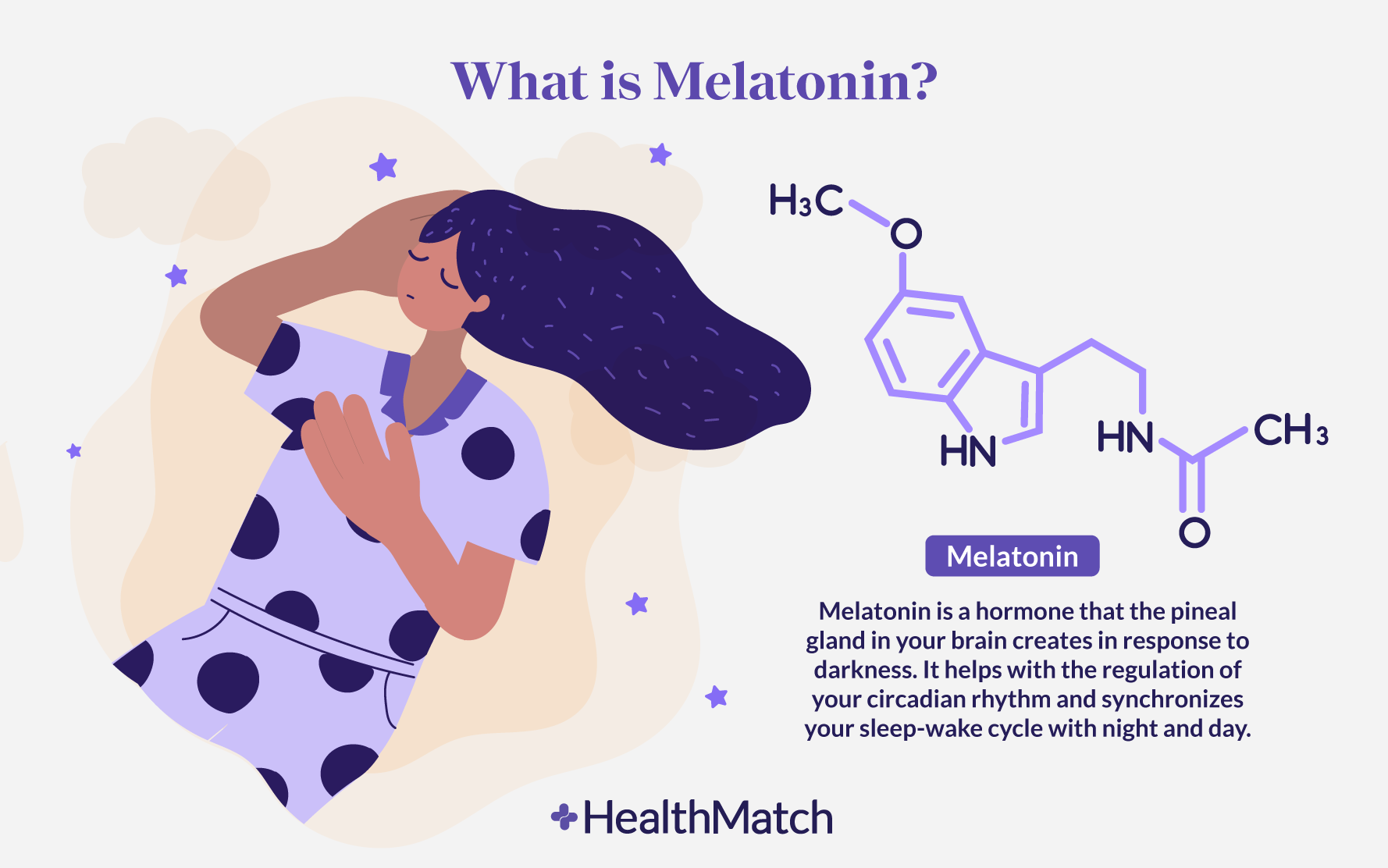
Melatonin is a hormone that your body naturally produces to help regulate your sleep-wake cycle. It is also available over-the-counter as a dietary supplement. While melatonin is generally safe, taking too much of it can cause unpleasant side effects, and in rare cases, lead to an overdose.
The Risks of Melatonin Overdose
Melatonin overdose is rare, especially in adults, but it can still occur. Children, however, are more susceptible to melatonin overdose due to their smaller body weight and developing brains. Taking too much melatonin can cause a range of symptoms, including:
- Drowsiness and excessive sleepiness
- Dizziness and lightheadedness
- Headaches and migraines
- Mood swings and irritability
- Vomiting and stomach upset
- Low blood pressure and rapid heartbeat
- Hypothermia (abnormally low body temperature)
Symptoms of Melatonin Overdose
If you take too much melatonin, you may experience some of the following symptoms:
- Feeling extremely sleepy or drowsy
- Difficulty staying awake or staying alert
- Blurred vision or dizziness
- Stomach pain or nausea
- Headache or migraine
- Confusion or disorientation
- Low blood pressure or rapid heartbeat
What Can Cause a Melatonin Overdose?
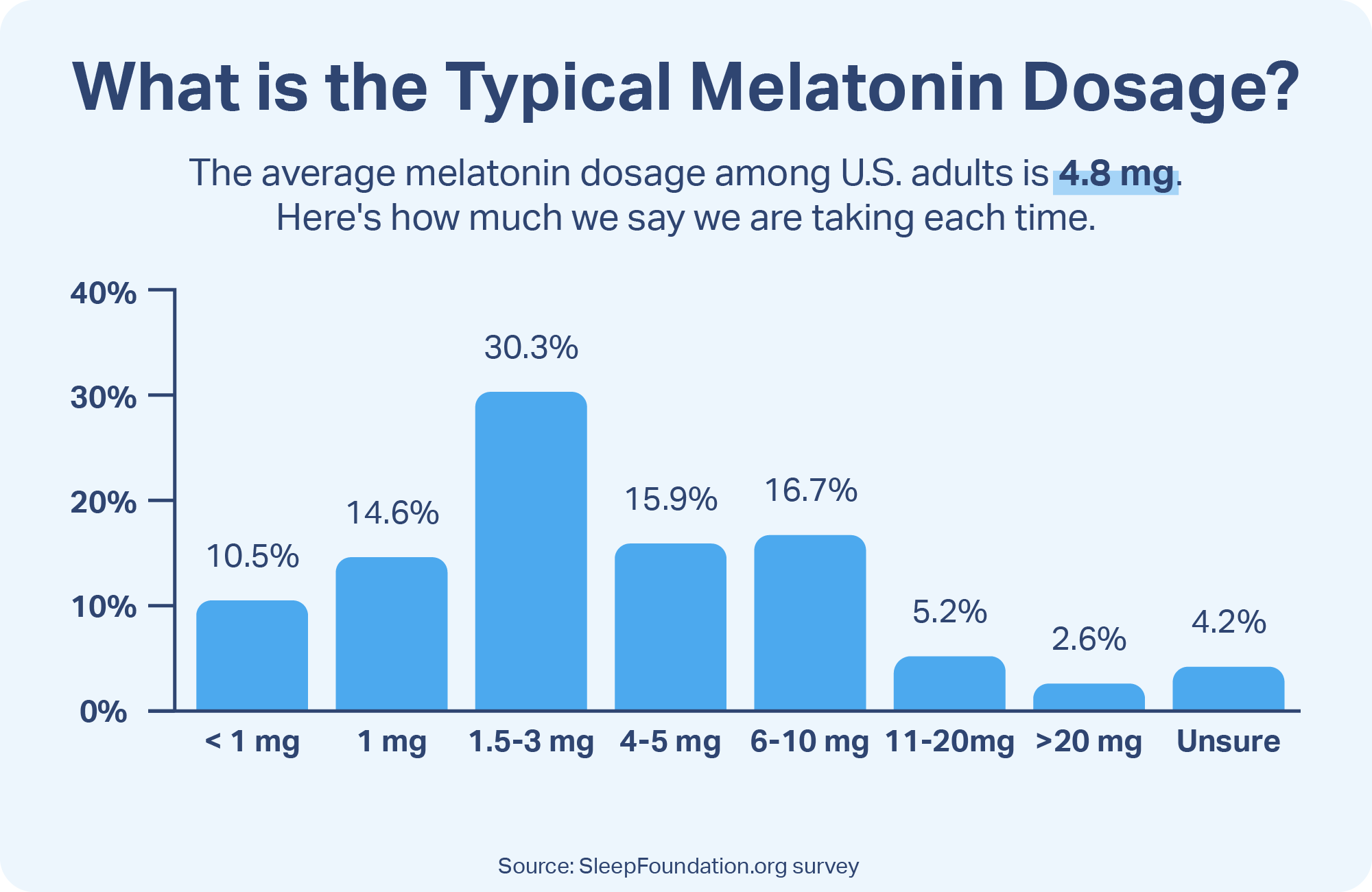
A melatonin overdose can occur if you take more than the recommended dose, which is typically between 0.5 to 5 mg per day for adults. However, taking high doses of melatonin for an extended period can also increase the risk of an overdose.
Preventing Melatonin Overdose
To avoid taking too much melatonin, it is essential to follow the recommended dosage and guidelines provided by your healthcare provider or the supplement label. Here are some additional tips to prevent melatonin overdose:
- Start with a low dose and gradually increase as needed
- Consult with a healthcare professional before taking melatonin, especially if you have a medical condition or take other medications
- Monitor your body's response to melatonin and adjust your dose accordingly
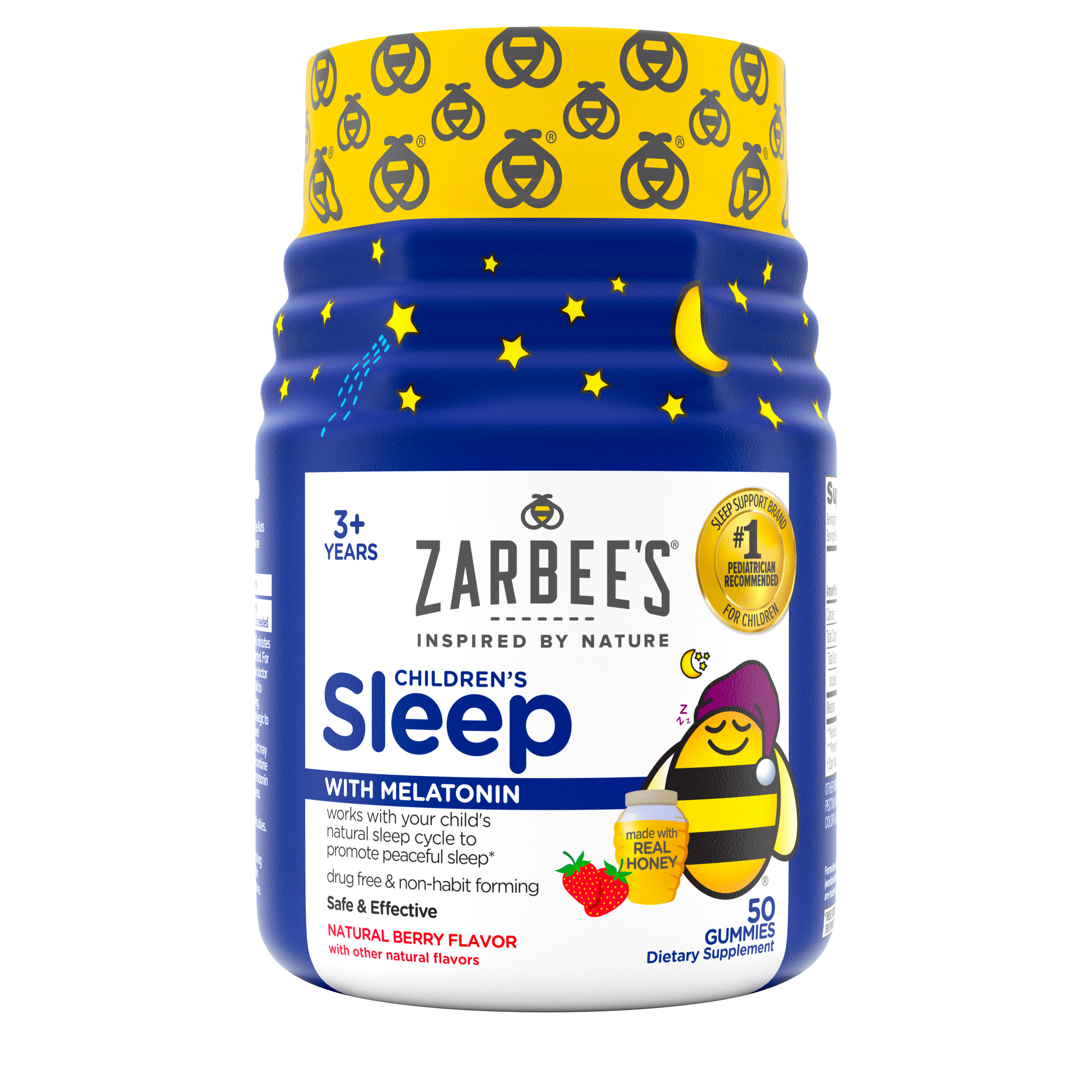
- Store melatonin supplements safely and out of reach of children
- Do not take melatonin with other sleep aids or sedatives, as this can increase the risk of an overdose
What to Do if You Suspect a Melatonin Overdose
If you or someone you know has taken too much melatonin, it is essential to seek medical attention immediately. Call your local poison control center or emergency services if you experience any severe symptoms, such as:
- Difficulty breathing
- Severe dizziness or loss of consciousness
- Abnormal heart rate or palpitations
- Confusion or disorientation
- Abnormal body temperature
Conclusion
Melatonin can be a helpful supplement for those struggling with sleep, but taking too much can lead to an overdose. By following the recommended dosage and guidelines, being aware of the potential side effects, and taking necessary precautions, you can minimize the risk of a melatonin overdose.