Corian Countertops Pros and Cons: A Comprehensive Analysis
When it comes to choosing the ideal material for your kitchen or bathroom countertops, there are numerous options available in the market. One popular choice is Corian countertops, which have been gaining traction due to their affordability, durability, and aesthetic appeal. However, like any other material, Corian countertops also have their drawbacks. In this article, we will dive into the pros and cons of Corian countertops, helping you make an informed decision for your home renovation project.
What are Corian Countertops?
Corian is a brand name for a solid surface countertop invented by DuPont in 1967. The countertops are made of a material derived from a blend of acrylic polymer and bauxite, resulting in a unique combination of durability and style. Corian countertops are available in a wide range of colors and patterns, making them a versatile option for any kitchen or bathroom.
Corian Countertops Pros
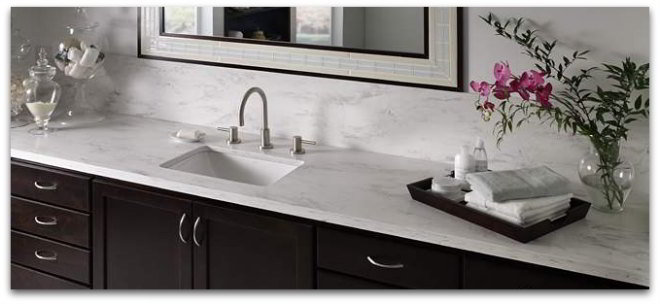
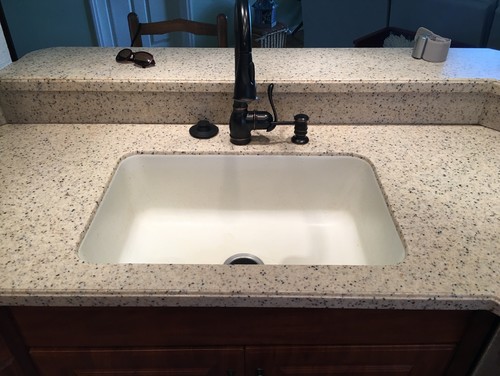
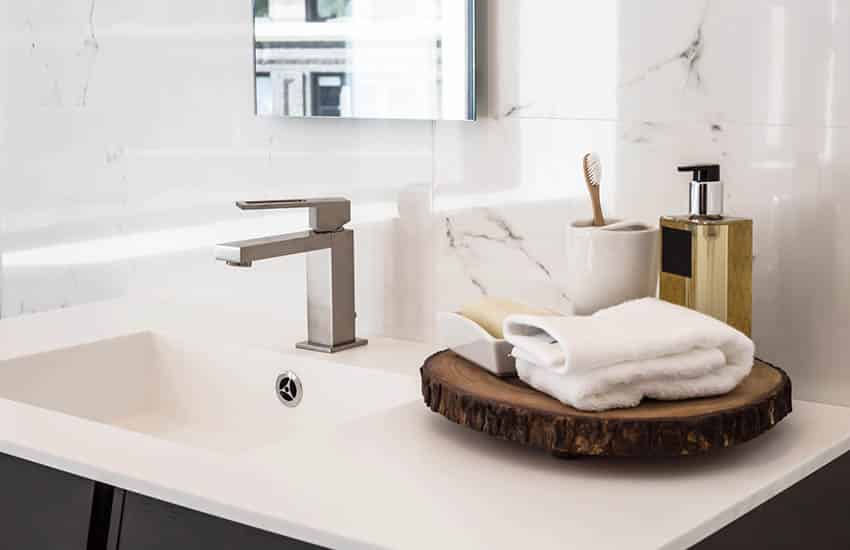
- Seamless Integration: Corian countertops are crafted from a solid surface material, resulting in a seamless, almost invisible integration of sinks and backsplashes.
- Easy Maintenance: Corian countertops are non-porous and resistant to stains, making them easy to clean and maintain.
- Mold and Insect Resistance: Corian countertops are resistant to mold and insect damage, making them an ideal choice for bathrooms and kitchens.
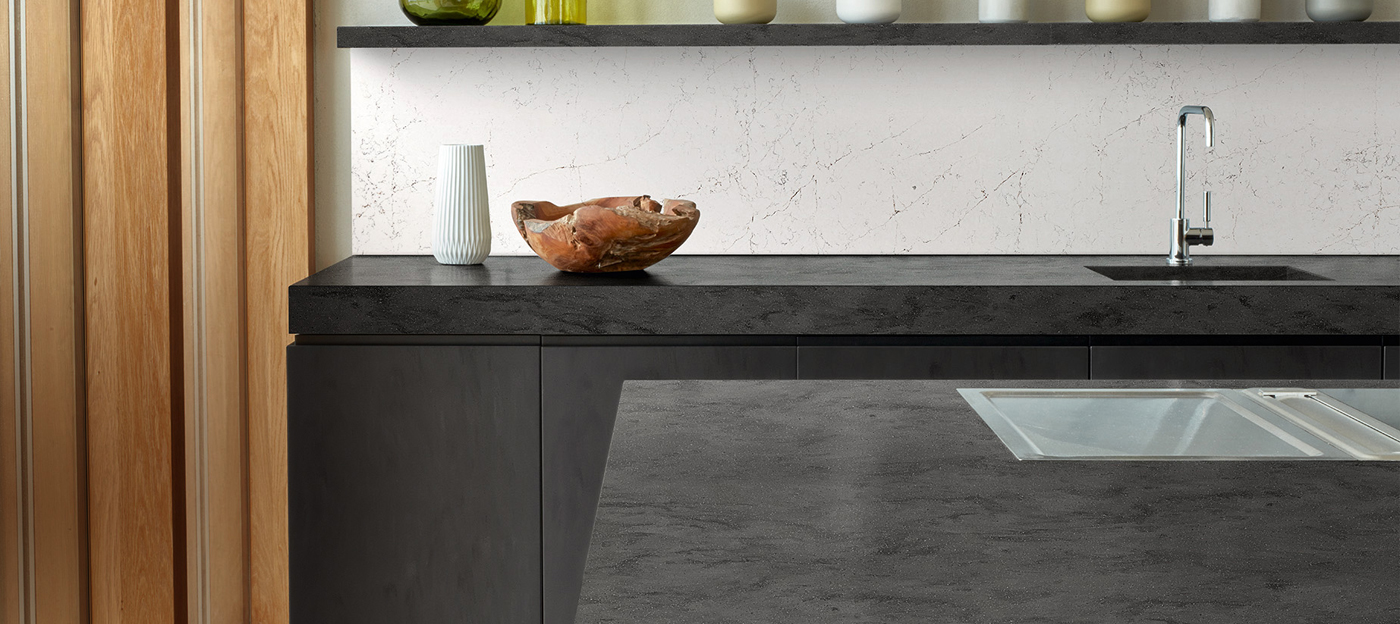
- Customizable: Corian countertops can be formed into complex shapes or molds, making them a great option for unique kitchen designs.
- Cost-Effective: Compared to other solid surface materials, Corian countertops are relatively affordable.
- Heat Resistance: Corian countertops can withstand heat up to 300° F, making them suitable for kitchens with ovens or stoves.
- Scratch Resistance: Corian countertops are resistant to scratches and chips, making them a durable option for high-traffic areas.
Corian Countertops Cons

- Heat Damage: While Corian countertops can withstand heat, they can still be damaged if exposed to heat above 300° F for an extended period.
- Scratches: While Corian countertops are resistant to scratches, they can still be damaged if subjected to abrasive cleaning products or sharp objects.
- Color Fading: Corian countertops can fade over time, especially if exposed to direct sunlight.
- Repair Costs: While Corian countertops can be repaired, the costs can be high, especially if the damage is extensive.
- Environmental Concerns: Corian countertops are made from a non-renewable resource, bauxite, which can have environmental implications.
Comparing Corian Countertops with Other Materials
Corian countertops are often compared to other popular materials, such as granite, quartz, and solid surface materials. While each material has its unique benefits and drawbacks, Corian countertops offer a unique combination of style, durability, and affordability.
Conclusion
Corian countertops are a popular choice for kitchens and bathrooms due to their unique combination of style, durability, and affordability. While they have their pros and cons, Corian countertops offer a seamless and easy-to-maintain surface that is perfect for high-traffic areas. With their customizable options and wide range of colors, Corian countertops are a great option for any home renovation project. However, it is essential to weigh the pros and cons and consider your specific needs before making a decision.
By understanding the advantages and disadvantages of Corian countertops, you can make an informed decision for your home renovation project. Whether you're looking for a stylish and durable option or a cost-effective solution, Corian countertops are definitely worth considering.