Digital Amnesia: The Forgotten Memory of the Digital Age
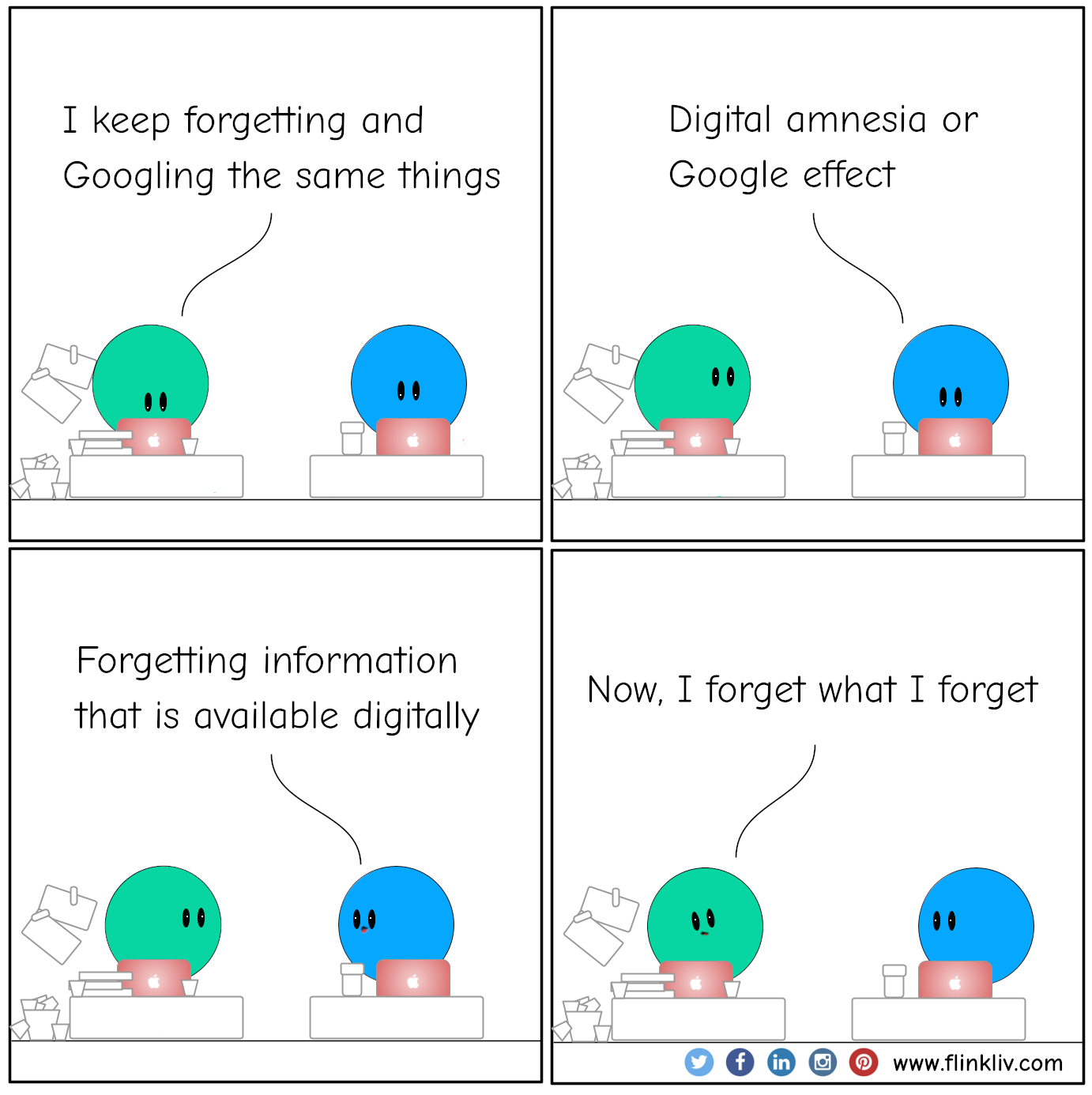
The advent of digital technology has revolutionized the way we access and store information. With just a few clicks, we can retrieve vast amounts of data from the internet, our smartphones, and other digital devices. However, this ease of access has also led to a phenomenon known as digital amnesia, where people struggle to remember information that is readily available through digital means.
What is Digital Amnesia?
Digital amnesia refers to the tendency to forget information that is stored and easily accessible through digital devices. This phenomenon has been popularized by cybersecurity firm Kaspersky Lab, which conducted a study in 2015 to analyze how digital devices and the internet affect the way people recall and use information. The study found that 91% of respondents relied on their devices as an extension of their brains, and nearly 70% couldn't recall their children's phone numbers without checking their phones.
The Rise of Digital Amnesia
The rise of digital amnesia can be attributed to several factors, including the increasing reliance on technology for information storage and retrieval. With the proliferation of smartphones, laptops, and other digital devices, people have become accustomed to storing information digitally rather than committing it to memory. This has led to a weakening of memory capacity, as people rely on devices to remember important information.
The Consequences of Digital Amnesia
The consequences of digital amnesia are far-reaching and have significant impacts on individuals and society as a whole. For instance, the loss of memory can lead to difficulties in recall, decision-making, and problem-solving. Moreover, the reliance on technology for information storage and retrieval can have negative effects on cognitive functions, particularly memory, and can lead to the erasure of unique voices and histories.
Causes of Digital Amnesia
Several factors contribute to the development of digital amnesia, including:

- The Google Effect: The ease of access to information through search engines like Google has led to a decrease in the amount of information stored in our memories.
- Smartphone Addiction: The increasing reliance on smartphones for information storage and retrieval has led to a decrease in memory capacity.
- Digital Obsolescence: The rapid pace of technological change has led to the loss of information due to outdated technology required to retrieve it.
Symptoms of Digital Amnesia
The symptoms of digital amnesia include:
- Difficulty in Recall: People struggle to recall important information, such as phone numbers, dates, and appointments.
- Dependence on Technology: People rely heavily on technology to retrieve information, leading to a decrease in memory capacity.
- Memory Loss: The loss of memories, including facts, information, and experiences.
Prevention and Treatment of Digital Amnesia
While digital amnesia is a significant concern, there are steps that can be taken to prevent and treat it. These include:
- Practice Active Recall: Regularly recall information from memory to strengthen it.
- Use Memory Techniques: Use techniques like the Memory Palace and Active Recall to improve retention and boost mental performance.
- Limit Digital Use: Establish boundaries around digital use to reduce dependence on technology.
Conclusion
Digital amnesia is a growing concern that has significant implications for individuals and society. By understanding the causes, symptoms, and consequences of digital amnesia, we can take steps to prevent and treat it. By adopting healthy habits and limiting our reliance on technology, we can strengthen our memory capacity and improve our overall cognitive functions.