How to Protect Personal Information: A Comprehensive Guide
With the rise of technology and digital communication, our personal information is more vulnerable to threats than ever before. From identity theft to medical identity theft, the consequences of data breaches can be devastating. In this article, we will explore the importance of protecting personal information and provide you with practical tips on how to safeguard your sensitive data.
Why Protect Personal Information?
Protecting personal information is crucial in today's digital age. Every time you provide your personal details online, you risk exposing yourself to potential threats. Your personal data can be used for identity theft, medical identity theft, or even to manipulate and humiliate you on social media. Moreover, failing to protect your personal information can lead to costly consequences, including financial loss and damage to your reputation.
Types of Personal Information That Need Protection
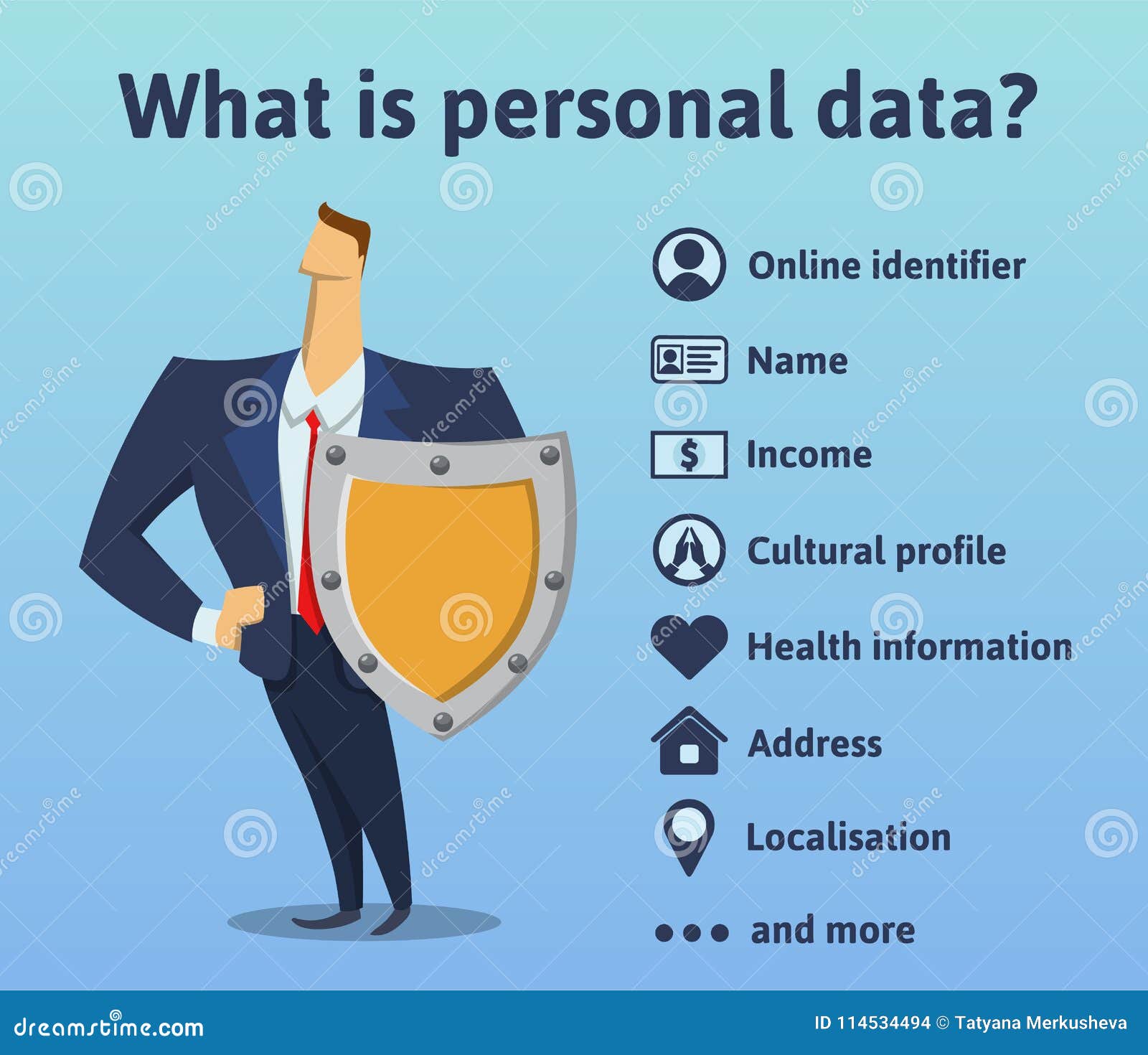
There are several types of personal information that require protection, including:
- Financial information, such as bank account numbers and credit card details
- Personally identifiable information (PII), such as name, address, date of birth, and social security number
- Medical information, including medical records and health insurance details
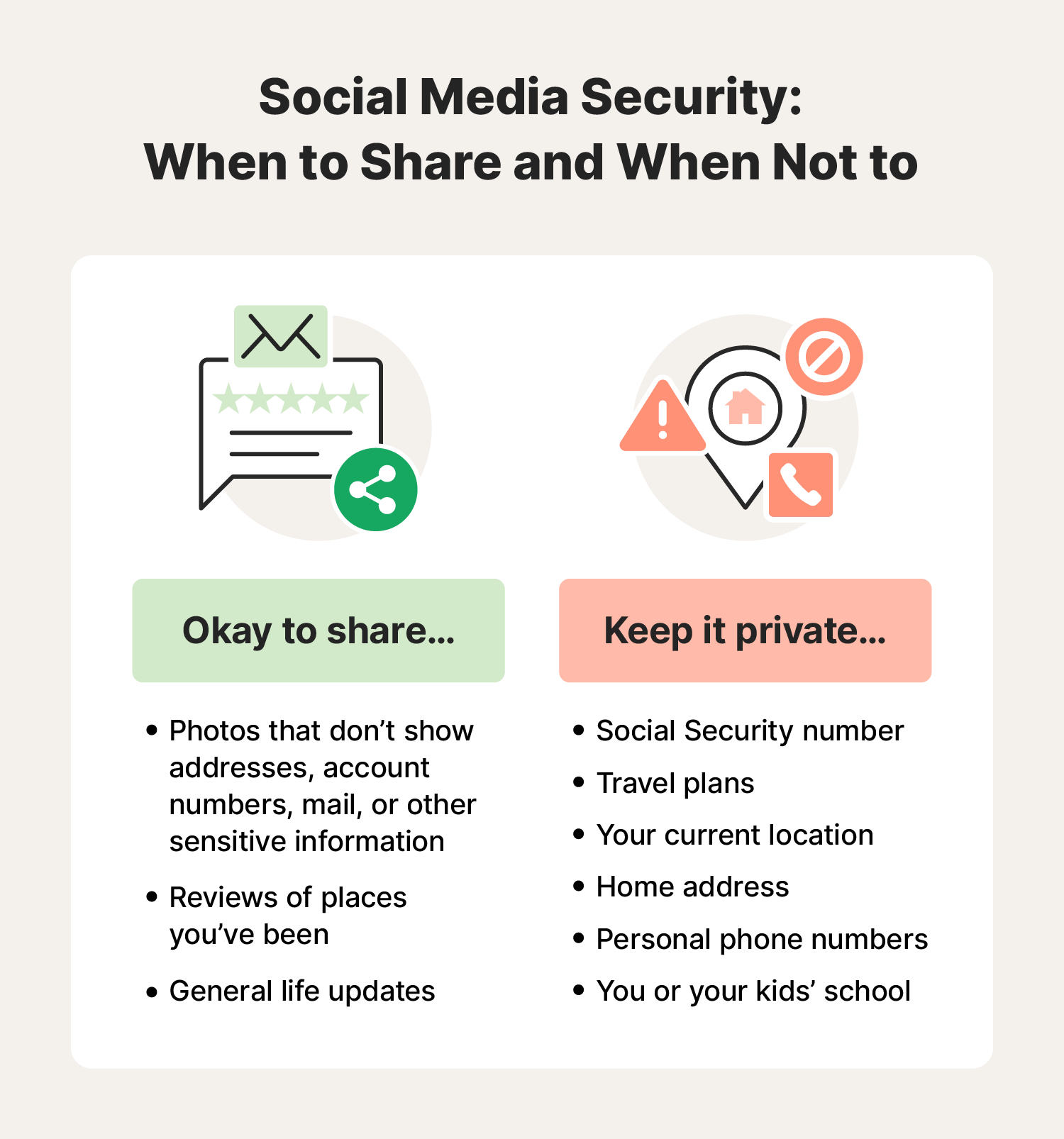
- Social media profiles and online activities
- Other sensitive information, such as passport details and driver's license numbers
Ways to Protect Personal Information
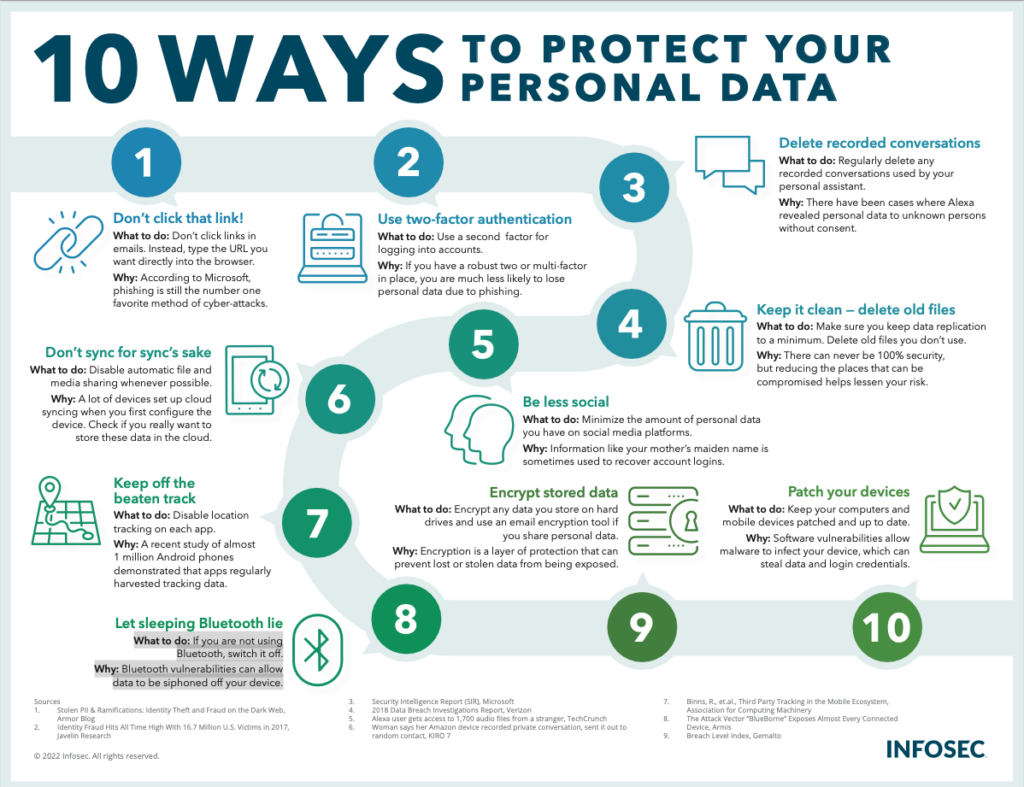
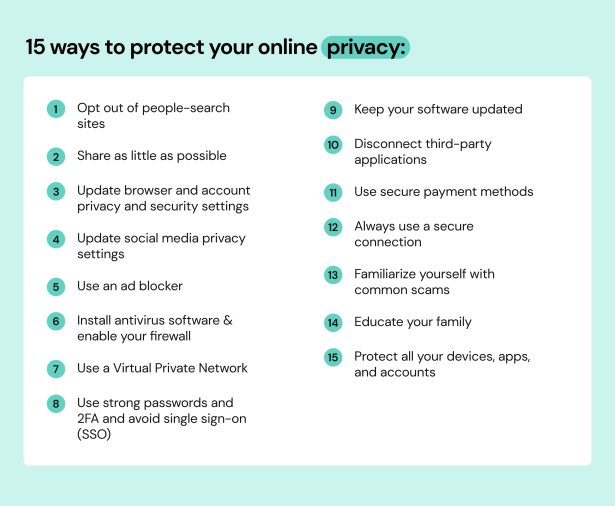
Protecting personal information requires a combination of awareness, caution, and technology. Here are some practical tips to help you safeguard your sensitive data:
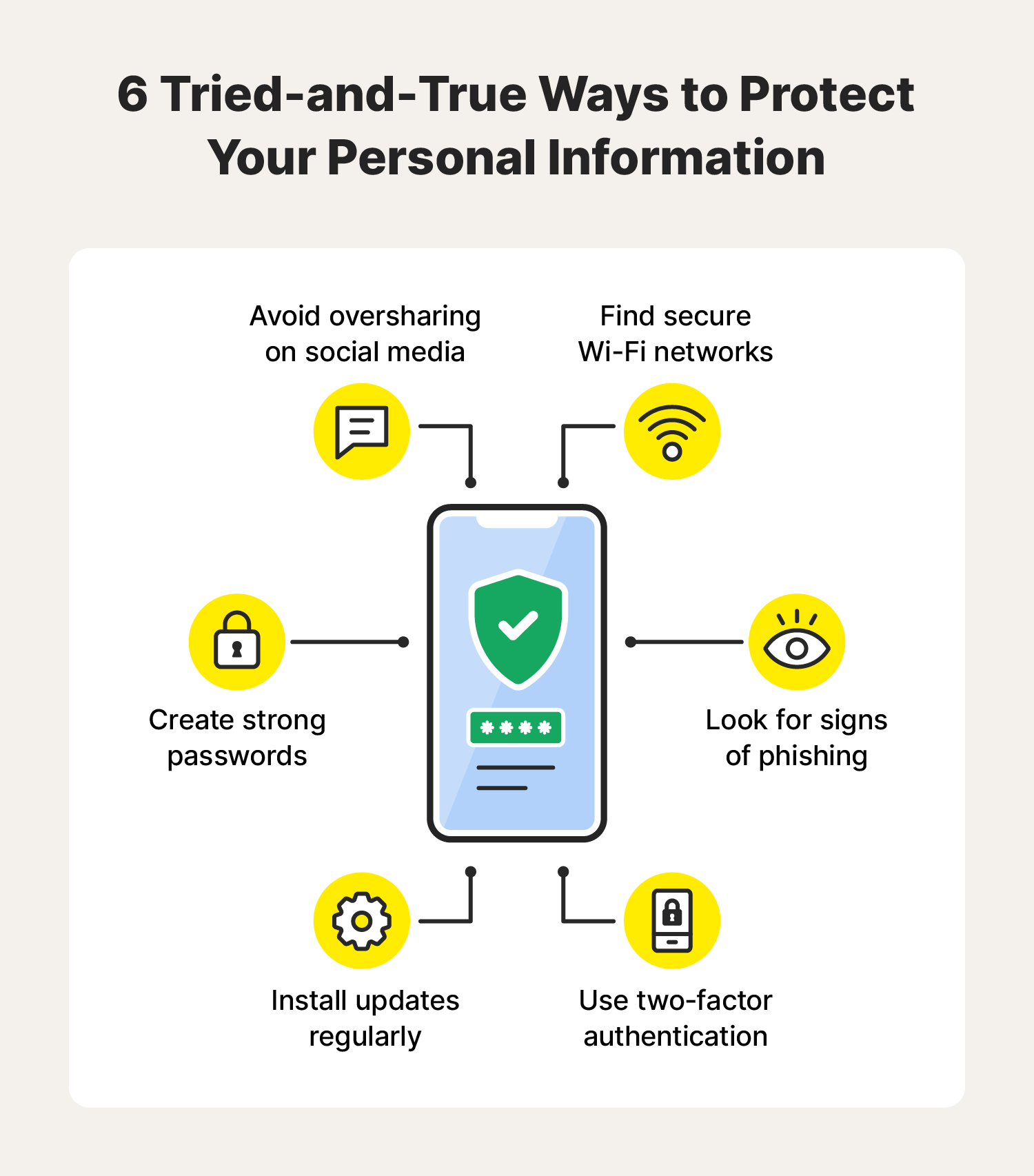
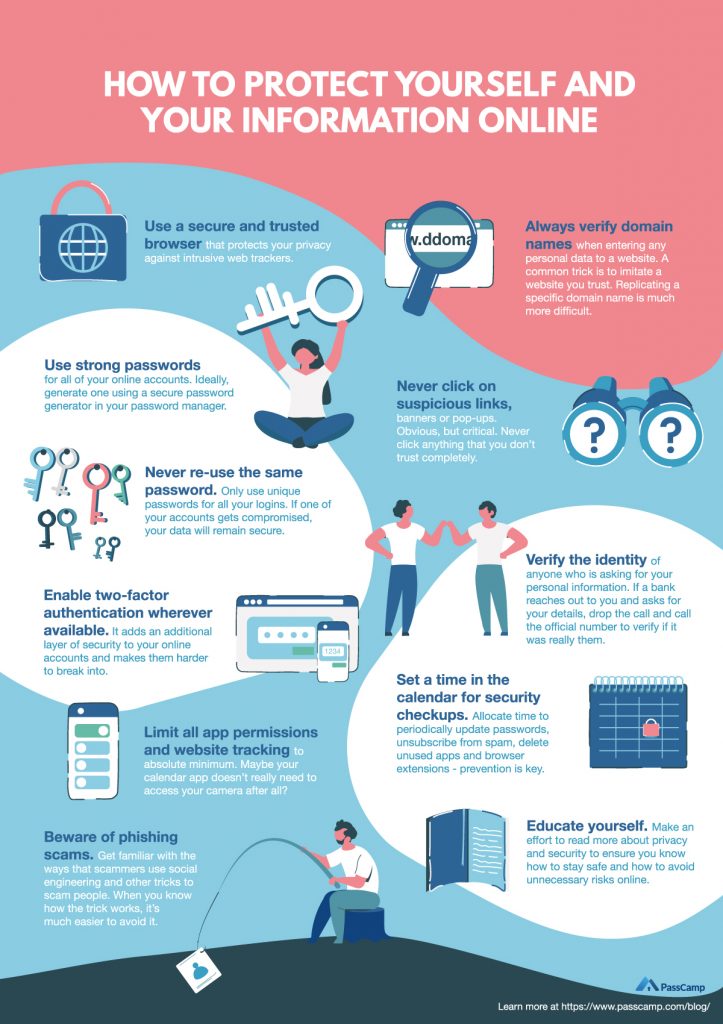
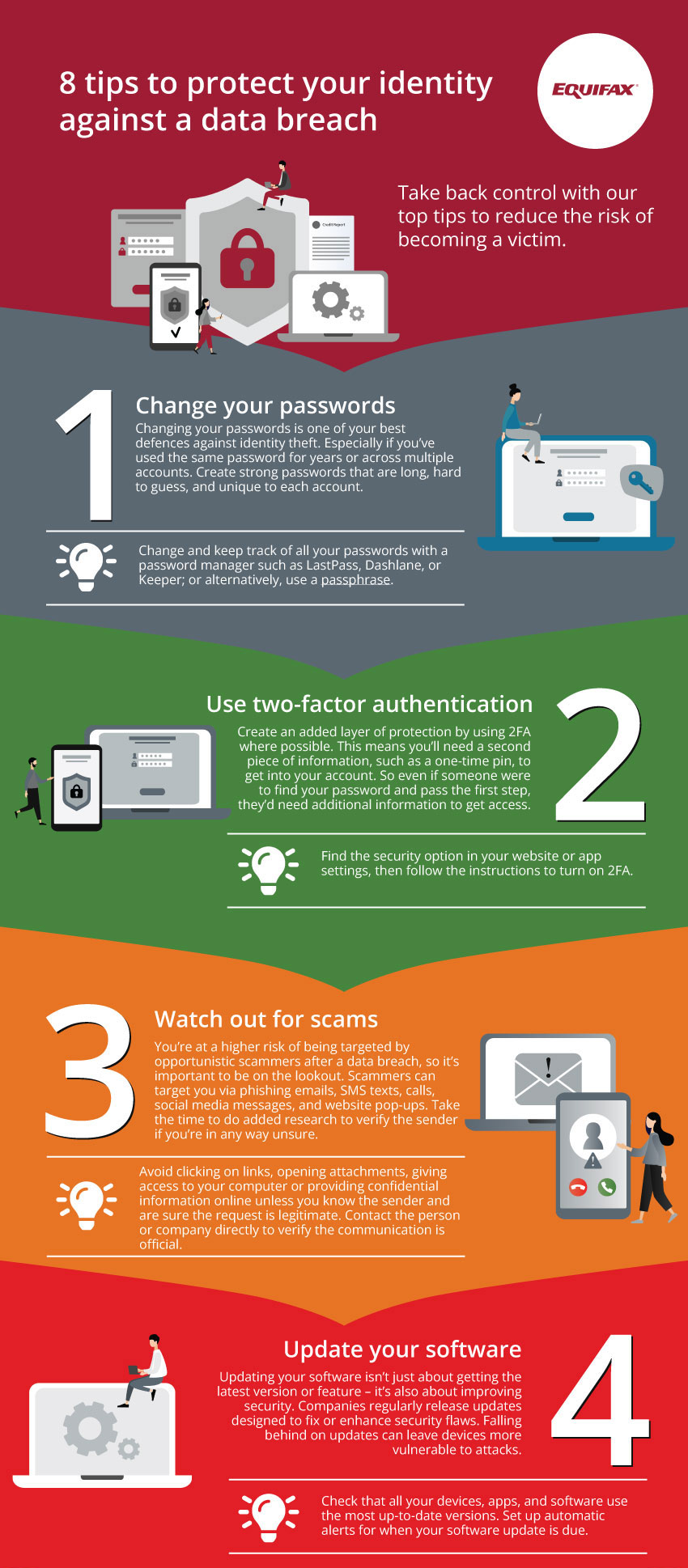
1. Use Strong Authentication Methods
Use strong passwords, two-factor authentication, and biometric authentication to prevent unauthorized access to your accounts and devices.
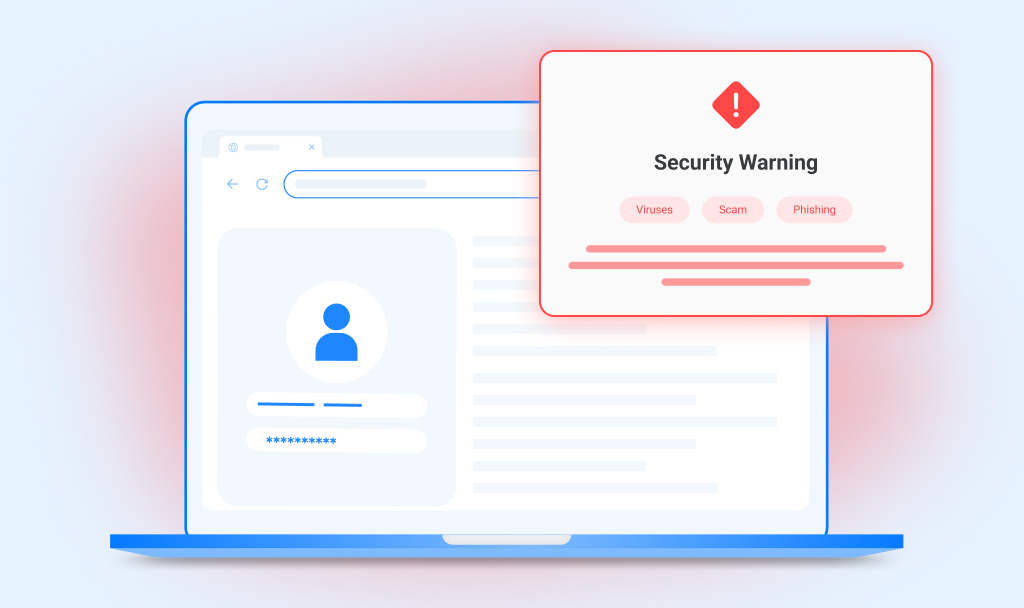
2. Be Cautious of Phishing Scams
Be wary of unsolicited emails, messages, and phone calls that ask for your personal information. Legitimate organizations will never ask for sensitive data via email or phone.
3. Use Encryption and Secure Browser Extensions
Use end-to-end encryption and secure browser extensions to protect your online activities and data.
4. Monitor Your Credit Reports and Financial Accounts
Regularly check your credit reports and financial accounts to detect any suspicious activity.
5. Use a Virtual Private Network (VPN)
Use a VPN to secure your internet connection and prevent data interception.
6. Practice Good Digital Hygiene
Regularly update your operating system, software, and apps to prevent vulnerabilities and malware.
7. Use a Password Manager
Use a password manager to generate and store unique, complex passwords for your accounts.
8. Be Mindful of Public Wi-Fi
Avoid using public Wi-Fi to access sensitive information or conduct financial transactions.
9. Shred Documents Containing Personal Information
Shred documents containing personal information, such as receipts and bank statements, to prevent data breaches.
10. Use Two-Factor Authentication for Email and Social Media
Enable two-factor authentication for your email and social media accounts to prevent unauthorized access.
Conclusion
Protecting personal information is an ongoing process that requires awareness, caution, and technology. By following the tips outlined in this article, you can significantly reduce the risk of data breaches and protect your sensitive information. Remember, your personal data is a valuable asset that requires protection. Take the necessary steps to safeguard your information and prevent costly consequences.