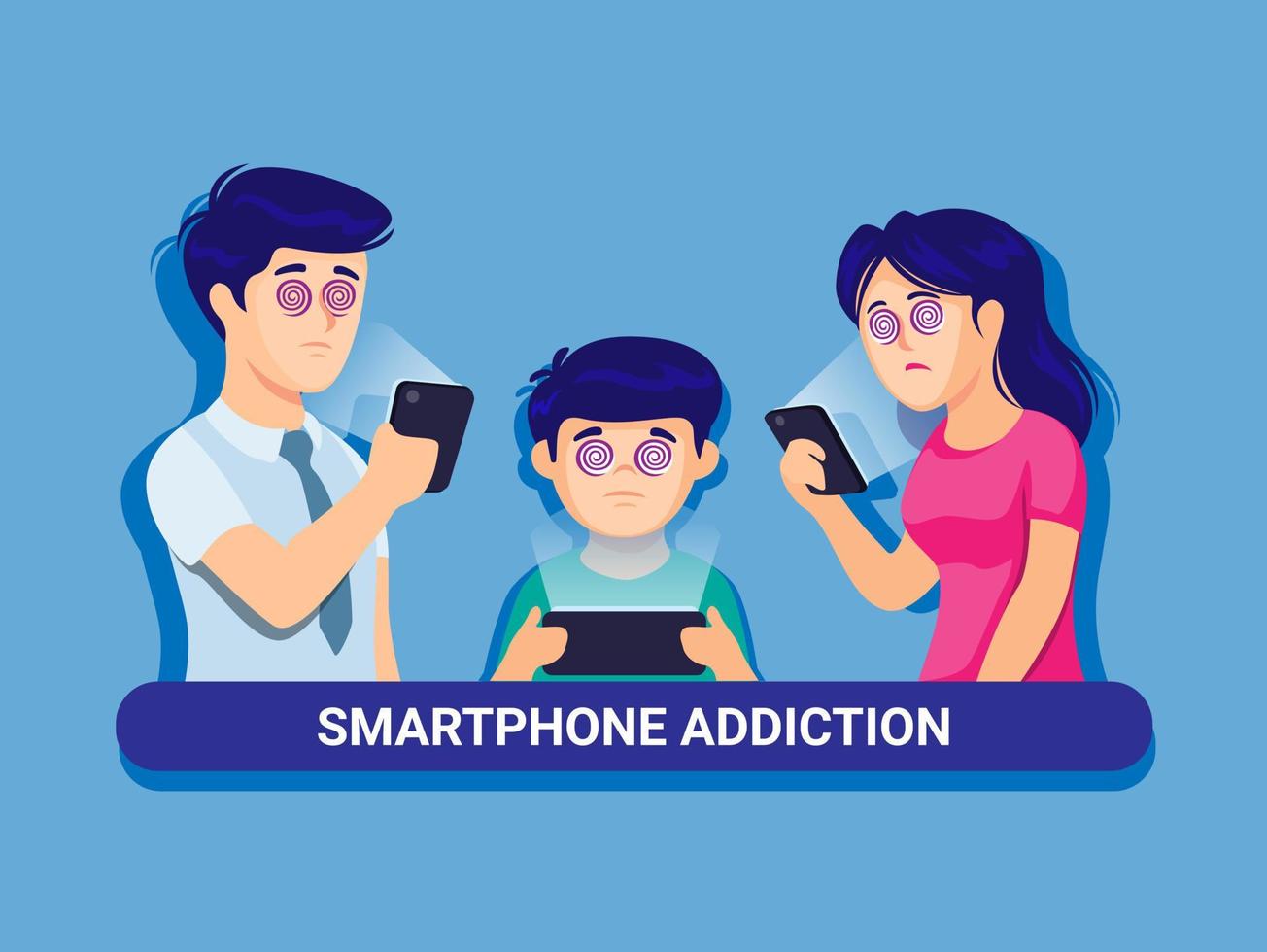
Understanding Nomophobia and its Effects on Relationships with Friends
The widespread use of smartphones has led to a unique psychological condition known as Nomophobia, or the anxiety related to the absence of a mobile device. This phenomenon has gradually affected the quality of social interactions and people's communication, resulting in considerable consequences on the quality of their real-world relationships.
What is Nomophobia?
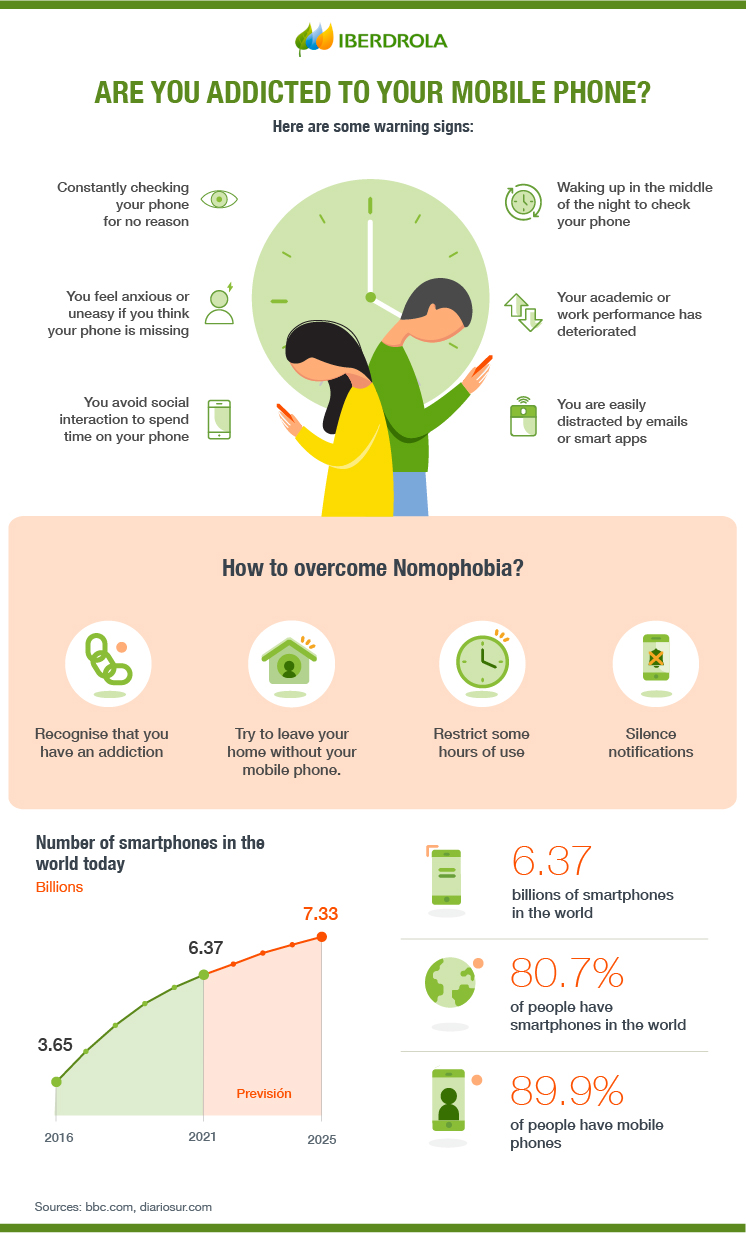
Nomophobia is a type of social anxiety disorder characterized by excessive concern about being without a mobile device or out of cellular service. It can lead to feelings of anxiety, stress, and even fear when a person is separated from their phone or unable to use it.
The Effects of Nomophobia on Relationships with Friends
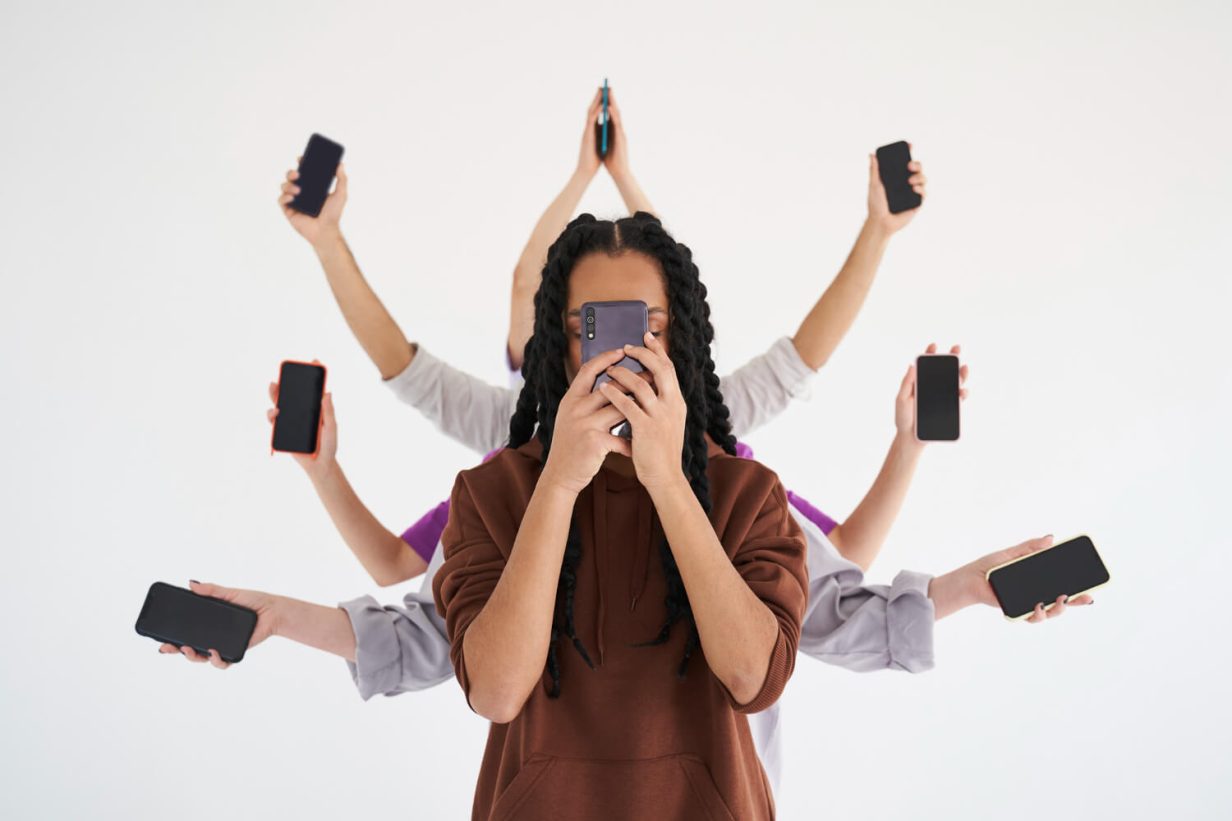
The excessive use of smartphones has had a profound impact on relationships with friends, leading to feelings of isolation, loneliness, and disconnection. Nomophobia can cause individuals to become overly dependent on their phones, leading to a decrease in face-to-face interactions and deep, meaningful conversations with friends.
- Decreased Social Interaction:** Nomophobia leads to a decrease in social interactions, as individuals spend more time staring at their screens and less time engaging with others.
- Isolation and Loneliness:** Excessive phone use can lead to feelings of isolation and loneliness, as individuals rely solely on their phones for social interaction.
- Decreased Communication Quality:** Nomophobia can lead to a decline in communication quality, as individuals rely on text messages and social media instead of face-to-face conversations.
The Impact of Nomophobia on Friendship Relationships
When individuals experience Nomophobia, it can lead to a decline in their ability to form and maintain meaningful relationships with friends. The excessive use of smartphones can lead to a decrease in empathy, deep listening, and social skills, making it challenging for individuals to connect with others on a deeper level.
- Lack of Empathy:** Nomophobia can lead to a lack of empathy, as individuals become less attuned to the needs and feelings of others.
- Decreased Deep Listening:** Excessive phone use can lead to a decrease in deep listening skills, making it challenging for individuals to understand and relate to others.
- Impaired Social Skills:** Nomophobia can lead to impaired social skills, making it challenging for individuals to connect with others in a meaningful way.

Breaking the Cycle of Nomophobia
Breaking the cycle of Nomophobia requires a combination of self-awareness, self-regulation, and social support. Individuals can take steps to overcome Nomophobia by setting limits on their phone use, engaging in offline activities, and practicing mindfulness and self-compassion.
- Set Boundaries:** Set boundaries around phone use, such as setting aside device-free times and spaces.
- Engage in Offline Activities:** Engage in offline activities, such as exercise, reading, or spending time in nature.
- Practice Mindfulness:** Practice mindfulness and self-compassion, acknowledging and accepting one's thoughts and feelings without judgment.
Conclusion
Nomophobia has a profound impact on relationships with friends, leading to feelings of isolation, loneliness, and disconnection. By understanding the effects of Nomophobia and taking steps to break the cycle, individuals can cultivate healthier, more meaningful relationships with others.
References:
[1] Medrano-Sánchez, E. J. (2024). Towards Understanding Nomophobia: A Systematic Review of Its Prevalence, Causes, and Effects in Educational Settings. Journal of Educational Computing Research, 62(1), 1-15.
[2] Buctot, O. A., et al. (2021). Academic Performance and Its Relationship with Nomophobia. Journal of Educational Psychology, 113(2), 335-344.
[3] Yildrim, A., & Correia, A. P. (2012). The Development and Validation of the Nomophobia Questionnaire. Journal of Electronic Commerce Research, 13(2), 147-158.