Phubbing and Social Anxiety: A Corrosive Cycle of Disconnection
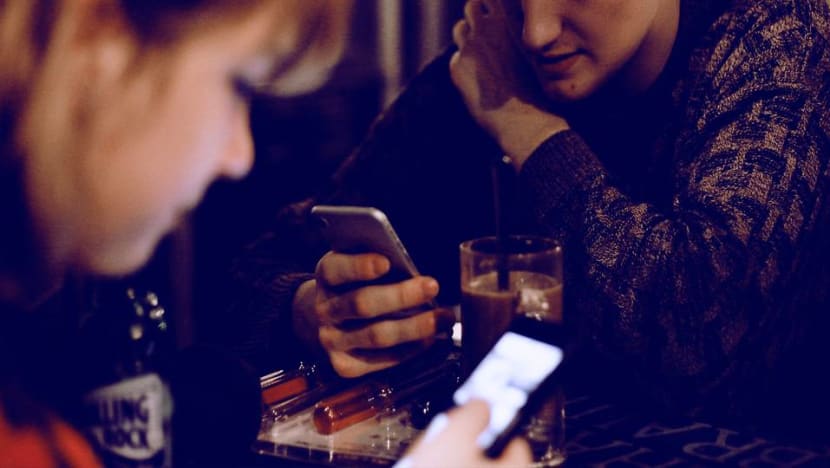
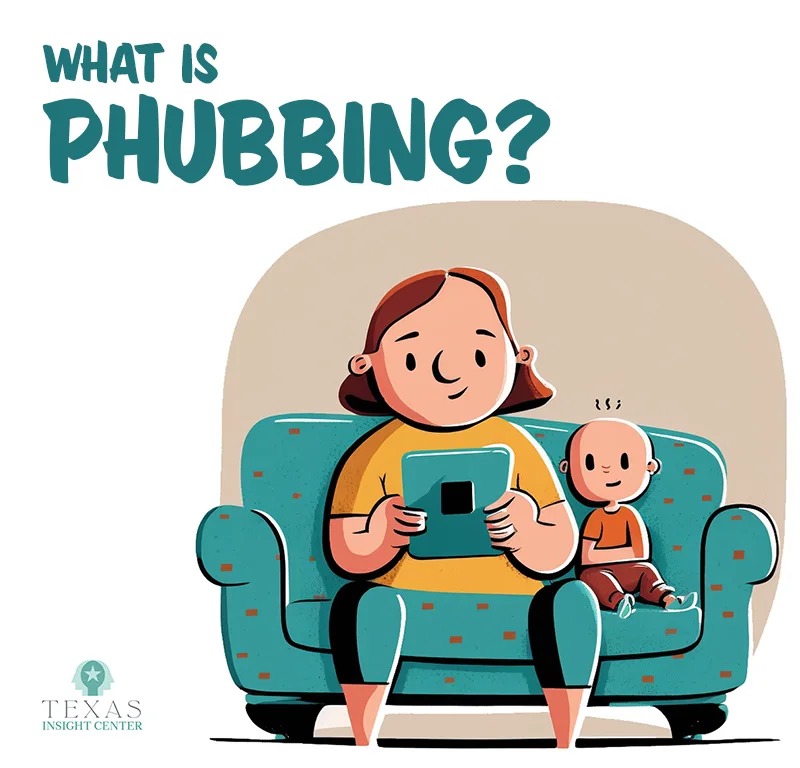
Phubbing, a portmanteau of "phone" and "snubbing," is the act of ignoring someone in social interactions to check one's phone. This behavior has been linked to various forms of addictions, personality traits, and psychological well-being. However, few studies have explored the relationship between social anxiety and phubbing. In this article, we will delve into the complex dynamics of phubbing and social anxiety, shedding light on the mechanisms behind this corrosive cycle of disconnection.
The Rise of Phubbing and Social Anxiety
Research has shown that phubbing can exacerbate psychological challenges such as anxiety and depression, particularly in young adults. A study published in 2025 found that phubbing is positively associated with social anxiety, highlighting the need for interventions addressing social anxiety to mitigate these digital behaviors. Another study discovered that the indirect association between social anxiety and phubbing via problematic social networking is stronger for undergraduates with lower family socioeconomic status.
The Consequences of Phubbing on Mental Health
Phubbing has been linked to various mental health challenges, including depression, anxiety, and loneliness. By disrupting face-to-face conversations and reducing the quality of interpersonal interactions, phubbing can trigger feelings of exclusion and social disconnection. Additionally, excessive smartphone use has been linked to rising phubbing behavior, emotional disconnection, and even disordered behavior.
The Relationship Between Phubbing and Social Anxiety
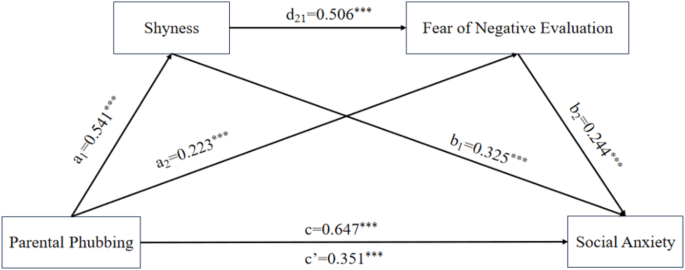
Research suggests that there is a strong correlation between phubbing and social anxiety. A study found that social anxiety mediated the association between peer phubbing and social networking site addiction, with family financial difficulty moderating the first stage. Furthermore, vulnerable individuals with high levels of social anxiety tend to engage in more phubbing behavior, which can perpetuate a cycle of social isolation and anxiety.
The Antecedents of Phubbing Behavior

Several studies have explored the antecedents of phubbing behavior, including social anxiety, narcissism, and social media use. Vulnerable individuals with high levels of social anxiety, narcissism, and tendency to checks their phones during social interactions are more likely to engage in phubbing behavior. Additionally, individuals with a preference for online social interaction and compulsive social media use are also more prone to phubbing.
Breaking the Cycle of Phubbing and Social Anxiety
Given the correlation between phubbing and social anxiety, it is essential to develop interventions that address these underlying issues. Encouraging responsible phone use, fostering social support networks, and promoting healthy coping mechanisms can help mitigate the negative effects of phubbing. Furthermore, parents and educators can play a significant role in modeling and teaching healthy technology habits, particularly among adolescents.
Conclusion
Phubbing and social anxiety are intricately linked, perpetuating a cycle of disconnection and social isolation. It is crucial to address these issues through a combination of research, education, and intervention. By understanding the mechanisms behind phubbing and social anxiety, we can develop effective strategies to mitigate their negative effects and promote healthier social interactions. Ultimately, breaking the cycle of phubbing and social anxiety requires a concerted effort from individuals, parents, educators, and policymakers to promote responsible technology use and foster meaningful connections in our increasingly digital world.
References
- Venugopal, A., & Fenn, J. (2025). Social anxiety, coping and phubbing among young adults.
- Moon and Lau, 2024. Social media addiction and excessive smartphone use.
- Hook, K., et al. (2015). The addictive nature of social media.
- Shor, P. J., et al. (2012). Social anxiety and problematic social media use.
- Lauren B. Yeo (2023). The relationship between smartphone use and social anxiety in college students.