Prevent Online Data Loss: 9 Essential Strategies for Business and Personal Use
With the increasing reliance on digital storage and online services, the risk of data loss has never been more pronounced. According to recent statistics, data breaches have affected over 281.5 million people worldwide, resulting in significant financial and reputational losses for businesses and individuals.
Understand the Risks of Data Loss
Data loss can occur due to various reasons, including cyber attacks, human error, hardware failure, and natural disasters. The consequences of data loss can be severe, ranging from financial losses and reputational damage to compromised business continuity.
9 Crucial Strategies to Prevent Online Data Loss
- Use Strong Passwords and Authentication Methods
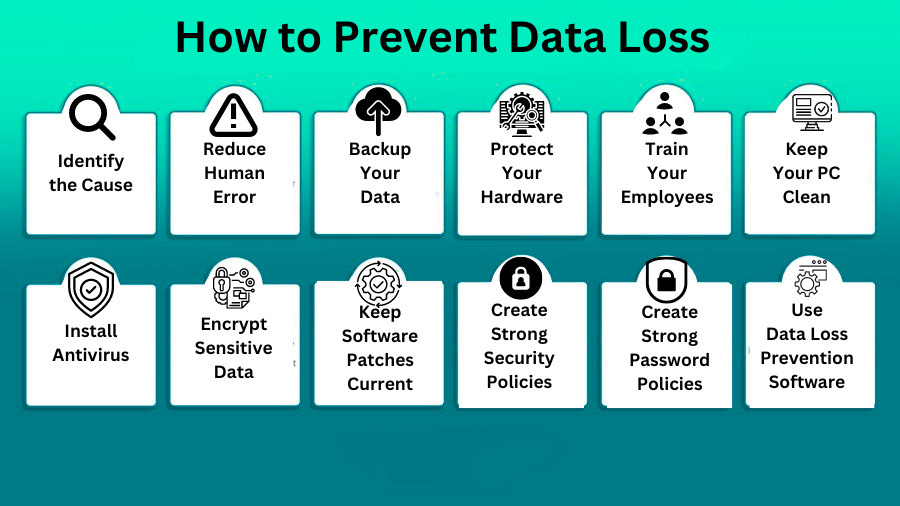
Using weak passwords is a common cause of data loss. To prevent this, use strong, unique passwords for all online accounts and enable two-factor authentication (2FA) whenever possible.
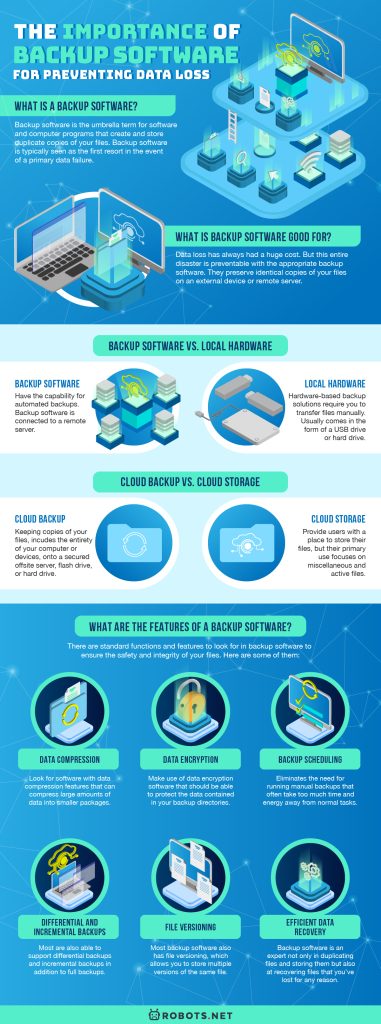
- Implement Regular Backups
Regular backups are crucial for preventing data loss. Use cloud-based storage services or external hard drives to store backups of your important data.
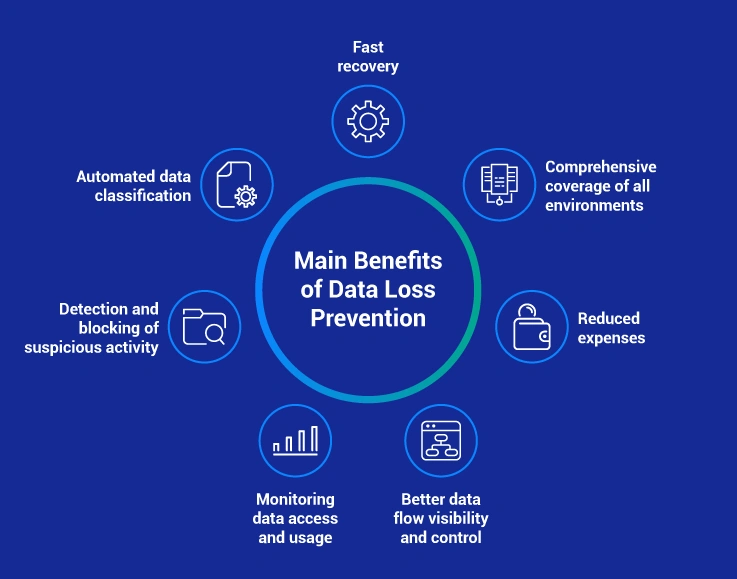
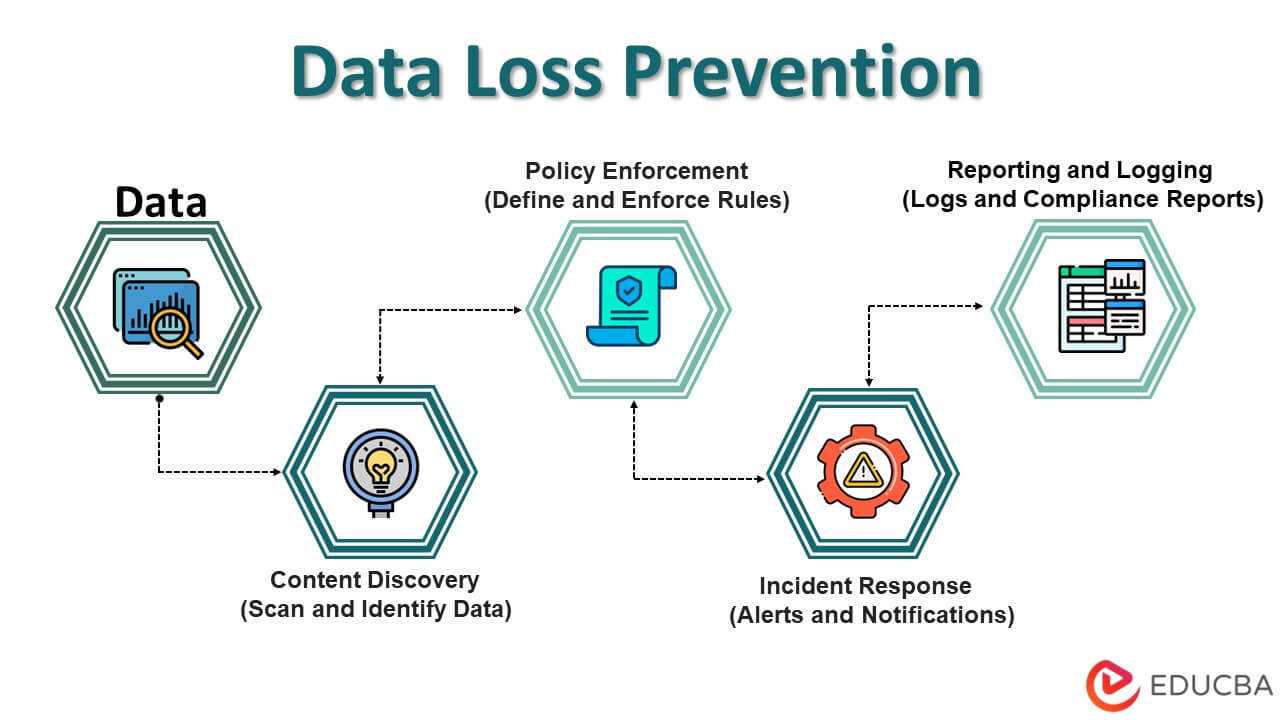
- Use Data Loss Prevention (DLP) Tools
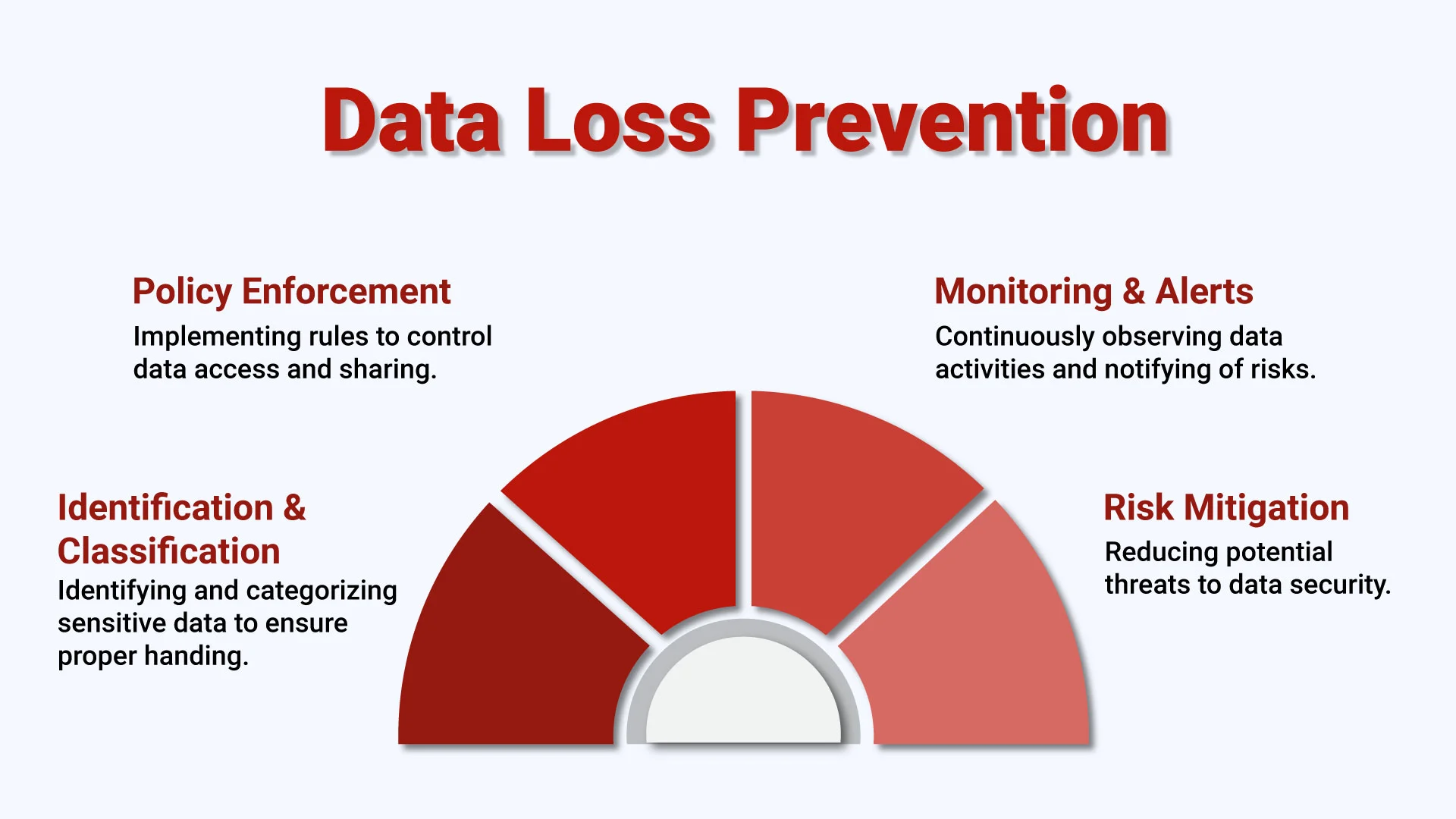
DLP tools are designed to detect and prevent sensitive data from being shared or transferred inappropriately. Use DLP tools to monitor and control sensitive data across your organization.
- Encrypt Sensitive Data
Encrypting sensitive data is an effective way to prevent it from falling into the wrong hands. Use encryption tools to protect sensitive data, including financial information, customer details, and confidential business data.
- Use Mobile Device Management (MDM) Software
MDM software helps to manage and secure mobile devices, including smartphones and tablets. Use MDM software to prevent data loss from mobile devices.
- Conduct Regular Security Audits
Regular security audits help to identify vulnerabilities and weaknesses in your organization's security posture. Conduct regular security audits to prevent data loss and ensure compliance with regulatory requirements.
- Train Employees on Data Security Best Practices
Employees are often the weakest link in an organization's security chain. Train employees on data security best practices, including the importance of strong passwords, regular backups, and secure online behavior.
- Use Secure Cloud Storage Services
Using secure cloud storage services is an effective way to prevent data loss. Choose cloud storage services that offer robust security features, including encryption, access controls, and regular backups.
- Stay Up-to-Date with Security Updates and Patches
Staying up-to-date with security updates and patches is essential for preventing data loss. Regularly update your operating system, software, and hardware to ensure that you have the latest security features and patches.
Conclusion
Preventing online data loss requires a proactive and multi-faceted approach. By implementing the 9 essential strategies outlined in this article, you can significantly reduce the risk of data loss and ensure business continuity. Remember to stay informed about the latest security threats and best practices to stay ahead of the game.