Protecting Data from Natural Disasters: A Comprehensive Guide
In today's digital landscape, data is one of the most vital assets for businesses and organizations. Unfortunately, data systems are increasingly vulnerable to natural disasters, which can lead to catastrophic data loss, corruption, or inaccessibility. These events pose a significant threat to continuity and can disrupt operations, severely impacting a business's ability to serve customers.
The Risks of Natural Disasters on Data
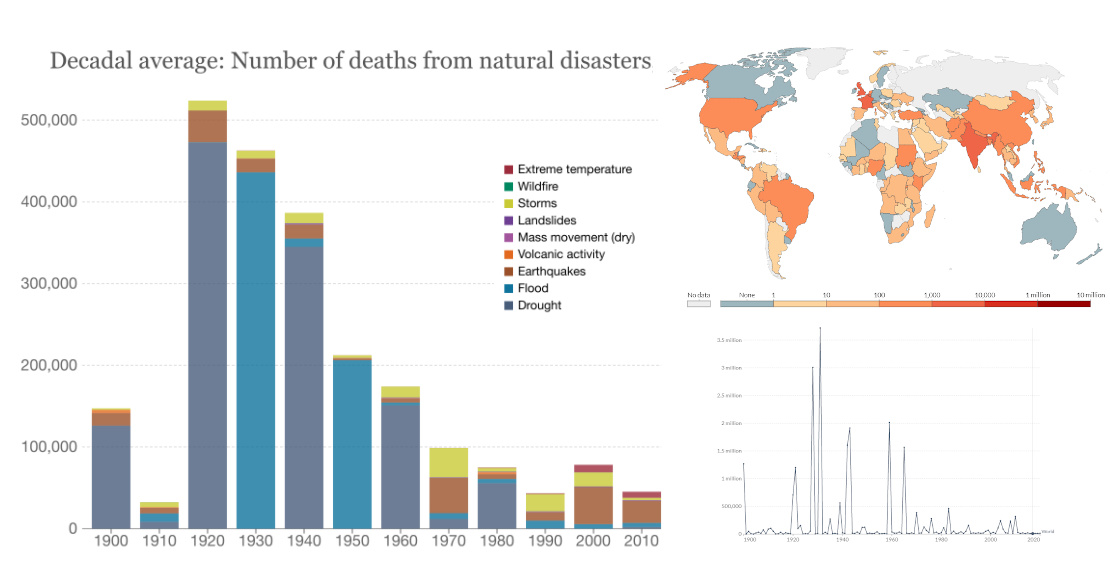
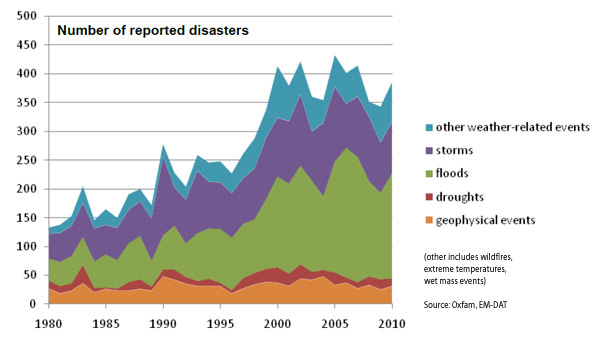
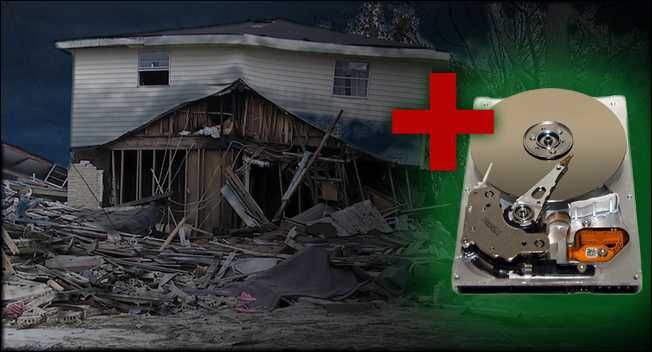
Natural disasters such as earthquakes, floods, hurricanes, fires, and power outages pose a significant threat to the security of sensitive data. These events can cause physical damage to hardware, data corruption, and loss of critical information. In the aftermath of a natural disaster, businesses face the risk of downtime or even worse, critical data loss.
Why Protecting Data from Natural Disasters is Crucial
Protecting data from natural disasters is crucial for maintaining business continuity and protecting valuable assets. Every business depends on its data to operate smoothly. Losing critical information due to unexpected events can halt operations, damage reputation, and cause financial loss. This makes data backup and disaster recovery services essential for maintaining business continuity and protecting valuable assets.
Strategies for Protecting Data from Natural Disasters
-
Diversify Your Data Storage
Diversifying where and how data is stored and backed up is critical when it comes to protecting against damage from natural disasters. Organizations must avoid having all of their data backed up in one place by having multiple backups of data in the cloud.
-
Implement Physical Infrastructure Protection
In some cases, you may be able to prevent data loss from natural disasters by implementing systems that protect your on-site infrastructure. Devices like flood and moisture sensors, backup generators, power surge suppression systems, and waterless fire suppression systems can all help to protect your hardware and mitigate the risk of damage to your data.
-
Use Cloud-Based Solutions
Cloud-based solutions can provide an additional layer of protection for your data. Cloud storage allows you to store your data in a remote location, making it less vulnerable to physical damage caused by natural disasters.
-
Regularly Back Up Your Data
-
Consider a Disaster Recovery Plan
A disaster recovery plan can help you quickly recover your data and systems in the event of a natural disaster. A well-planned disaster recovery plan can minimize downtime and ensure business continuity.
Why Collaborate with IT Experts?
Collaborating with IT experts who specialize in data protection and disaster recovery can help you design and implement tailored solutions to protect your data from natural disasters. IT experts can provide you with the knowledge and expertise needed to develop a robust disaster recovery plan and implement the necessary infrastructure to protect your data.
Conclusion
Protecting data from natural disasters requires a comprehensive approach that includes diversifying your data storage, implementing physical infrastructure protection, using cloud-based solutions, regularly backing up your data, and considering a disaster recovery plan. By working with IT experts and implementing these strategies, you can minimize the risk of data loss and ensure business continuity in the event of a natural disaster.