Shrimp and Vitamin D Deficiency During Pregnancy: A Comprehensive Guide
Vitamin D deficiency has been linked to various maternal and fetal health complications during pregnancy. One of the essential concerns for expectant mothers is maintaining adequate vitamin D levels to ensure both their health and the well-being of their baby.
What is Vitamin D?
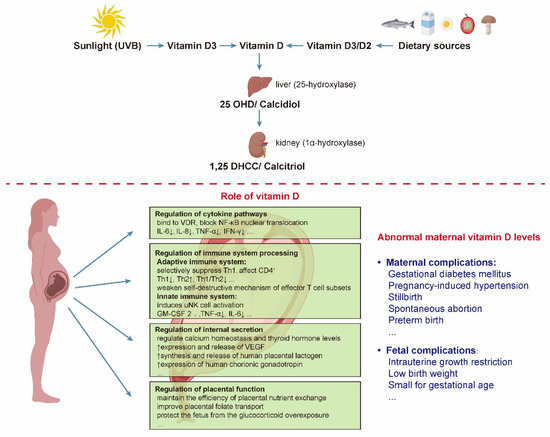
Vitamin D, also known as the "sunshine vitamin," plays a crucial role in bone mineralization and immune function. During pregnancy, it is essential for the development of the baby's bones, teeth, and overall growth.
Why is Vitamin D Deficiency a Concern During Pregnancy?
- Studies have shown that vitamin D deficiency is common among pregnant women, affecting approximately 70-90% of pregnancies worldwide.
- Deficiency has been linked to pregnancy complications, including preeclampsia, gestational diabetes, and premature birth.
- Low vitamin D levels in the second trimester of pregnancy have been associated with an increased risk of premature birth.
- Severe vitamin D deficiency during pregnancy can cause rickets in the baby, a condition characterized by brittle bones and increased risk of seizures.
Where Can I Get Vitamin D?
Vitamin D is primarily obtained through sun exposure, which triggers the production of this essential nutrient in the skin. However, during pregnancy, the need for vitamin D is higher, making it essential to consider alternative sources.
Is Shrimp a Good Source of Vitamin D?
Shrimp, a popular seafood option, contains small amounts of vitamin D. According to the United States Department of Agriculture (USDA), 3 ounces of cooked shrimp contain approximately 6 IU of vitamin D.
Can I Still Eat Shrimp During Pregnancy?
While shrimp may not be an abundant source of vitamin D, there is no conclusive evidence suggesting that moderate shrimp consumption poses health risks to pregnant women. However, as with any seafood, it is essential to adhere to safe consumption guidelines to minimize exposure to pollutants and mercury.
How Can I Ensure Adequate Vitamin D Levels During Pregnancy?
- Consult with your healthcare provider about taking a prenatal vitamin or supplement to ensure adequate vitamin D intake.
- Get regular sun exposure, but avoid excessive sunbathing, which can increase the risk of cancer and premature aging.
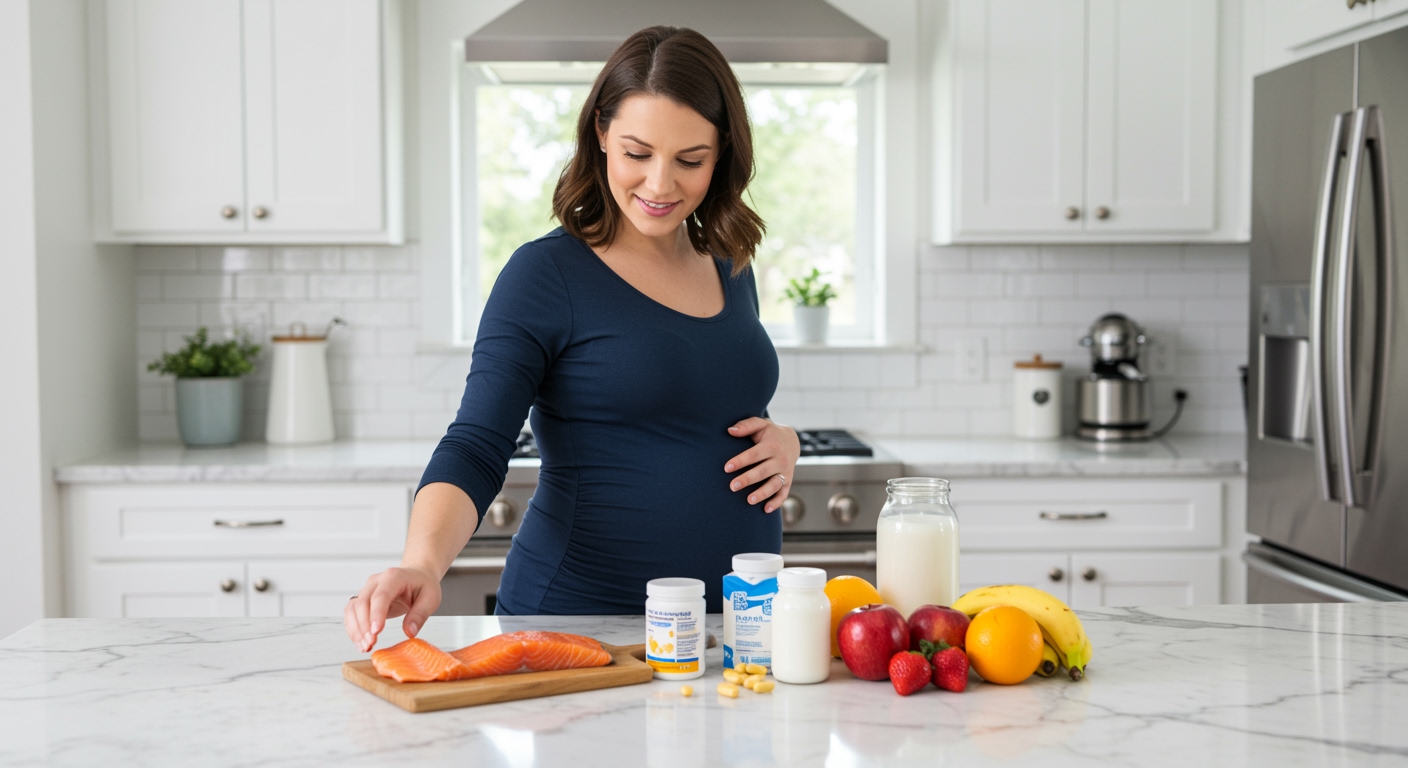
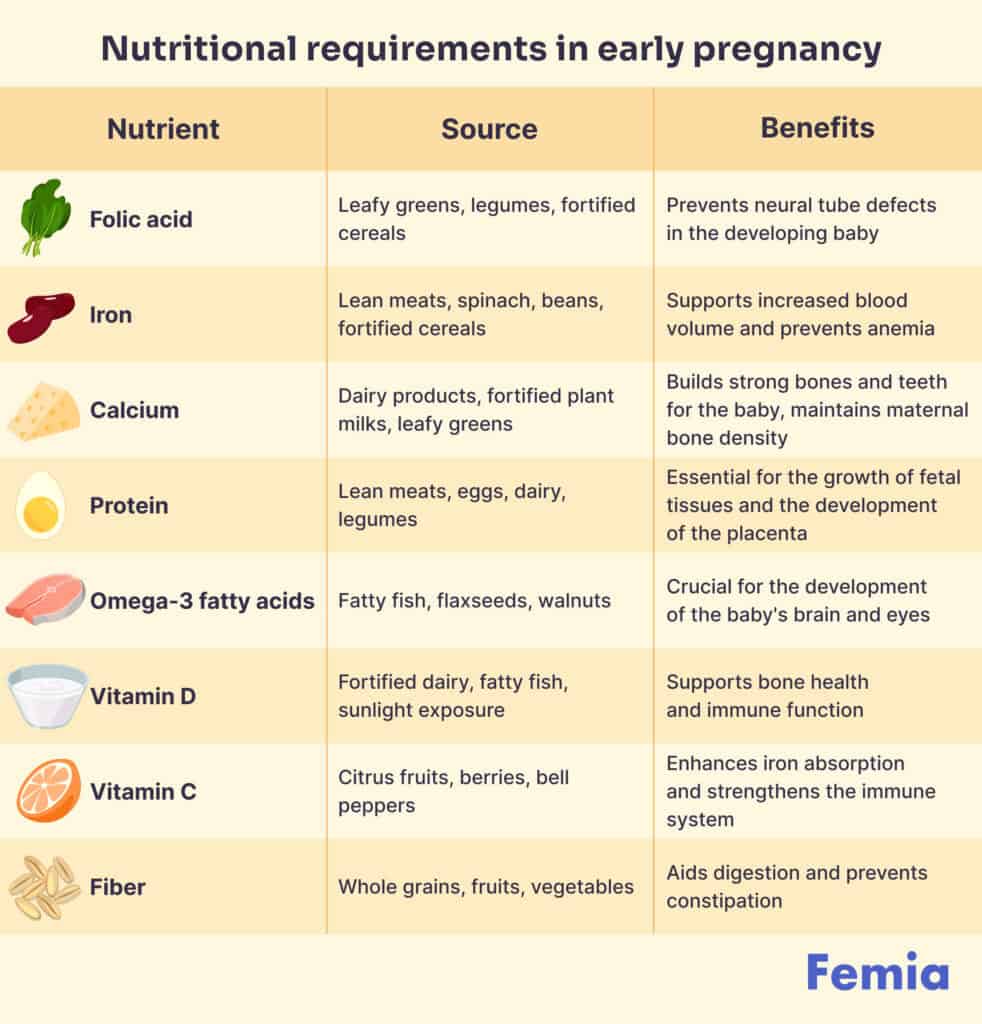
- Adopt a balanced diet rich in vitamin D-rich foods, including fatty fish, egg yolks, and fortified dairy products.
- Consider taking a vitamin D supplement under the guidance of your healthcare provider.
Conclusion
Shrimp and vitamin D deficiency during pregnancy are closely linked, as vitamin D is a vital nutrient for the development of the baby's bones and immune system. While shrimp is not a significant source of vitamin D, pregnant women can safely consume it as part of a balanced diet. The best way to ensure adequate vitamin D levels is through regular sun exposure, a well-planned diet, and, if necessary, vitamin D supplementation under the guidance of a healthcare provider.