The Social Implications of Nomophobia: Understanding the Demons of Mobile Phone Addiction
There is a growing concern worldwide about the social implications of nomophobia, a condition characterized by an intense fear of being without a mobile phone or losing connectivity. This phenomenon has significant negative consequences on individuals, families, communities, and the society at large.
What is Nomophobia?
Nomophobia, also known as mobile phone addiction or fear of being without a mobile phone, is a condition that affects millions of people worldwide. It is characterized by an intense fear of being without a mobile phone or losing connectivity, leading to feelings of anxiety, nervousness, and discomfort.
Causes of Nomophobia
- Low self-esteem: The need for external validation and exposure to an idealized representation of others' lives can affect self-perception.
- Interpersonal conflicts: Nomophobia can cause interpersonal conflicts due to dependence on mobile phones to maintain social relationships.
- Fear of missing out (FOMO): The constant desire to stay connected and up-to-date can lead to feelings of anxiety and stress.
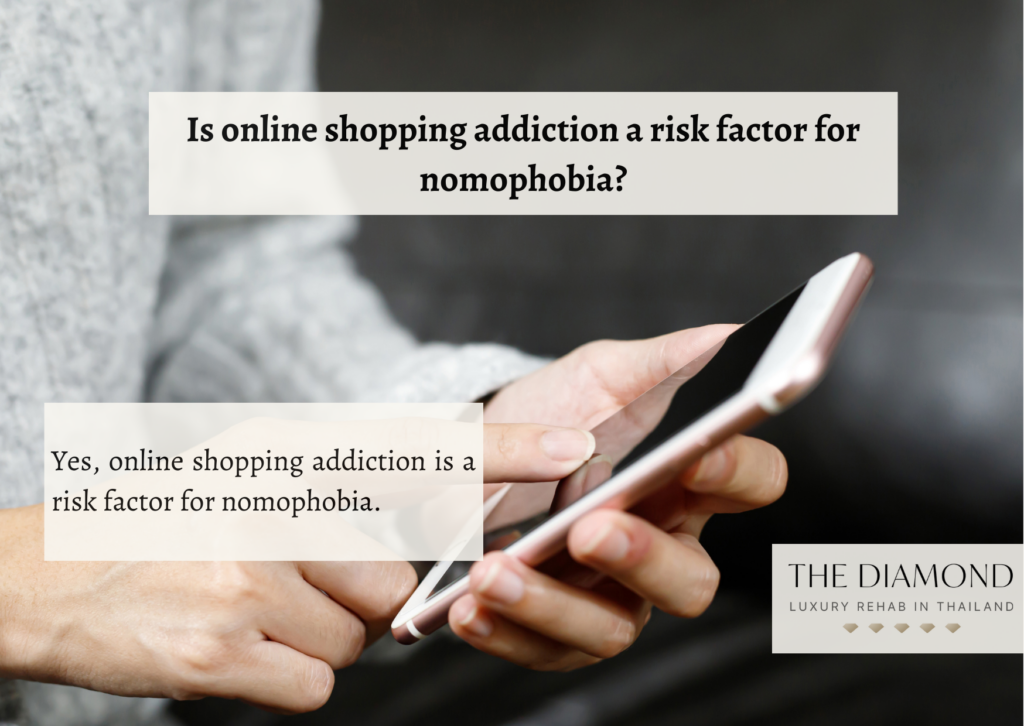
- ADDICTIVE NATURE OF SOCIAL MEDIA: Exposure to social media can contribute to feelings of loneliness, social isolation, and depression.
- Technological factors: The constant need to stay connected and the fear of being disconnected can lead to feelings of anxiety and stress.
Social Implications of Nomophobia
Impact on Relationships
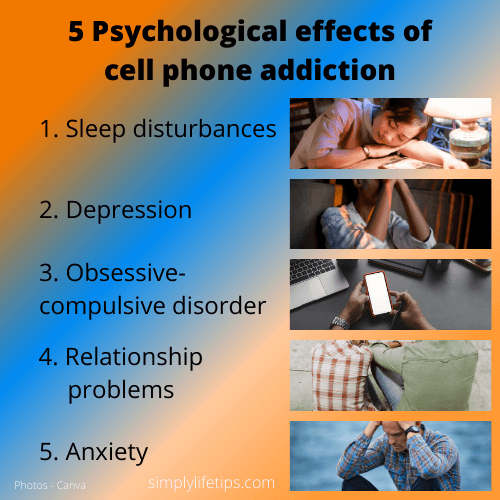
Nomophobia can have a significant impact on relationships, both personal and professional. The constant need to stay connected can lead to feelings of anxiety and stress, causing individuals to become withdrawn and isolated. This can lead to conflicts and strained relationships with family and friends.
Impact on Mental Health
Nomophobia is also linked to a range of mental health issues, including depression, anxiety, and loneliness. The constant need to stay connected can lead to feelings of burnout and exhaustion, making it difficult to manage daily tasks and responsibilities.
Impact on Education and Work
Nomophobia can also have a significant impact on education and work. The constant need to stay connected can lead to distractions and decreased productivity, negatively impacting academic performance and job performance.
Conclusion
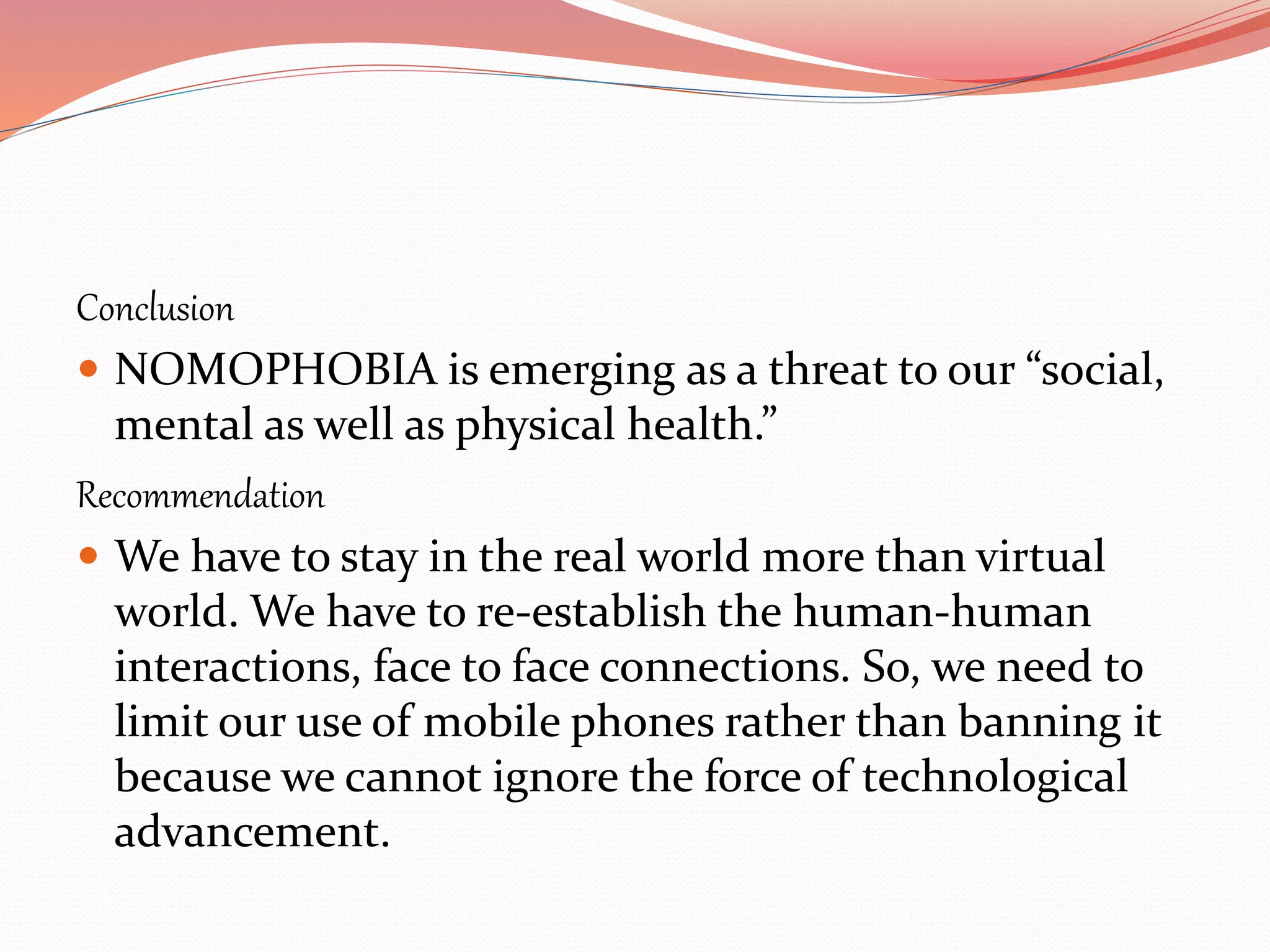
The social implications of nomophobia are complex and far-reaching. It is essential to recognize the causes and effects of nomophobia and develop strategies to prevent and manage it. By understanding the social implications of nomophobia, we can take the first step towards creating a healthier and more balanced relationship with technology.

Recommendations
- Develop awareness and education programs to raise awareness about nomophobia and its implications.
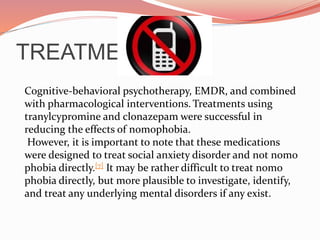
- Implement strategies to prevent and manage nomophobia, such as setting limits on technology use and practicing mindfulness.
- Encourage healthy communication and relationships to reduce the need for constant connectivity.
- Develop and implement policies to promote responsible technology use and mitigate the negative effects of nomophobia.
Introduction
Nomophobia, also known as mobile phone addiction or fear of being without a mobile phone, is a condition that affects millions of people worldwide. It is characterized by an intense fear of being without a mobile phone or losing connectivity, leading to feelings of anxiety, nervousness, and discomfort.
Research on Nomophobia
Prevalence of Nomophobia
Studies have consistently shown that nomophobia is a growing concern, with significant prevalence rates reported in various populations, including young adults, students, and general populations.
Causes of Nomophobia
The literature on nomophobia highlights the complex interplay of individual, social, and technological factors contributing to its development. These include low self-esteem, interpersonal conflicts, fear of missing out, and the addictive nature of social media.
Effects of Nomophobia
Research has also shown that nomophobia can have significant negative effects on mental and physical health, including depression, anxiety, and loneliness. Additionally, it can impact education and work, leading to decreased productivity and academic performance.
Conclusion
Research on nomophobia has shown that it is a complex and multifaceted condition, with significant negative social implications. It is essential to continue studying nomophobia to develop effective strategies for prevention and management.