Staying Secure from Phone Hacking Threats: Essential Tips for Your Device's Safety
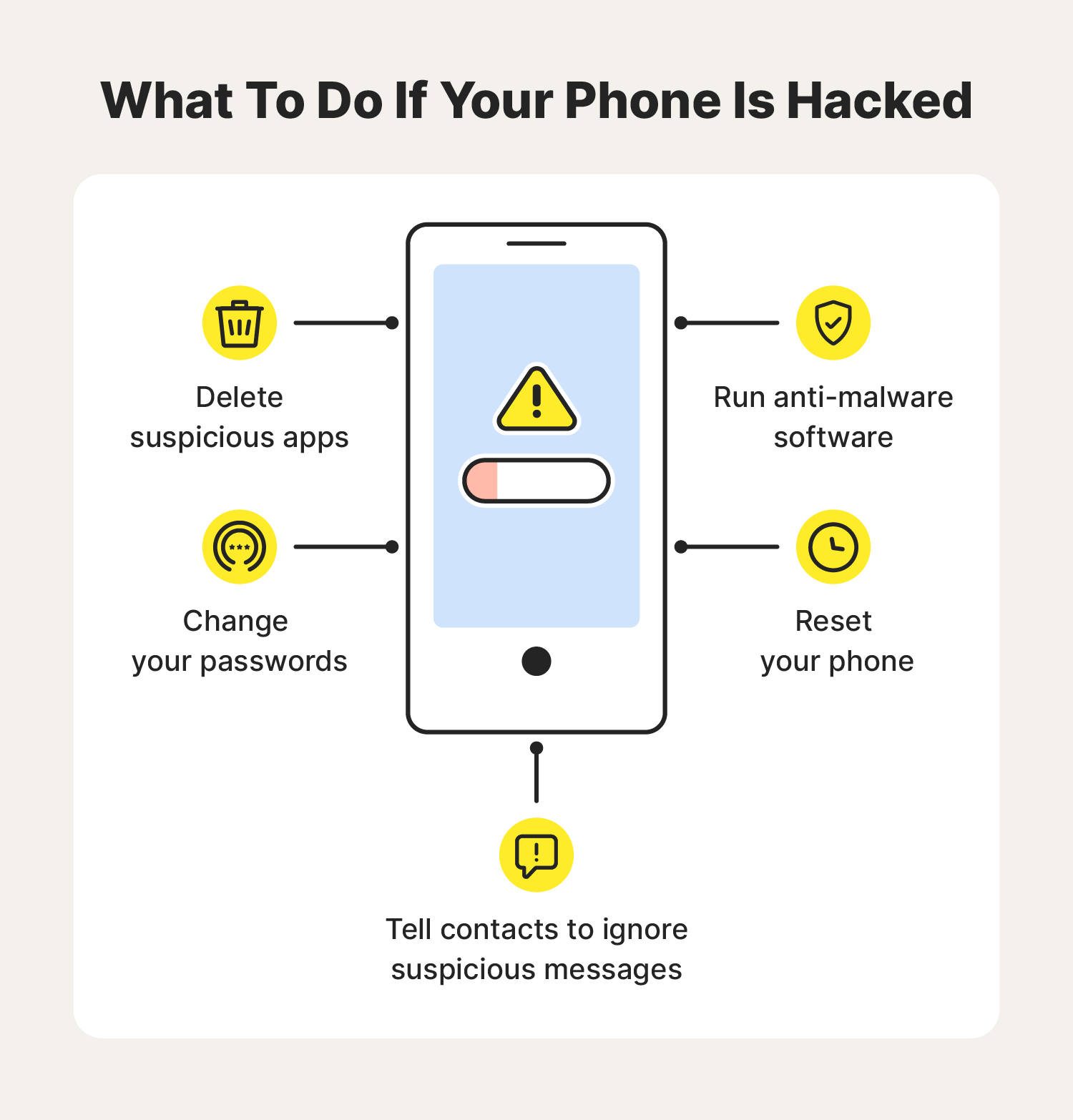
With the increasing number of smartphone users worldwide, the threat of phone hacking has also risen. Hackers can easily access your personal data, install malicious apps, and even take control of your device. To safeguard your phone from such threats, it's essential to take proactive steps. In this article, we'll cover the top tips to help you stay secure from phone hacking threats.
Understanding Phone Hacking Threats
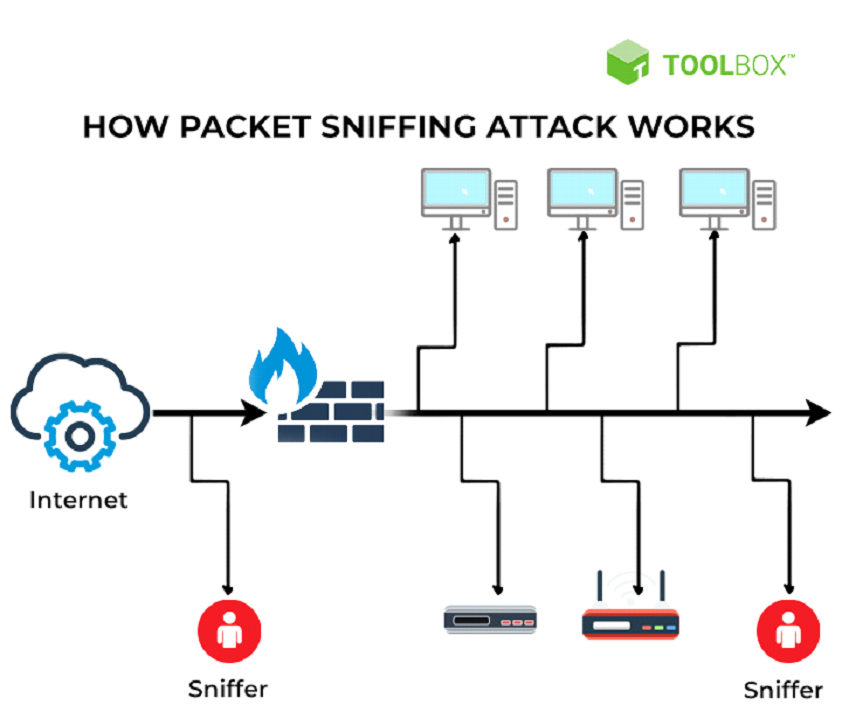
Phone hacking involves unauthorized access to your device, which can lead to various consequences, including identity theft, financial loss, and exposure of sensitive information. Hackers may exploit vulnerabilities in your phone's operating system, apps, or browser software to gain access to your device.
Protecting Your Phone from Hacking Threats
1. Use Strong Authentication
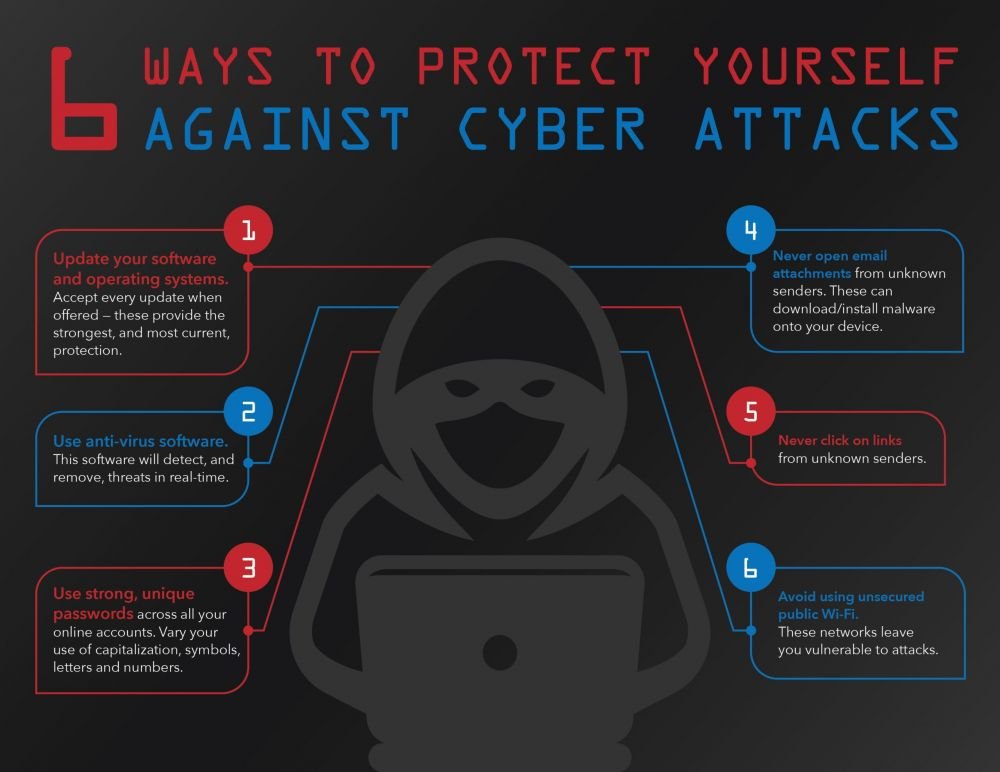
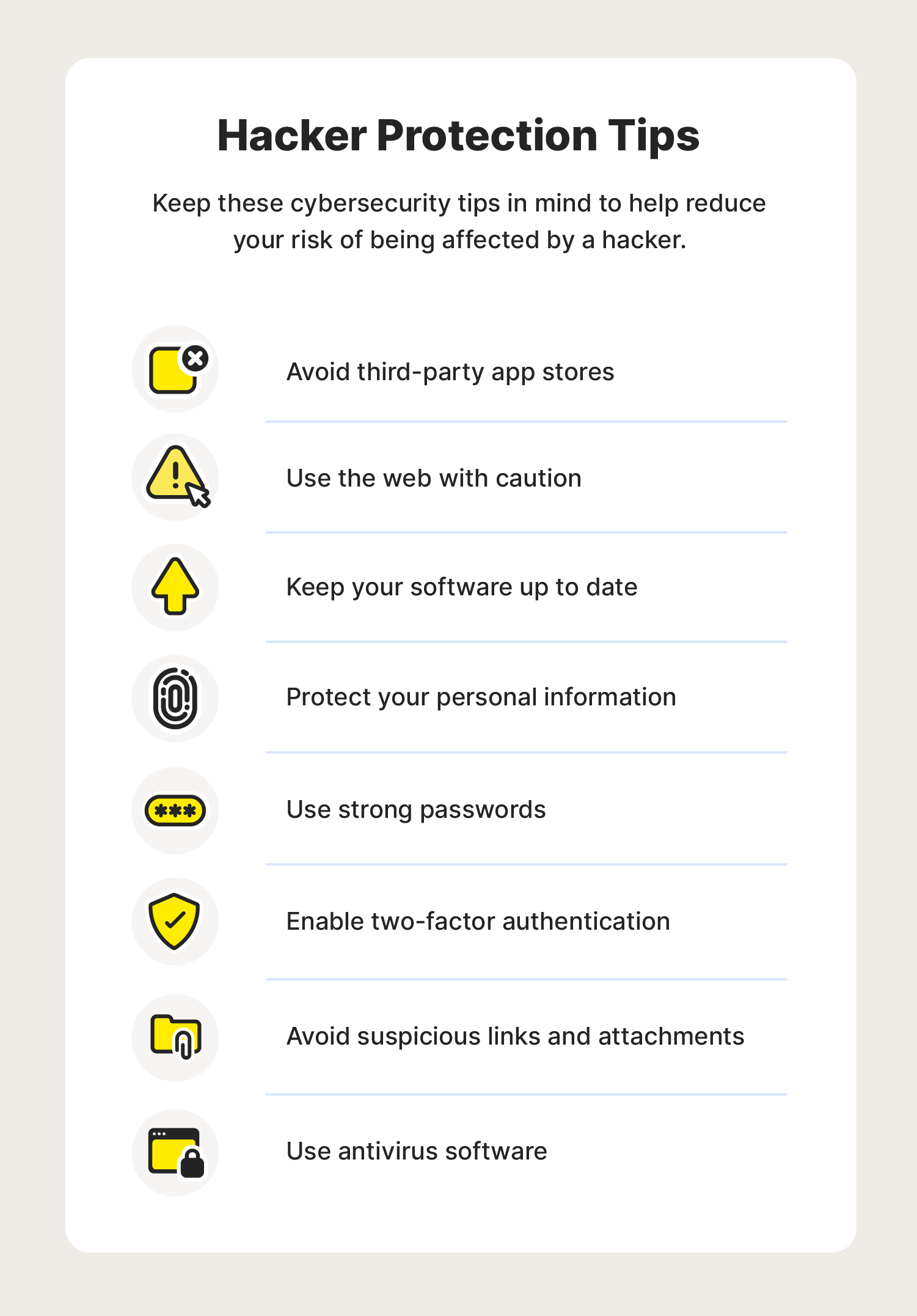
Using a secure authentication method, such as two-factor authentication (2FA), is crucial to prevent unauthorized access to your phone. This adds an extra layer of security by requiring a second form of verification, such as a code sent to your email or a fingerprint scan.
2. Install Antivirus Software
Installing reputable antivirus software on your phone can help detect and remove malware that might be compromising your device's security. Regularly update your antivirus software to ensure you have the latest protection.
3. Be Cautious with App Permissions
When installing apps on your phone, be cautious with the permissions you grant them. Avoid granting excessive permissions, especially for apps that require access to sensitive data or features. Instead, opt for apps that use the most restrictive permissions.
4. Regularly Update Your Phone's Software
Keeping your phone's operating system and apps up-to-date is essential to ensure you have the latest security patches and features. Regularly check for updates and install them as soon as possible.
5. Disable Unused Features and Apps
Disable unused features and apps on your phone, including location services, Bluetooth, and Wi-Fi. This reduces the attack surface and minimizes the risk of hacking.
6. Use a Secure Browser
Using a secure browser, such as Google Chrome or Mozilla Firefox, can help protect you from web-based hacking threats. These browsers often include built-in security features, such as ad-blocking and malware detection.
7. Encrypt Your Data
Encrypting your phone's data adds an extra layer of security by making it unreadable to unauthorized users. Enable encryption on your device to prevent hackers from accessing your sensitive information.
8. Use a VPN
Using a virtual private network (VPN) can help encrypt your internet traffic, making it difficult for hackers to intercept your data. Enable a VPN on your phone to stay safe while using public Wi-Fi networks.
9. Monitor Your Phone's Activity
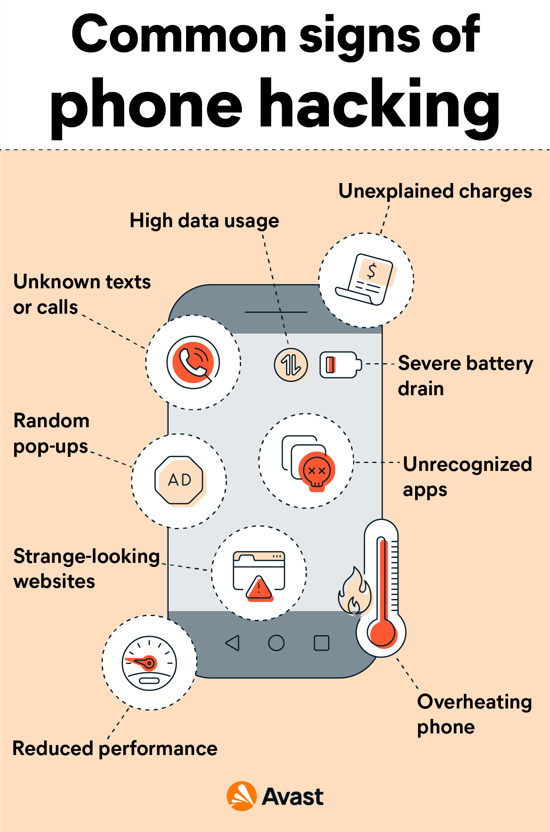
Regularly monitor your phone's activity to detect any suspicious behavior. Keep an eye out for unusual app activity, excessive data usage, or strange network behavior.
10. Back Up Your Data
Backing up your phone's data regularly ensures that you can restore your device to a previous secure state in case of a hacking incident. Use a cloud backup service or an external hard drive to store your device's data.
Conclusion
Staying secure from phone hacking threats requires a combination of proactive measures and awareness of potential threats. By following the essential tips outlined in this article, you can significantly reduce the risk of hacking and protect your device's safety. Always stay vigilant and adapt to new threats to ensure your phone remains secure.




![10 Ways to Secure Mobile Devices [2024] - Panda Security](https://www.pynetlabs.com/wp-content/uploads/2023/02/What-is-Bluetooth-Hacking.jpeg "10 Ways to Secure Mobile Devices [2024] - Panda Security")