The Different Types of Business Structure
When starting a business, one of the most fundamental decisions you'll make is choosing the right business structure. Your business structure will determine everything from day-to-day operations to taxes and even how much of your personal assets are at risk. In this article, we'll break down the different types of business structures, including the pros and cons of each, and provide guidance on how to choose the right structure for your business.Why Business Structure Matters
The business structure you choose will have a significant impact on how you operate your business, how you file taxes, and even your personal liability. With so many different types of business structures to choose from, it can be overwhelming to decide which one is right for you.Types of Business Structures
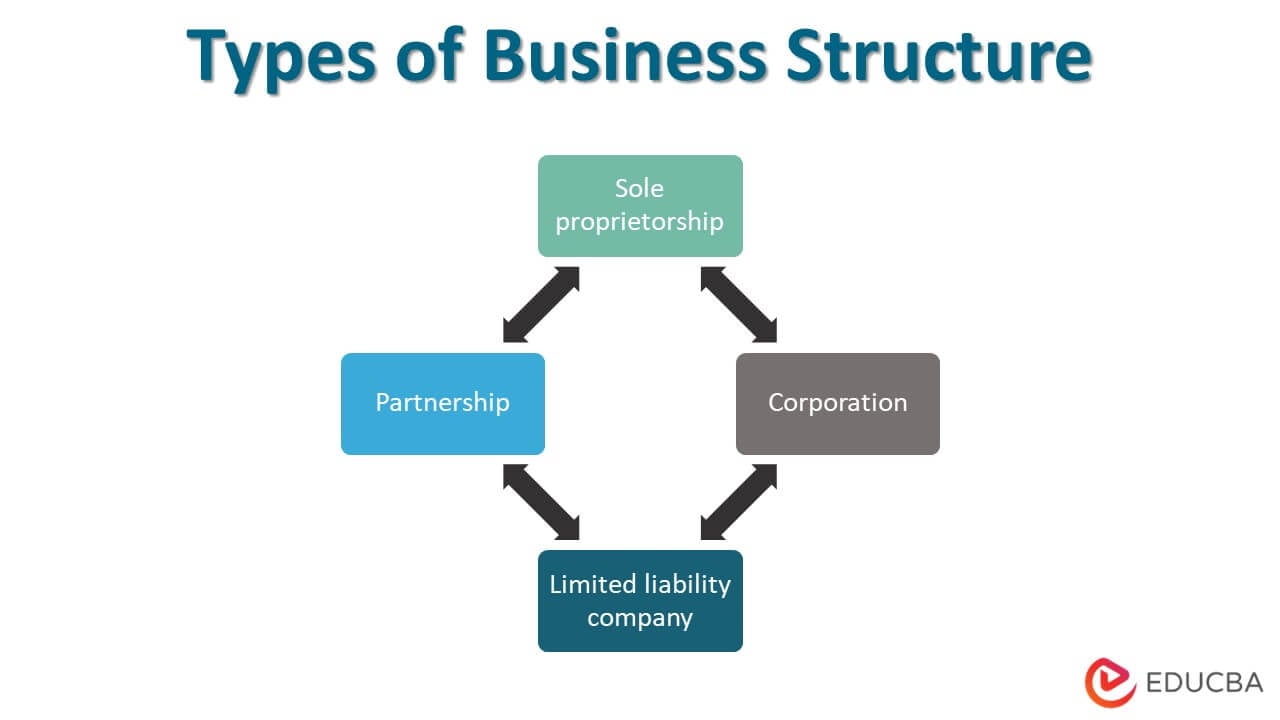
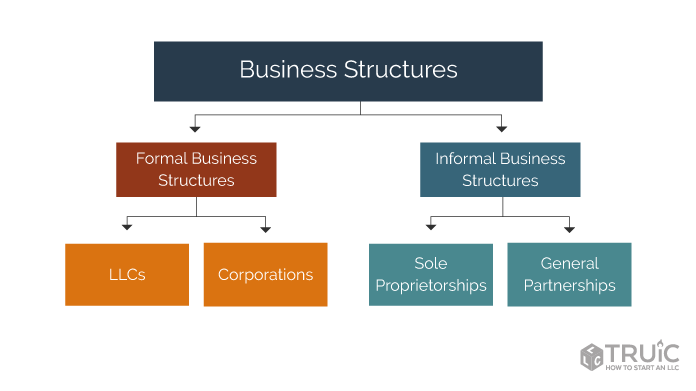
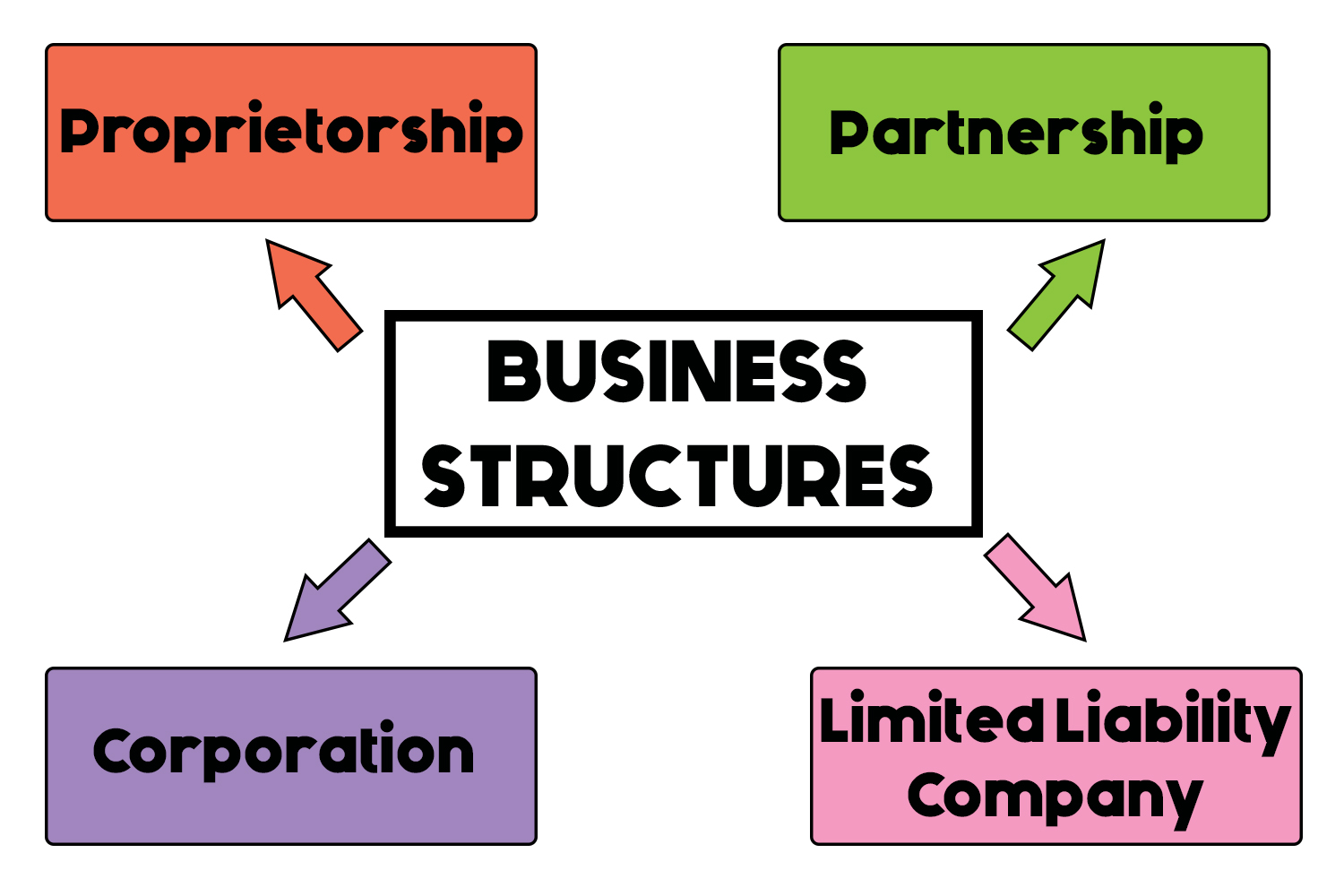
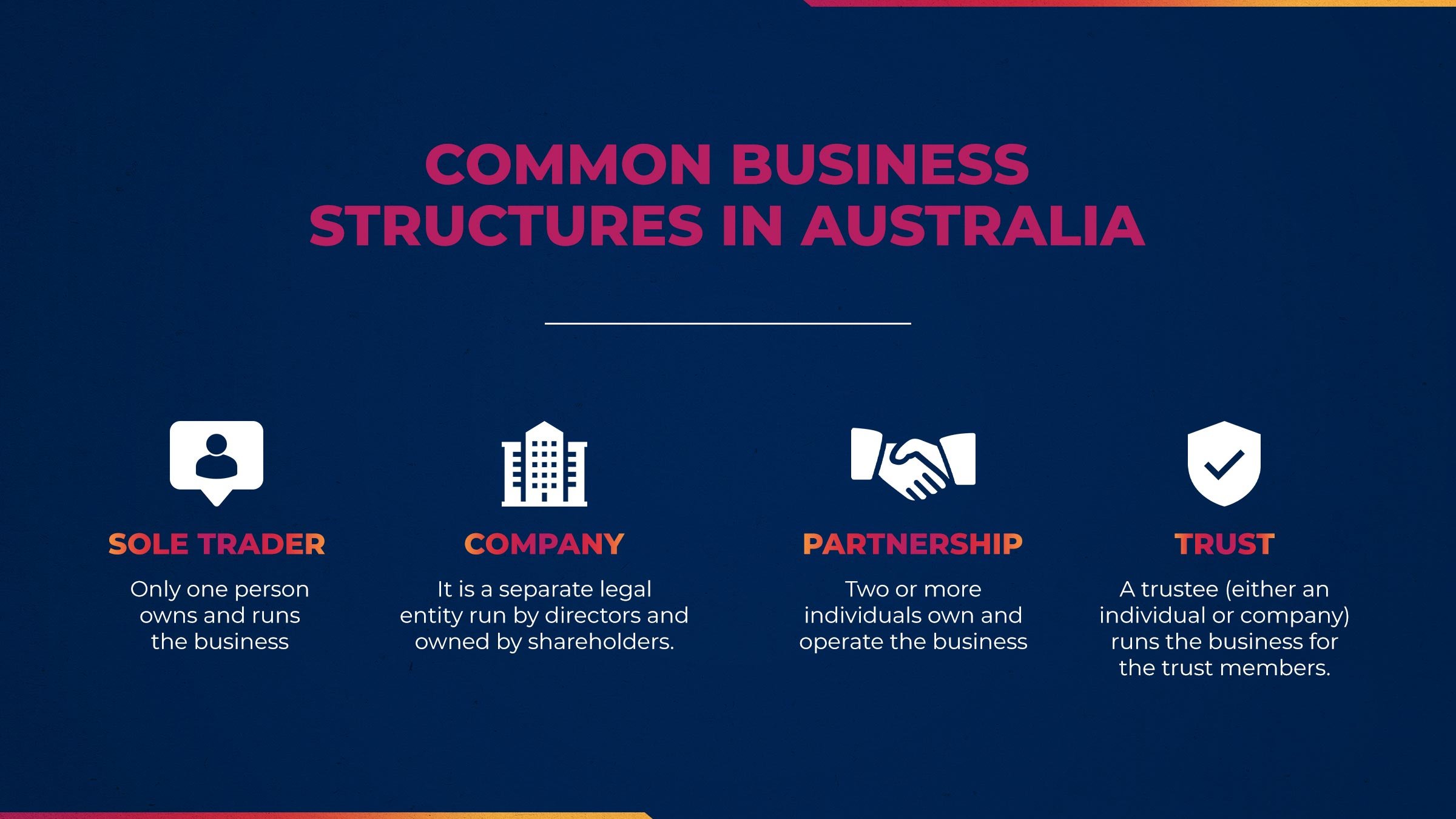
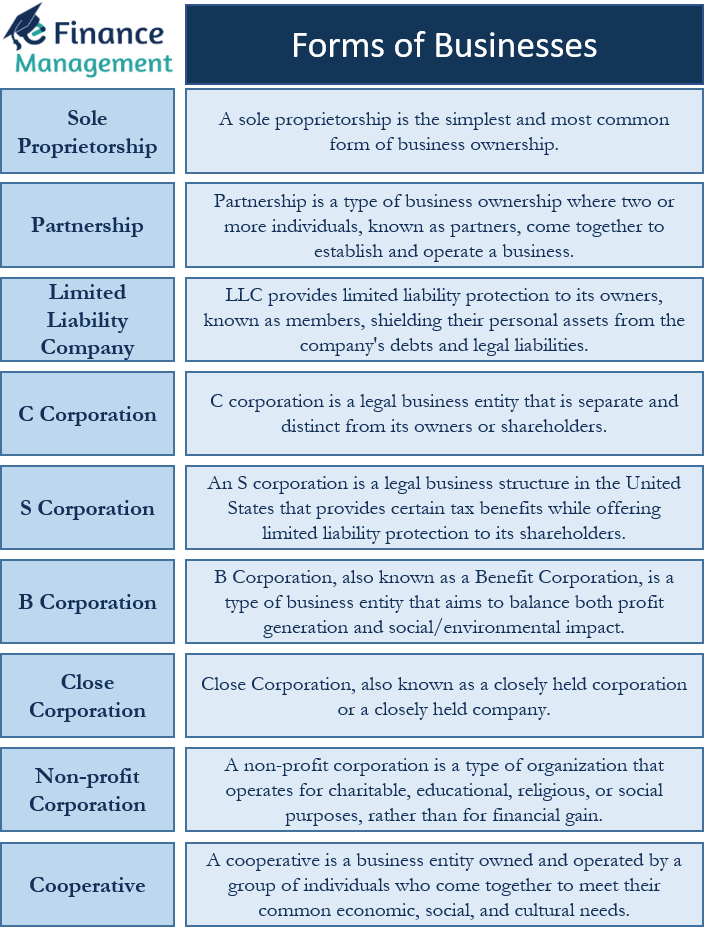
Here are the most common types of business structures:- Sole Proprietorship: A sole proprietorship is a business owned and operated by one individual. In a sole proprietorship, the owner has complete control over the business and is responsible for all debts and liabilities. Pros: easy to set up, minimal taxes, and complete control. Cons: unlimited personal liability, limited growth potential.
- Partnership: A partnership is a business owned and operated by two or more individuals. In a partnership, the owners share profits and losses equally and are jointly responsible for debts and liabilities. Pros: shared profits, shared responsibilities, and easy to set up. Cons: unlimited personal liability, potential for conflicts between partners.
- Limited Liability Company (LLC): An LLC is a hybrid business structure that combines the personal liability protection of a corporation with the tax benefits of a partnership. In an LLC, the owners (known as members) have limited personal liability and are taxed on their individual tax returns. Pros: limited personal liability, pass-through taxation, and flexibility in ownership and management. Cons: complex to set up, ongoing compliance requirements.
- Corporation: A corporation is a separate legal entity from its owners (known as shareholders). In a corporation, the shareholders have limited personal liability and are taxed on their individual tax returns. Pros: limited personal liability, raise capital from investors, and separate tax treatment. Cons: complex to set up, ongoing compliance requirements, and double taxation.
- S Corporation (S Corp): An S Corp is a type of corporation that elects to be taxed on the owner's individual tax returns. In an S Corp, the owners (known as shareholders) have limited personal liability and are taxed on their individual tax returns. Pros: pass-through taxation, limited personal liability, and flexibility in ownership and management. Cons: complex to set up, ongoing compliance requirements, and restrictions on ownership and structure.
Choosing the Right Business Structure
When choosing a business structure, consider the following factors: * Taxes