Blue Light and Digital Eye Strain: Understanding the Connection
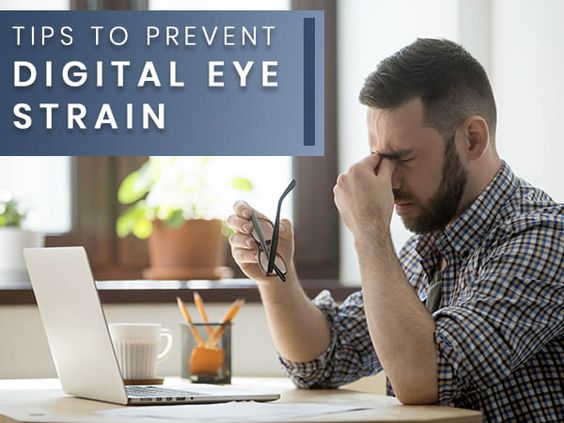
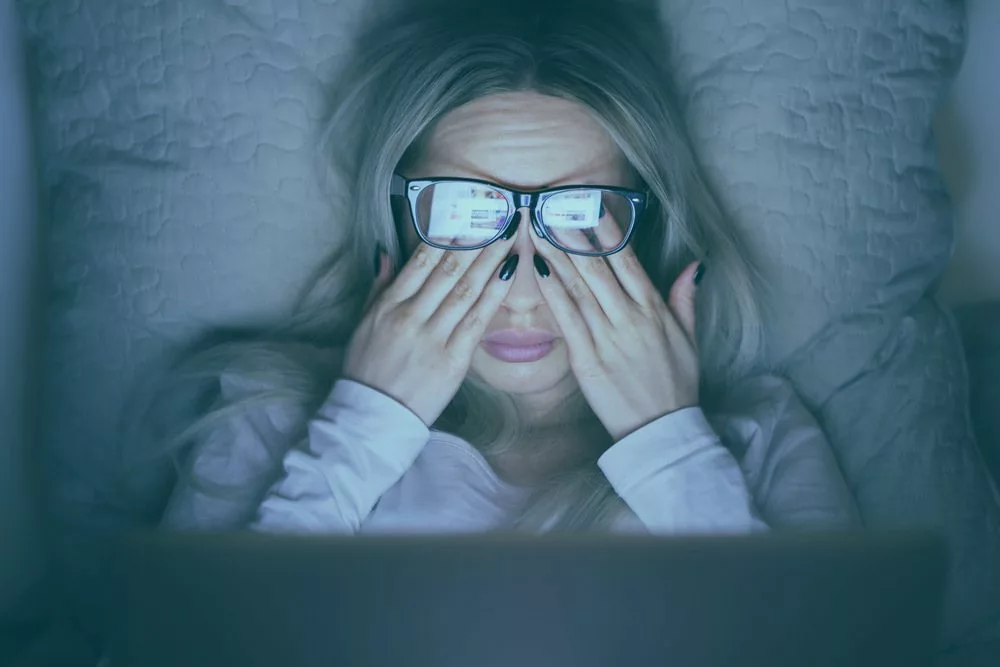
Have you ever experienced eye fatigue, dryness, and headaches after spending extended periods on digital devices? If yes, you're not alone. Digital eye strain, also known as computer vision syndrome, is a common condition affecting many people worldwide. It's a group of eye and vision-related problems resulting from prolonged use of digital devices.
One of the key factors contributing to digital eye strain is blue light emitted by digital devices. Blue light, also known as high-energy visible (HEV) light, is a type of electromagnetic radiation with a shorter wavelength than other colors in the visible light spectrum. It's emitted by digital screens, including computers, smartphones, tablets, and televisions.
What is Blue Light? How Does it Affect the Eyes?
Blue light plays a significant role in regulating alertness and mood during the day. However, excessive artificial exposure to blue light, particularly at night, can disrupt our natural sleep-wake cycles. When blue light enters the eye, it stimulates the brain, making us feel more alert and awake. This can lead to difficulty falling asleep and decreased quality of sleep.
The theory is that blue light passes through the cornea and lens directly into the retina, leading to a variety of issues resulting from digital eye strain (also known as computer vision syndrome). This can cause eye discomfort, dryness, blurred vision, and headaches.
The Risk of Blue Light and Digital Eye Strain
The risk of digital eye strain increases with extended screen time. Prolonged use of digital devices without breaks can lead to eye strain, particularly if we're not using proper eye care habits. Factors contributing to digital eye strain include:
- Duration of screen time
- Inappropriately adjusted screen settings
- Poor positioning of screens
- Prolonged exposure to blue light
How to Prevent Digital Eye Strain and Blue Light Exposure
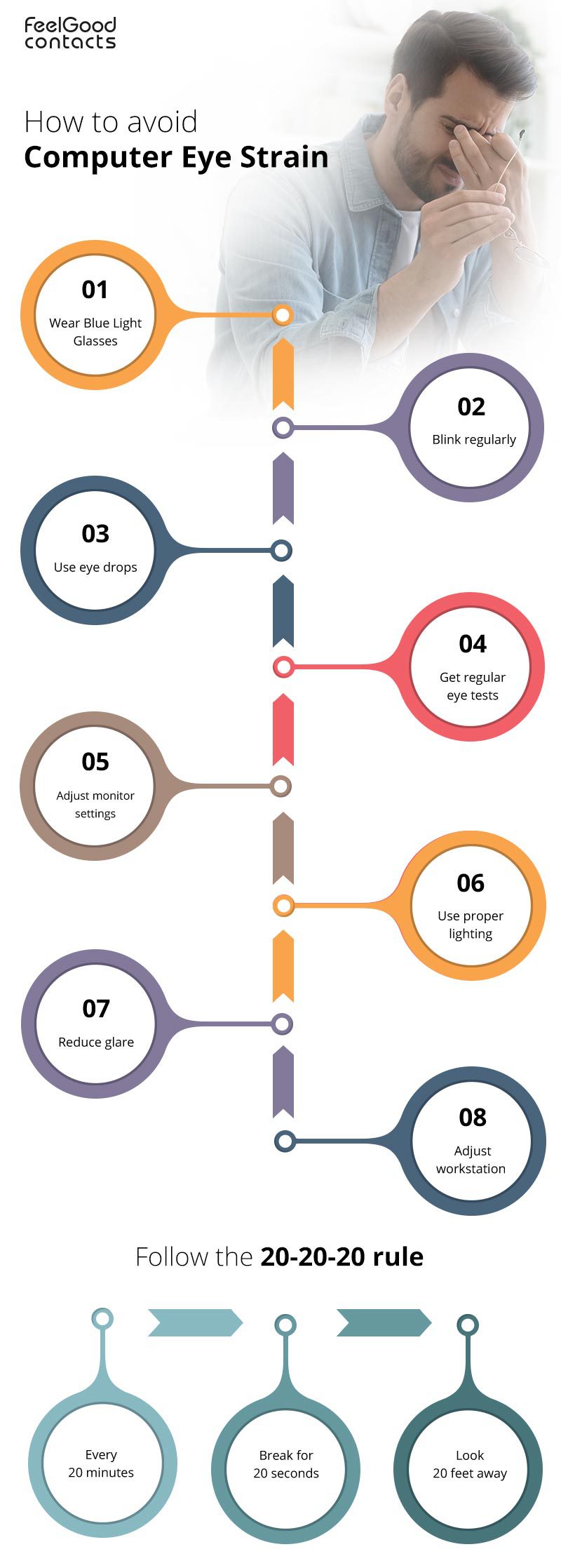
Fortunately, there are several ways to prevent digital eye strain and blue light exposure. Here are some expert-backed tips:
- The 20-20-20 rule: Every 20 minutes, look away from your screen and focus on something 20 feet away for 20 seconds.
- Ergonomic adjustments: Position your computer monitor at a comfortable distance, and adjust the brightness and contrast settings.
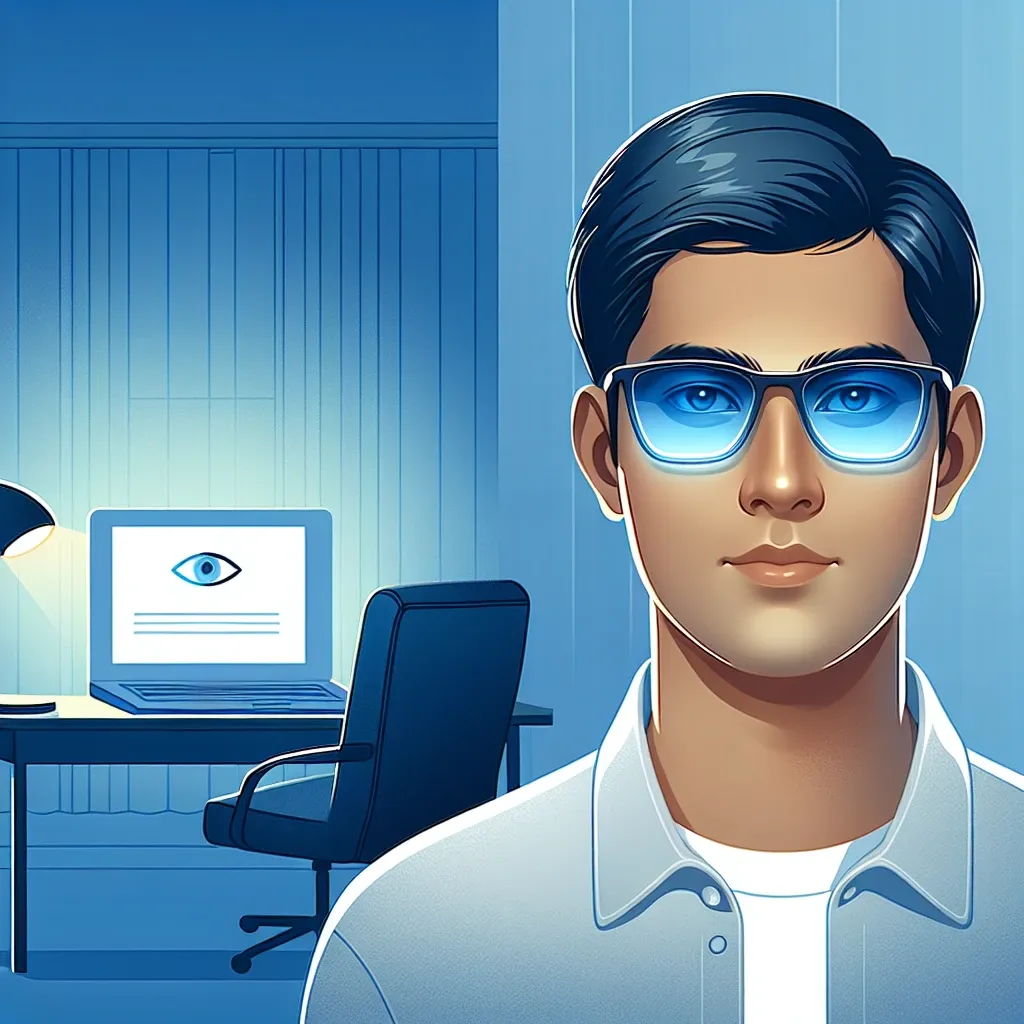
- Blue light filters: Use software or glasses with blue light filters to reduce exposure to blue light.
- Eye protection software: Consider using eye protection software that reduces eye strain and improves sleep.
Blue Light Blocking Glasses: Do They Really Work?
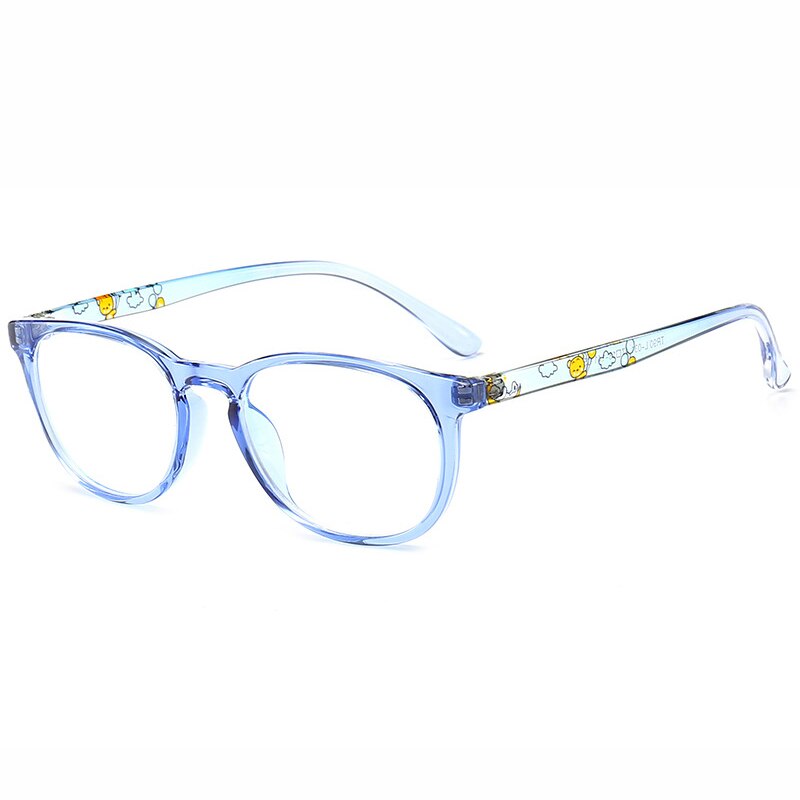
Blue light blocking glasses have become popular in recent years to reduce digital eye strain. These glasses filter high-energy visible light (400-490nm) emitted by digital screens. However, it's essential to note that natural blue light from sunlight is essential for regulating alertness and mood during the day.
When choosing blue light blocking glasses, consider the following:
- Look for glasses with yellow-tinted lenses that block blue light.
- Anti-reflective lenses reduce glare and increase contrast.
- Classic tortoiseshell frame reading glasses feature blue light blocking to reduce digital eye strain from screens.
Conclusion
Blue light and digital eye strain are interconnected issues affecting many people worldwide. By understanding the risks and taking preventive measures, you can reduce the likelihood of digital eye strain and protect your eye health. Incorporate the 20-20-20 rule, ergonomic adjustments, blue light filters, and eye protection software into your daily routine. Consider blue light blocking glasses as an additional preventive measure. With these simple habits, you can shield your eyes from the impacts of blue light and digital eye strain.