Blue Light and Mental Health: Understanding the Hidden Connections
Are you aware of the potential impact of blue light on your mental health? For years, we've been warned about the dangers of excessive screen time and its effects on our physical health. However, the relationship between blue light and mental health is more complex and far-reaching than we ever imagined.
What is Blue Light and How Does it Affect Mental Health?
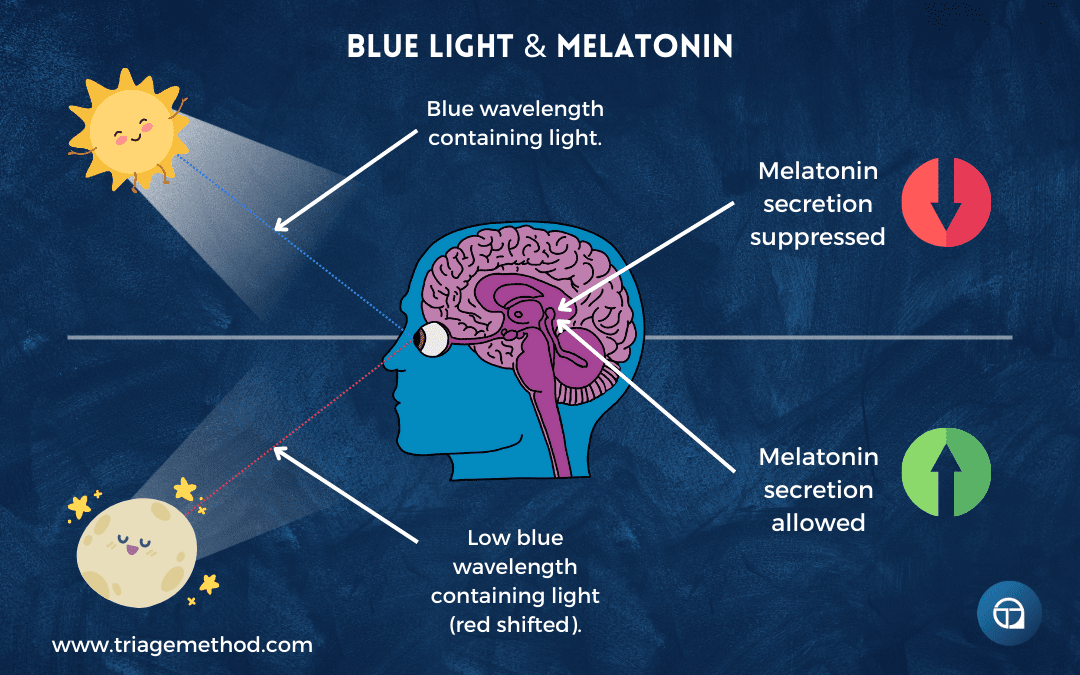
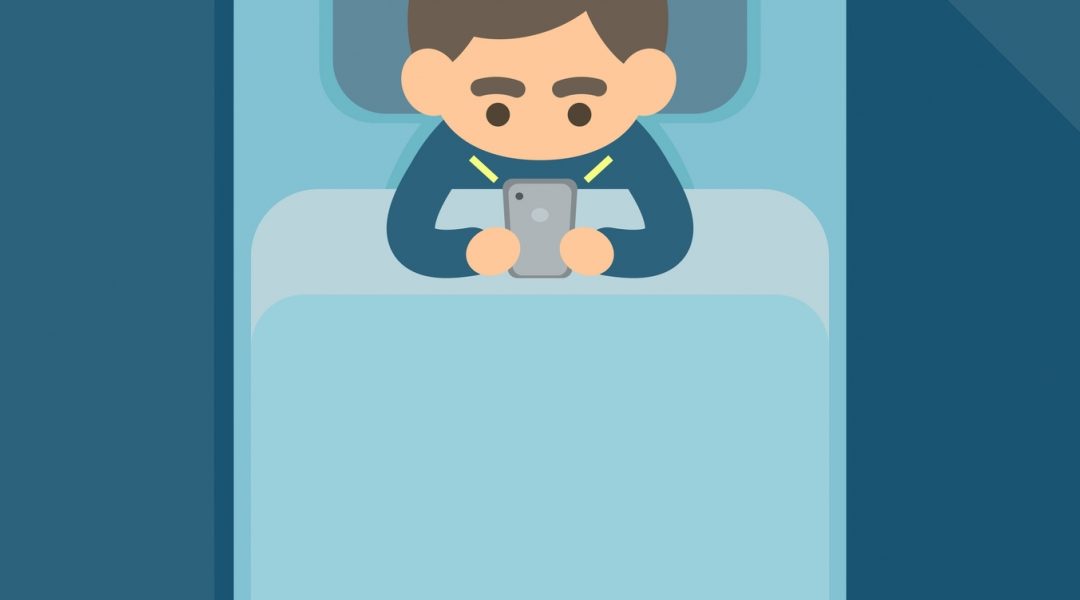
Blue light, a type of high-energy visible (HEV) light, is emitted by electronic devices such as smartphones, tablets, and computers. When we stare at screens for extended periods, our eyes absorb this blue light, which can suppress the production of melatonin, a hormone that regulates our sleep-wake cycles. Chronic exposure to blue light has been linked to various mental health issues, including:
- Insomnia and sleep disorders
- Depression and anxiety
- Mood disorders, such as irritability and stress
- Difficulty concentrating and focus
How Blue Light Disrupts Mental Health
Research suggests that blue light exposure can alter the way our brains function, affecting cognitive performance, mood regulation, and emotional well-being. Here are some interesting findings:
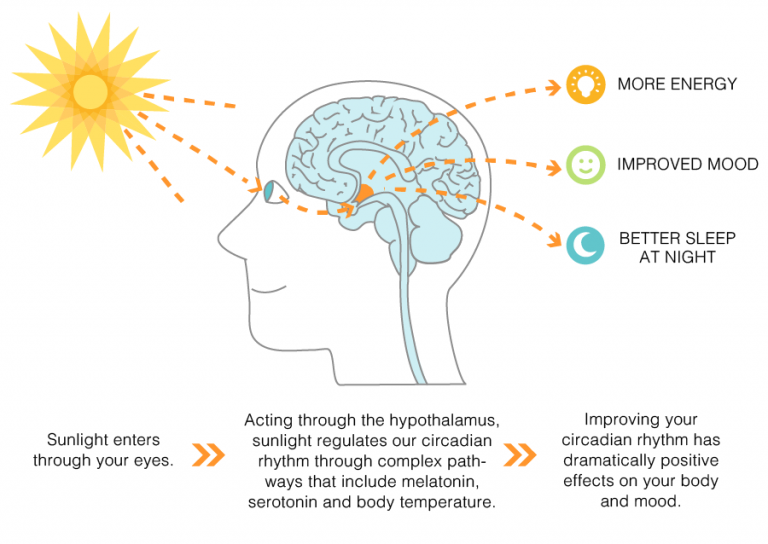
- Studies have shown that exposure to blue light can decrease the levels of melatonin, leading to sleep deprivation and related mental health issues.
- Blue light can also affect the production of serotonin, a neurotransmitter responsible for regulating mood, appetite, and sleep.
- Exposure to blue light can lead to increased melatonin suppression, which can disrupt the body's natural circadian rhythm.
Practical Strategies to Mitigate Blue Light Effects
While it's not possible to completely eliminate blue light from our lives, there are some simple yet effective strategies to reduce its negative impact:
- Use blue light filtering glasses, apps, or software to reduce exposure.
- Avoid screens for at least an hour before bedtime.
- Improve indoor lighting by using warm-toned light bulbs.
- Practice relaxation techniques, such as deep breathing, meditation, or yoga.
- Set boundaries around screen time and prioritize outdoor activities.
Conclusion
Blue light and mental health are intricately linked, and ignoring this connection can have severe consequences. By understanding the potential risks and taking practical steps to minimize exposure, we can safeguard our mental well-being and promote healthier habits. Remember, being mindful of our screen time and adopting stress-reducing techniques can be a powerful first step towards a happier, healthier you.