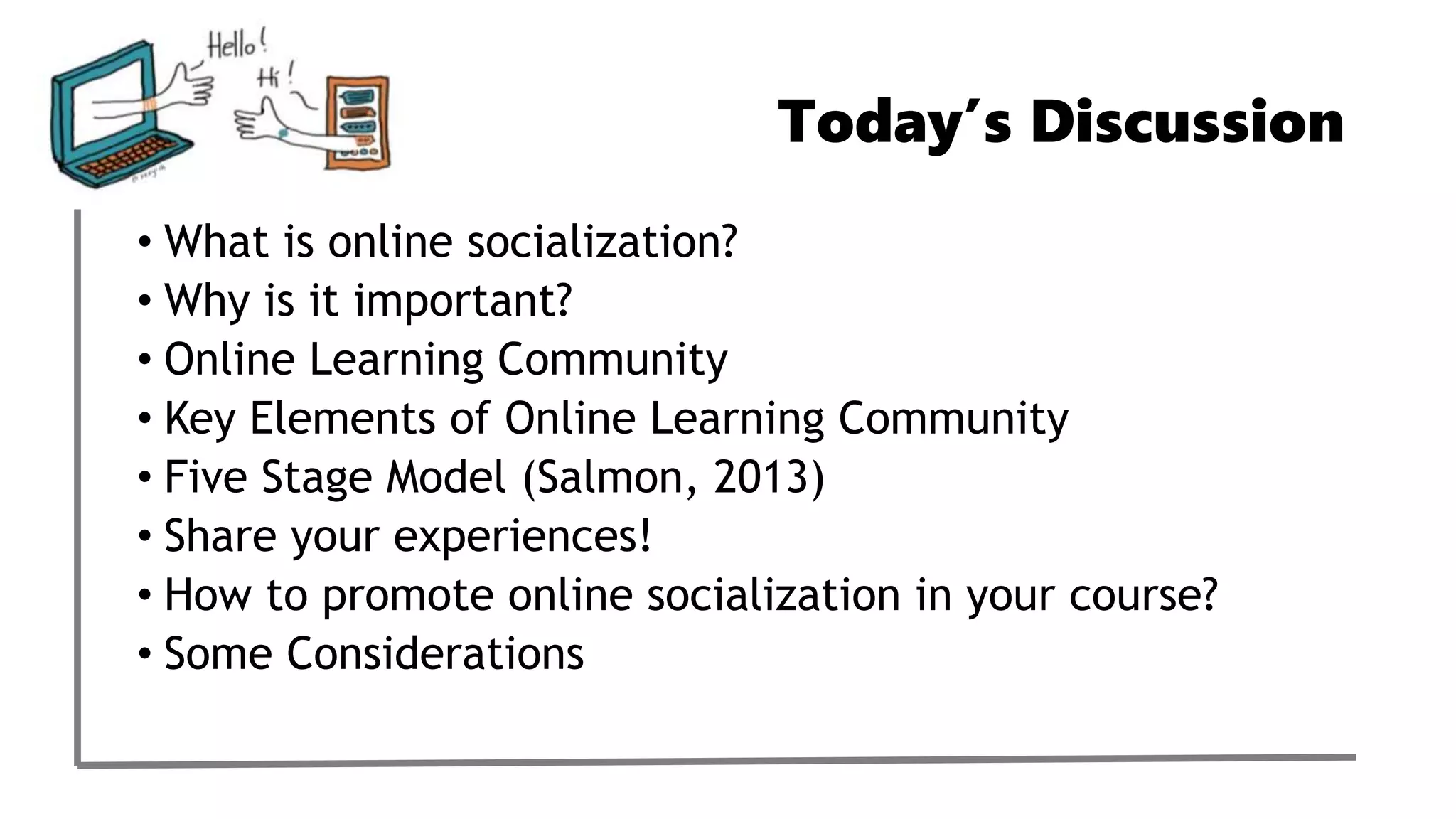
Understanding Online Socialization: A Critical Component of Modern Learning
As technology continues to revolutionize the way we live and learn, the concept of socialization has undergone a significant transformation. Gone are the days when socialization was limited to physical interactions in traditional classroom settings. Today, online socialization has emerged as a vital aspect of modern learning, enabling individuals to connect, interact, and build relationships beyond geographical boundaries.
The Rise of Online Socialization
Online socialization refers to the process of creating and maintaining social connections, friendships, and relationships in virtual environments. It encompasses various platforms, including social media, online forums, and virtual learning environments. With the proliferation of digital technologies, online socialization has become an essential component of modern learning, providing individuals with opportunities to interact with peers, teachers, and industry professionals in real-time.
Benefits of Online Socialization
Online socialization offers a range of benefits, including increased access to knowledge, skills, and resources. It enables individuals to connect with others who share similar interests, passions, and goals, fostering a sense of community and belonging. Online socialization also provides opportunities for personal and professional growth, helping individuals develop essential skills such as communication, collaboration, and problem-solving.
Challenges of Online Socialization
While online socialization offers numerous benefits, it also presents several challenges. One of the significant challenges is maintaining a balance between online and offline interactions. Excessive online socialization can lead to social isolation, decreased face-to-face communication skills, and increased stress levels. Additionally, online socialization can also be affected by issues such as cyberbullying, online harassment, and data privacy concerns.
Strategies for Effective Online Socialization
To overcome the challenges and maximize the benefits of online socialization, individuals can employ various strategies. These include:
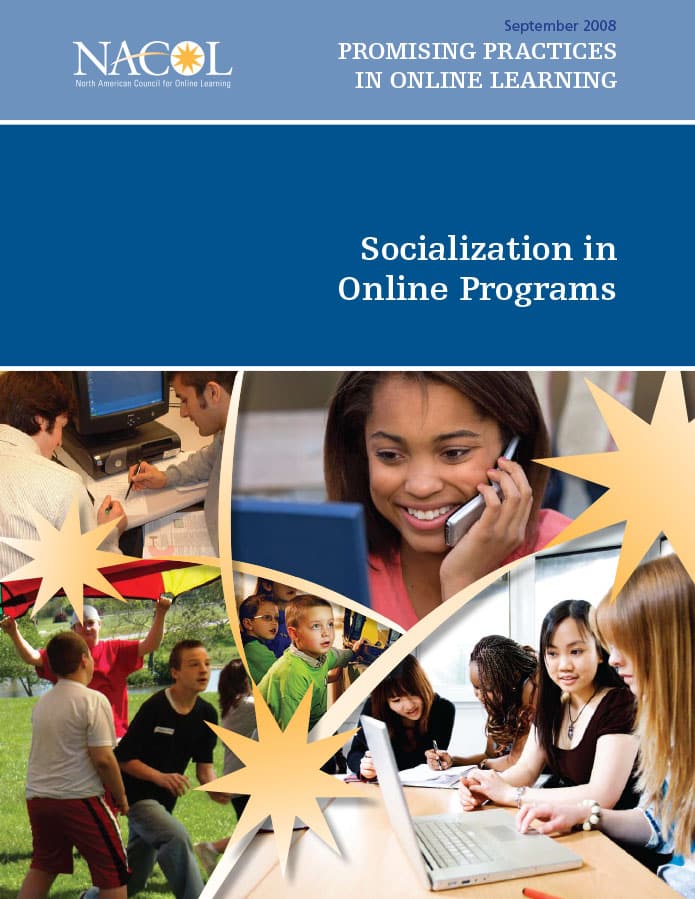
- Setting boundaries between online and offline interactions
- Practicing face-to-face communication skills
- Joining online communities and forums related to specific interests
- Engaging in online collaborative projects and group work
- Seeking guidance and support from teachers, mentors, and peers
Conclusion
Online socialization is a critical component of modern learning, providing individuals with opportunities to connect, interact, and build relationships beyond geographical boundaries. While it offers numerous benefits, it also presents several challenges that need to be addressed. By employing effective strategies and maintaining a balance between online and offline interactions, individuals can maximize the benefits of online socialization and achieve personal and professional growth.
Recommendations for Educators and Parents
Teachers, educators, and parents play a vital role in promoting online socialization and ensuring its effectiveness. Recommendations include:
- Integrating online socialization activities into curriculum design
- Providing guidance and support to students in navigating online socialization challenges
- Monitoring and addressing online harassment and cyberbullying concerns
- Encouraging face-to-face communication skills development
- Helping students develop essential skills such as time management, organization, and digital literacy
Future Directions
As online socialization continues to evolve, it is essential to consider future directions that promote its effectiveness and address emerging challenges. These include:
- Developing innovative technologies that support online socialization
- Creating online learning environments that foster engagement, collaboration, and community building
- Establishing online socialization policies and guidelines for educators and parents
- Conducting research on online socialization best practices and their impact on learning outcomes