Causes and Effects of Information Overload
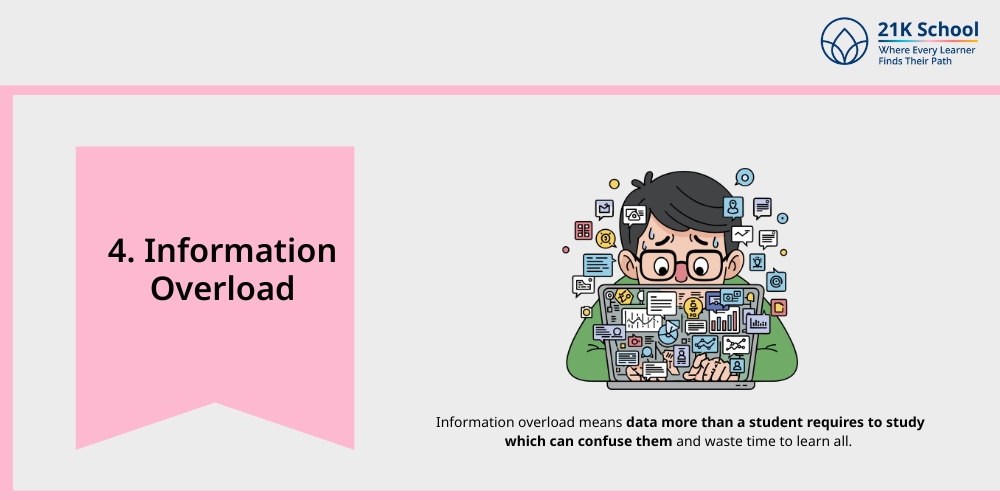
In today's digital age, we're constantly bombarded with information from various sources such as social media, news outlets, emails, and online searches. This excessive exposure to information leads to a state known as information overload, where an individual struggles to process, manage, or use the available information effectively. Information overload is a pervasive problem affecting decision-making, productivity, and wellbeing, and understanding its causes and effects is crucial for developing effective strategies to manage it.
The Causes of Information Overload
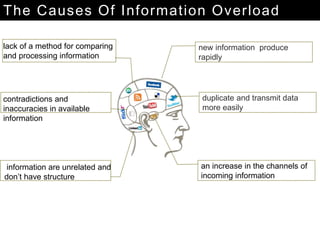
Information overload is a complex issue with multiple causes. Some of the main causes include:
- Excessive Data Influx**: The rapid growth of digital information has led to an influx of data, exceeding cognitive processing capacity. This can cause mental fatigue, decreased focus, and poor decision-making.
- Multiple Information Sources**: The proliferation of information sources, such as social media, news outlets, and online searches, makes it difficult for individuals to filter and prioritize relevant information.
- Pressure for Quantity over Quality**: The emphasis on producing large volumes of information, often at the expense of quality, contributes to information overload. This can be seen in academic settings, where quantity is often prioritized over quality.
- Digitalization of the Workplace**: The growing use of information and communication technologies (ICTs) has led to an increase in digital communication, collaboration, and information sharing. While ICTs have many benefits, they also contribute to information overload.
The Effects of Information Overload
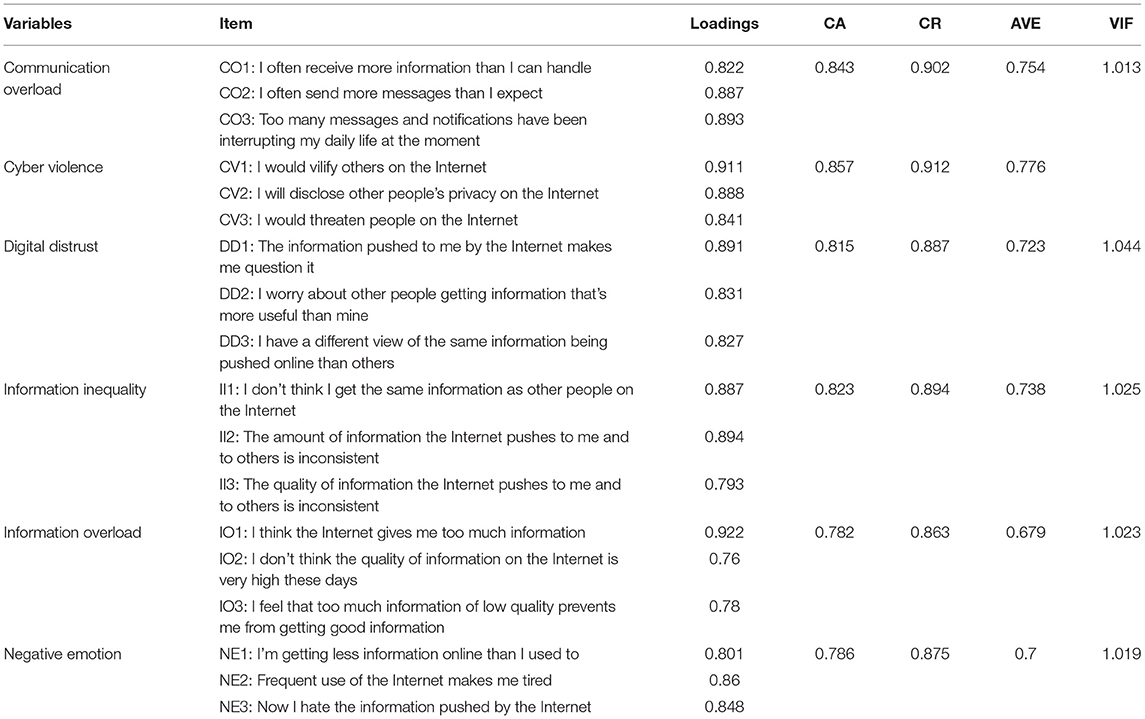
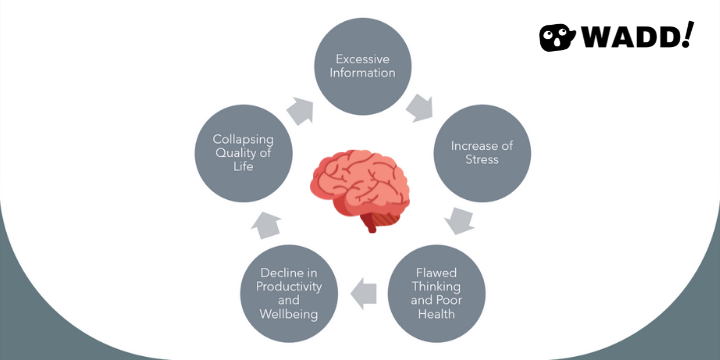
The effects of information overload are far-reaching and can have significant impacts on individual wellbeing and organizational performance. Some of the effects include:
- Mental Fatigue**: Information overload can lead to mental fatigue, affecting cognitive function, memory, and decision-making skills.
- Decreased Productivity**: Information overload can cause individuals to become overwhelmed, leading to decreased productivity, missed deadlines, and reduced performance.
- Poor Decision-Making**: Information overload can result in poor decision-making, as individuals are unable to sift through the available information to make informed choices.
- Stress and Anxiety**: Information overload can contribute to stress and anxiety, affecting mental health and wellbeing.
Strategies for Managing Information Overload
Fortunately, there are strategies that can help manage information overload. Some of these strategies include:
- Filtering and Prioritizing Information**: Developing effective filtering and prioritizing skills can help individuals focus on the most relevant and important information.
- Setting Boundaries**: Establishing boundaries around information consumption, such as limiting social media use or setting aside specific times for checking emails, can help manage information overload.
- Seeking Help**: Collaborating with others, seeking guidance from experts, or using technology to automate tasks can help alleviate information overload.
- Cultivating Critical Thinking Skills**: Developing critical thinking skills can help individuals sift through information, identify patterns, and make informed decisions.
Conclusion
Information overload is a pervasive problem affecting decision-making, productivity, and wellbeing. Understanding its causes and effects is crucial for developing effective strategies to manage it. By filtering and prioritizing information, setting boundaries, seeking help, and cultivating critical thinking skills, individuals can reduce the impact of information overload and thrive in today's digital age.
References
No references are provided in this article as it is based on the information provided in the snippet and is an original piece of work.