What is a Dopamine Loop
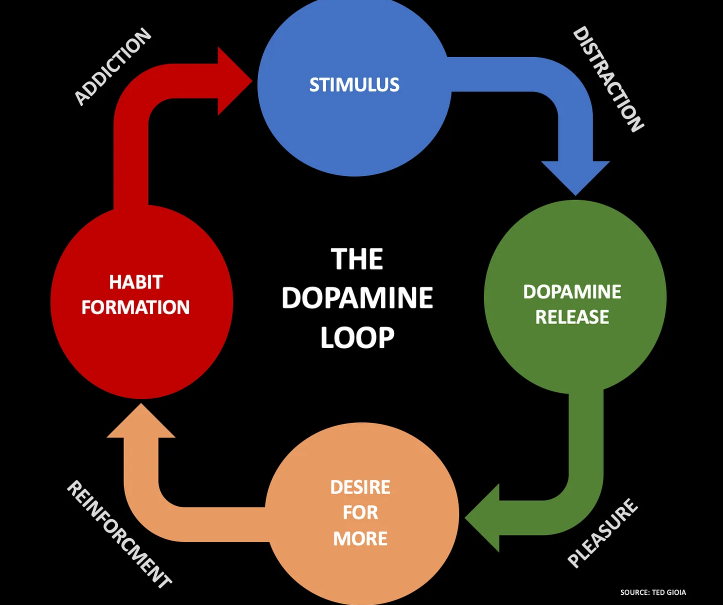
Indulge in this in-depth exploration of the dopaminergic system and its influence on human behavior, decision-making, and digital interactions in today's fast-paced world. A dopamine loop, also known as the "seeking-reward loop," is a natural and essential process in our brain that fuels motivation, craving, and addiction.
How Dopamine Fuels Motivation and Addiction
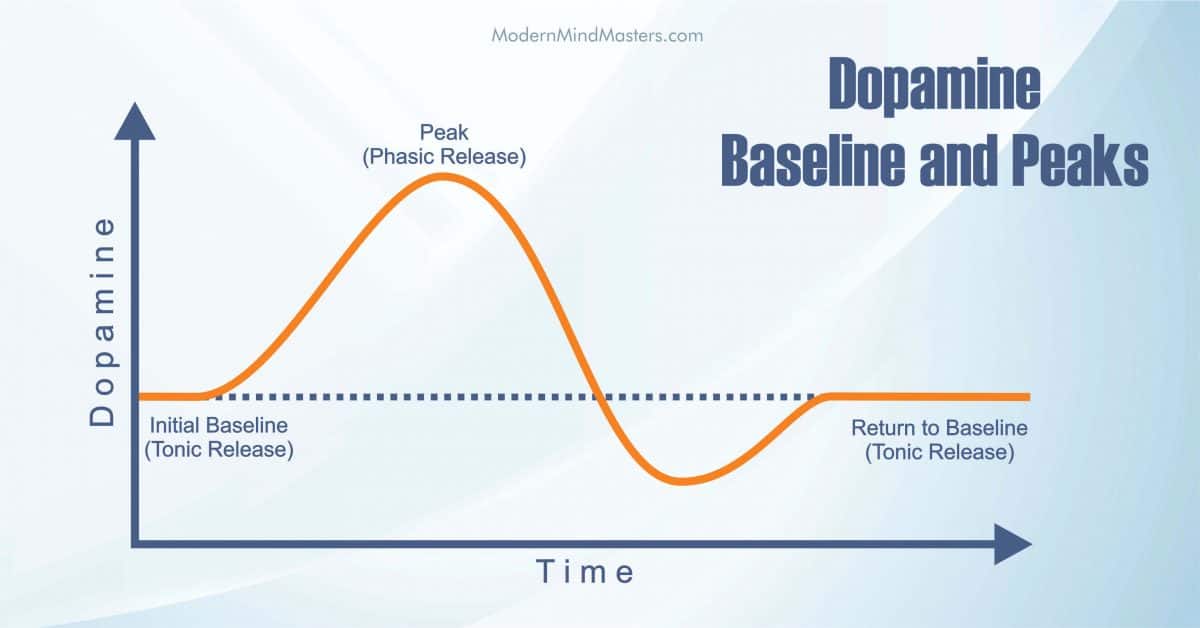
Dopamine, often referred to as the "feel-good" or "motivation" chemical, plays a crucial role in our brain's reward system. When we engage in enjoyable activities, our brain releases dopamine, which reinforces those behaviors, making us want to repeat them. This creates a positive feedback loop, where our brain craves more rewards, and our ability to disengage weakens.
The Science Behind Dopamine Loops
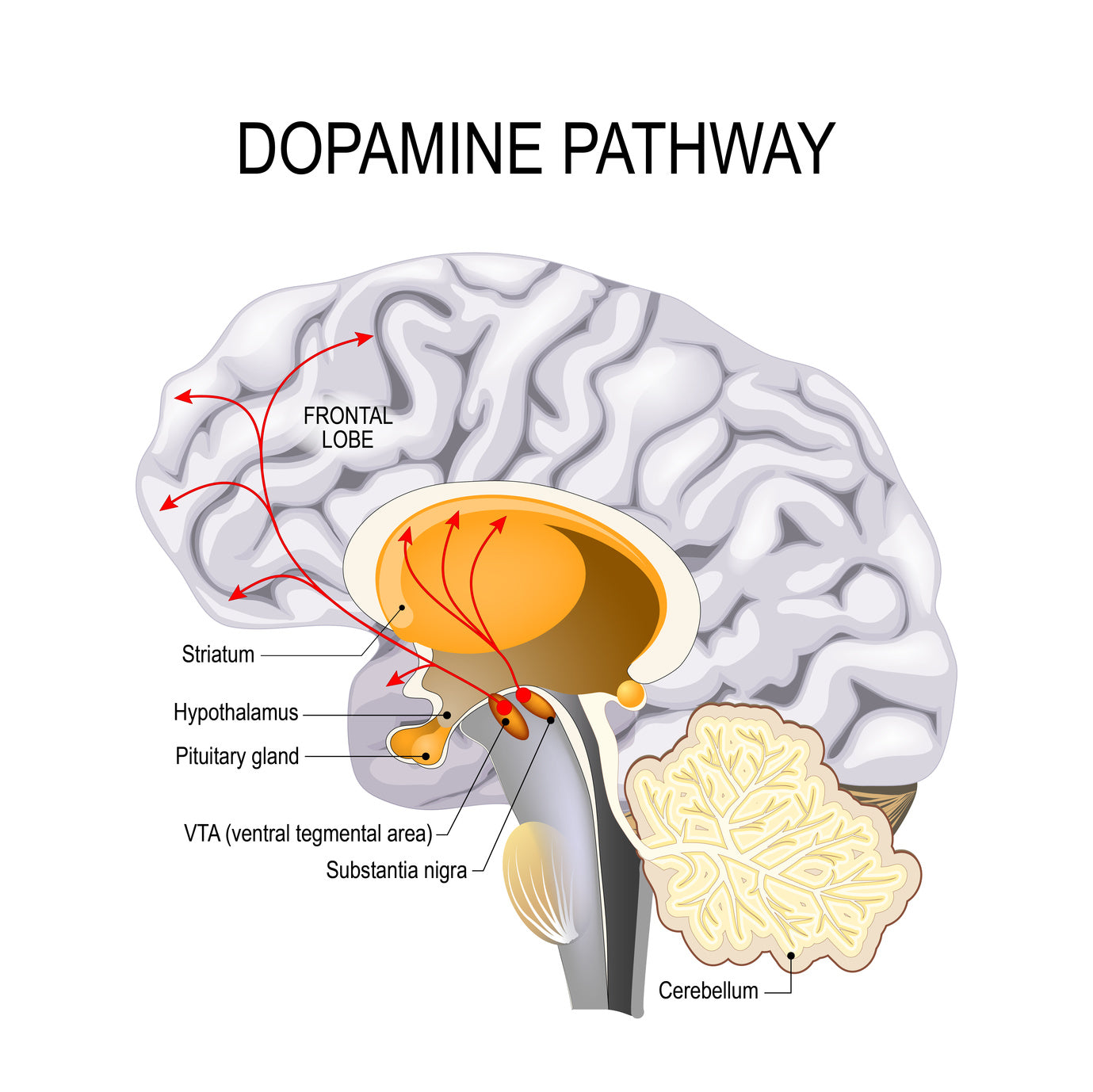
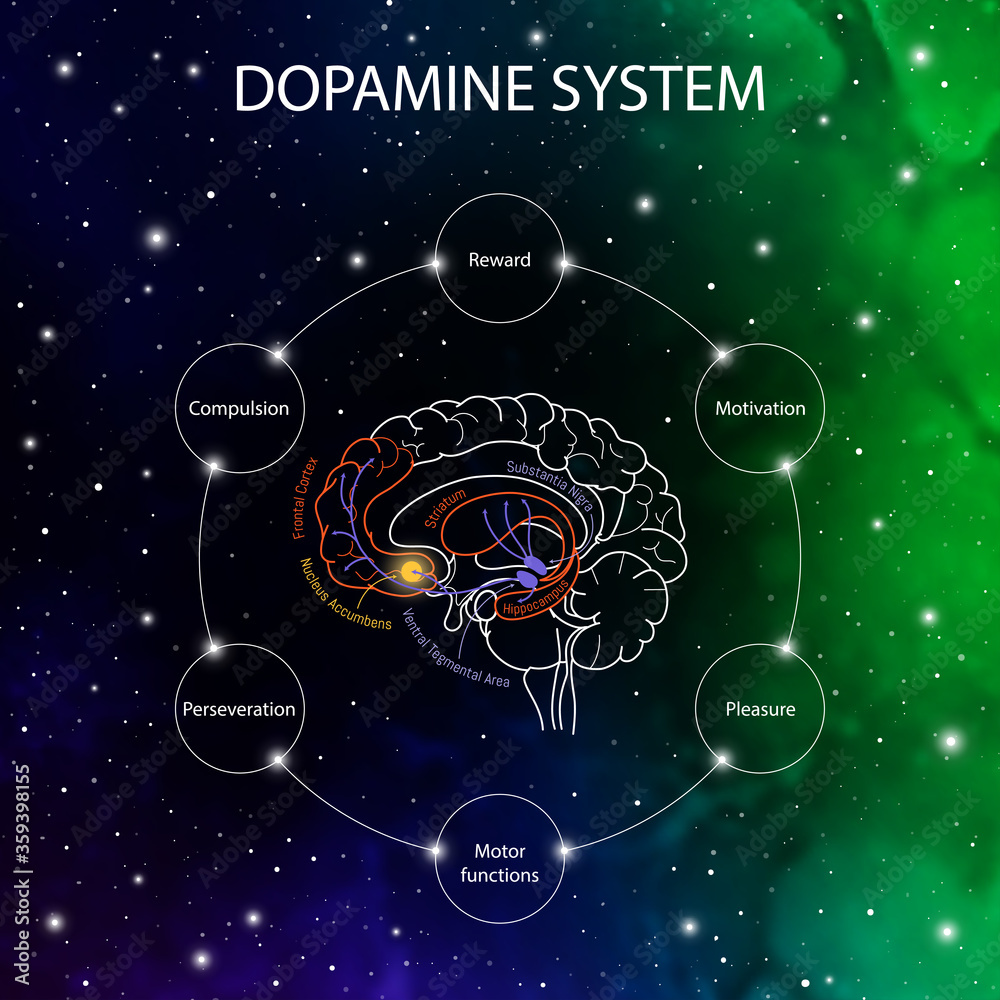
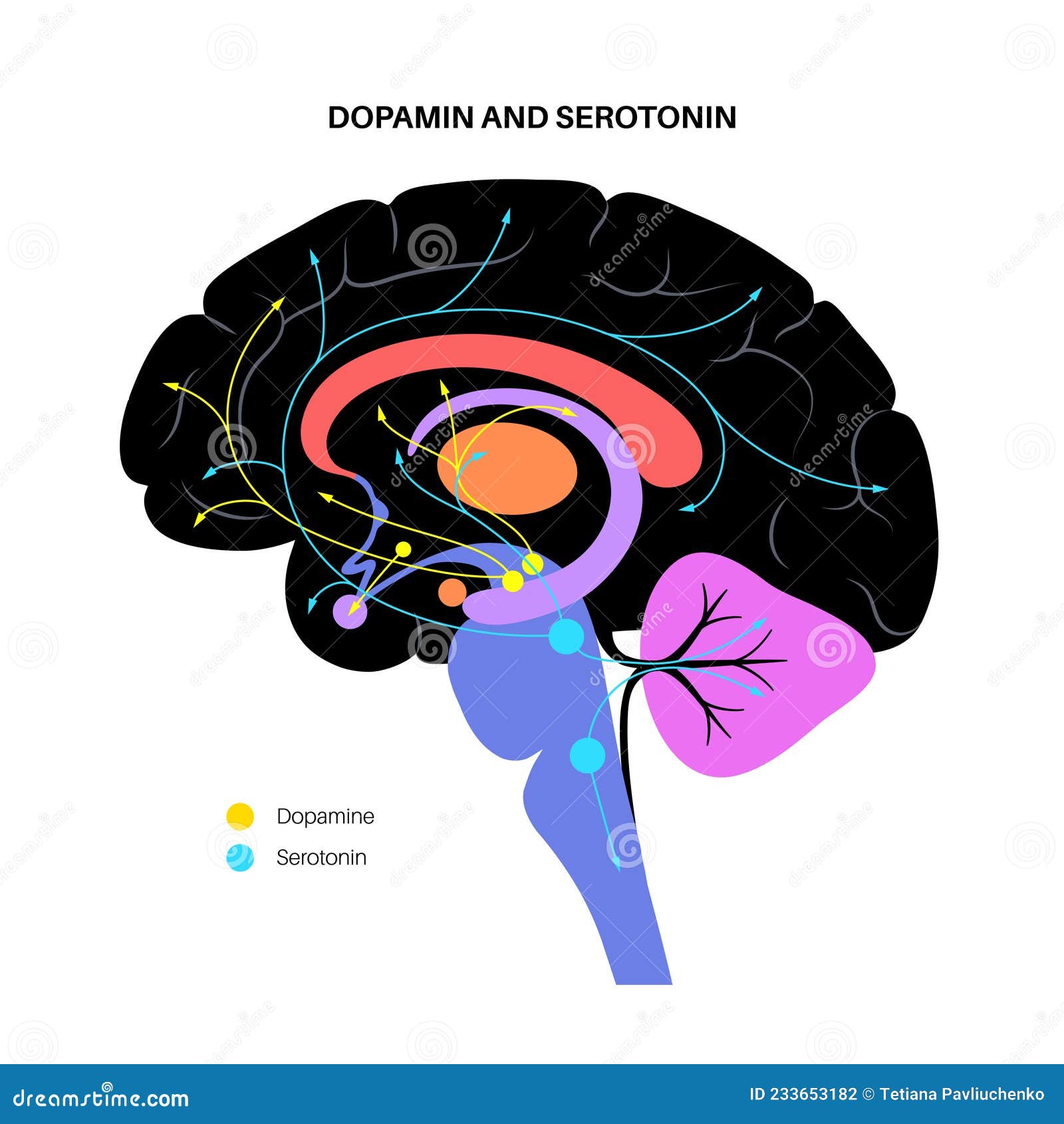
- Ventral Tegmental Area (VTA): The brain's reward system is a network of structures, including the VTA, which releases dopamine in response to rewarding stimuli.
- Nucleus Accumbens (NAc): Dopamine binds to receptors in the NAc, activating feelings of pleasure and motivation.
- Neural Circuits: Dopamine loops are formed when neural circuits return output as input to drive future operations and behaviors.
Examples of Dopamine Loops in Action
From social media to nicotine addiction, dopamine loops are present in various aspects of our lives:
- Impaired Regulation: Individuals with ADHD often experience lower baselines of dopamine, leading to cravings for stimulation and impulsive behaviors.
- Novelty Seekers: The brain's reward system is activated by unpredictable rewards, triggering dopamine release and driving individuals to seek more.
- Thought Loops: Engaging in abstract thinking or conceptualization can activate dopamine, reinforcing thought patterns.
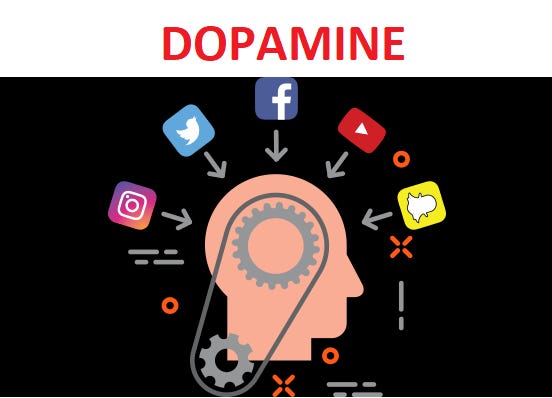
- Binary Rewards: Apps and video games often exploit the brain's reward system by using binary rewards, such as "achievements" or "points," triggering dopamine release and addiction.

Breaking the Dopamine Loop
Understanding the mechanisms behind dopamine loops is key to breaking unhelpful patterns and encouraging healthier behaviors:
- Practice Mindfulness: Recognize when you're engaging in a dopamine loop and make a conscious effort to disengage.
- Reframe Rewards: Redefine what constitutes a reward and choose healthier alternatives.
- Develop Strategies for Delayed Gratification: Use techniques like meditation, self-regulation, and cognitive-behavioral therapy to build self-control.
- Seek Professional Help: Consult with a therapist or counselor to address underlying issues and develop personalized strategies.
Conclusion
Dopamine loops are an integral aspect of our brain's reward system, driving motivation and addiction. By understanding the science behind these mechanisms and recognizing the subtle cues that trigger them, we can take the first steps towards breaking unhelpful patterns and cultivating healthier behaviors.
References
Learn more about the dopaminergic system and its influences on behavior by exploring the following resources:
* WhatIs.com * YourBrain mineralials * Psych Science