Understanding Computer Eye Strain
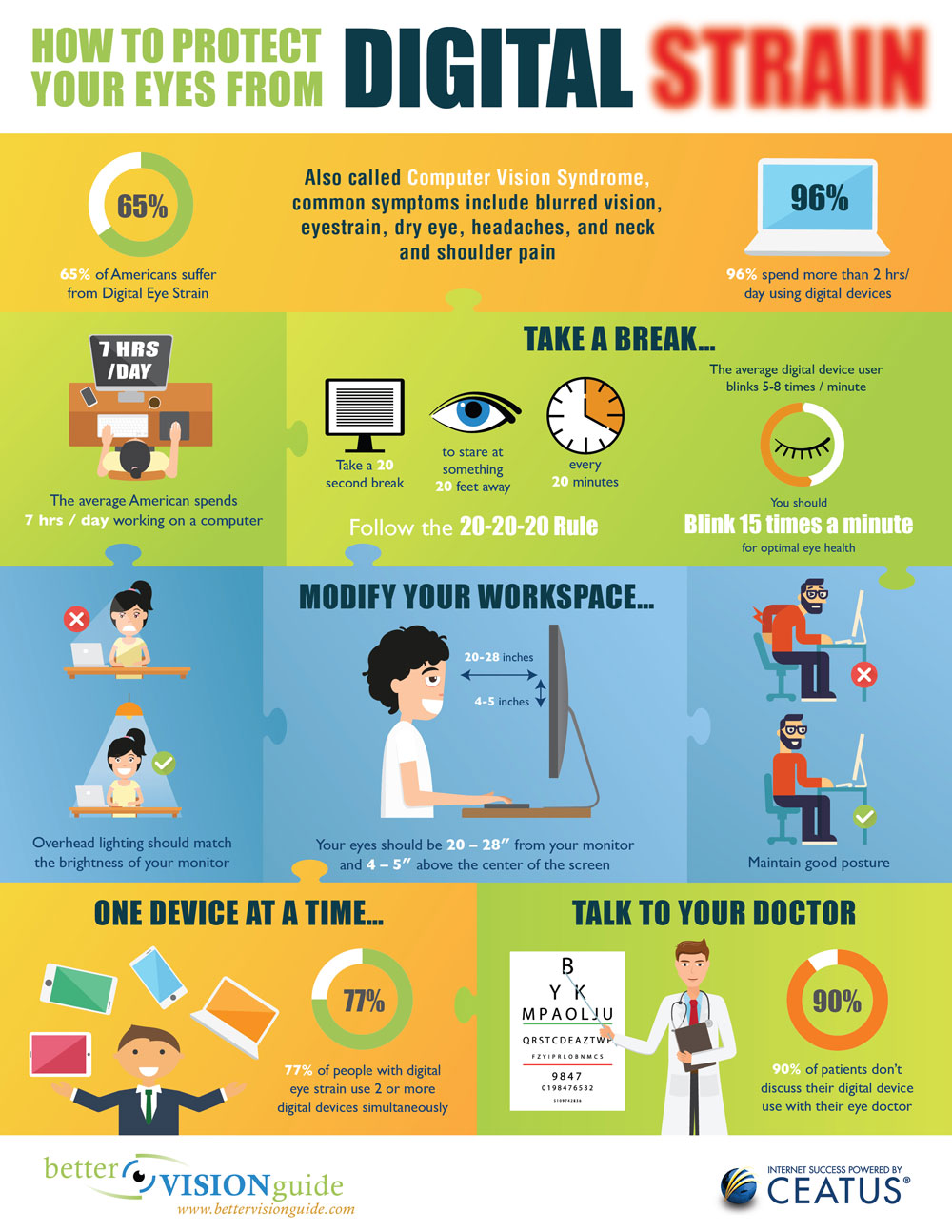
Computer Vision Syndrome (CVS) or digital eye strain refers to a range of eye and vision-related problems that occur from prolonged usage of digital devices such as computers, tablets, e-readers, and smartphones. It is a group of eye and vision-related problems that result from prolonged near vision activity, causing increased stress on the eyes.Causes of Computer Eye Strain
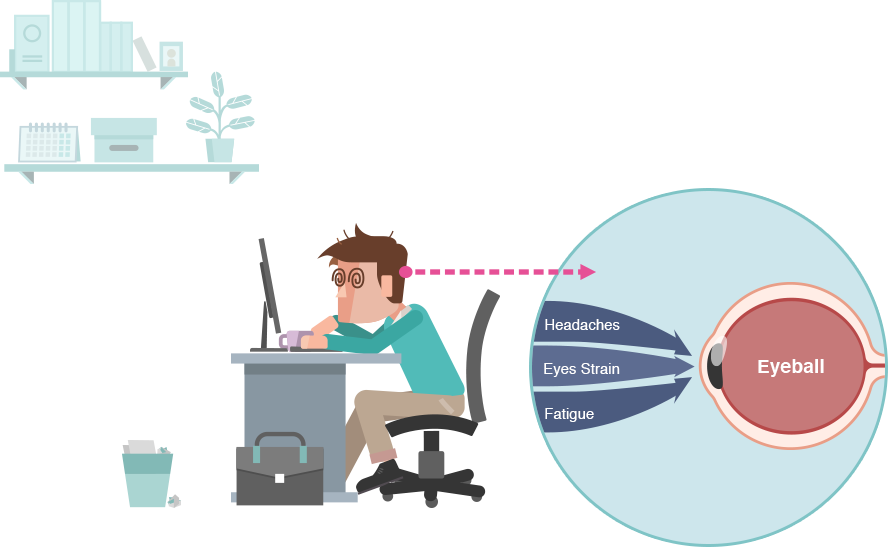
Eyestrain occurs when our eyes get tired from too much screen use or focus. The constant glare from computer screens, inadequate lighting, and poor eye movements all contribute to eye fatigue. Staring at digital devices for extended periods also leads to a decrease in the blinking rate, making the eyes dry and cranky.Common Symptoms of Computer Eye Strain
Some common symptoms of computer eye strain include:- Blurred vision
- Dry, red, and itchy eyes
- Headaches and backaches
- Neck and shoulder pain
- Muscle fatigue
Prevention Strategies for Computer Eye Strain
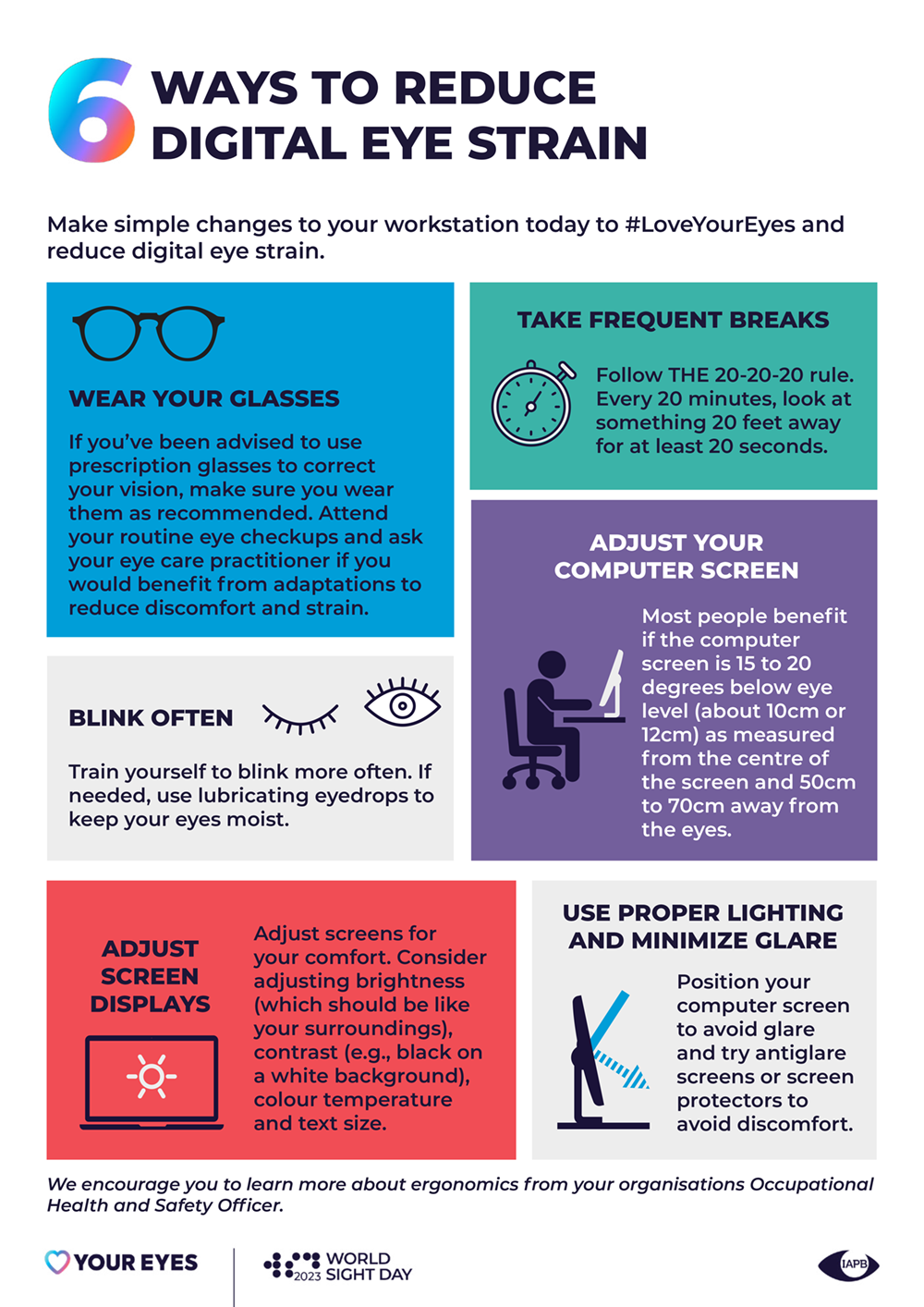
Preventing computer eye strain is relatively easy. Follow these simple tips to reduce eye fatigue and discomfort:Follow the 20-20-20 Rule
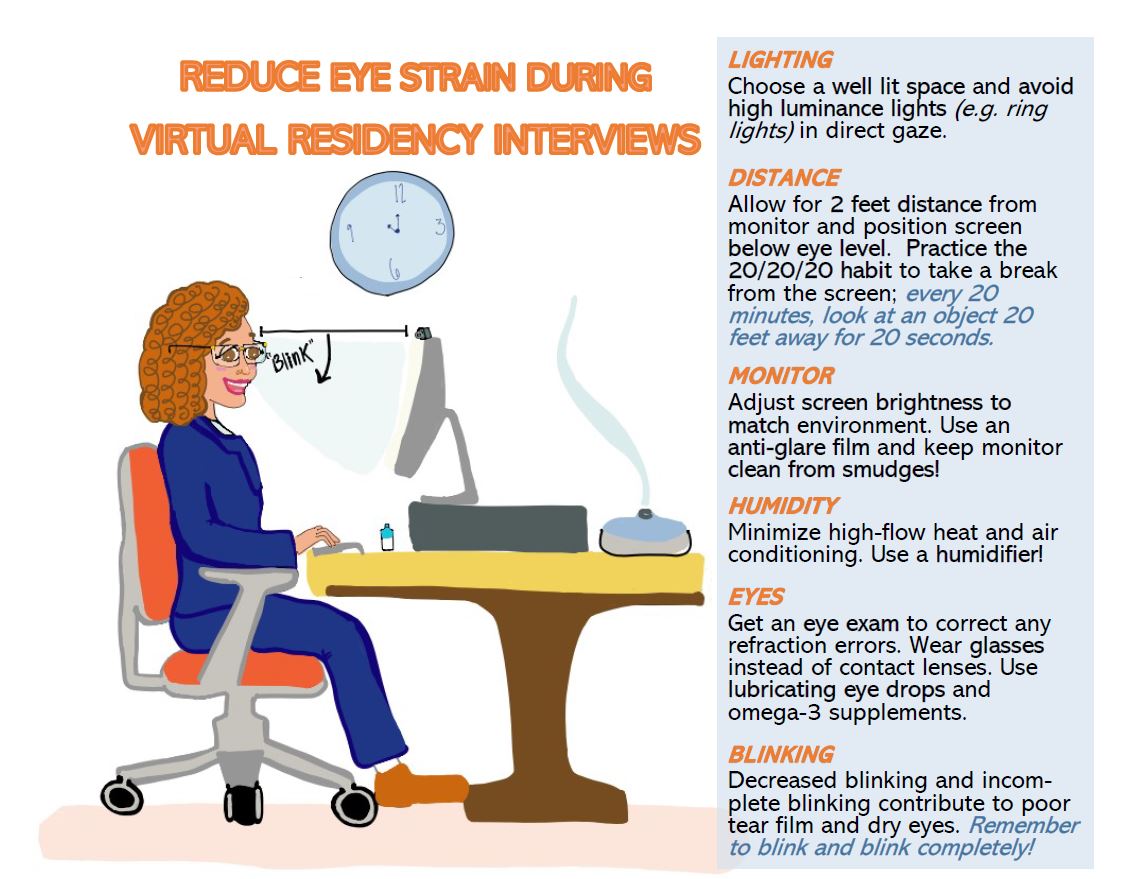
Every 20 minutes, look away from your screen and focus on something 20 feet away for 20 seconds. This rule can help reduce eye strain and prevent blurred vision.Adjust Your Environment
To create an eye-friendly environment, follow these tips:- Adjust the brightness and contrast of your computer screen to match the surrounding environment.
- Position your computer screen directly in front of you, about 20-25 inches away.
- Position the top of the screen at eye level or slightly below.
- Ensure proper lighting by placing the computer in a moderately lit area.
Take Breaks and Stretch
Regular breaks and stretching can help reduce muscle fatigue and improve blood flow to the eyes. Take short breaks every hour to stretch and move your eyes around.Using Blue Light Lenses

Best Practices for Eye Care During Computer Use
To maintain eye health during computer use, follow these best practices:- Get regular eye exams to monitor eye health and address any issues.
- Wear blue light blocking glasses or contact lenses to reduce eye strain.
- Use eye care software to remind you to take breaks and adjust screen settings.
- Limit screen time, especially before bed, to reduce the risk of eye strain and improve sleep quality.