Configure Wireless Encryption on Router: A Step-by-Step Guide
Secure Your Home Network with WPA2 and WPA3 Encryption
Your wireless router is the central part of your home network, distributing your internet connection to multiple devices at once. It acts as a hub, directing traffic between your modem and devices like phones, laptops, and smart TVs. However, your wireless network is vulnerable to unauthorized access and data breaches unless you set up strong encryption on your router.
Why Configure Wireless Encryption on Your Router?
Weak encryption on your wireless router can lead to serious security issues, including:
- Buffer overflow attacks
- Sniffing and eavesdropping of sensitive data
- Unauthorized access to your network
- Malware and ransomware attacks
WPA2 and WPA3 Encryption: The Best Options for Secure Wireless Networking
WPA2 (Wi-Fi Protected Access 2) and WPA3 are the current and latest encryption protocols available for your wireless router. WPA2 is widely supported by most devices, while WPA3 is the latest and most secure encryption protocol designed to safeguard your Wi-Fi traffic.
How to Configure Wireless Encryption on Your Router
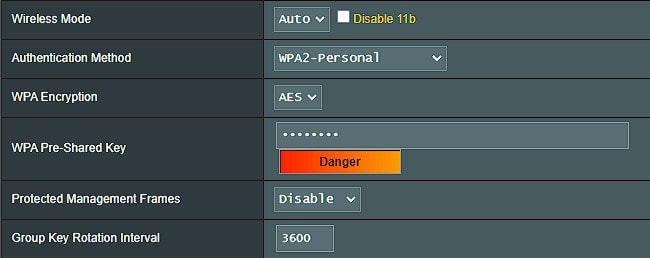
To configure wireless encryption on your router, follow these steps:
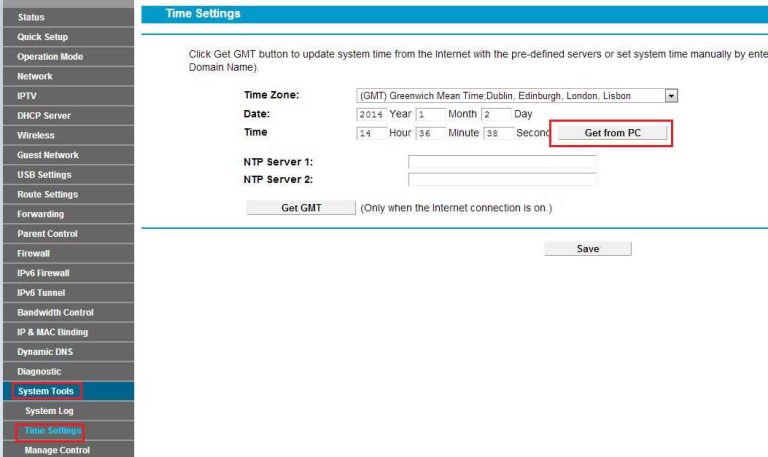
- Locate the Wireless Security Settings: Your router may call this section "Wireless Security," "Wireless Network," or something similar. In this example, the settings are in Basic Setup > Wireless > Security.
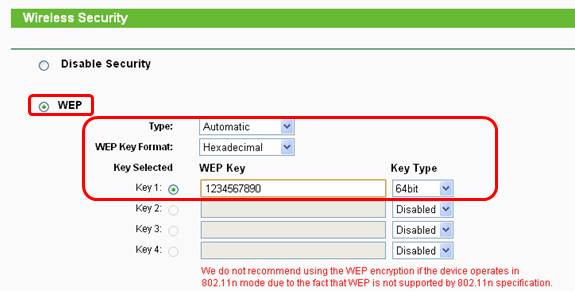
- Change the Encryption Option: Look for the encryption option and change it to WPA2-PSK or WPA3-SAE, if available. You may see an "Enterprise" setting, which is a more secure option.
- Set the Auth Mode: Choose a suitable authentication mode, such as PSK (Pre-Shared Key) or IEEE 802.1X.
- Set the Pre-Shared Key (PSK): Enter a strong password, at least 12 characters long, for your WPA2-PSK or WPA3-SAE setup.
- Save Your Changes: Save your changes and reboot your router to ensure the new settings take effect.
Best Practices for Secure Wireless Networking
To keep your home network secure, follow these best practices:
- Use the strongest available encryption protocol (WPA3) if your router and devices support it.
- Use a strong and unique password for your WPA2-PSK or WPA3-SAE setup.
- Keep your router's firmware up-to-date to ensure you have the latest security patches.
- Enable MAC address filtering to restrict access to your network.
- Regularly monitor your network for any suspicious activity.
Conclusion
Configuring wireless encryption on your router is a crucial step in securing your home network. By following the steps outlined in this guide, you can ensure that your wireless router uses the strongest available encryption protocol, making it more difficult for unauthorized access and data breaches to occur. Remember to keep your firmware up-to-date, use strong passwords, and monitor your network for any suspicious activity to maintain a secure and reliable wireless network.
_20240830055723o.jpg "How to Encrypt Your Wireless Network - Lifewire")

![[Wireless] How to make my router more secure? - ASUS](https://www.cisco.com/c/dam/en/us/support/docs/voice-unified-communications/spa8000-8-port-ip-telephony-gateway/108666-4656-003.png "[Wireless] How to make my router more secure? - ASUS")





![[Wireless Router] How do I enter my ASUS router's setting page using ...](https://i5.walmartimages.com/seo/Nebublu-In-Wall-Wireless-WiFi-Router-300M-AP-Access-Point-USB-Charging-Socket-Wall-Mount-Wi-Fi-WPS-Encryption-Easy-Setup-Secure-Connection_09c11a46-f7e5-4f20-8759-24fef8c6873c.617b59a9a3a8a5d87b498c5a9a3300b6.jpeg "[Wireless Router] How do I enter my ASUS router's setting page using ...")