Understanding the Alcohol Effects on Antibiotics: A Comprehensive Guide
The use of antibiotics has become a common practice in modern medicine, with millions of people taking these drugs every year to treat various bacterial infections. However, there is a growing concern about the interaction between antibiotics and alcohol, and how it can affect the body.
The Risks of Mixing Antibiotics and Alcohol
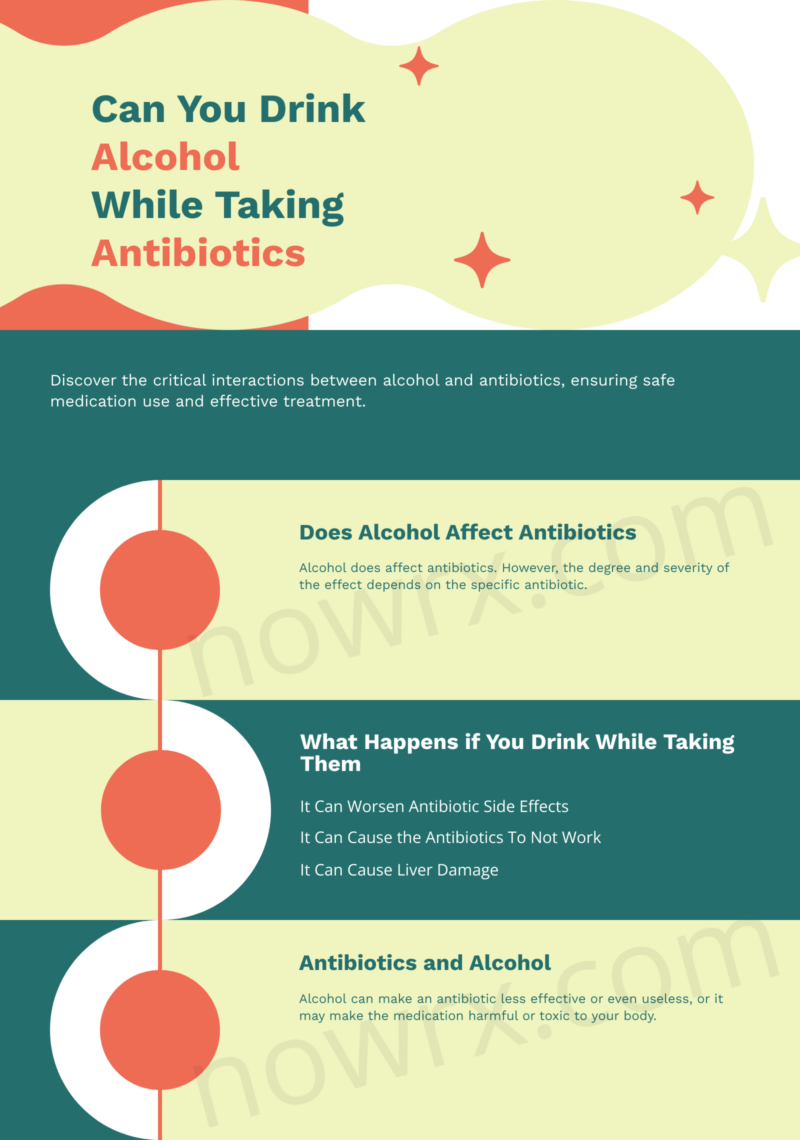
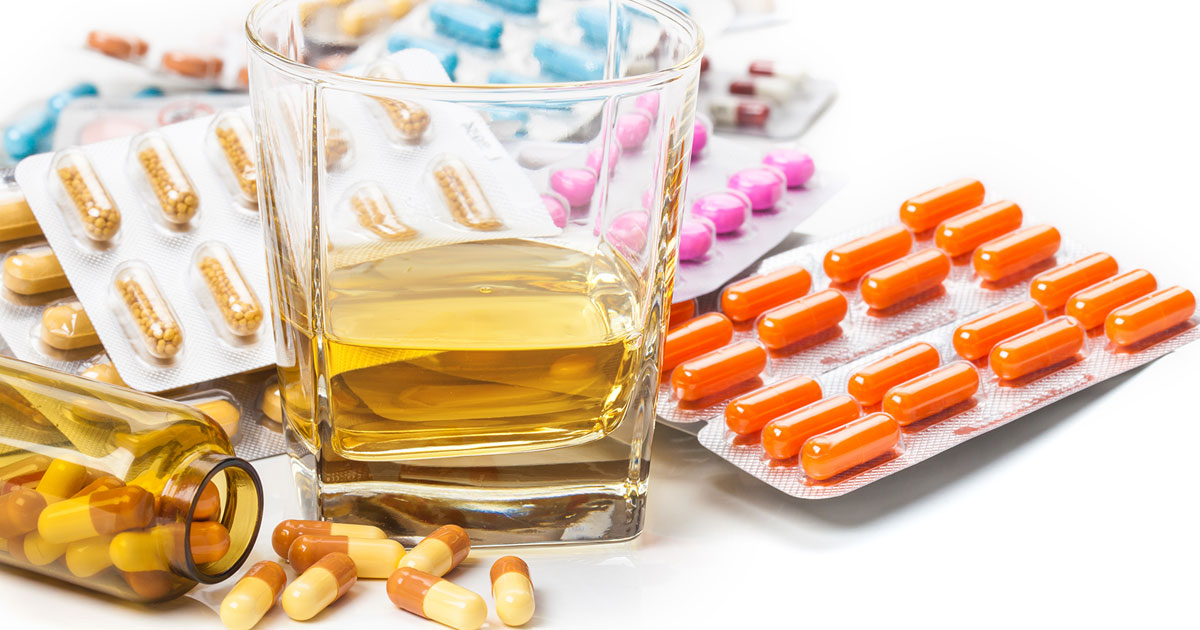
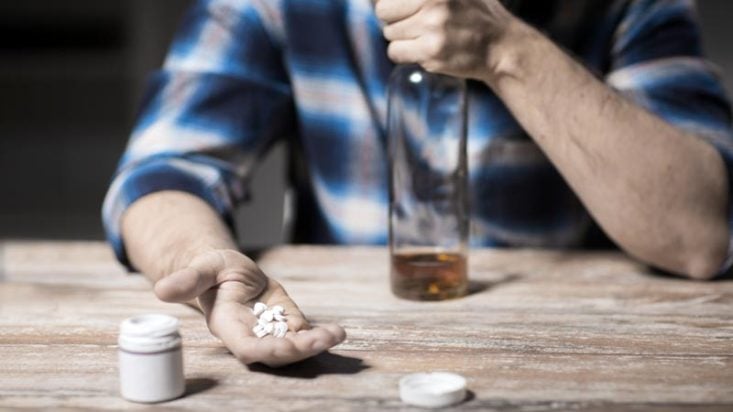
Research has shown that drinking alcohol while taking antibiotics can lead to several adverse effects, including increased risk of side effects, impaired metabolism, and even severe reactions. Mixing antibiotics and alcohol can also hinder the effectiveness of the medication, reducing its ability to fight infections.
- Antibiotic-induced gastrointestinal problems**: Antibiotics can cause gastrointestinal side effects such as diarrhea, nausea, and vomiting, which can be exacerbated by alcohol consumption.
- Impaired liver function**: Both antibiotics and alcohol are metabolized by the liver, and consuming them together can lead to increased liver enzyme levels and potentially cause liver damage.
- Increased risk of side effects**: Drinking alcohol while taking antibiotics can increase the risk of experiencing side effects such as dizziness, drowsiness, and confusion.
- Reduced efficacy of antibiotics**: Mixing antibiotics and alcohol can reduce the effectiveness of the medication, making it more challenging to treat bacterial infections.
- Severe reactions**: In some cases, combining antibiotics and alcohol can lead to severe reactions, including rapid heartbeat, low blood pressure, and even respiratory failure.
Understanding the Specific Antibiotics Affected by Alcohol
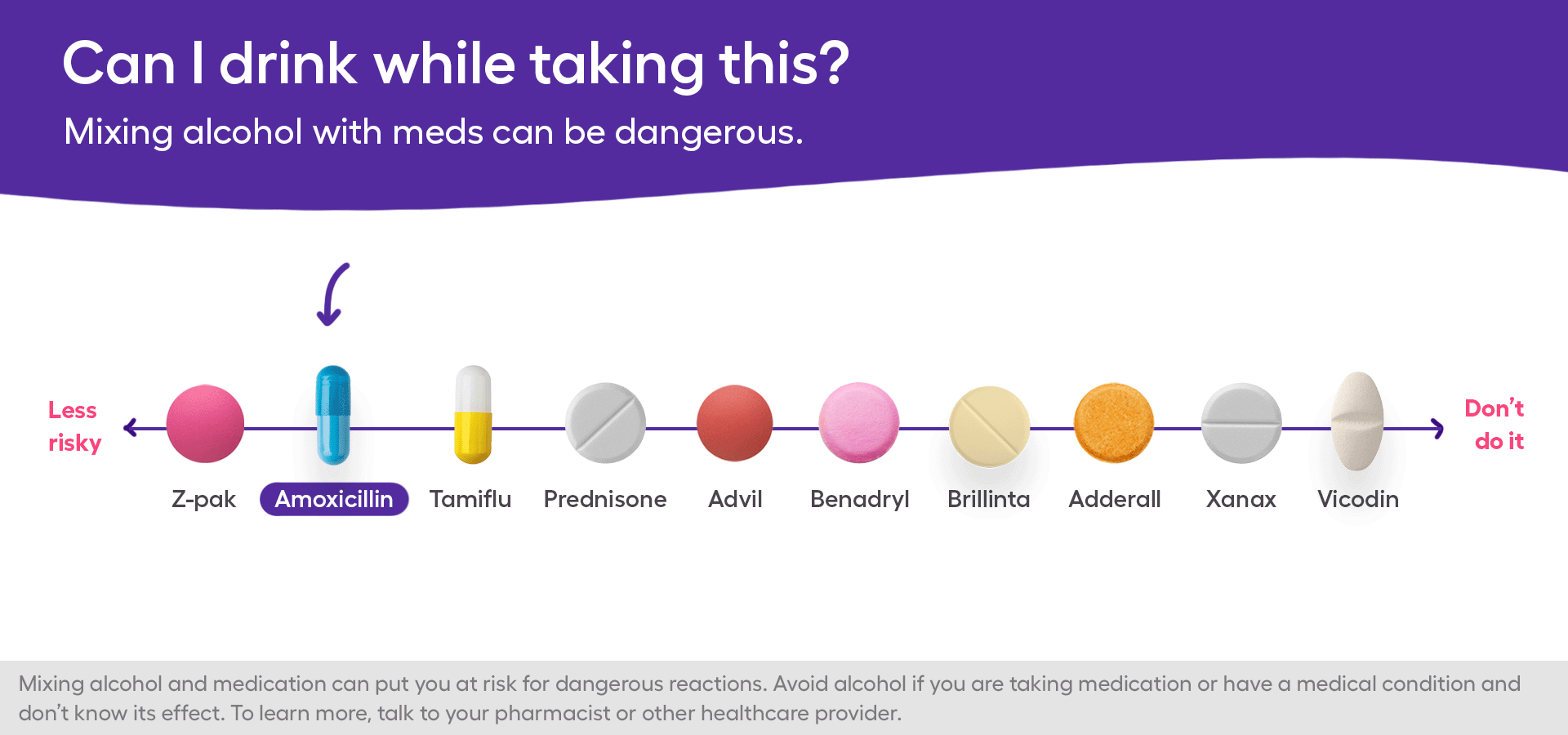
While many antibiotics can interact with alcohol, some are more prone to adverse effects than others. Metronidazole (Flagyl), tinidazole (Tindamax), and sulfamethoxazole-trimethoprim (Bactrim, Septra) are some of the antibiotics that should not be mixed with alcohol, as they can cause severe nausea, vomiting, and diarrhea.
Why Doctors Recommend Avoiding Alcohol While Taking Antibiotics
Healthcare professionals advise against drinking alcohol while taking antibiotics due to the potential for adverse effects. When you mix antibiotics and alcohol, you increase the risk of experiencing side effects, reducing the effectiveness of the medication, and even causing severe reactions.

Alternatives to Mixing Antibiotics and Alcohol
Instead of drinking alcohol while taking antibiotics, consider the following alternatives:
- Avoid alcohol consumption**: Try to abstain from drinking alcohol while taking antibiotics to minimize the risk of adverse effects.
- Choose safe medications**: Select medications that are less likely to interact with alcohol.
- Take antibiotics as directed**: Follow the recommended dosage and duration of antibiotic treatment to maximize its effectiveness.
- Monitor side effects**: Keep an eye out for potential side effects and consult your healthcare provider if you experience any unusual symptoms.
Conclusion
Understanding the effects of mixing antibiotics and alcohol is crucial for ensuring safe and effective treatment of bacterial infections. By choosing the right antibiotics, taking them as directed, and avoiding alcohol consumption, you can minimize the risk of adverse effects and maximize the benefits of antibiotic therapy.
Disclaimer
This article is for informational purposes only and should not be considered as medical advice. Consult your healthcare provider for personalized guidance on taking antibiotics and drinking alcohol.