Dopamine Loop and Time Management: Understanding the Connection
Dopamine, often referred to as the "motivation molecule," plays a crucial role in our brain's reward processing systems. The modulation of interval timing by dopamine has been well established over decades of research. However, the nature of this modulation has remained controversial. In this article, we will delve into the relationship between dopamine and time perception, exploring how dopamine loops influence behavior, decision-making, and our digital interactions in today's fast-paced world.
The Dopamine Loop: A Cycle of Reward-Seeking Behavior
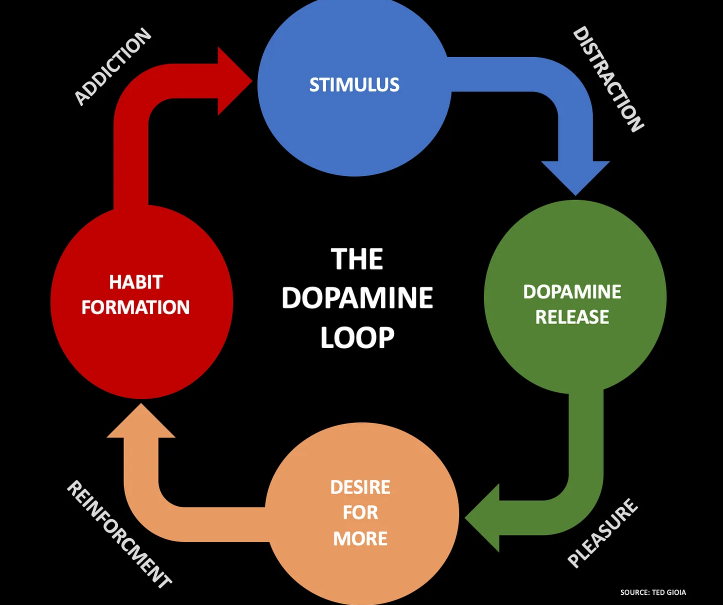
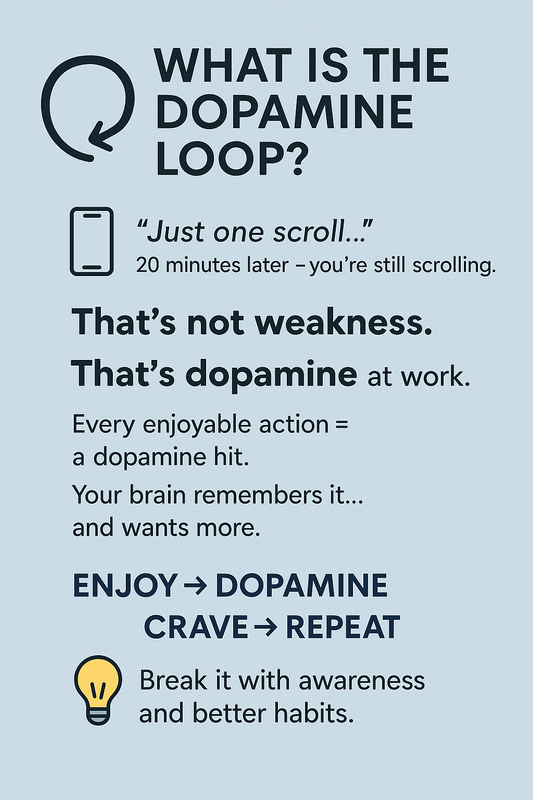
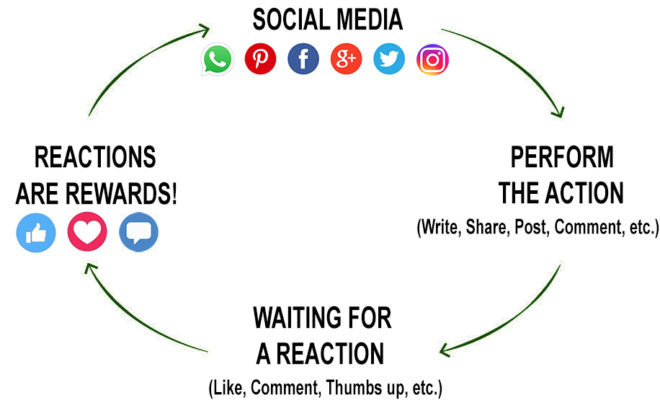
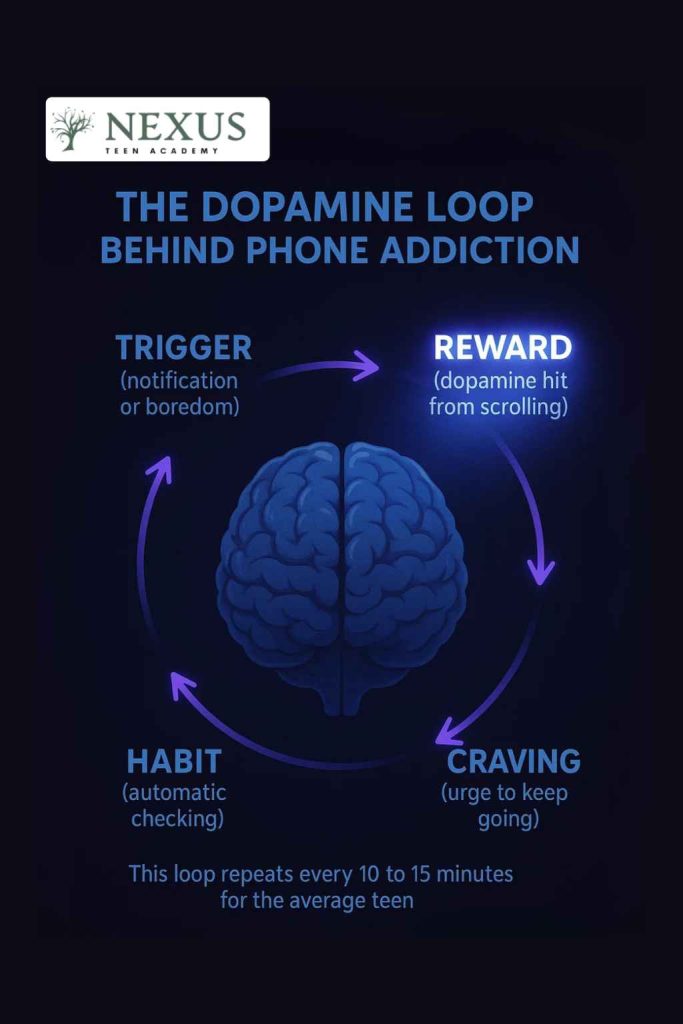
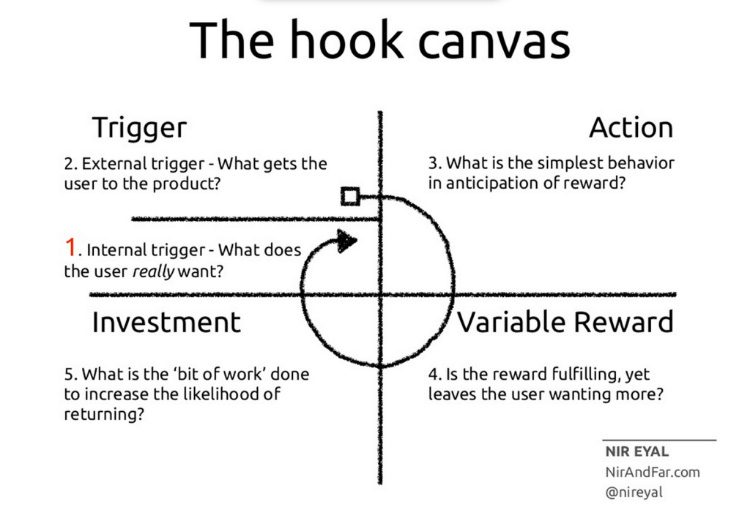
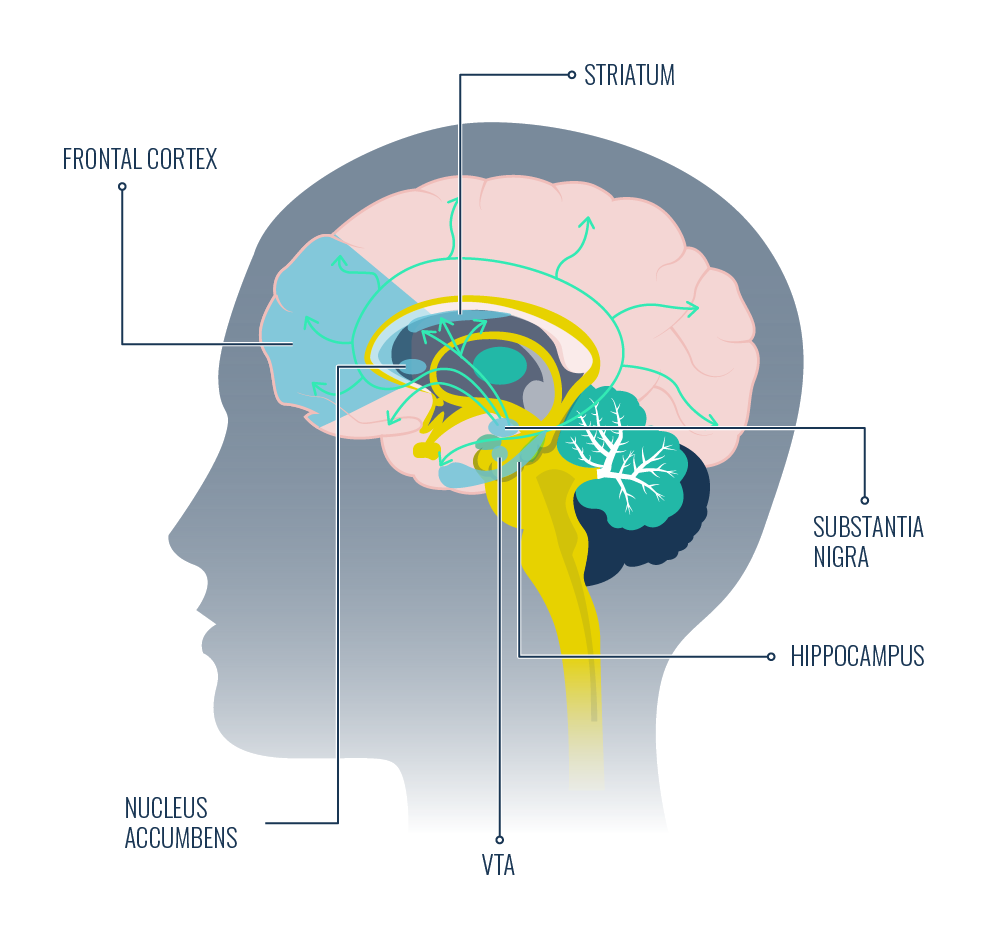
The dopamine loop, also known as a feedback loop, is a cycle of reward-seeking behavior that rewires our responses over time. This loop is fueled by the release of dopamine in the brain's nucleus accumbens, the same reward system involved in substance addiction. The more we engage in activities that trigger dopamine release, the more we crave repeated engagement, leading to a vicious cycle of addiction.
Time Perception and Dopamine: A Controversial Connection
Research has shown that dopamine levels can influence our perception of time. While pharmacological evidence suggests that higher dopamine levels lead to overestimated time intervals, optogenetic work has shown the opposite effect. This controversy highlights the complexity of the dopamine-time perception connection and emphasizes the need for further research.
The Impact of Dopamine Loops on Time Management
Dopamine loops can significantly impact our time management skills. When we are engaged in activities that trigger dopamine release, we tend to underestimate the time spent on these activities. This can lead to procrastination, as we prioritize short-term rewards over long-term goals. Furthermore, excessive screen time can have a significant impact on our mental well-being and productivity, exacerbating the effects of dopamine loops.
Strategies for Managing Dopamine Loops and Time
To manage dopamine loops and improve time management skills, it is essential to understand the underlying mechanisms. Here are some strategies to help you regain control:
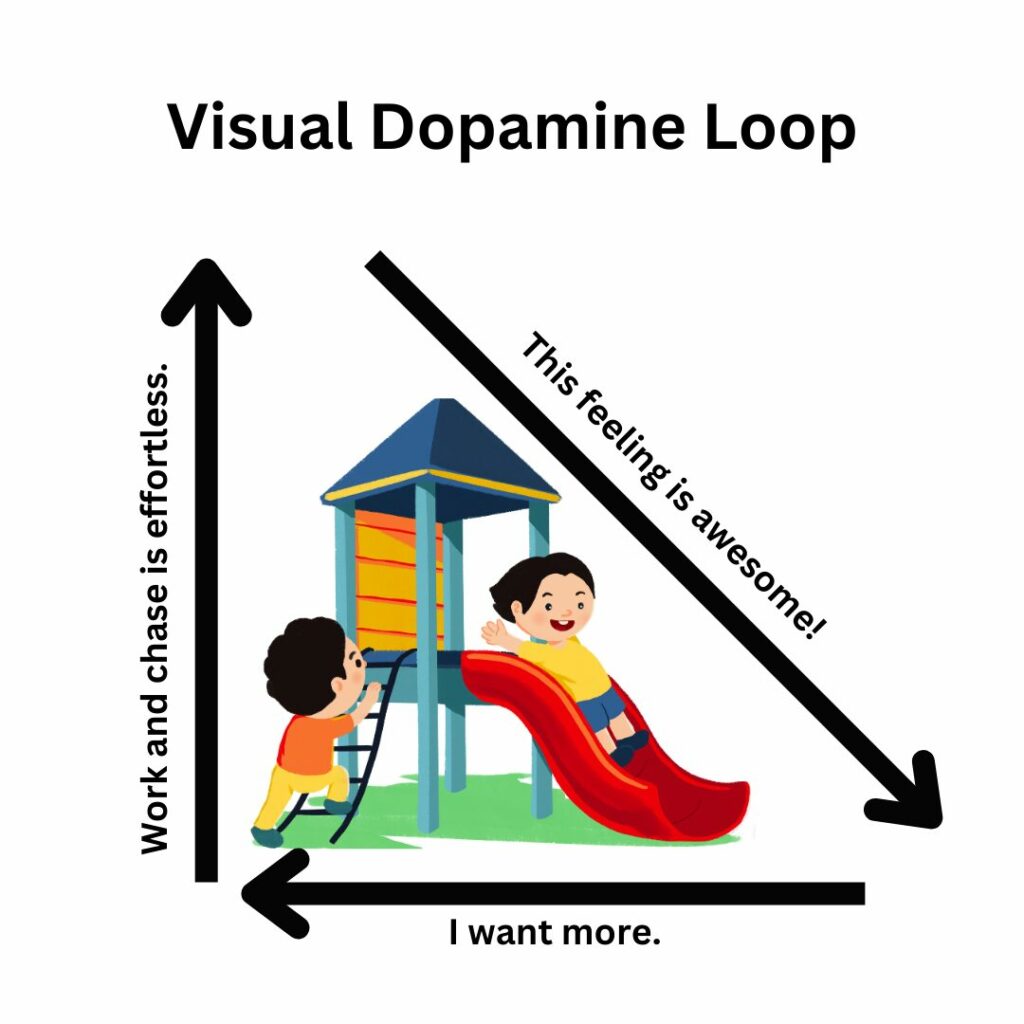
- Implement dopamine-driven motivation techniques, such as setting structured reward systems or using technology to manage dopamine levels.
- Engage in activities that stimulate dopamine release in a controlled manner, such as exercise or creative pursuits.
- Practice mindfulness and self-regulation techniques, such as meditation or deep breathing, to reduce the impact of dopamine loops.
- Establish clear goals and priorities, and focus on long-term rewards rather than short-term gratification.
The Importance of Circadian Rhythms in Time Management
Circadian rhythms play a crucial role in regulating our biological processes, including our perception of time. A disruption of these rhythms can lead to a myriad of health risks, including decreased productivity and impaired time management skills. By entraining our circadian rhythms through a consistent sleep schedule and exposure to natural light, we can improve our time perception and management.
Conclusion
The connection between dopamine and time perception is complex and multifaceted. By understanding the dopamine loop and its impact on time management, we can develop strategies to regain control and improve our productivity. By prioritizing long-term rewards, practicing self-regulation, and entraining our circadian rhythms, we can break free from the cycle of addiction and cultivate healthier habits.
References
- Huberman, L. (2024, August 22). Dopamine, Time, and the Brain. Retrieved from https://www.hubermanlab.com/dopamine-time-and-the-brain/
- Lembke, A. (2022, April 4). The Pleasure Trap. Retrieved from https://www.nytimes.com/2022/04/04/opinion/pleasure-trap-dopamine.html
- Harvard Health Publishing. (2025, March 5). The Dopamine Trap. Retrieved from https://www.health.harvard.edu/blog/the-dopamine-trap-2025-03-05