Electronics Repair with Environmental Concern: The Path to a Sustainable Future
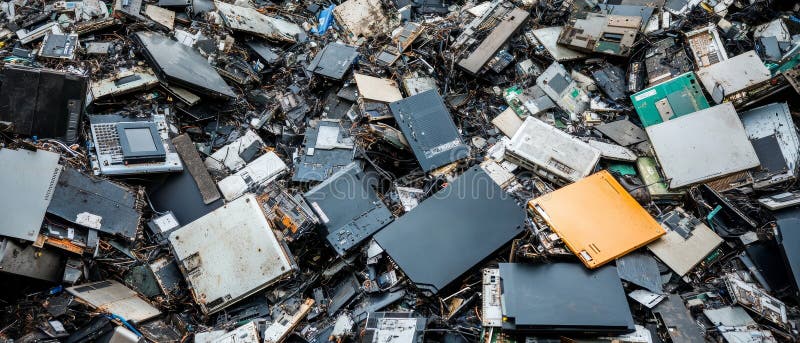
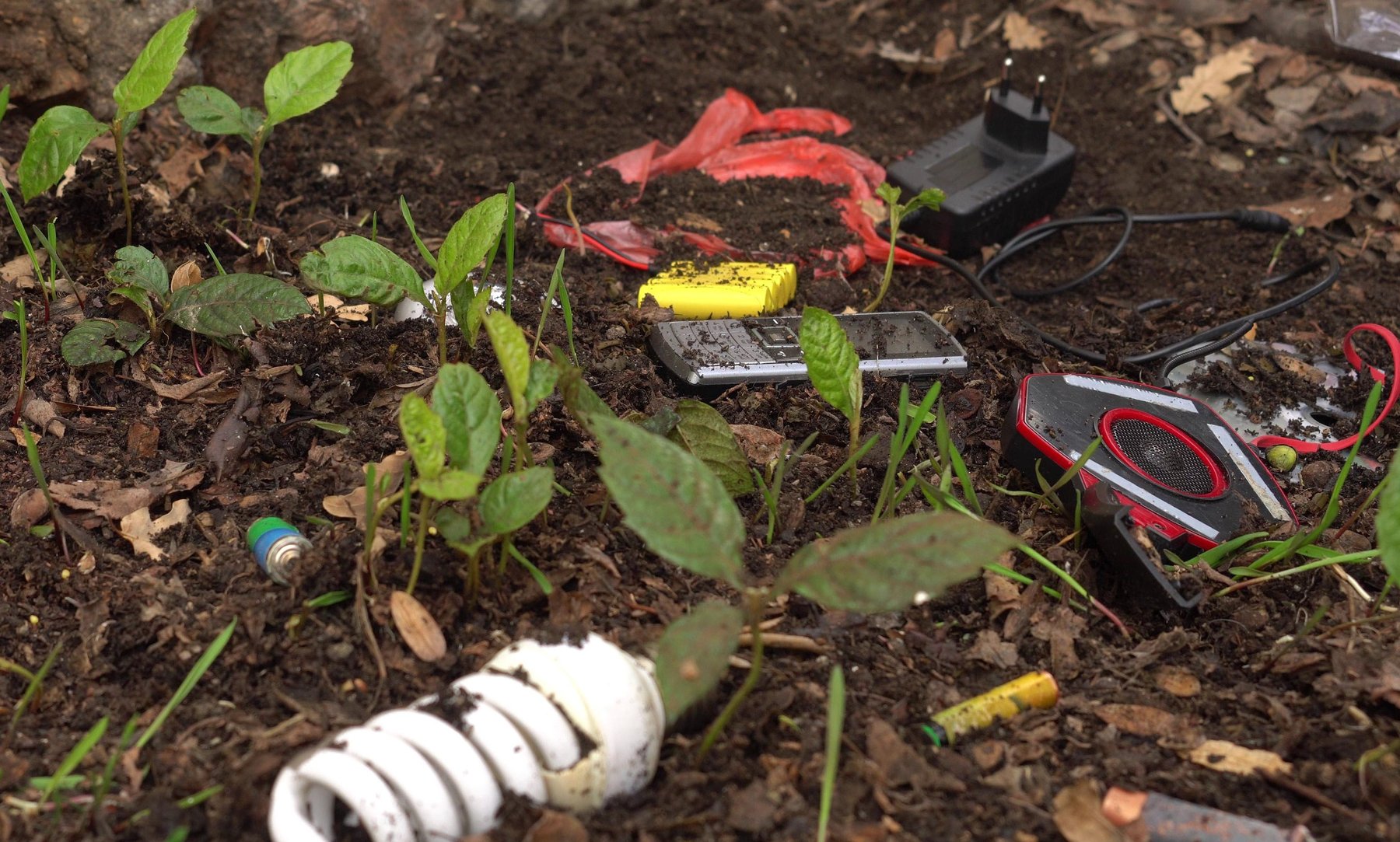
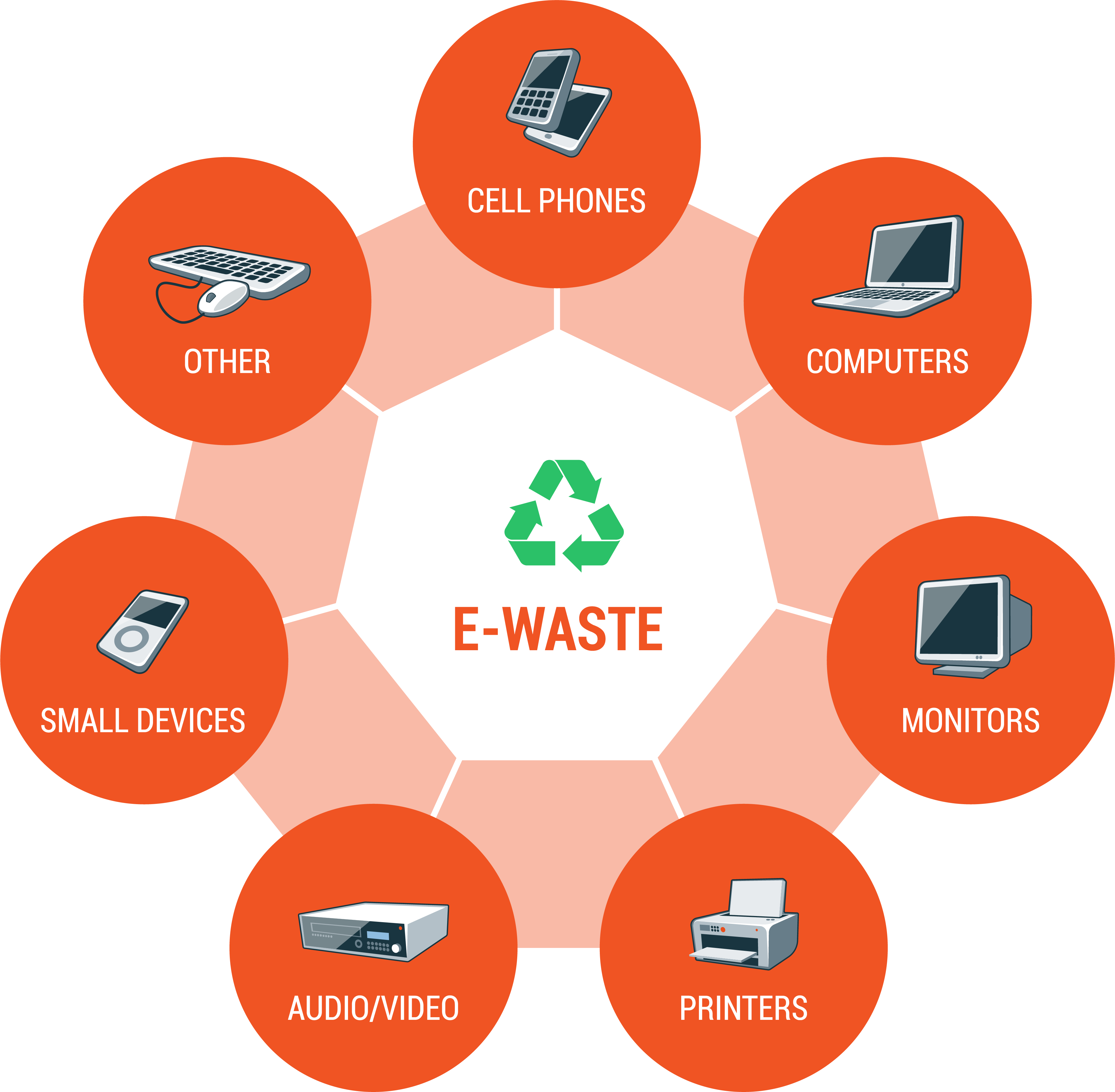
The world is facing a pressing concern – the rapid growth of electronic waste (e-waste). The production, use, and disposal of electronics have significant environmental impacts, from resource extraction to end-of-life disposal. However, by embracing the concept of "electronic repair with environmental concern," we can mitigate this issue and create a more sustainable future.
Combat E-Waste and Protect the Planet
Choosing to repair over replace electronic devices is a crucial step in combating e-waste and protecting the environment. By repairing electronics, consumers can reduce the demand for new, resource-intensive devices and minimize the amount of waste generated at the end of their devices' lifespan.
The Right to Repair movement advocates for giving consumers the right to repair their own devices, rather than buying new ones. This approach has numerous environmental benefits, including waste reduction, lower carbon footprints, and better resource efficiency.
Benefits of Repairing Electronics
- Reduces e-waste: Repairing electronics extends their lifespan, reducing the need to discard functional devices and send them to landfills.
- Conserves resources: Repairing electronics helps to conserve resources by reducing the need for raw materials and energy consumed during production.
- Saves money: Repairing electronics can be cost-effective compared to buying new devices, which can be expensive.
- Supports sustainable innovation: Repair services can foster innovation and encourage manufacturers to design products that are easier to repair and maintain.
Policy Support for Repair Culture
There is growing support for policies that promote repair culture and reduce e-waste. Governments and manufacturers are recognizing the importance of making electronics more repairable and sustainable.
Environmental Impact of Electronics

Electronics have a significant environmental impact, from resource extraction to end-of-life disposal. The production of electronics requires the extraction and processing of various natural resources, which can lead to environmental degradation and pollution.
Organizations Supporting Sustainable Practices
There are many organizations working to promote sustainable practices in the electronics industry. These organizations, such as EPA's electronics stewardship, certified electronics recyclers, and repair associations, provide information on strategies for reducing the environmental impact of electronics and promoting repairable designs.
Conclusion
Electronics repair with environmental concern is a crucial aspect of creating a more sustainable future. By embracing repair culture and supporting sustainable practices, consumers can reduce e-waste, conserve resources, and promote innovation in the electronics industry. Governments and manufacturers must also play a role in promoting policies and designs that support sustainable electronics use.
Take Action
Join the repair movement by choosing to repair over replace your electronic devices. Explore sustainable repair services and support manufacturers that prioritize repairable designs and sustainable practices. Together, we can create a more sustainable future for electronics.
References
References to the sources used in this article are available upon request.