FOMO and its Effects on Customer Retention: Understanding the Psychology Behind the Fear of Missing Out
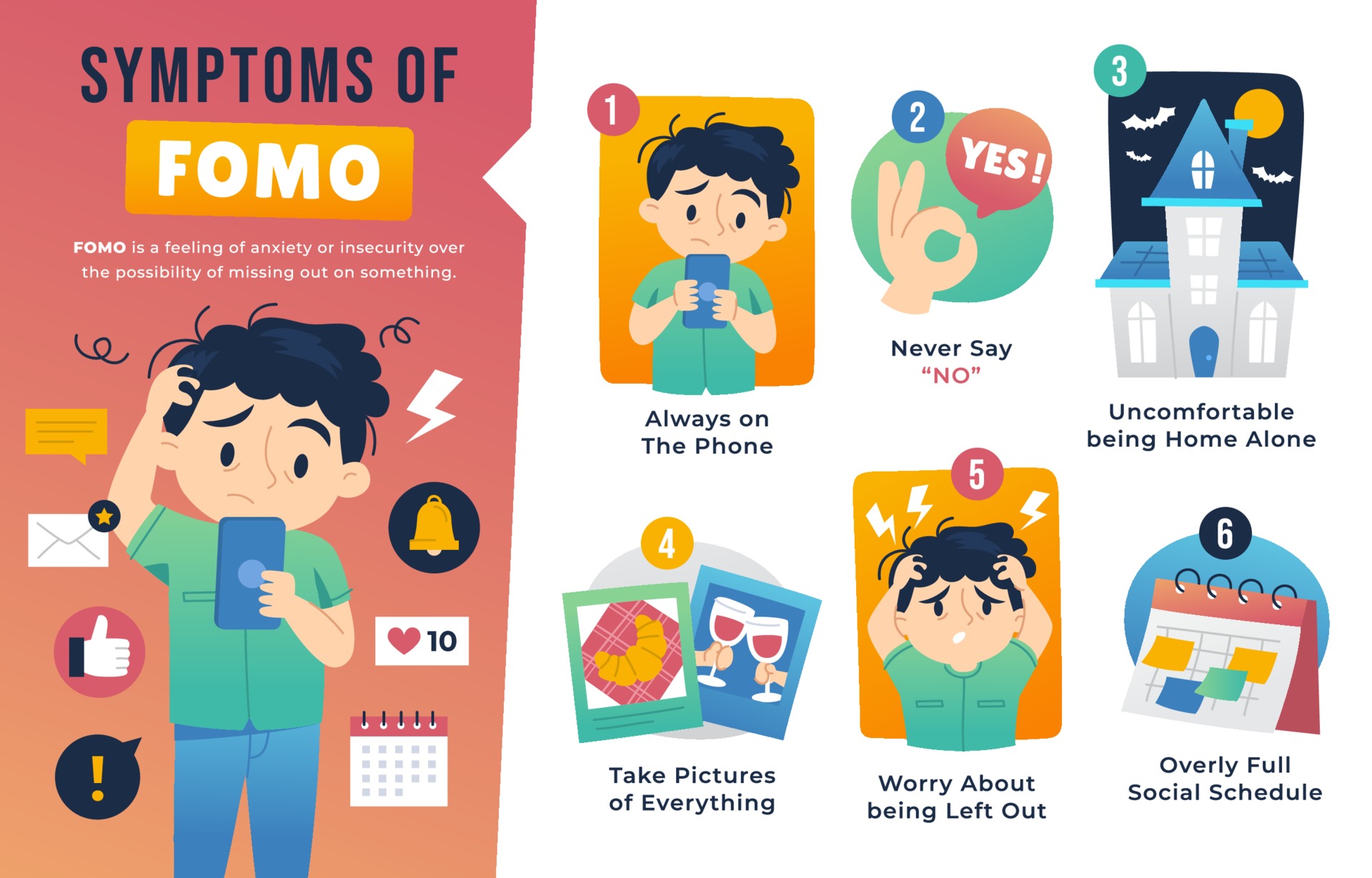
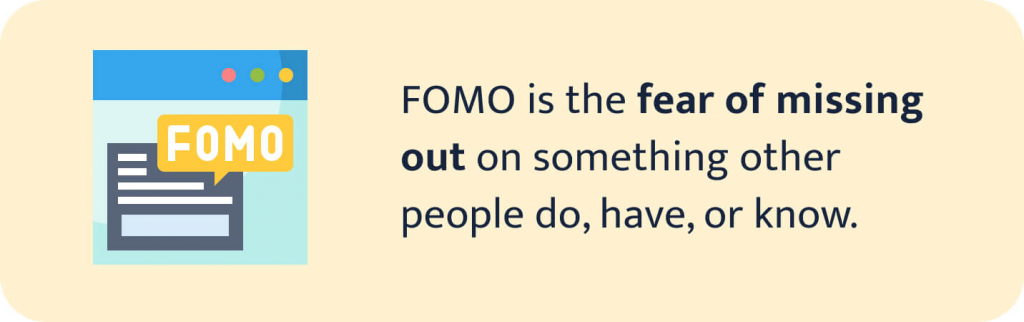
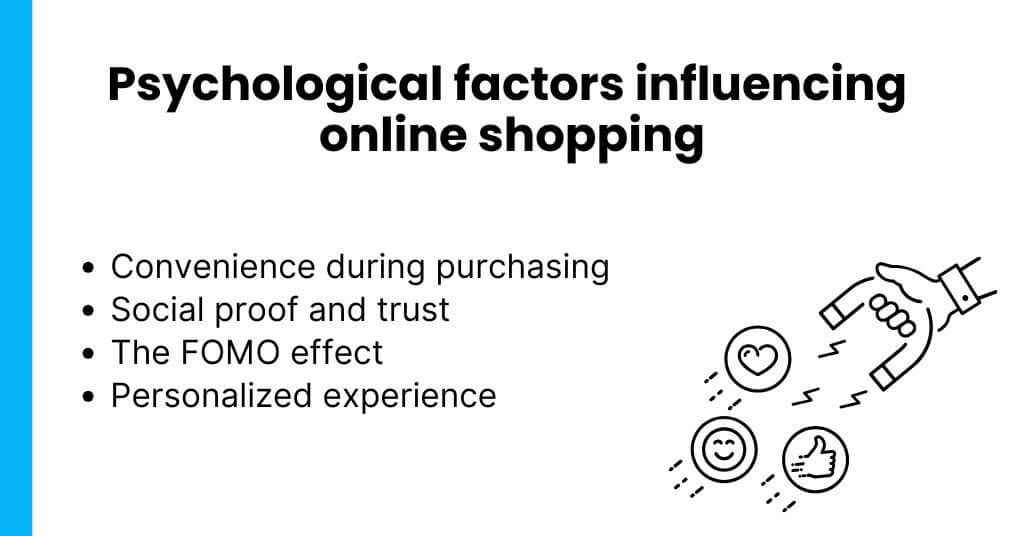
In today's fast-paced consumer culture, the fear of missing out (FOMO) has become a pervasive phenomenon, influencing purchasing decisions and behavior. FOMO is the anxiety or apprehension that an individual may feel when they think others are experiencing enjoyable events or activities, leading them to feel left out or unincluded.
The Psychology Behind FOMO
The concept of FOMO has its roots in social psychology, where individuals are driven by the need for social connection, status, and a sense of belonging. FOMO is often triggered by social media platforms, which create a curated and aspirational environment that showcases others' experiences and achievements. This can lead to feelings of inadequacy, anxiety, and pressure to keep up with the Joneses.
Types of FOMO Prone ConsumersResearch categorizes FOMO-prone consumers into four distinct types based on their intention to recommend the brand and make similar purchases in the future:
- Butterflies: Impulsive shoppers who prioritize novelty and excitement.
- Devotees: Loyal customers who value exclusivity and are willing to make impulse purchases.
- Endorsers: Influencers who use their networks to promote products or services.
- Shopaholics: Compulsive buyers who feel driven to acquire more and more.
The Dark Side of FOMO
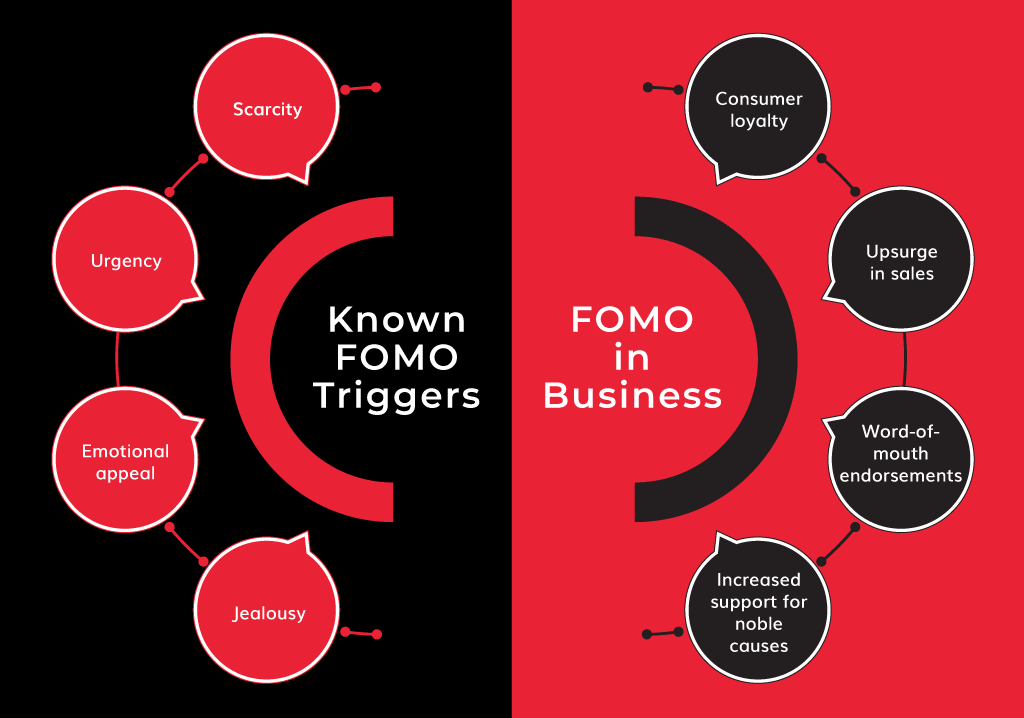
While FOMO can motivate consumer engagement and drive sales, it can also lead to negative outcomes like impulsive spending, stress, and anxiety. FOMO appeals to adult peer groups, creating a sense of FEAR, EXCLUSIVITY, and COMPETITION. This can result in overconsumption, social comparison, and dissatisfaction.
Consequences of FOMO on Customer Retention
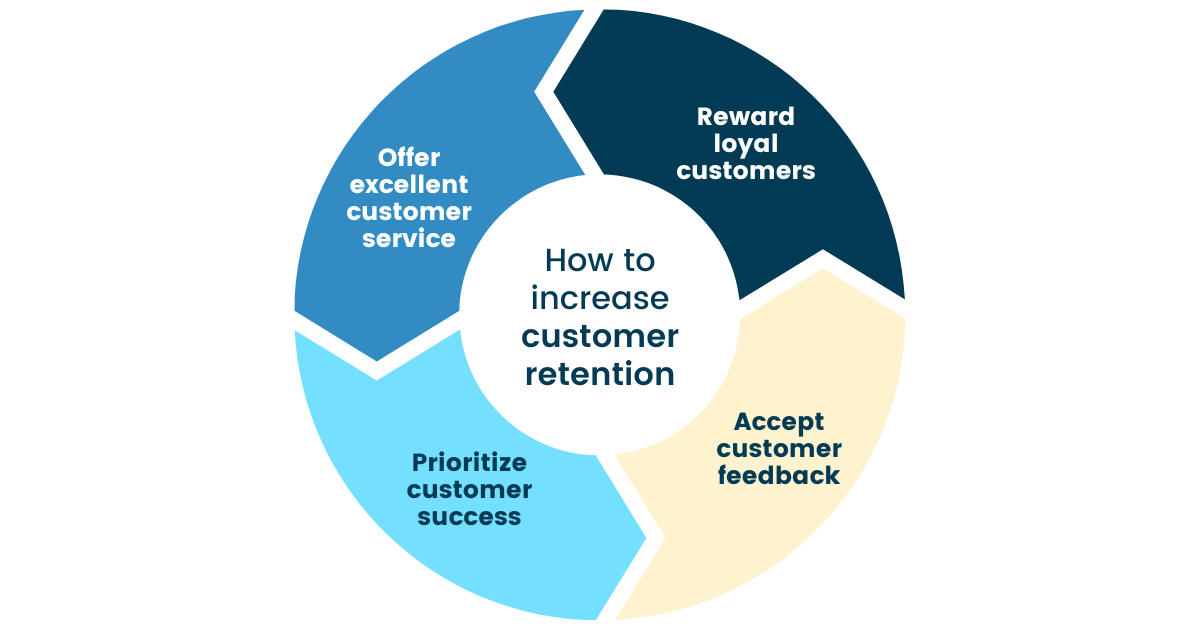
FOMO can significantly impact customer retention rates by:
- Encouraging impulsive purchases: Consumers may buy products or services impulsively, without fully considering their needs or budget.
- Affecting brand loyalty: Consumers may switch between brands or products based on promotions and temporary offers.
- Driving stress and anxiety: The pressure to keep up with FOMO can lead to feelings of anxiety, guilt, and regret.
- Reducing customer satisfaction: Consumers may feel overwhelmed and dissatisfied with their purchases, leading to negative word-of-mouth and online reviews.
Measuring the Effect of FOMO on Customer Retention
Measuring the effect of FOMO on customer retention requires tracking metrics such as:
- Conversion rates: Monitor the number of repeat buyers to assess loyalty and the effectiveness of FOMO strategies.
- Brand sentiment: Use surveys or social listening tools to gauge consumer feelings toward the brand.
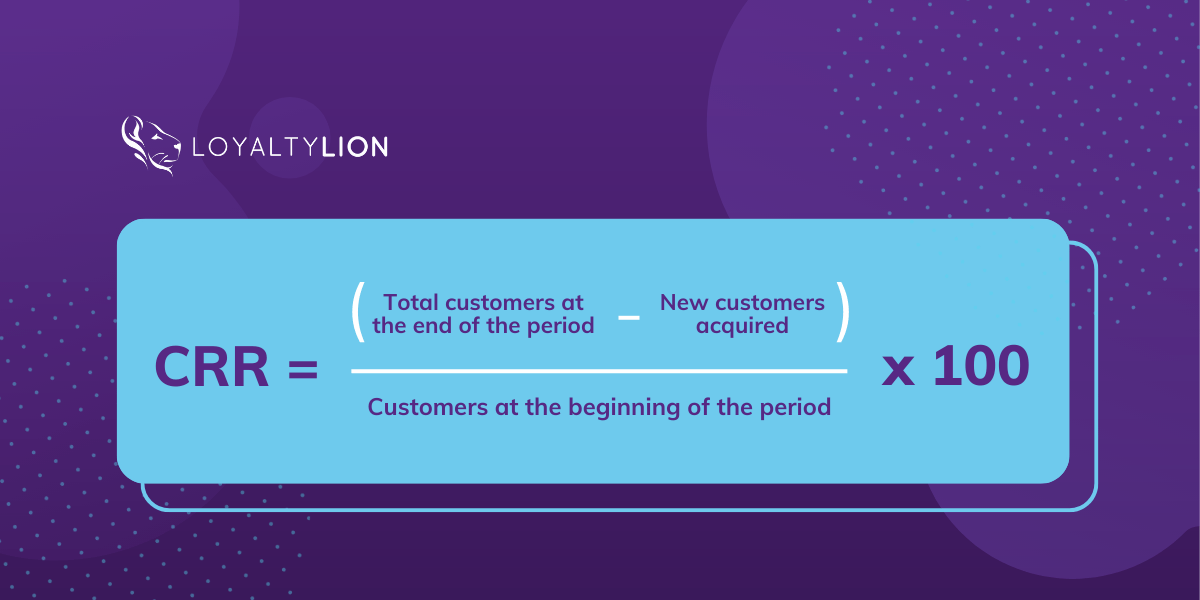
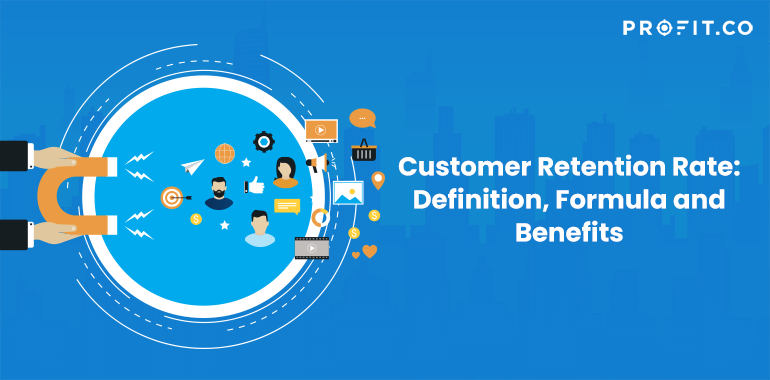
- Customer retention rate: Analyze the number of repeat customers to understand the impact of FOMO on loyalty.
Strategies to Leverage FOMO in Marketing
To effectively leverage FOMO in marketing, businesses should:
- Offer limited-time deals: Create a sense of urgency around sales or promotions.
- Use social proof: Highlight customer reviews and ratings to build trust and credibility.
- Curate exclusive experiences: Create a sense of exclusivity around products or services.
- Use gamification: Design interactive experiences that encourage engagement and loyalty.
Conclusion
The fear of missing out (FOMO) is a complex phenomenon that can have both positive and negative effects on customer retention. By understanding the psychology behind FOMO and implementing effective strategies, businesses can capitalize on this phenomenon to drive sales and loyalty. Ultimately, a balanced approach that prioritizes customer satisfaction and well-being is key to building long-term relationships with customers.


![[PDF] Fear of Missing Out (FoMO) and Recommendation Algorithms ...](https://cdn.zoviz.com/blog/image/c4e7a415a6ae739b.jpg "[PDF] Fear of Missing Out (FoMO) and Recommendation Algorithms ...")