FOMO and its effects on online engagement
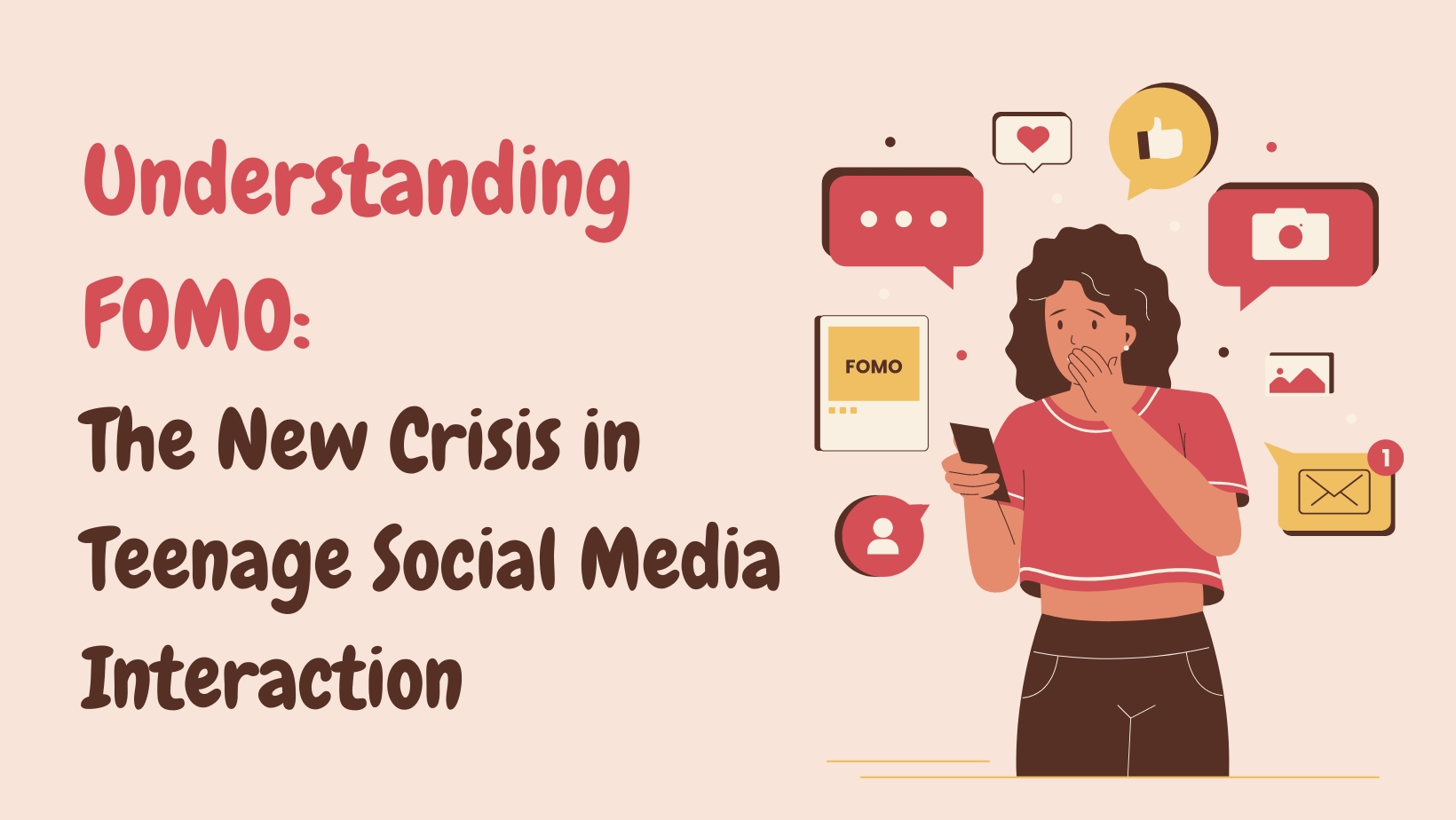
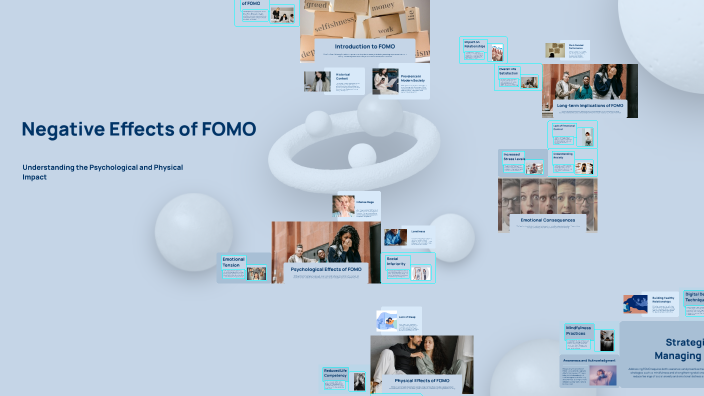
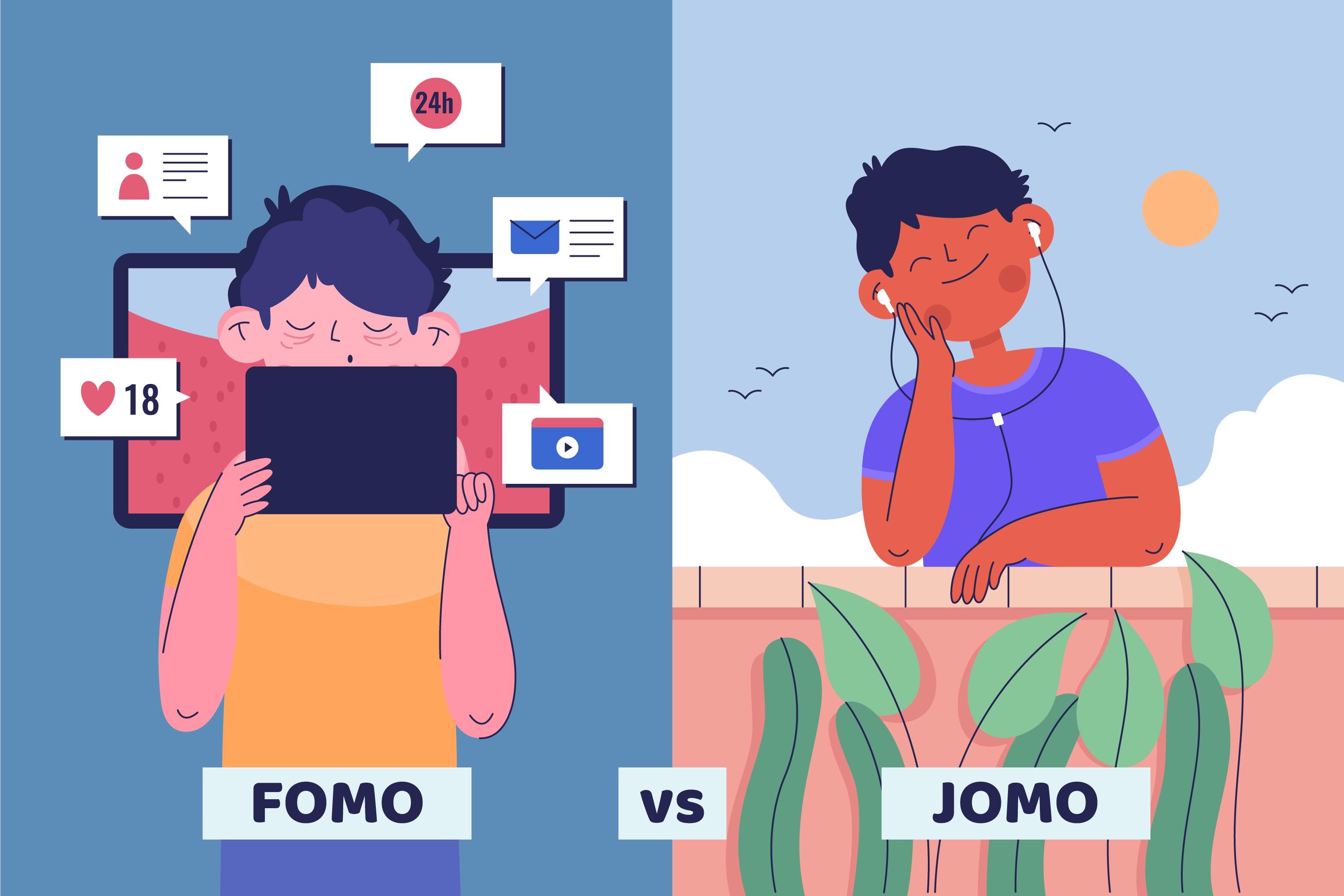
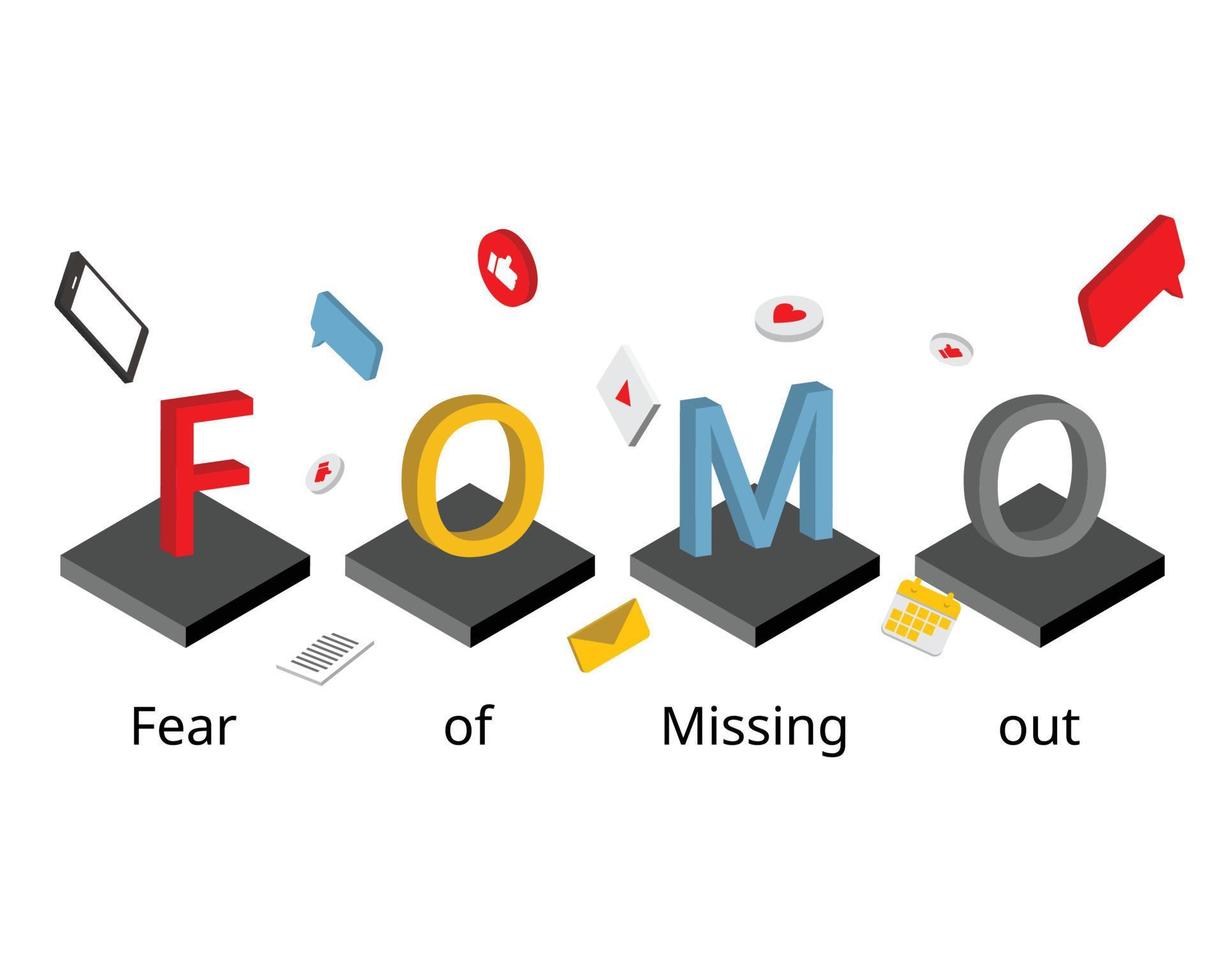
The fear of missing out (FOMO) has become a ubiquitous phenomenon, especially in the online world. Social media platforms like Instagram, Facebook, and Twitter have created a perfect storm for FOMO to thrive. People feel compelled to stay connected 24/7, fearing that others are having rewarding experiences without them. But what are the effects of FOMO on online engagement?
The Psychology of FOMO
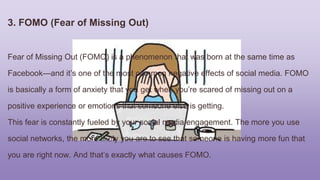
Research has shown that FOMO is closely linked to social media addiction. It's a psychological phenomenon that describes the anxious feeling that others might be having rewarding experiences without one's participation. This anxiety stems from the worry that others are having fun, learning, or achieving something without you being a part of it. Social media feeds, brimming with photos and updates, can intensify this feeling.
- Constant comparison: People compare their lives to the curated highlight reels of others, feeling inadequate and left out.
- Fear of missing out: The feeling that others are having rewarding experiences without you, driving people to stay continuously connected to their social feeds.
- Social validation: The pursuit of likes, comments, and shares often becomes a quest for social validation, creating a cycle of dependency on online approval.
The Effects of FOMO on Online Engagement
While social media can be a great tool for connection and self-expression, excessive engagement can lead to negative effects on mental health. Studies have found correlations between the frequency of social media engagement and fluctuations in mood, underscoring the platform's power to influence emotional well-being.
FOMO can drive people to engage with social media in excess, leading to:
- Increased stress levels
- Emotional fatigue
- Depression
- Anxiety
- Loneliness

Understanding and Mitigating FOMO
Addressing FOMO requires a combination of awareness, digital mindfulness, and proactive engagement in real-world activities. By recognizing the psychological triggers of FOMO, individuals can take steps to mitigate its negative effects:
- Practice mindfulness and self-reflection to identify feelings of FOMO
- Set boundaries for online engagement and prioritize real-world activities
- Reframe the need for constant social validation and focus on intrinsic rewards
- Develop strategies to manage anxiety and emotions related to FOMO
Conclusion
FOMO is a complex phenomenon with far-reaching effects on online engagement. By understanding its psychological underpinnings, individuals can take steps to mitigate its negative effects and cultivate healthier social media habits. Social media platforms can also play a role in creating a less-FOMO-inducing online environment by emphasizing meaningful interactions over superficial numbers. As consumers, we must prioritize our mental well-being and recognize the value of real-world connections over online validation.
Final Thoughts
As we continue to navigate the online world, it's essential to acknowledge the presence of FOMO and its effects on online engagement. By doing so, we can begin to develop strategies for mitigation and cultivate healthier relationships with technology. By prioritizing our mental well-being and recognizing the value of real-world connections, we can break free from the cycle of FOMO and forge more meaningful connections in the digital age.