Men's Health and Fertility Issues: Understanding the Link
Men's health and fertility issues are often overlooked in discussions of reproductive health, but it's time to shine a spotlight on the importance of male fertility in creating a family. In this article, we'll explore the complexities of male fertility, its causes, and the steps men can take to improve their reproductive health.
The Complexity of Male Fertility
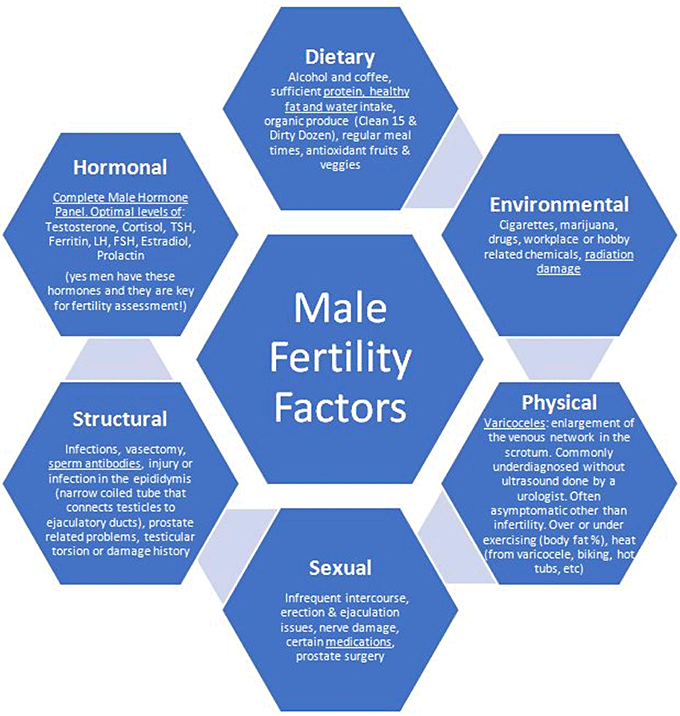
Male infertility affects up to half of couples trying to conceive, making it a significant factor in fertility issues. The causes of male infertility can be varied, including low sperm production, abnormal sperm function, or blockages that prevent sperm delivery. Additionally, illnesses, injuries, chronic health problems, lifestyle choices, and other factors can contribute to male infertility.
Understanding the Diagnosis of Male Infertility
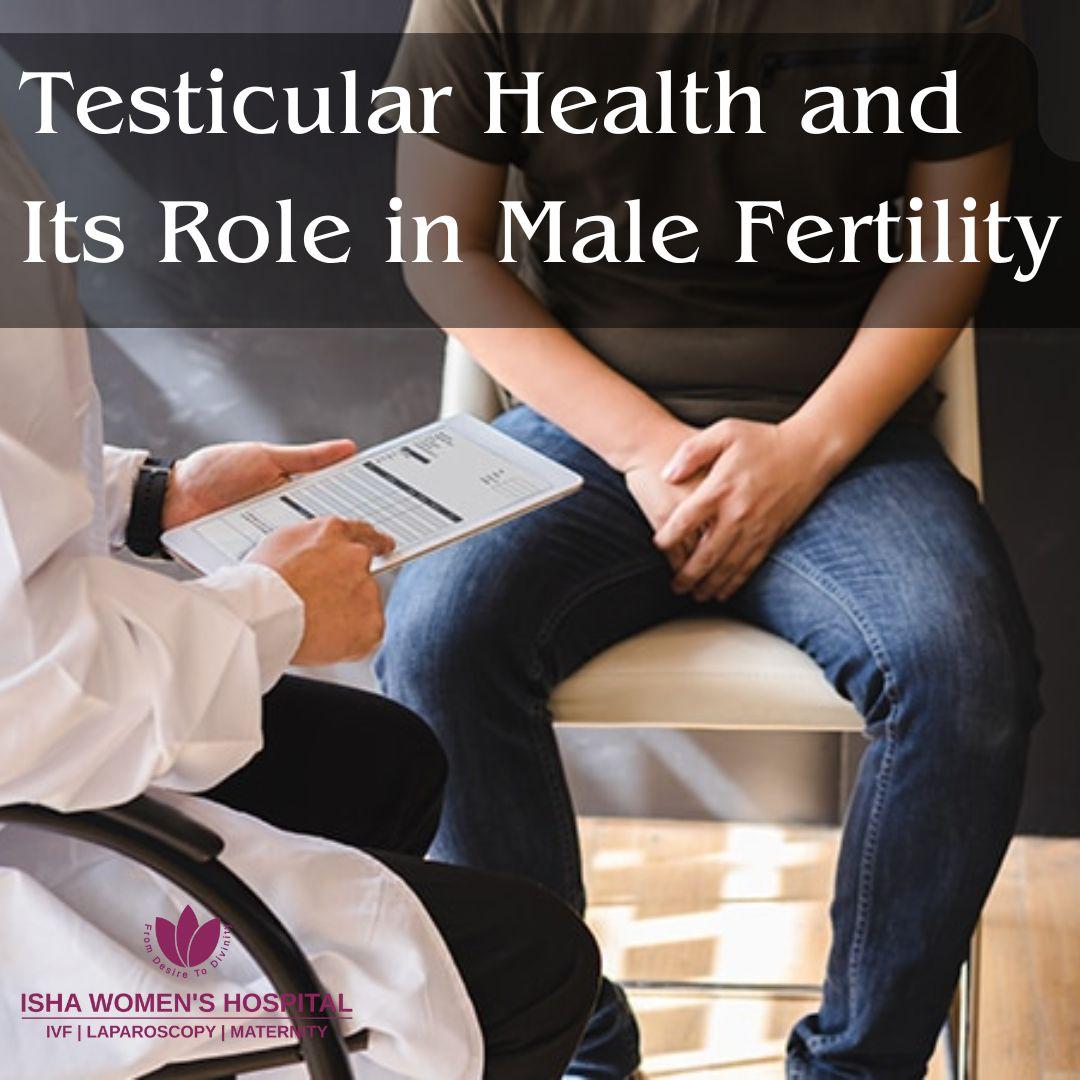
Diagnosing male infertility typically begins with a physical exam and medical history review. Your doctor will ask about past illnesses, surgeries, chronic health problems, and lifestyle habits. However, the most critical diagnostic tool is the semen analysis, which evaluates sperm count, motility, and morphology.
The Importance of Preventative Health Screenings for Men
Men's health is critical to reproductive well-being, and preventative health screenings are essential. Men need to monitor their health for conditions like Type 2 diabetes (T2D), heart disease, low testosterone, and high blood pressure, which can impact fertility.
Lifestyle Factors Affecting Male Fertility
Lifestyle choices, such as diet and stress levels, can also impact male fertility. For example, a new study reveals a potential correlation between high consumption of ultra-processed foods (UPFs) and reduced fertility in men. While experts urge caution, the findings suggest that a healthy diet and lifestyle can support reproductive health.

Common Causes of Male Infertility
Infertility in men is often caused by problems with sperm shape, movement (motility), or amount (low sperm count). Other causes include:
- Enlarged veins (varicocele) in the scrotum, the sac that holds the testicles
- Genetic disorders, such as cystic fibrosis
- Blockages that prevent sperm delivery
Addressing Fertility Issues through Diet and Lifestyle
The good news is that some fertility issues can be addressed through diet and lifestyle changes. Eating a healthy, balanced diet and maintaining a healthy weight can support reproductive health. Additionally, stress management, regular exercise, and sufficient sleep can also contribute to improved fertility.
The Role of Men's Reproductive Health in Pregnancy Outcomes
Men's reproductive health plays a significant role in pregnancy outcomes. Research suggests that paternal health can have an impact on the health of their future child, including fertility issues.
Conclusion
Male fertility is a critical component of reproductive health, often overlooked in discussions of fertility issues. By understanding the complexities of male fertility, causes, and preventative measures, men can take proactive steps to support their reproductive health. Remember, men's health is essential to creating a family, and a healthy lifestyle can have a significant impact on fertility outcomes.