FOMO and its Impact on Work-Life Balance: Understanding the Psychological Phenomenon
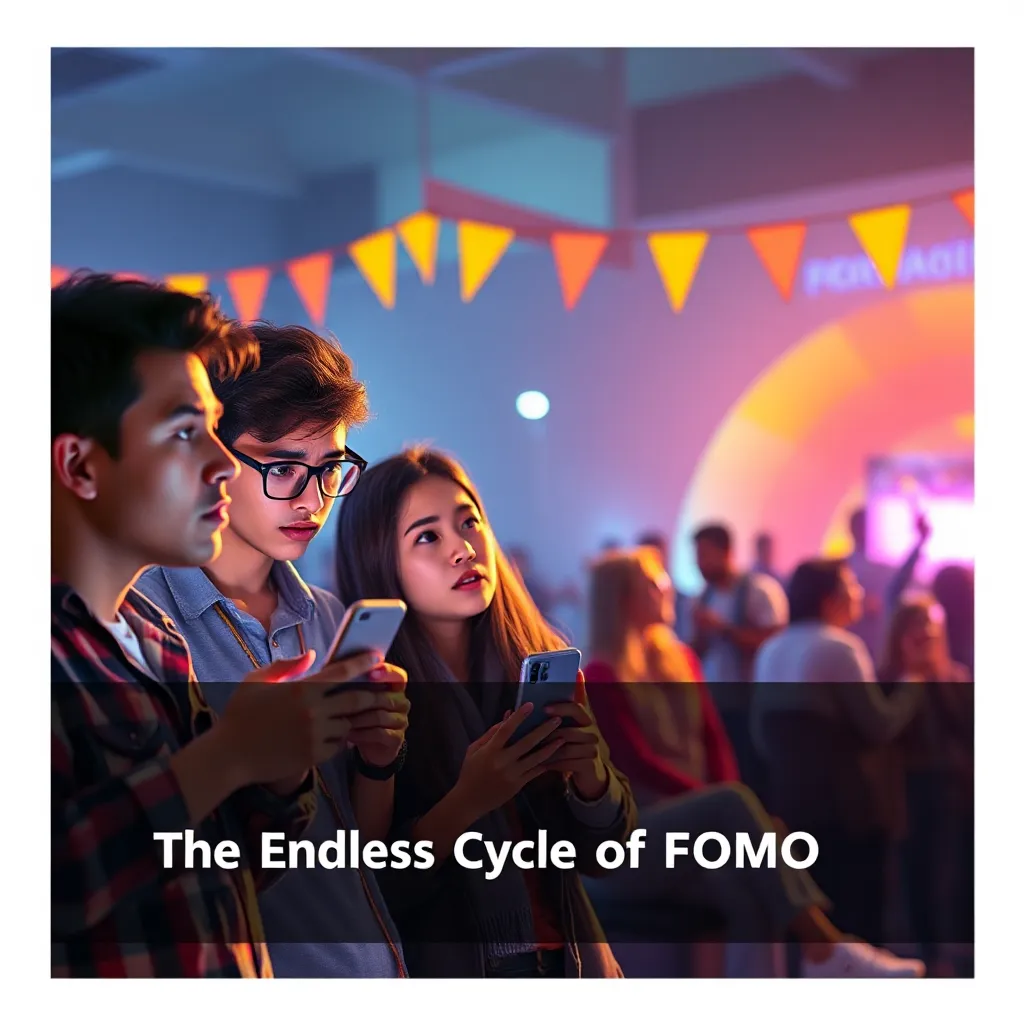
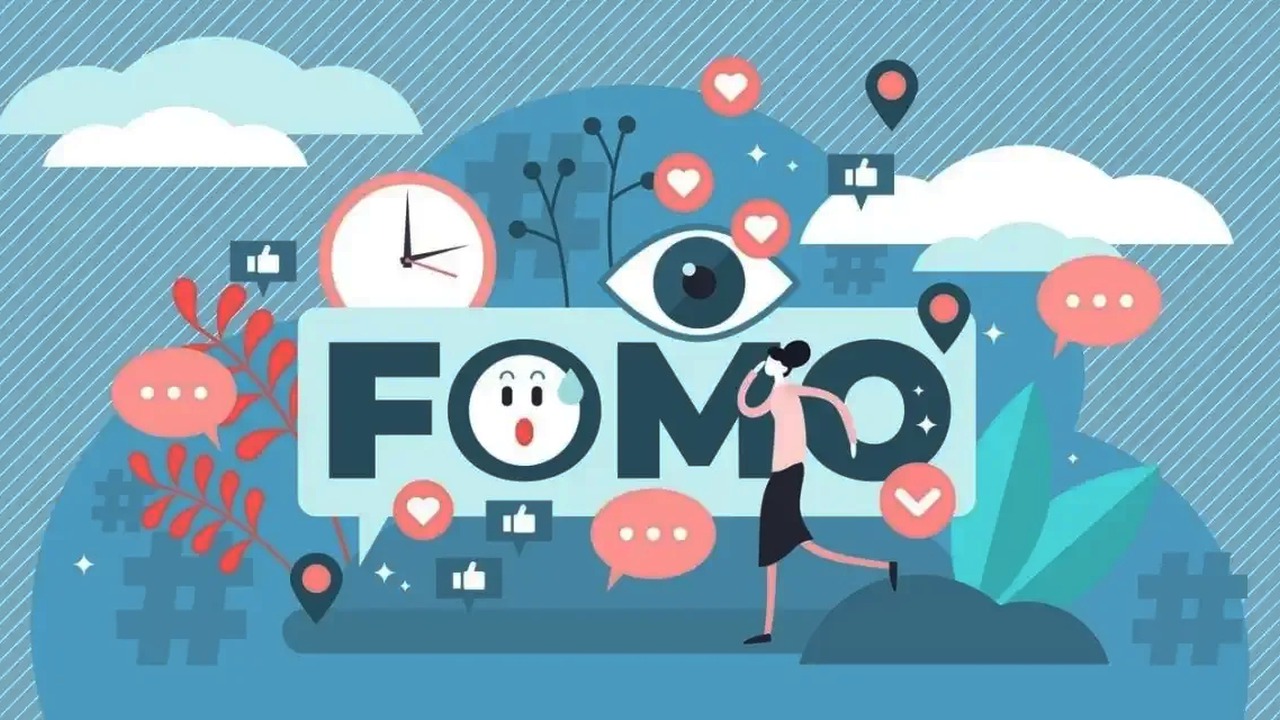
In today's digital age, it's easy to get caught up in the constant stream of information and notifications that seem to emanate from our smartphones and social media accounts. The culprit? FOMO—Fear of Missing Out. We usually associate FOMO with social media or personal life, but its influence in the workplace is just as powerful.
The Impact of FOMO on Work-Life Balance
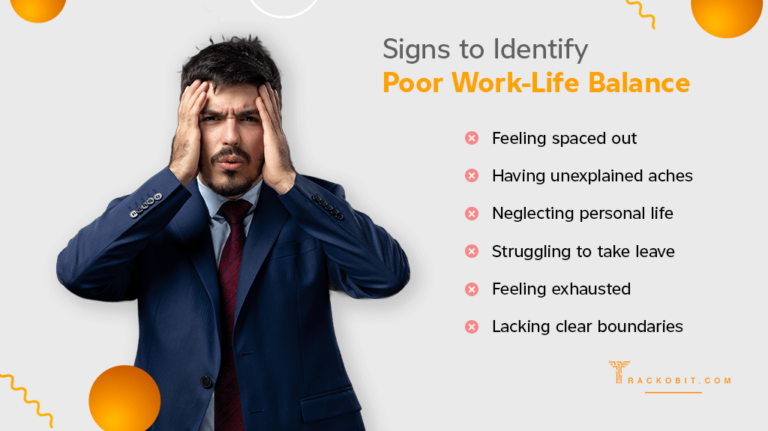
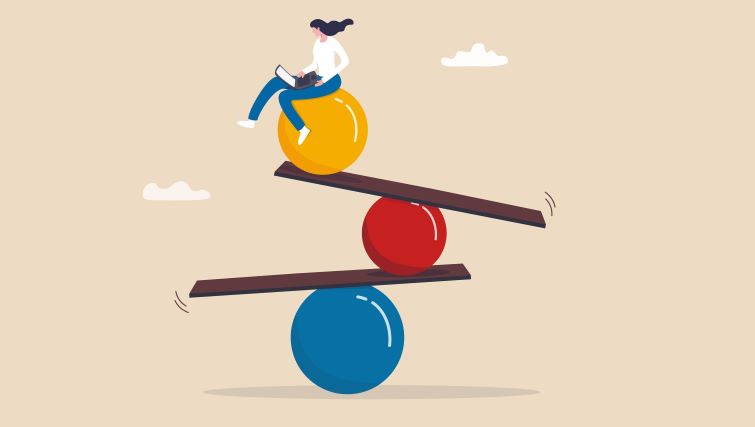
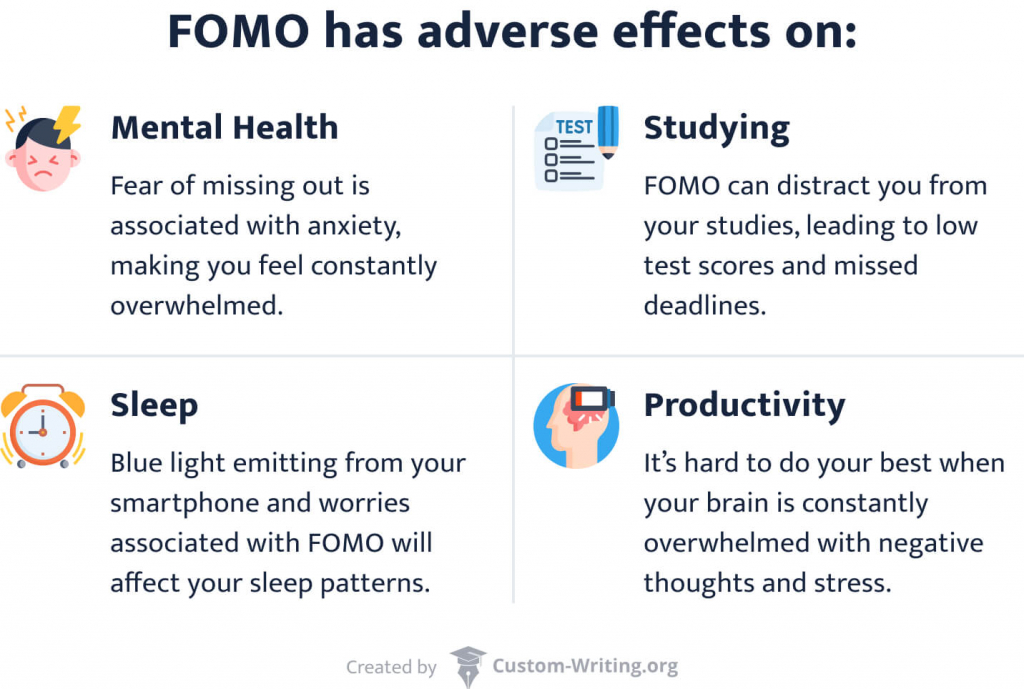
FOMO can have a significant impact on an individual's work-life balance, leading to feelings of anxiety, stress, and burnout. Research has shown that excessive social media use and FOMO can negatively impact daily life and productivity at work. In fact, a study by the Journal of Behavioral Addictions found that individuals who experience FOMO are more likely to experience social media addiction, which can lead to a range of negative consequences, including decreased mental health and well-being.
The Psychological Factors Behind FOMO
So, what drives FOMO? According to researchers, FOMO is closely linked to the need to belong and form stable relationships. When we perceive that others are having rewarding experiences without us, it can trigger a sense of anxiety and fear of missing out. This can lead to compulsive behavior, such as constantly checking social media or feeling the need to be constantly connected.
The Impact of FOMO on Mental Health
The impact of FOMO on mental health can be significant. Research has shown that individuals who experience FOMO are more likely to experience anxiety, depression, and burnout. In fact, a study by the American Psychological Association found that FOMO is a key risk factor for employee mental health, along with information overload, which can increase burnout.
Strategies for Overcoming FOMO
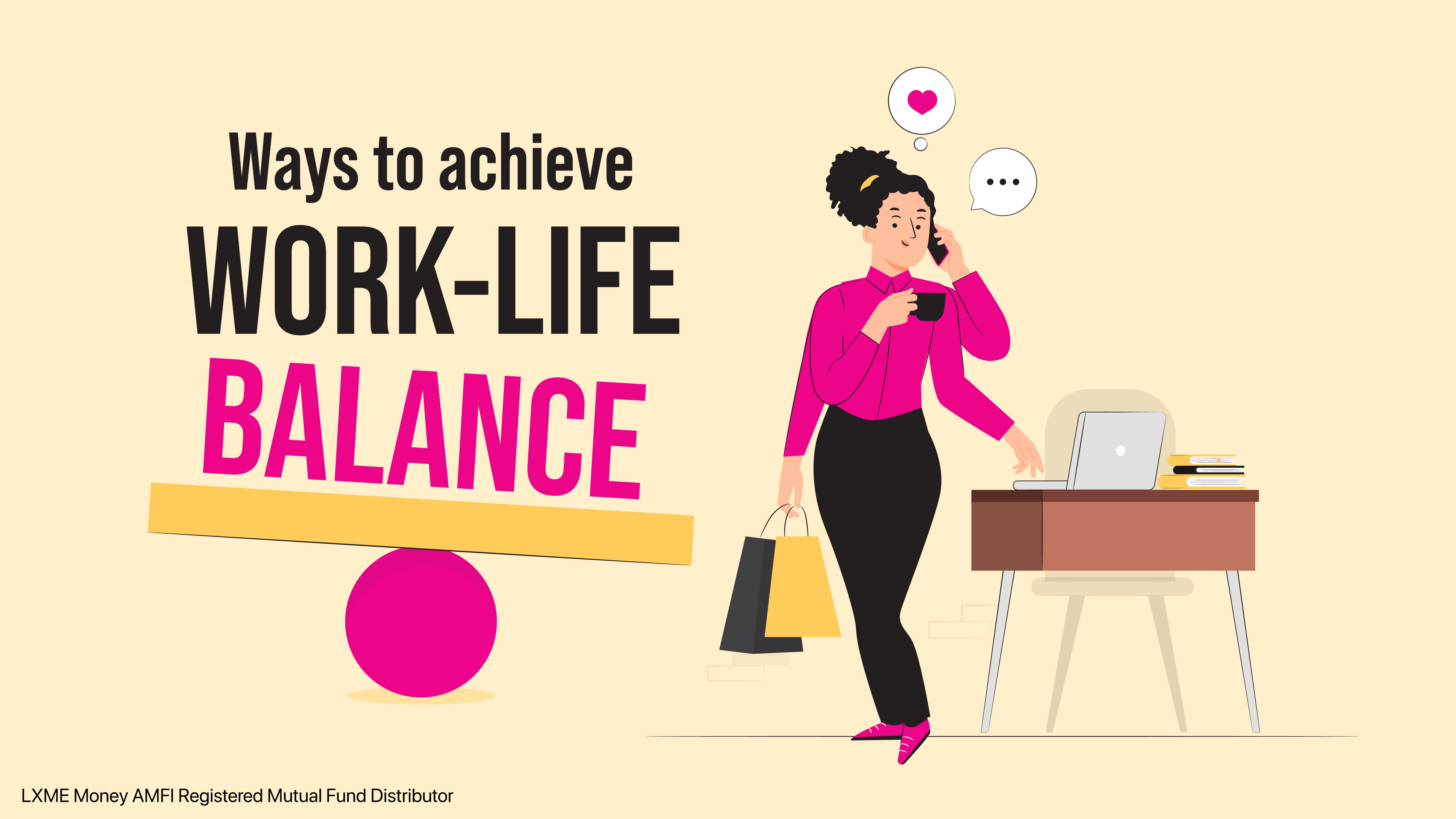
So, how can we overcome FOMO and maintain a healthy work-life balance? Here are a few strategies that may help:
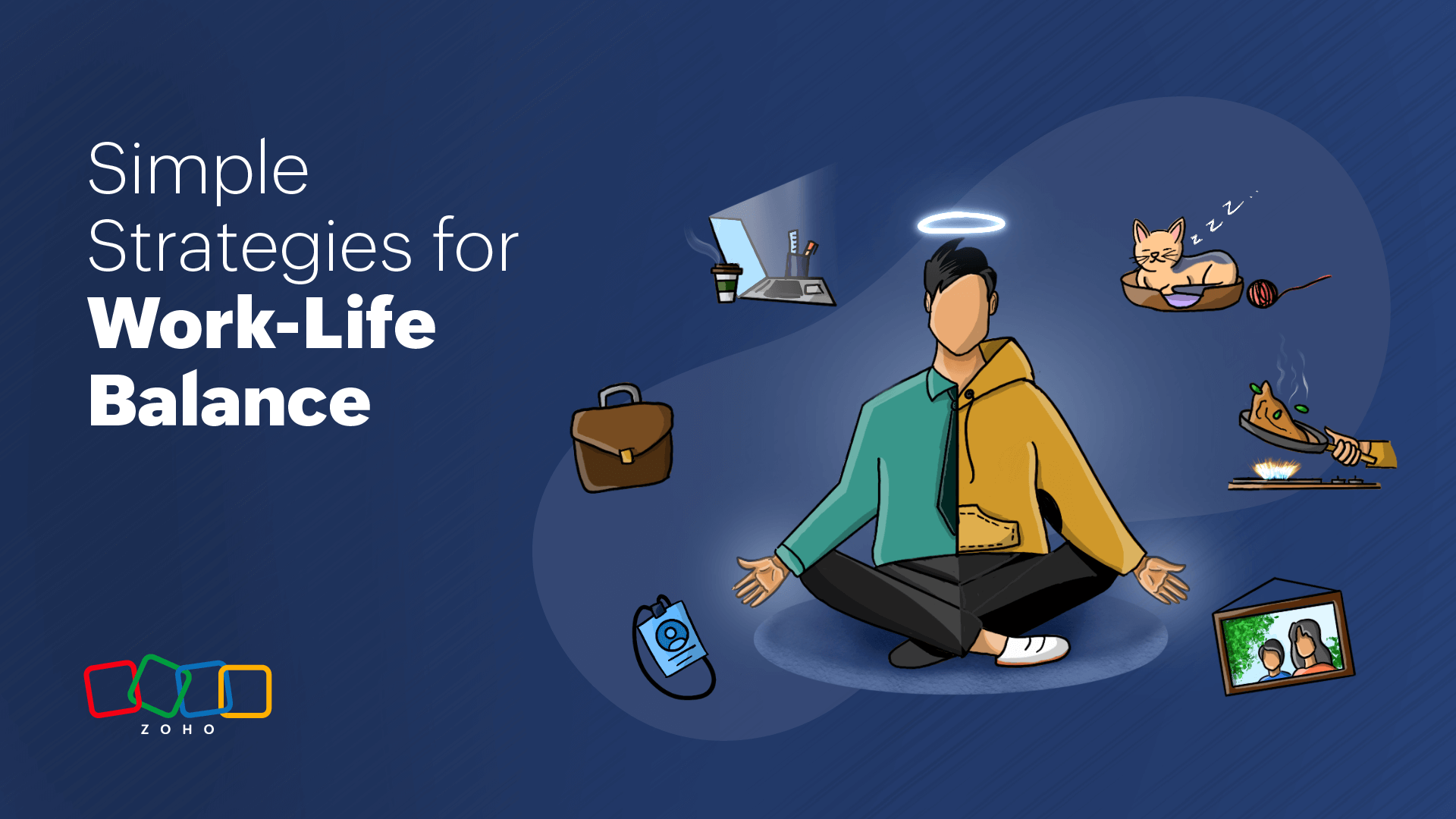
- Set boundaries: Establish clear boundaries between your work and personal life to avoid the constant ping of notifications and social media updates.
- Practice self-care: Make time for activities that bring you joy and relaxation, such as exercise, meditation, or spending time with loved ones.
- Use technology wisely: Use technology to your advantage by setting limits on your social media use, using apps that help you stay focused, and scheduling downtime.
- Focus on the present: Try to focus on the present moment and avoid getting caught up in the fear of missing out on future events or experiences.
Conclusion
FOMO can have a significant impact on work-life balance, leading to feelings of anxiety, stress, and burnout. By understanding the psychological factors behind FOMO and using strategies to overcome it, we can maintain a healthy balance between our work and personal lives. Remember, it's okay to say no to certain activities or experiences if they don't align with your goals or values.
References
Clayton, R. B., Leshner, G., & Almond, A. (2015). Social media, social stress, and symptomatology. Computers in Human Behavior, 51, 1050-1056.
Deci, E. L., & Ryan, R. M. (2012). Self-determination theory. In R. M. Ryan (Ed.), The Oxford handbook of human motivation (pp. 301-331). Oxford University Press.
Ulucan, A. (2024). Examining the impact of FOMO on work-life balance. Journal of Behavioral Addictions, 13(2), 247-256.