Understanding Infinite Scroll: The Psychology and Impact of Endless Scrolling
Today, websites and social media platforms are using a design approach known as "infinite scroll" to load content continuously as users scroll down. This feature eliminates the need for pagination, providing a seamless user experience. However, it can have unintended consequences, such as exacerbating the phenomenon of doomscrolling, where users mindlessly scroll through content. In this article, we will delve into the psychology behind infinite scrolling, its advantages and disadvantages, and its impact on mental health and web automation.
What is Infinite Scroll?
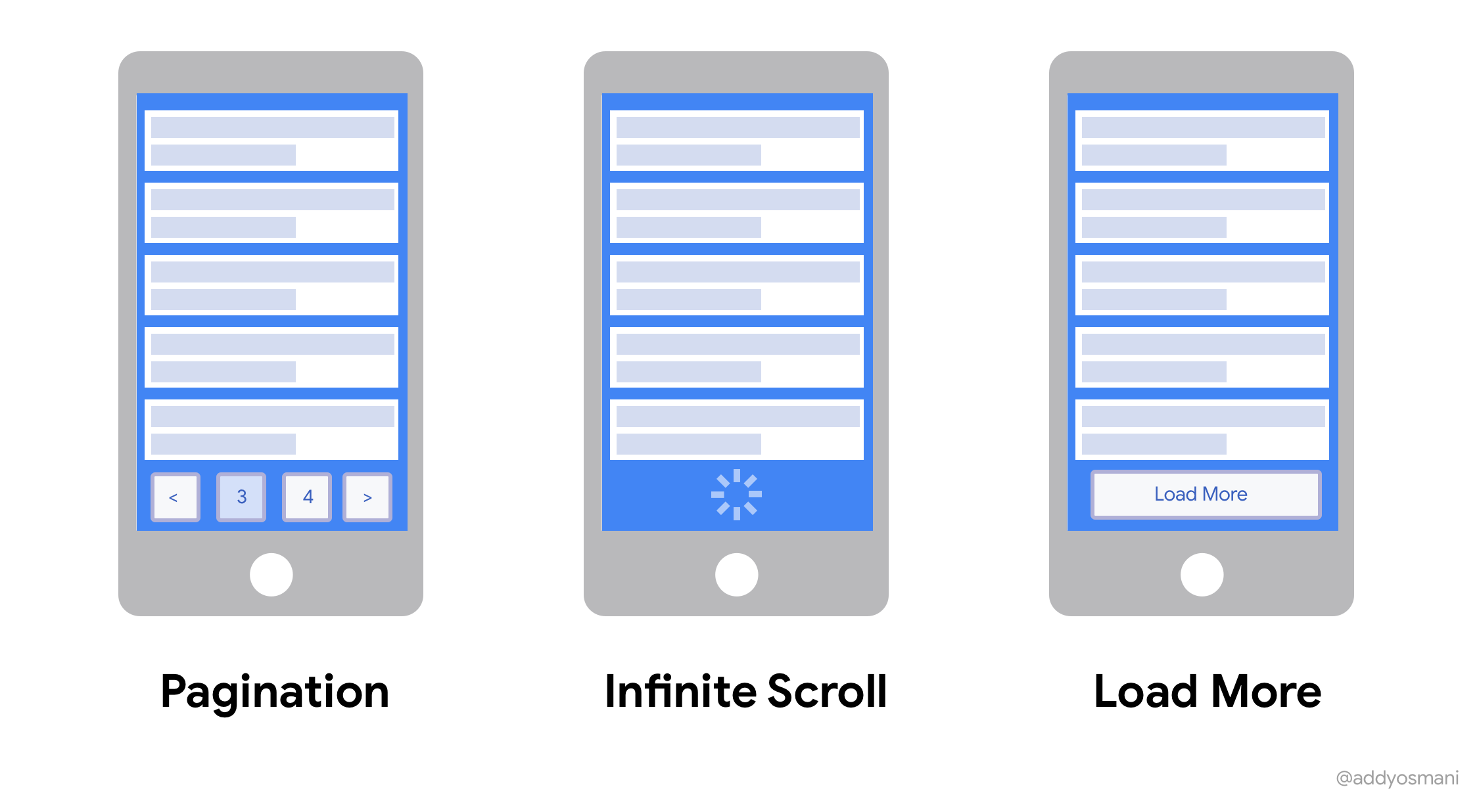
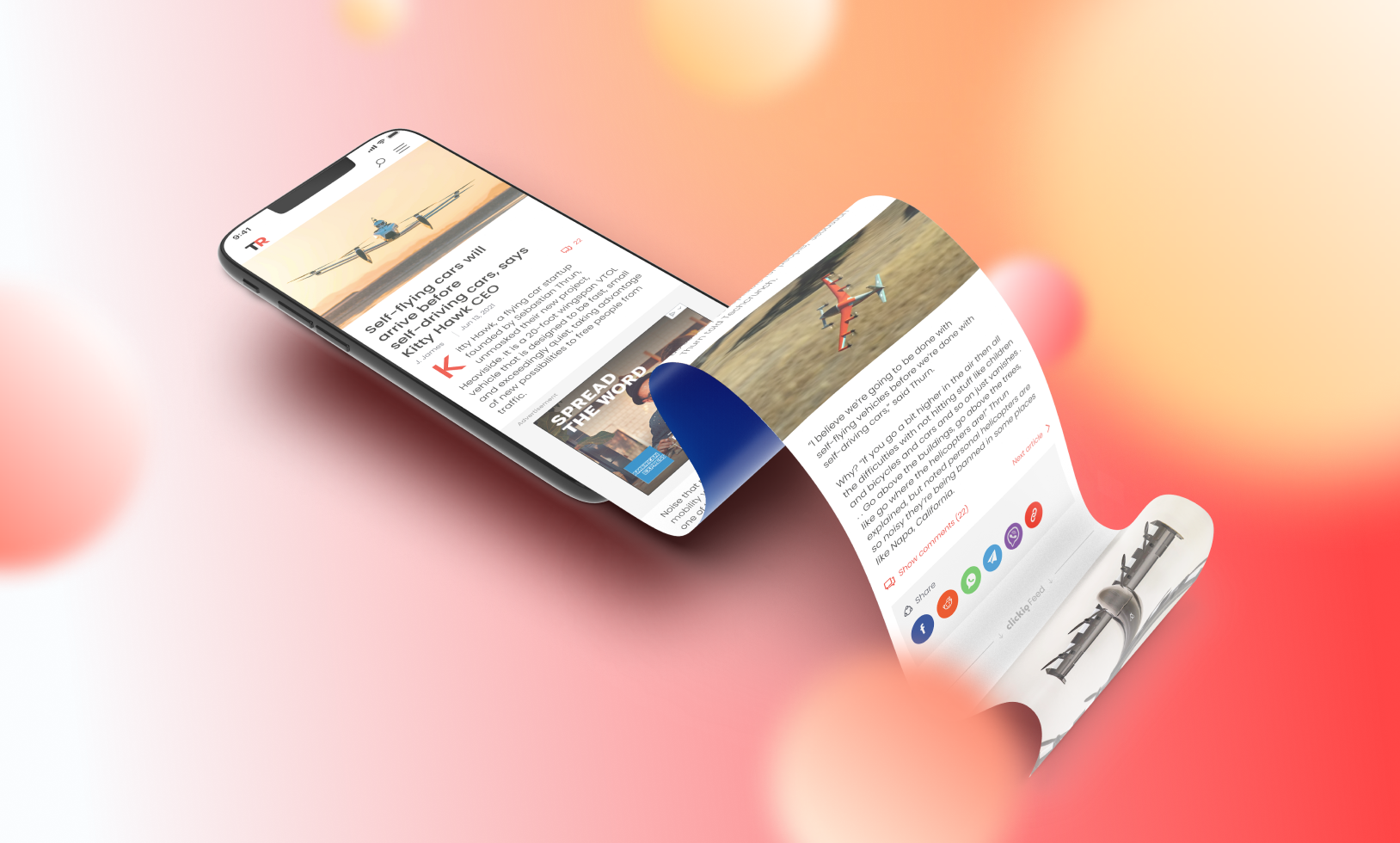
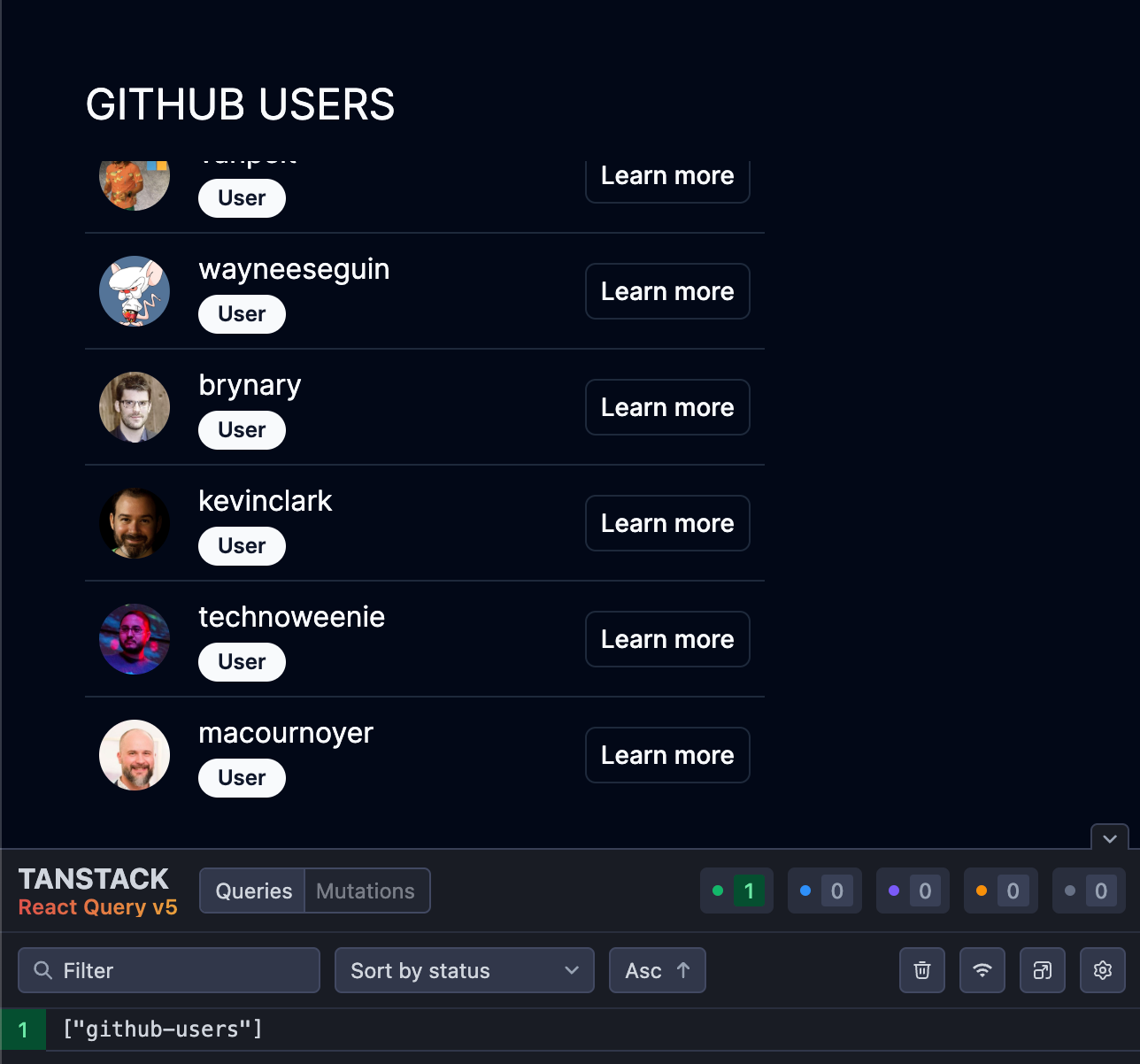
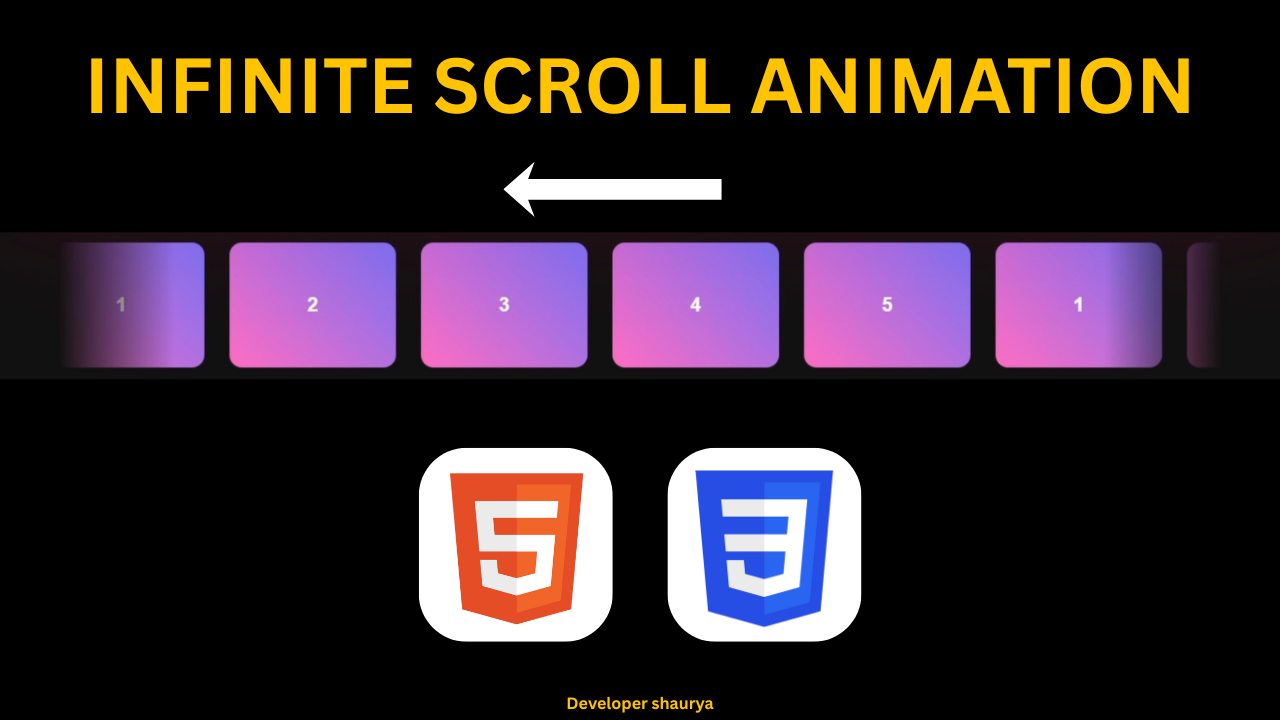
Infinite scroll, also known as endless scrolling, is a web design approach where new content is dynamically added to the bottom of the page as the user scrolls downward. This continuous loading of content creates a sense of endless possibility, making users feel like they can scroll forever. The term "infinite scroll" refers to the fact that the content seems to go on forever, without any natural stopping point.
Why is Infinite Scroll Addictive?
- Natural Stopping Point:** Infinite scroll takes away a natural stopping point where users might decide that's enough social media for today.
- Psychological Hooks:** Infinite scroll provides an endless stream of content, each unpredictable but irresistible new clip provides users a quick electric hit of instant gratification.
- Algorithmic Content:**Each new clip is pre-defined and perfectly tailored to the user experience via an algorithm.
These factors combined create an irresistible and addictive experience, keeping users engaged and scrolling mindlessly.
The Impact of Infinite Scroll on Mental Health
Research suggests that infinite scroll can have a significant impact on mental health, particularly in relation to anxiety, helplessness, and emotional fatigue. The constant exposure to suffering and violence can create feelings of anxiety and emotional exhaustion. Moreover, infinite scroll can make it difficult to disconnect from the online world, leading to decreased productivity and increased stress levels.
Challenges in Web Automation with Infinite Scroll
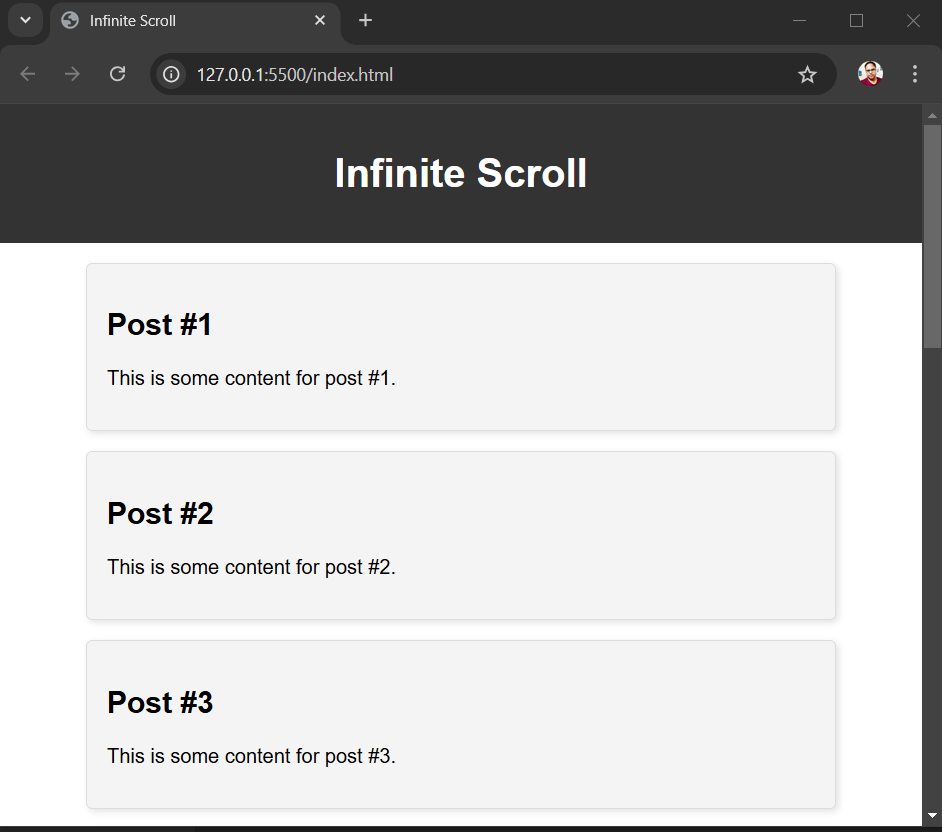
Infinite scroll can pose challenges in web automation, particularly when scripts need to interact with elements that load asynchronously. Automated testing tools like Selenium or Cypress need to wait for the content to load before interacting with it, which can lead to delays and instability in the testing process.
Alternatives to Infinite Scroll: Pagination and Load-More Buttons
While infinite scroll can enhance the user experience, it's not the only way to load content dynamically. Pagination and load-more buttons can provide a more intuitive and interactive way to load content, allowing users to control the amount of content displayed at a given time. These alternatives can help mitigate the addiction and stress associated with infinite scroll.
Conclusion
Infinite scroll is a powerful design approach that can enhance user engagement and experience. However, it's essential to consider its potential impact on mental health and web automation. By being aware of these factors, developers and designers can use infinite scroll responsibly and provide a more balanced and user-friendly experience.
Future Developments and Implementation
Developing and implementing infinite scroll requires a deep understanding of web development, design, and psychology. By combining technical expertise with knowledge of user behavior and needs, developers can create innovative and engaging user experiences. In this article, we explored the basics of infinite scroll, its psychology, and its impact on mental health and web automation. We also touched on alternatives to infinite scroll and the importance of responsible development and design.
Getting Started with Infinite Scroll
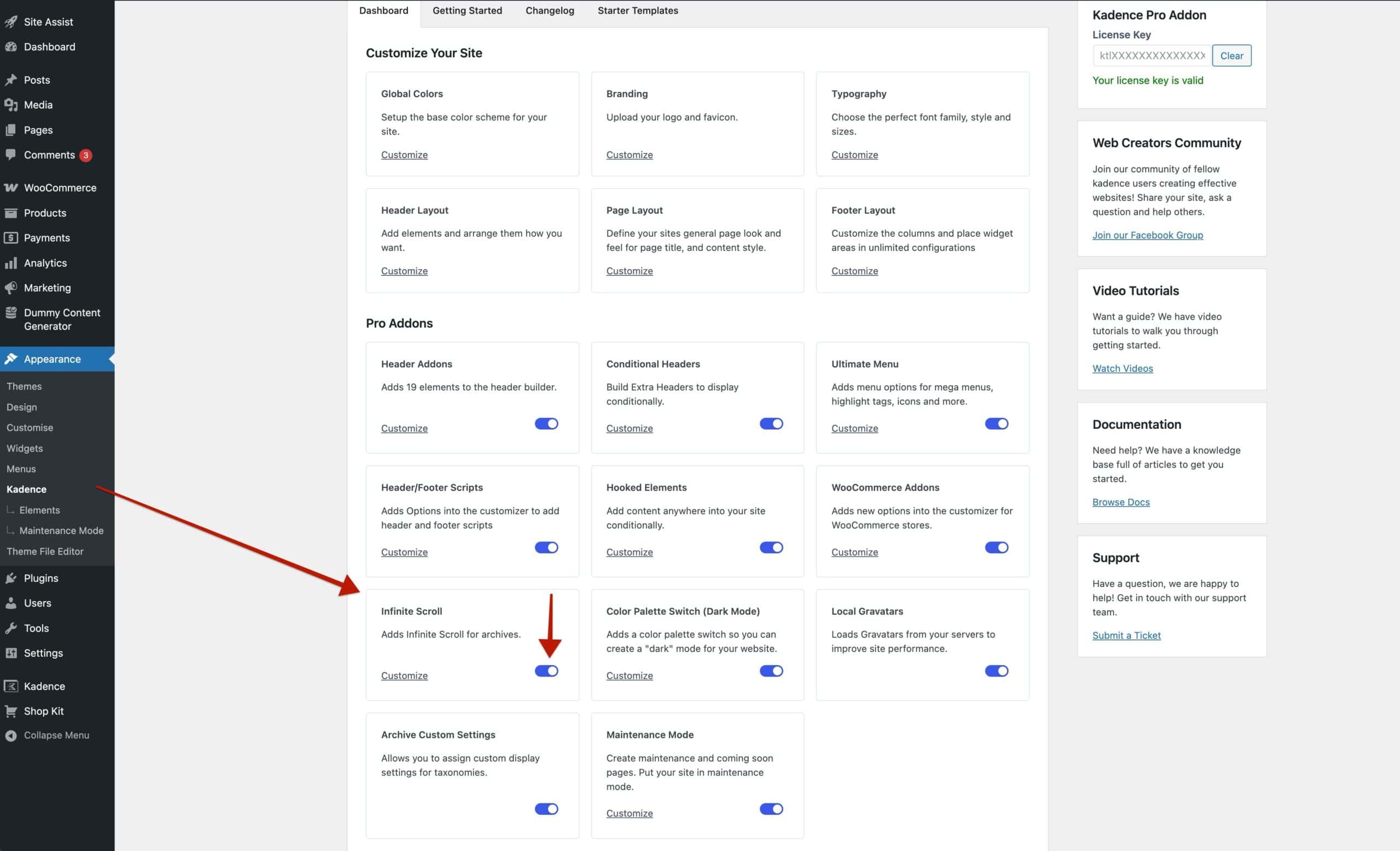
Developers can start implementing infinite scroll by including the InfiniteScroll.js file in their site. This will allow them to dynamically load content as the user scrolls down the page. However, it's essential to consider the challenges and alternatives mentioned above to ensure a smooth and engaging user experience.