FOMO and Social Media Addiction: Understanding the Complex Relationship
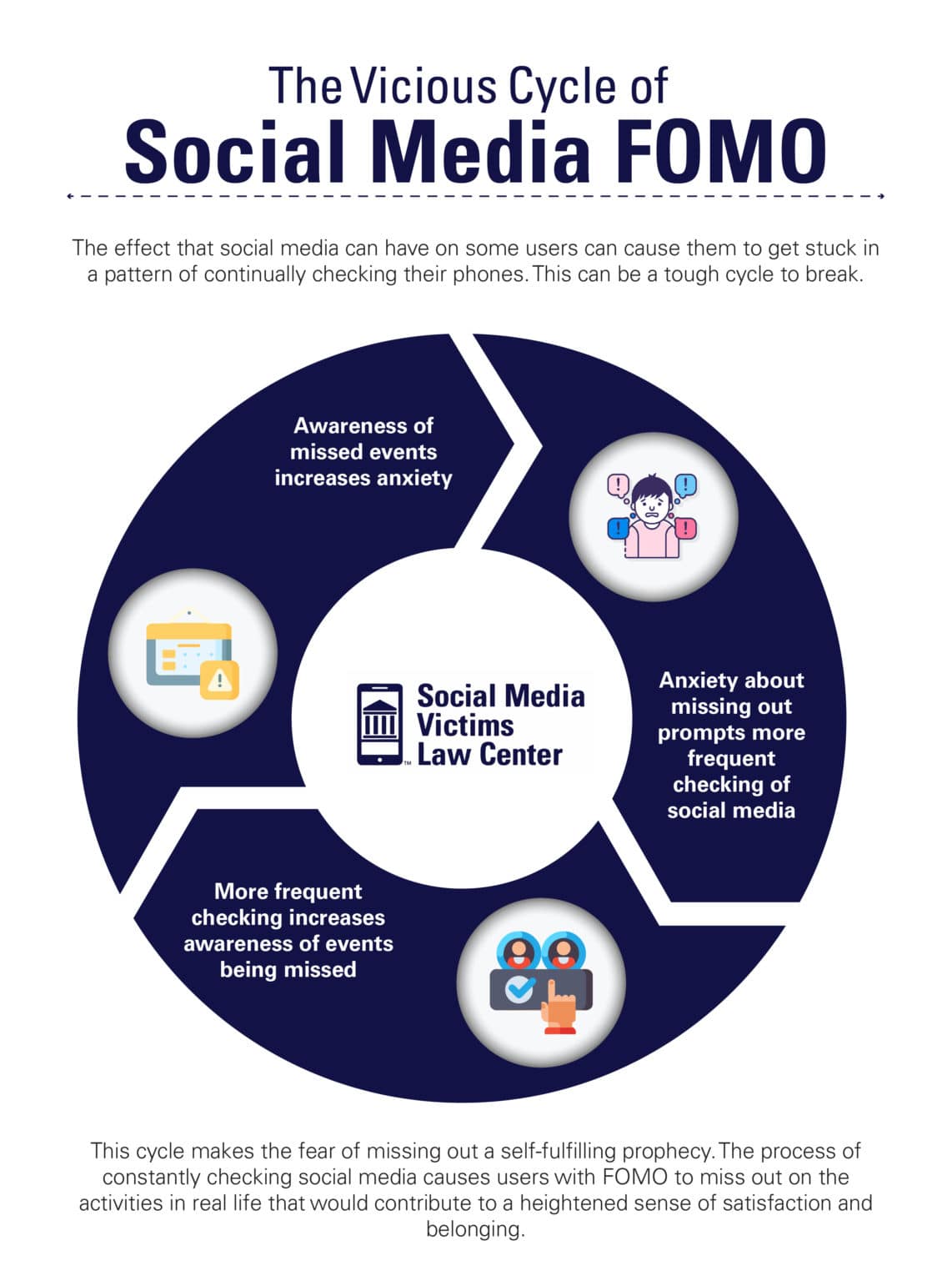
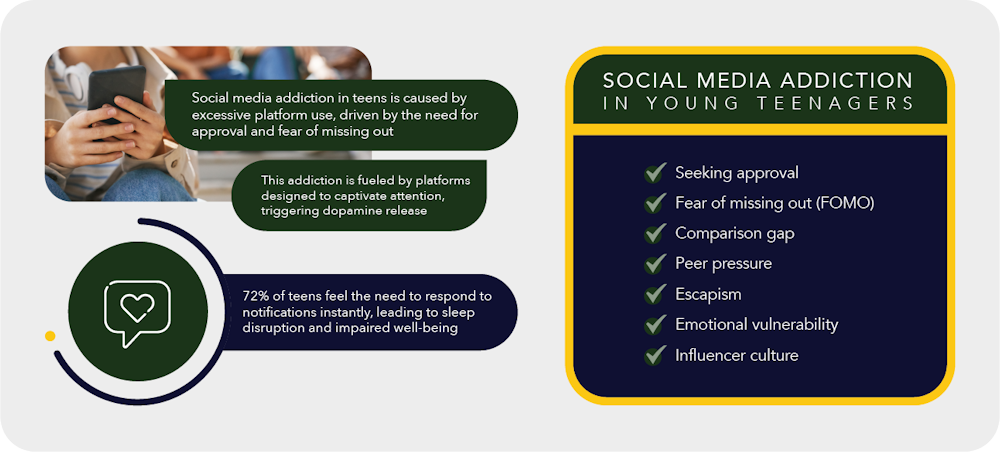
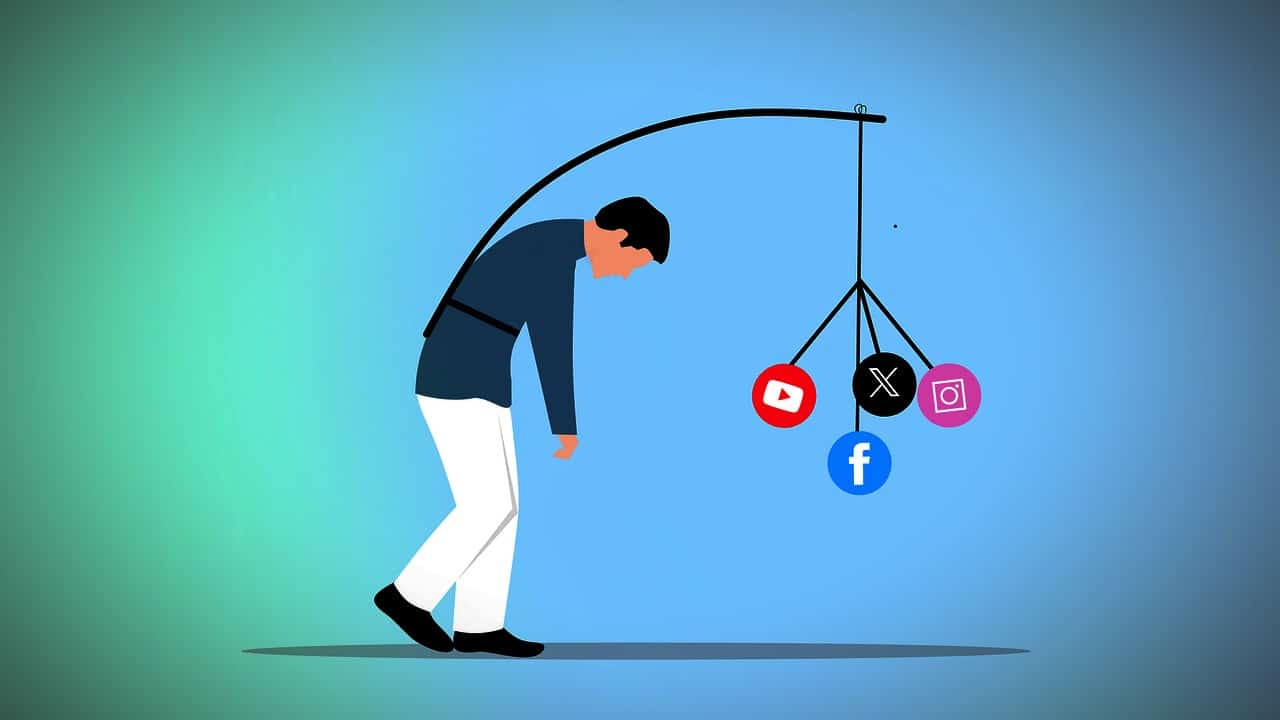
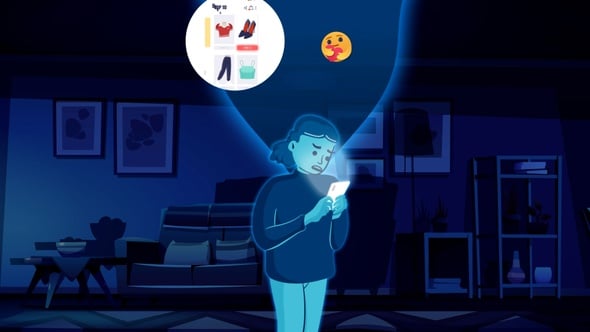
In today's digital age, social media has become an integral part of our lives. However, this phenomenon has also given rise to a unique psychological phenomenon called FOMO (Fear of Missing Out). FOMO is characterized by the anxious feeling that others are having rewarding experiences without our participation. This sense of fear and anxiety can lead to addictive tendencies of social media use, causing individuals to check their notifications constantly, thereby fueling FOMO and social media addiction.
What is FOMO and Social Media Addiction?
FOMO is not a new concept, but it has gained significant attention in recent years due to the widespread use of social media. It refers to the apprehension that online content and interactions from others are unseen and reacted to in a timely fashion. This can lead to anxiety, interrupted sleep, and a constant need to stay connected with one's social network.
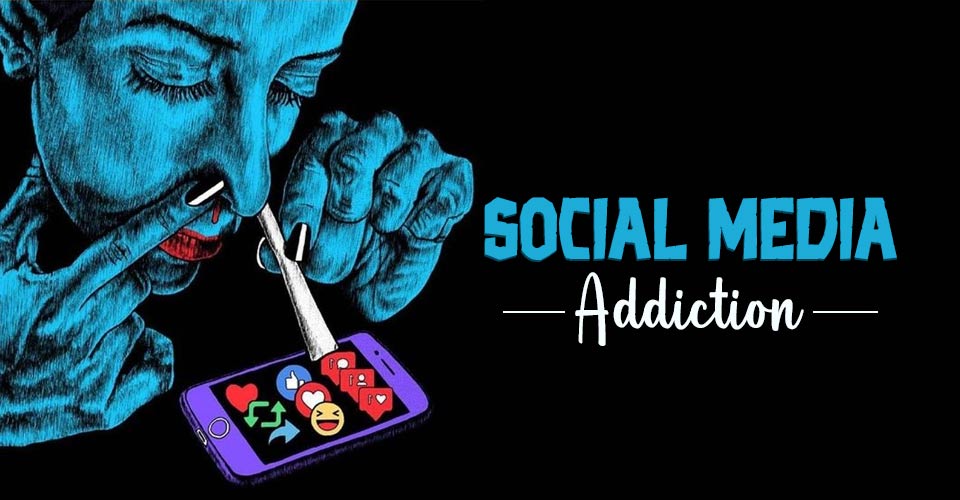
Social media addiction, on the other hand, is a type of behavioral addiction characterized by compulsive behaviors related to technology use, such as gaming and social media. This can lead to problems in various aspects of life, including mental health, relationships, and productivity.
How are FOMO and Social Media Addiction Related?
Research has shown that FOMO can contribute to social media addiction by driving individuals to constantly check their notifications, thereby increasing their social media use. This can create a vicious cycle, where individuals feel the need to stay connected with their social network, fearing that they might miss out on important events or experiences.
A study published in 2025 found that FOMO was a robust predictor of social media addiction, with individuals who experienced higher levels of FOMO being more likely to engage in problematic social media use. Another study found that social media addiction was associated with elevated levels of anxiety and depression, which can be fueled by FOMO.
Symptoms of FOMO and Social Media Addiction
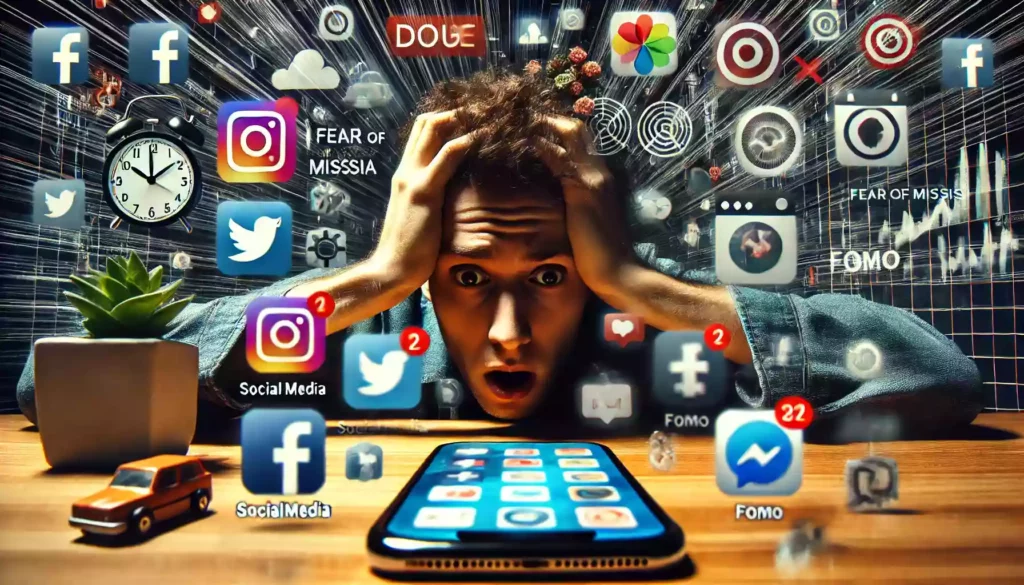
Symptoms of FOMO and social media addiction can be similar to those of substance use disorders, including:
- Mood modification: using social media to improve one's mood or escape negative emotions
- Salience: spending increasing amounts of time on social media and feeling anxious when unable to check it
- Tolerance: needing to spend more time on social media to feel satisfied
- Stress withdrawal symptoms: feeling anxious or irritable when unable to use social media
- Psychological distress: experiencing anxiety, depression, or other negative emotions
- Anxiety and depression: experiencing increased levels of anxiety and depression due to social media use
- Conflict: experiencing conflicts with others due to social media use
- Relapse: returning to problematic social media use after a period of abstinence
- Low self-esteem: experiencing low self-esteem due to social media use
Consequences of FOMO and Social Media Addiction
The consequences of FOMO and social media addiction can be severe, including:
- Mental health problems: experiencing anxiety, depression, and other mental health issues
- Relationship problems: experiencing conflicts with others due to social media use
- Productivity issues: experiencing decreased productivity and performance due to social media use
- Social isolation: experiencing social isolation due to excessive social media use
- Sleep problems: experiencing sleep disturbances due to excessive social media use
Breaking the Cycle of FOMO and Social Media Addiction
Breaking the cycle of FOMO and social media addiction requires awareness, self-regulation, and support. Here are some tips to help you manage FOMO and social media addiction:
- Set boundaries: set limits on your social media use and stick to them
- Use technology: use tools and apps that help you track and manage your social media use
- Seek support: seek support from friends, family, or a therapist to help you manage FOMO and social media addiction
- Prioritize real-life activities: prioritize real-life activities and relationships over social media use
- Practice mindfulness: practice mindfulness and self-regulation techniques to help you manage FOMO and social media addiction