How to Protect Your Online Presence Online: A Comprehensive Guide
In today's digital age, having an online presence is essential for individuals and businesses alike. However, this increased exposure also brings risks, such as identity theft, data breaches, and reputation damage. In this article, we will explore the importance of protecting your online presence and provide you with actionable tips on how to safeguard your digital identity.Why Is Online Presence Important?
Your online presence is a digital representation of yourself or your business, and it can have a significant impact on your personal and professional brand. It includes all the information and data that is publicly available online, such as social media profiles, websites, and online search results. A strong online presence can help you build trust, establish credibility, and increase your visibility in the digital world.Risks Associated with Online Presence
However, an online presence also comes with risks, such as:- Identity theft and data breaches
- Reputation damage and online harassment
- Cyberbullying and online stalking
- Phishing and other online scams
- Malware and ransomware attacks
How to Protect Your Online Presence Online
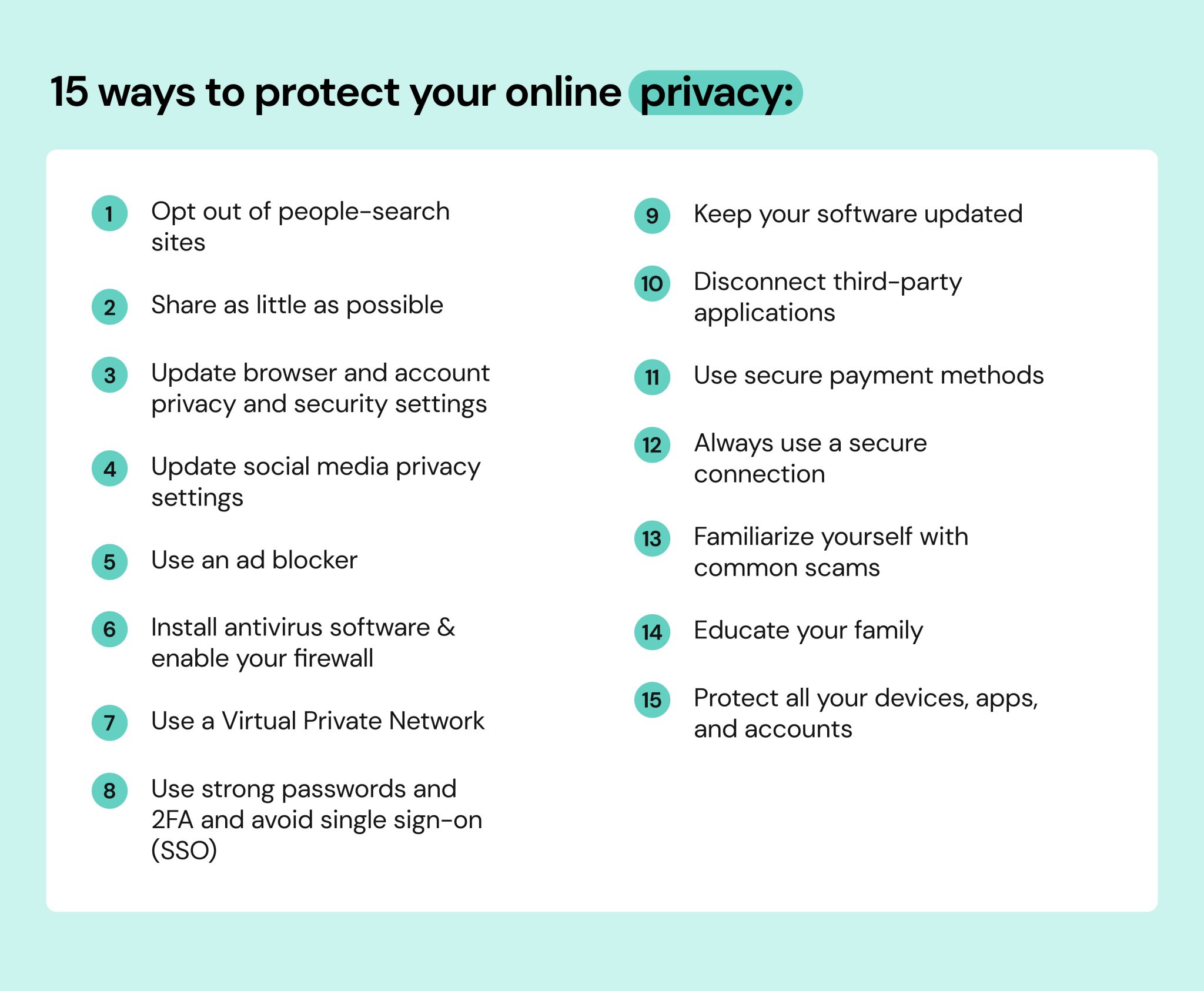
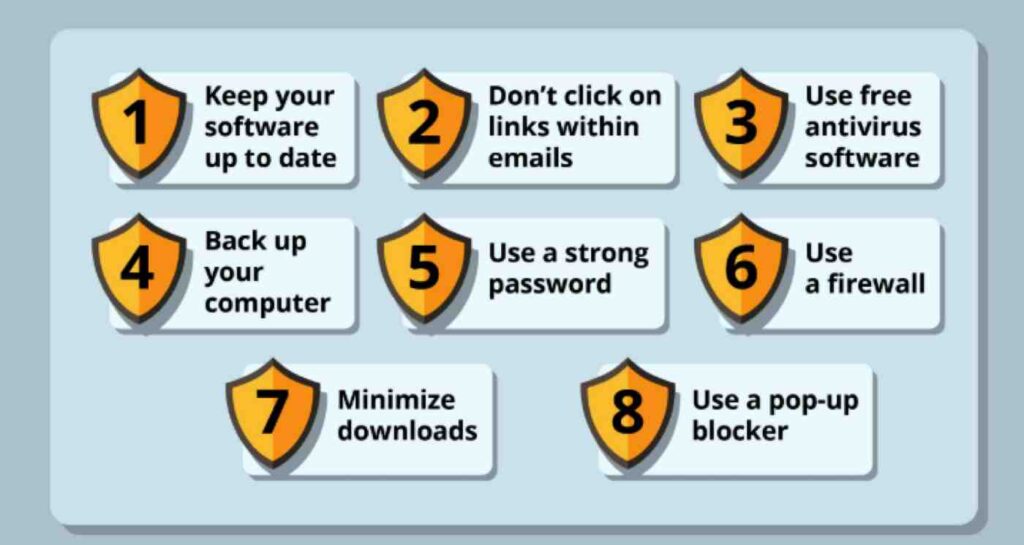
To safeguard your online presence, you need to take proactive steps to ensure that your personal and sensitive information is secure and protected from online threats. Here are some actionable tips to help you do so:1. Be Aware of Information You Share Online
The first step in protecting your online presence is to be mindful of the information you share online. Avoid sharing sensitive information, such as your address, phone number, or financial information, on social media or other online platforms. Be cautious when clicking on links or downloading attachments from unknown sources.2. Manage Your Social Media Settings
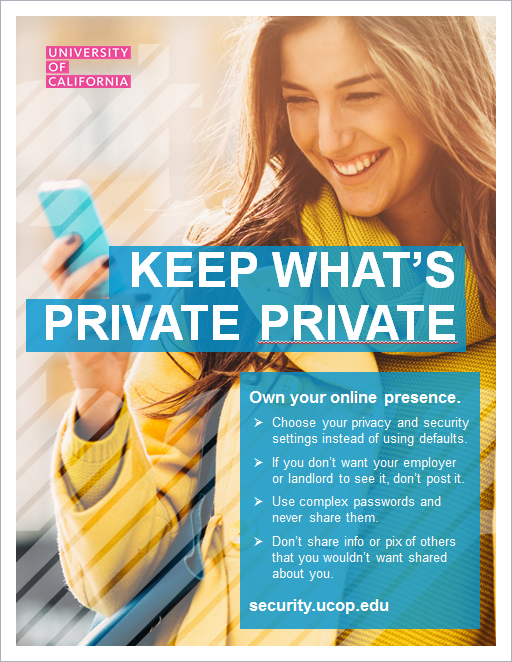
In addition to being aware of information you share online, manage the settings on your social media accounts to better increase your privacy and security. Limit sharing, lock down settings, and scrutinize apps that have access to your account.3. Use Strong and Unique Passwords