Developing Healthy Meditation Habits for a Better Life
Meditation has been practiced for thousands of years, and its benefits are well-documented. By incorporating meditation into your daily routine, you can reduce stress, improve sleep, and feel more calm and focused. However, developing healthy meditation habits takes time and effort. In this article, we will explore the importance of meditation, provide tips on how to get started, and offer advice on how to make meditation a sustainable part of your lifestyle.
The Benefits of Meditation
Meditation offers a wide range of benefits, including reduced stress, improved focus, and enhanced mental well-being. Regular meditation practice can also lead to physical health benefits, such as lower blood pressure, improved mood, and a stronger immune system. Additionally, meditation can help individuals develop self-awareness, compassion, and better relationships with others.
Creating a Meditation Routine
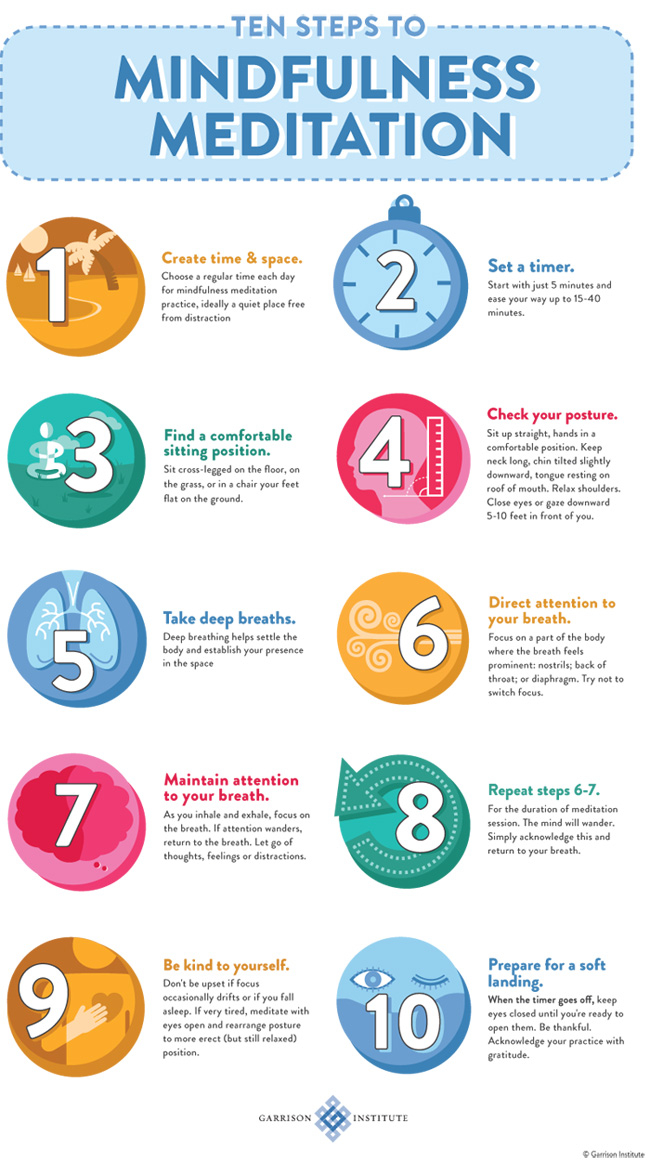
To develop healthy meditation habits, it's essential to create a consistent routine. Start by setting aside a specific time each day for meditation, even if it's just 5-10 minutes. Gradually increase the duration as you become more comfortable with the practice. It's also crucial to choose a quiet, distraction-free space for meditation, free from electronic devices and other distractions.
Tips for Developing a Meditation Habit
- Start small: Begin with short meditation sessions and gradually increase the duration as you become more comfortable with the practice.
- Find a quiet space: Identify a quiet, distraction-free space for meditation, free from electronic devices and other distractions.
- Use guided meditations: Listen to guided meditations to help you stay focused and on track.
- Make it a habit: Incorporate meditation into your daily routine, just like brushing your teeth or taking a shower.
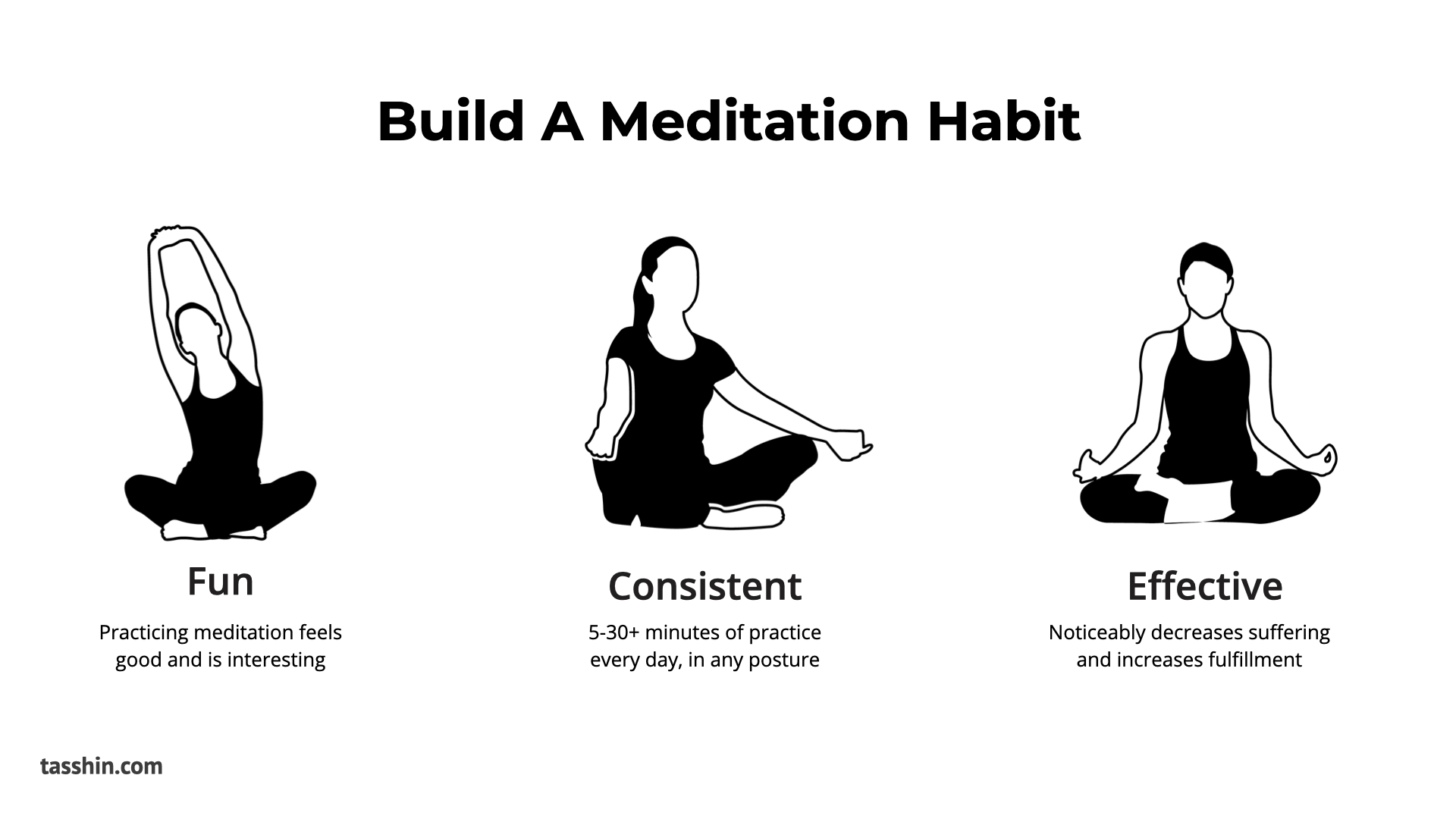
- Be consistent: Aim to meditate at the same time every day to make it a habit.
Overcoming Obstacles
Developing healthy meditation habits can be challenging, especially for beginners. Common obstacles include lack of time, distractions, and difficulty staying focused. To overcome these obstacles, try the following:
- Schedule meditation: Treat meditation as a non-negotiable part of your daily routine.
- Find a meditation buddy: Share your meditation goals with a friend or family member and ask for their support.
- Be patient: Developing healthy meditation habits takes time and effort. Don't get discouraged if you miss a day or two.
Integrating Meditation into Your Lifestyle
Meditation is not a one-size-fits-all practice. To incorporate meditation into your lifestyle, explore different types of meditation, such as mindfulness, loving-kindness, and transcendental meditation. Experiment with various techniques, including guided meditations, apps, and meditation retreats.
Additionally, consider the following tips to integrate meditation into your daily routine:
- Incorporate meditation into your bedtime routine to improve sleep quality.
- Use meditation to manage stress and anxiety.
- Practice mindfulness during daily activities, such as eating and movement.
Conclusion
Developing healthy meditation habits takes time and effort, but the benefits are worth it. By incorporating meditation into your daily routine, you can reduce stress, improve focus, and feel more calm and centered. Remember to start small, be consistent, and be patient. With time and practice, meditation can become a sustainable and enjoyable part of your lifestyle.