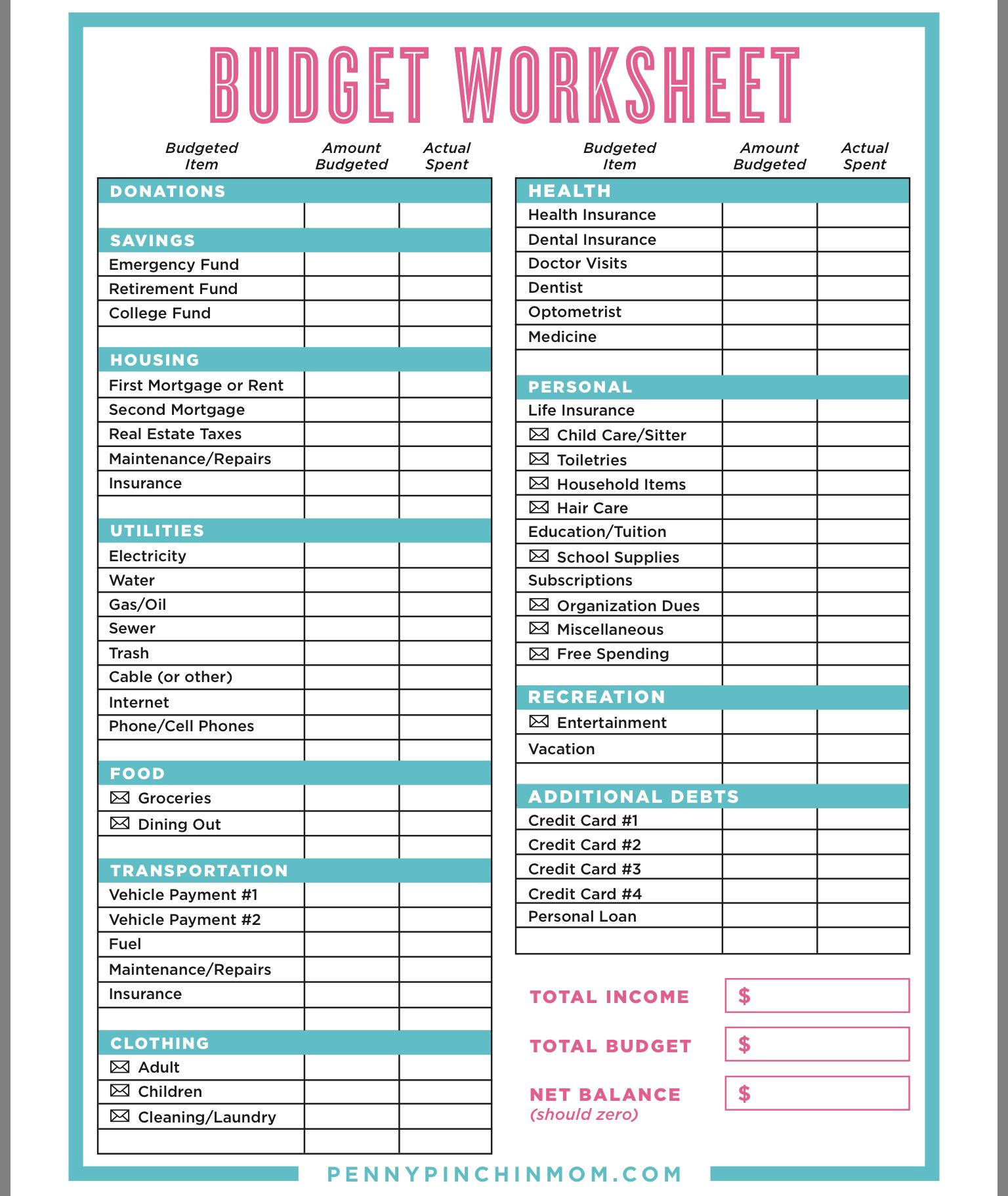
How to Make a Budget: A Simple and Effective Guide
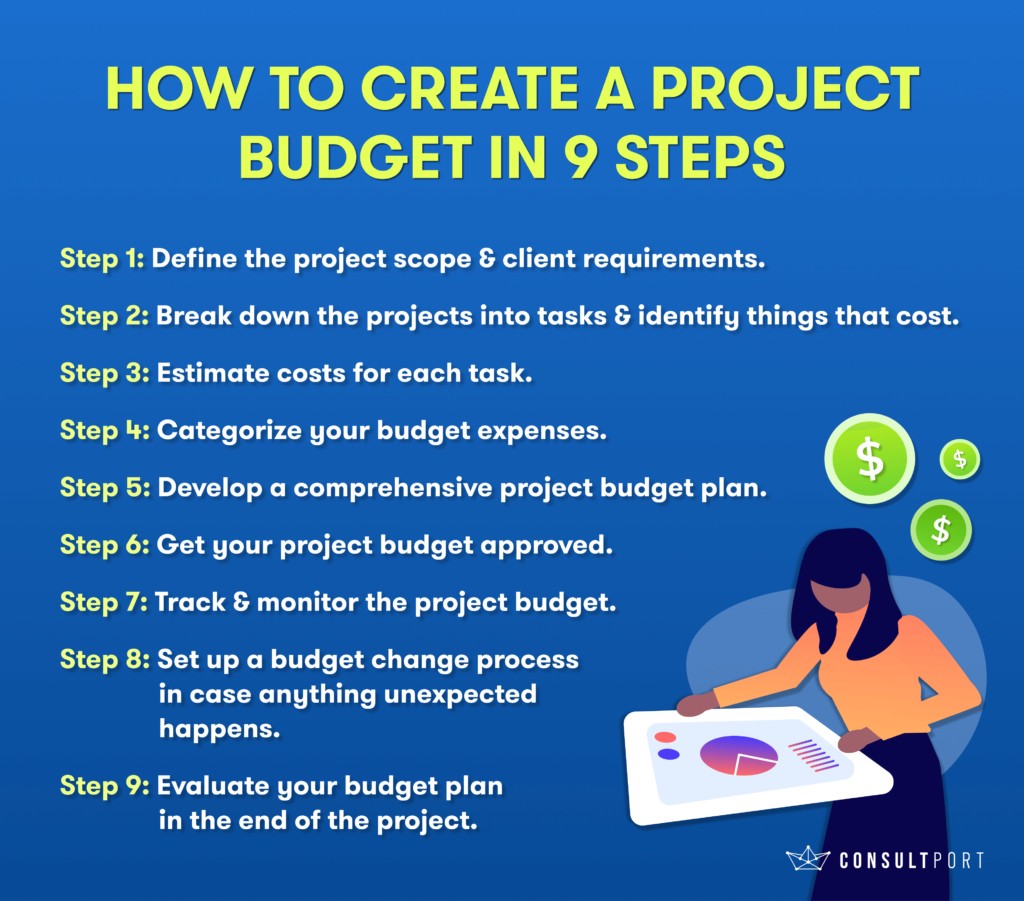
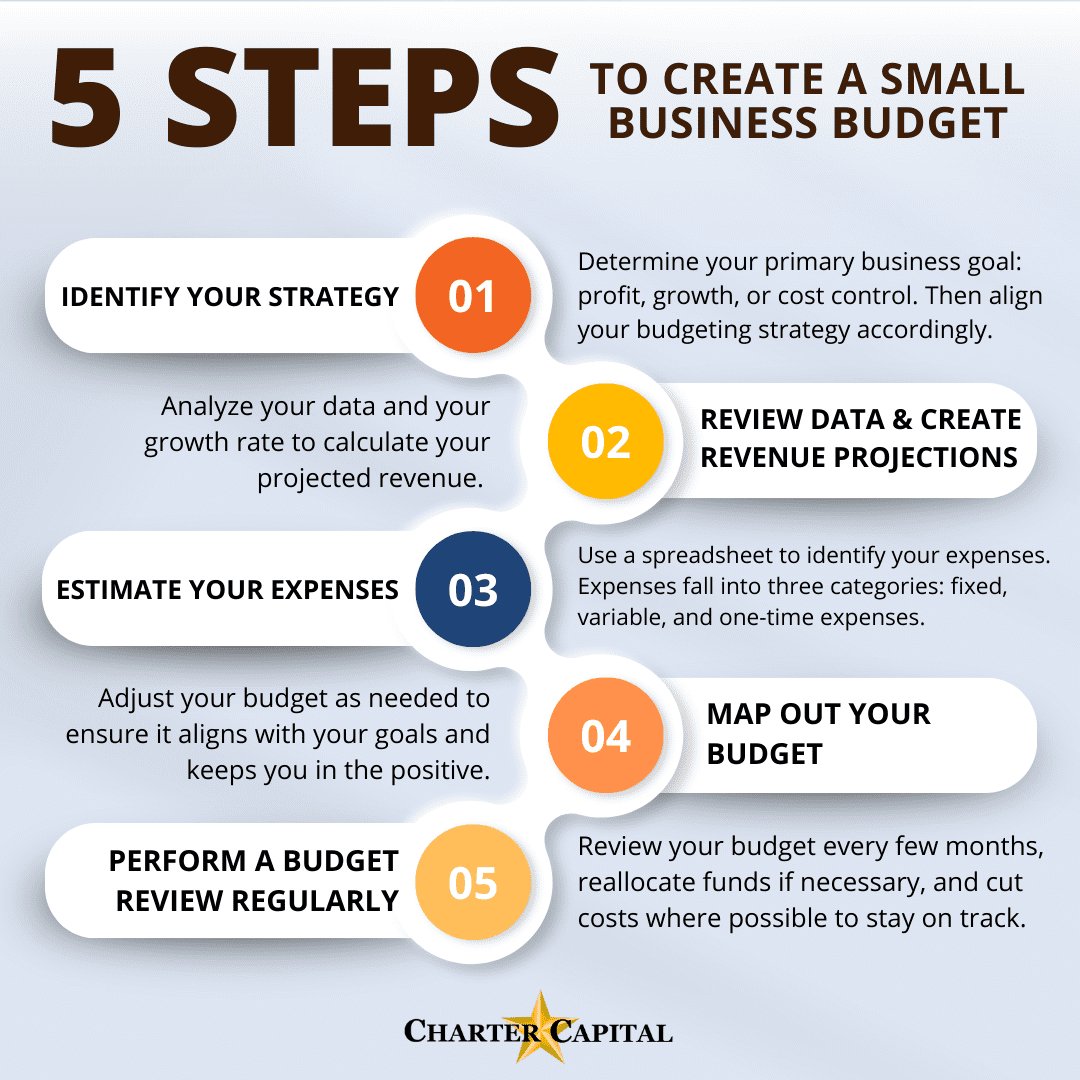
Budgeting doesn't have to be stressful or overwhelming. With a clear understanding of how to create a budget that works for you, you can take control of your finances and achieve your financial goals. In this article, we'll walk you through the process of making a budget in five simple steps, providing you with valuable tips and strategies to help you stick to your financial plan.
Step 1: Track Your Income and Expenses
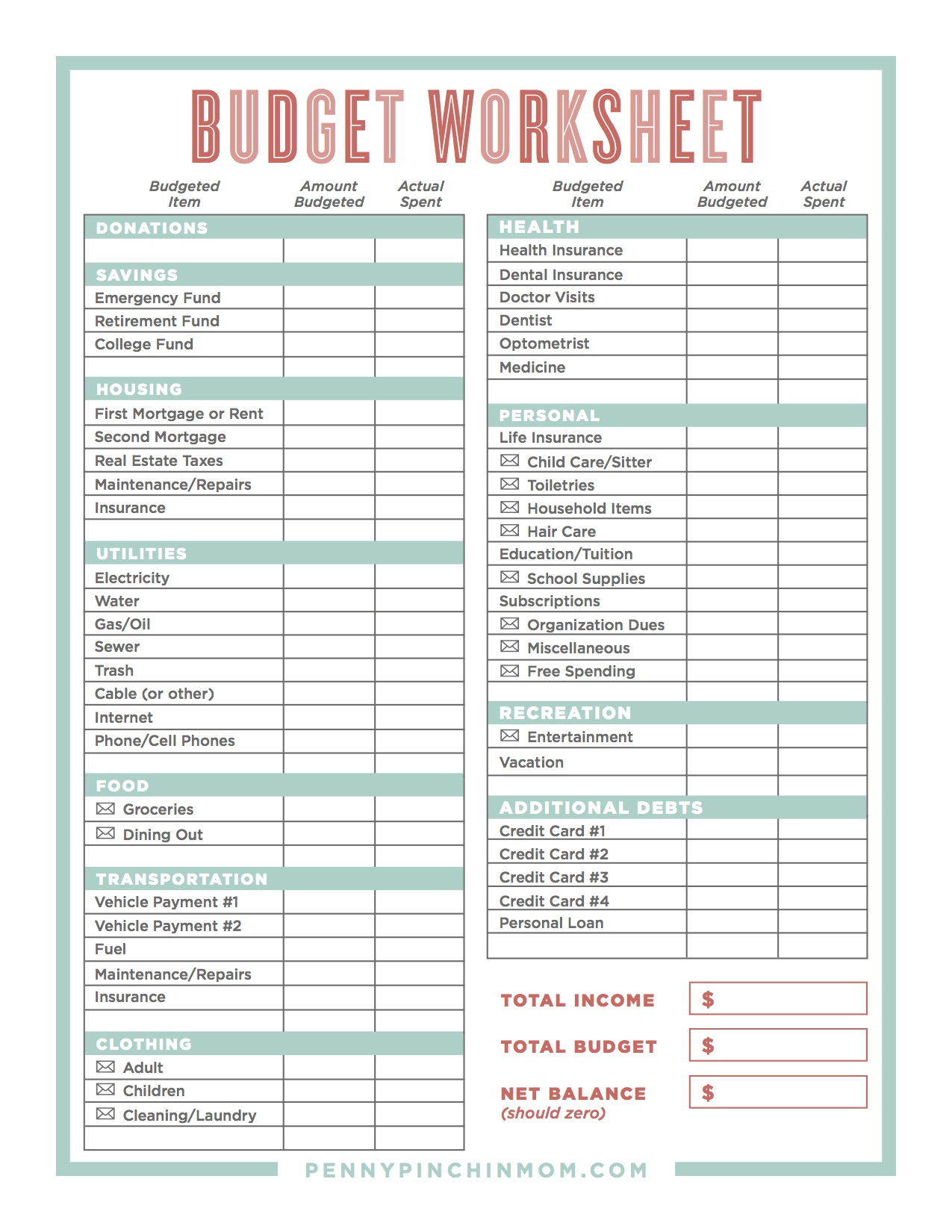
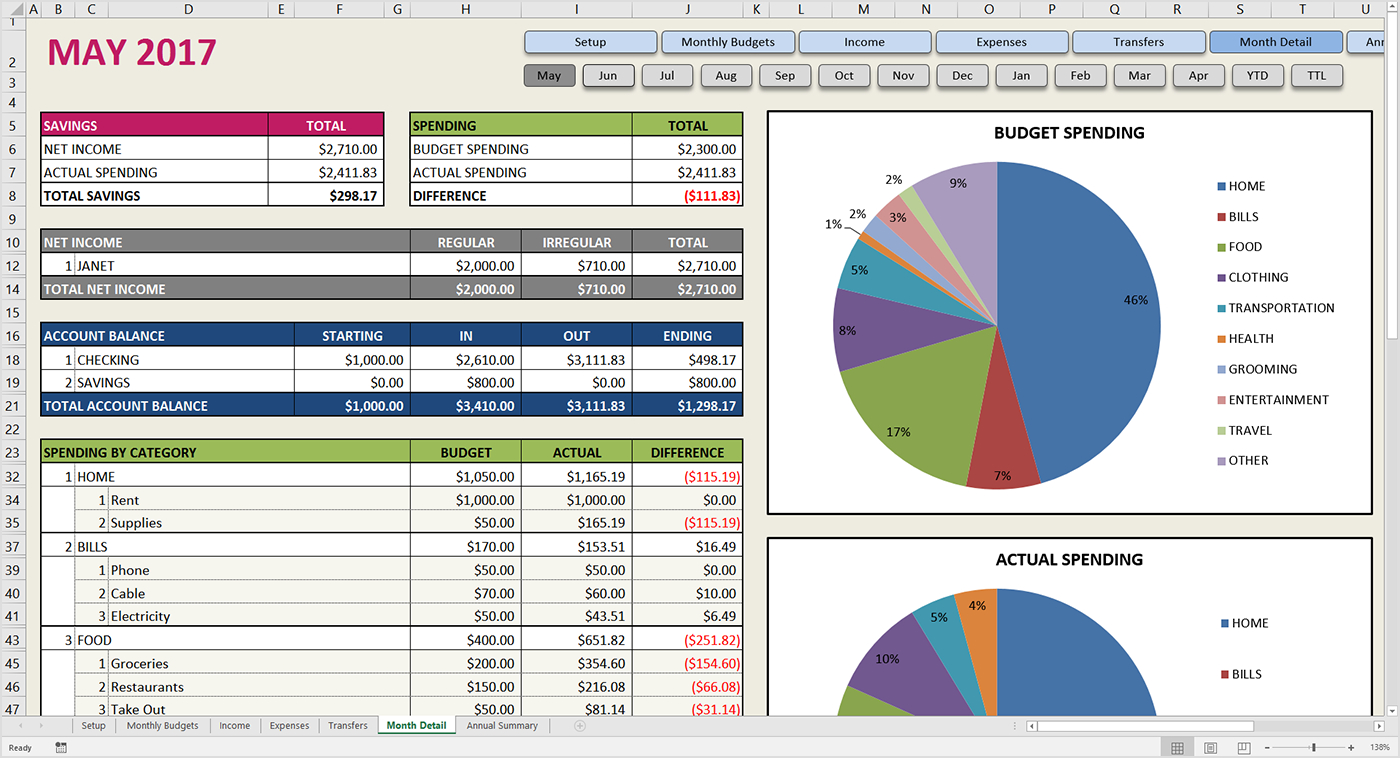
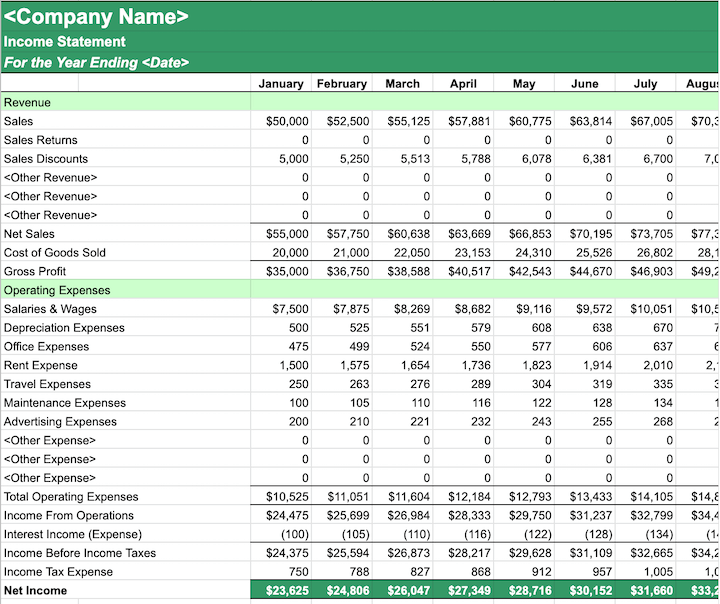
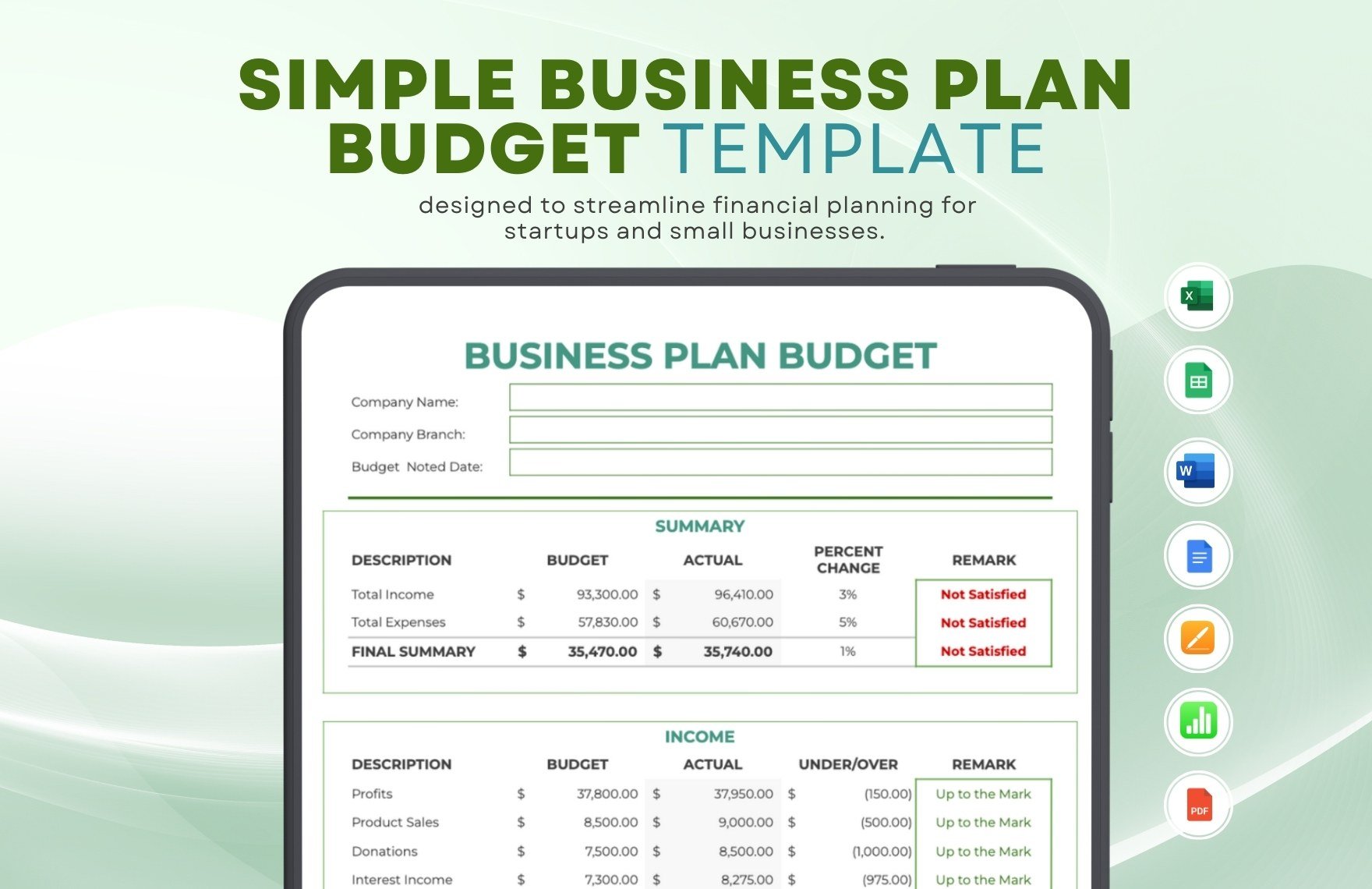
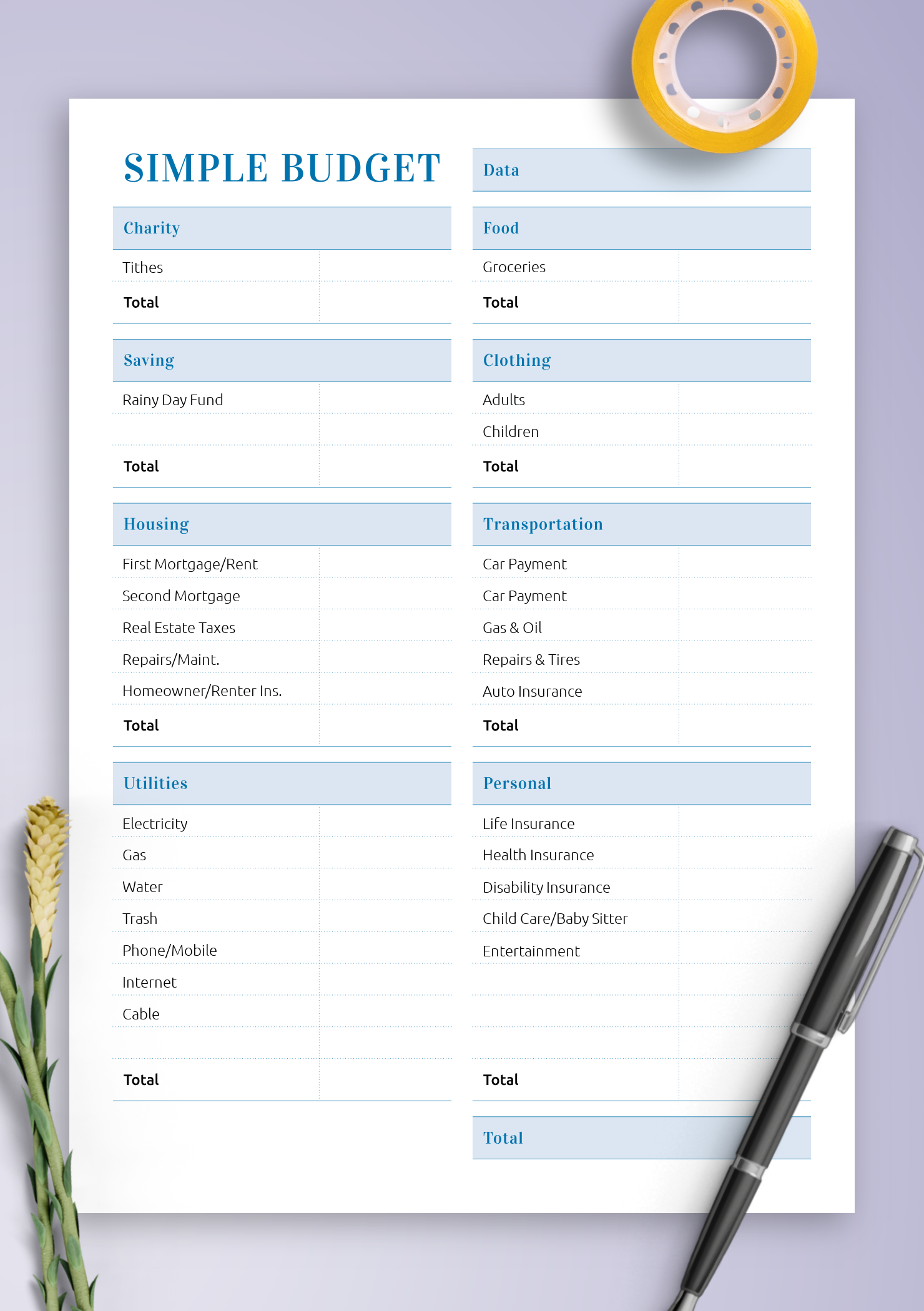
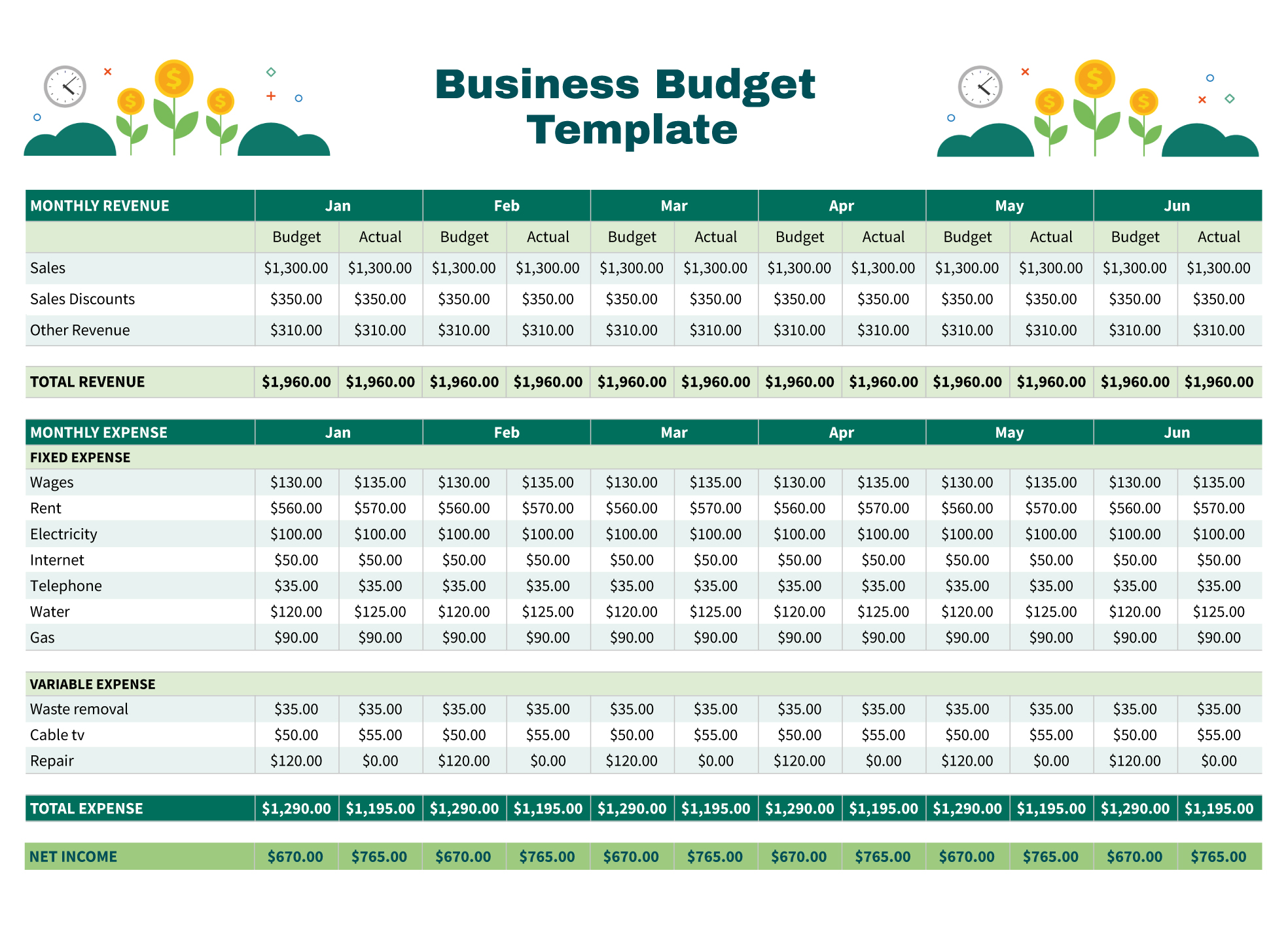
The first step in creating a budget is to track your income and expenses. This will give you a clear picture of where your money is going and help you identify areas where you can cut back. Start by writing down your monthly income, including any sources of income such as your salary, investments, or freelance work. Next, track your expenses by categorizing them into essential expenses such as rent/mortgage, utilities, groceries, and transportation, and non-essential expenses such as entertainment, hobbies, and travel.
Step 2: Set Financial Goals
Once you have a clear picture of your income and expenses, it's time to set financial goals. What do you want to achieve with your budget? Do you want to save for a down payment on a house, pay off debt, or build up your savings? Be specific and realistic with your goals, and make sure they align with your income and expenses.
Step 3: Categorize Your Expenses
Now it's time to categorize your expenses into needs and wants. Essential expenses such as rent/mortgage, utilities, and groceries are needs, while non-essential expenses such as entertainment, hobbies, and travel are wants. By prioritizing your expenses, you can focus on cutting back on non-essential expenses and allocating more money towards needs.
Step 4: Allocate Your Income
Once you have a clear picture of your income and expenses, it's time to allocate your income accordingly. Start by allocating 50% of your income towards essential expenses, 30% towards discretionary spending, and 20% towards saving and debt repayment.
Step 5: Track and Adjust
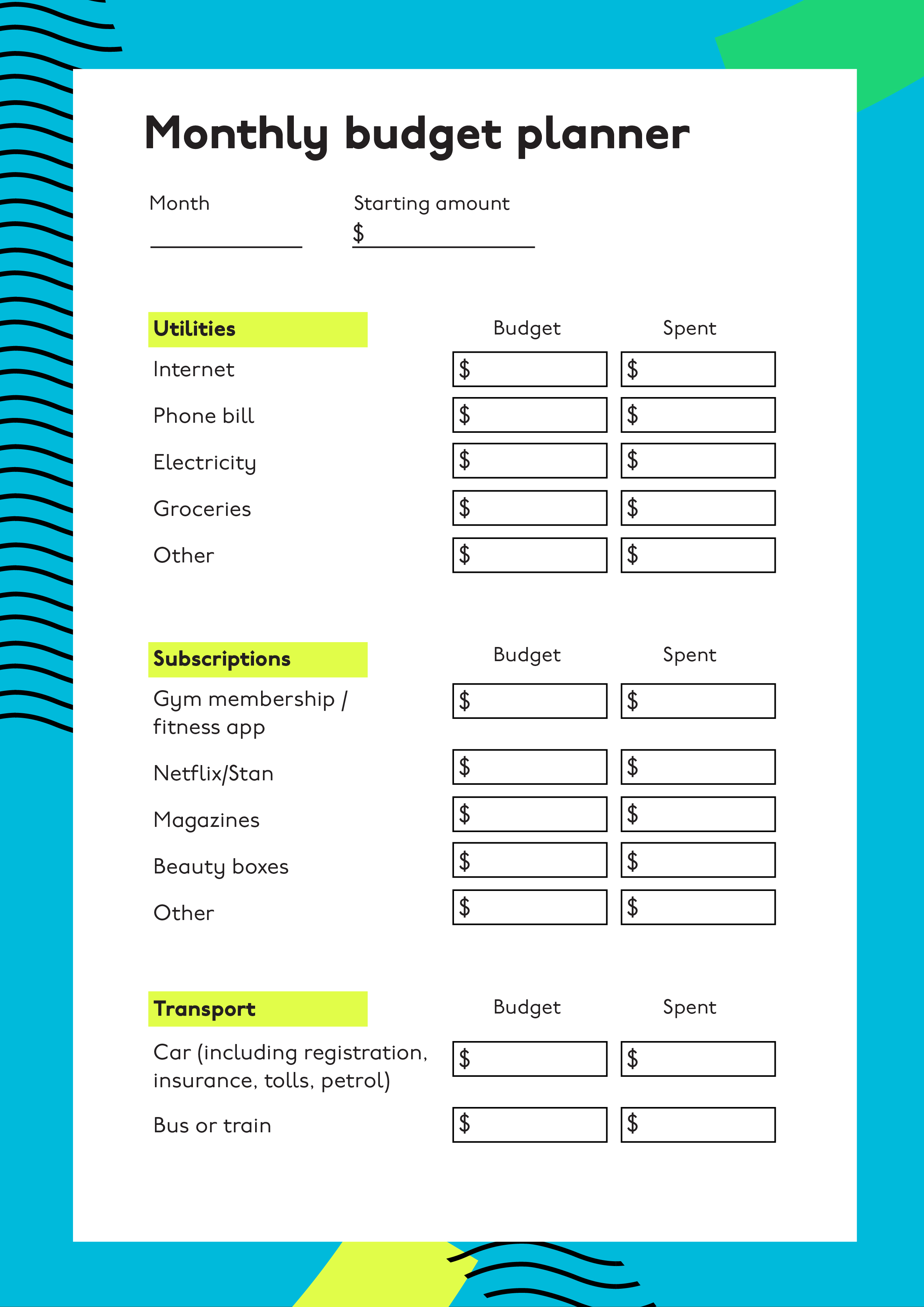
Finally, track your expenses and income regularly to ensure you're staying on top of your budget. Make adjustments as needed to stay on track, and don't be afraid to seek help if you're struggling to stick to your budget.
Why Budgeting is Important
Creating a budget is an essential part of managing your finances effectively. By tracking your income and expenses, setting financial goals, and allocating your income accordingly, you can take control of your finances and achieve your financial goals. Don't wait until it's too late – start making a budget today and watch your finances flourish.
Common Budgeting Mistakes to Avoid
Making a budget isn't just about cutting back on expenses – it's also about making smart financial decisions. Avoid common budgeting mistakes such as over-spending, under-saving, and neglecting to review your budget regularly. By being mindful of these mistakes, you can create a budget that works for you and helps you achieve your financial goals.
Conclusion
Creating a budget may seem daunting, but with a clear understanding of how to make a budget, you can take control of your finances and achieve your financial goals. Remember to track your income and expenses, set financial goals, categorize your expenses, allocate your income, and track and adjust regularly. By following these simple steps, you can create a budget that works for you and sets you up for financial success.