How to Get a Driver's License with a Vision Test
Obtaining a driver's license is a significant milestone for anyone looking to operate a vehicle safely and responsibly. One crucial aspect of the licensing process is the vision test, which assesses an individual's visual acuity and ensures that they can see the road clearly and safely. In this article, we will explore the importance of the vision test, what to expect during the test, and provide tips on how to pass with flying colors.
The Importance of a Vision Test
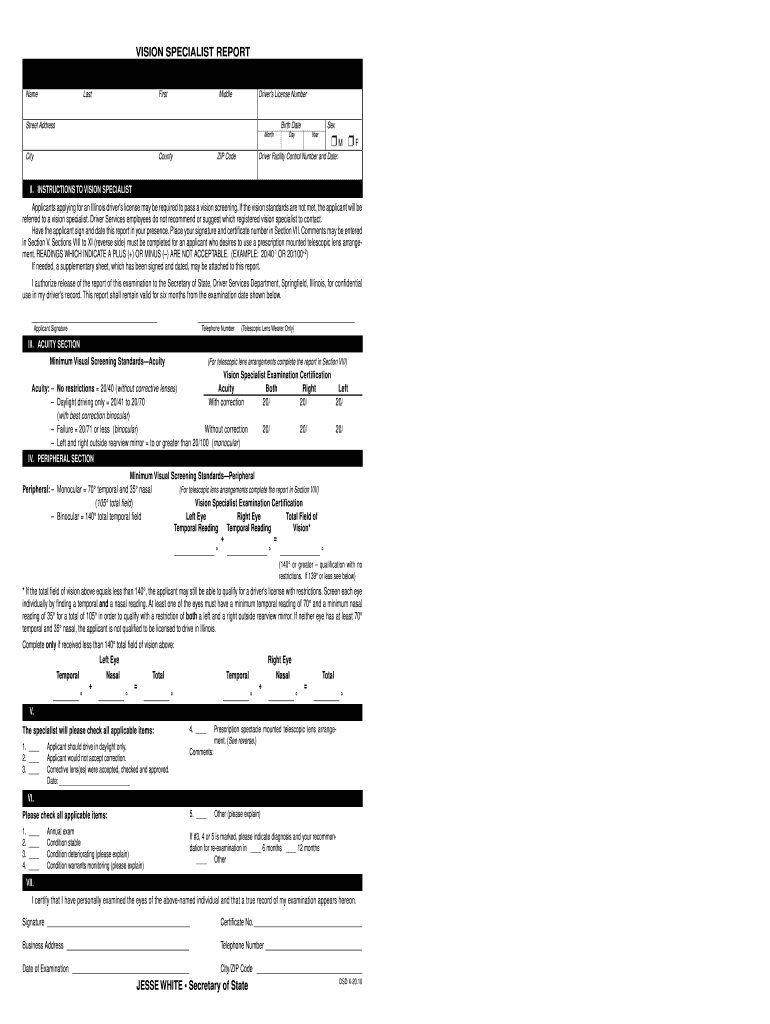
A vision test is an essential requirement for obtaining a driver's license in most states. The test is designed to evaluate an individual's visual acuity, peripheral vision, color discrimination, and sometimes depth perception. The goal of the test is to ensure that drivers can see road signs, hazards, and traffic signals clearly enough to operate a vehicle safely. Driving with poor vision can put not only the driver at risk but also other road users.
What to Expect During a Vision Test
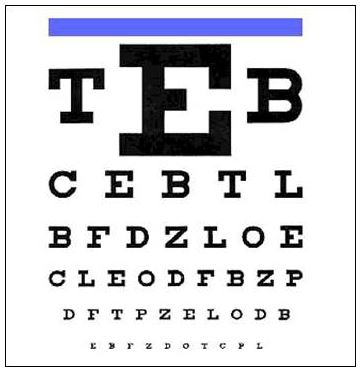
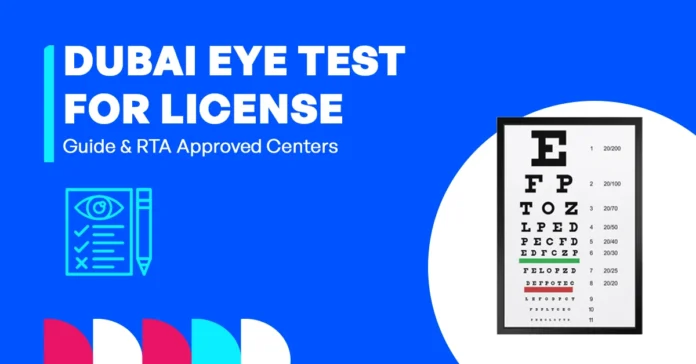
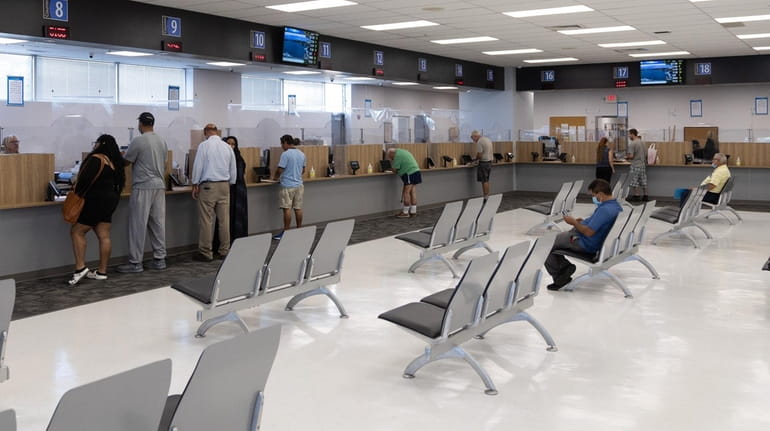
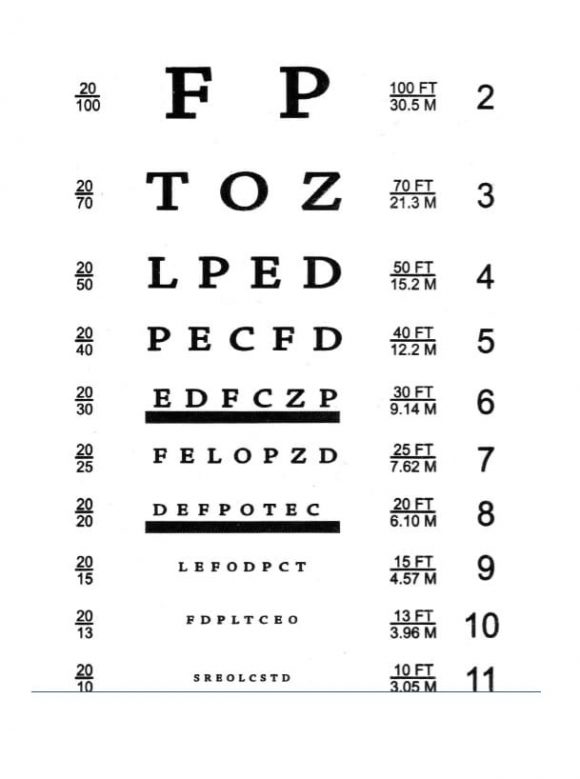
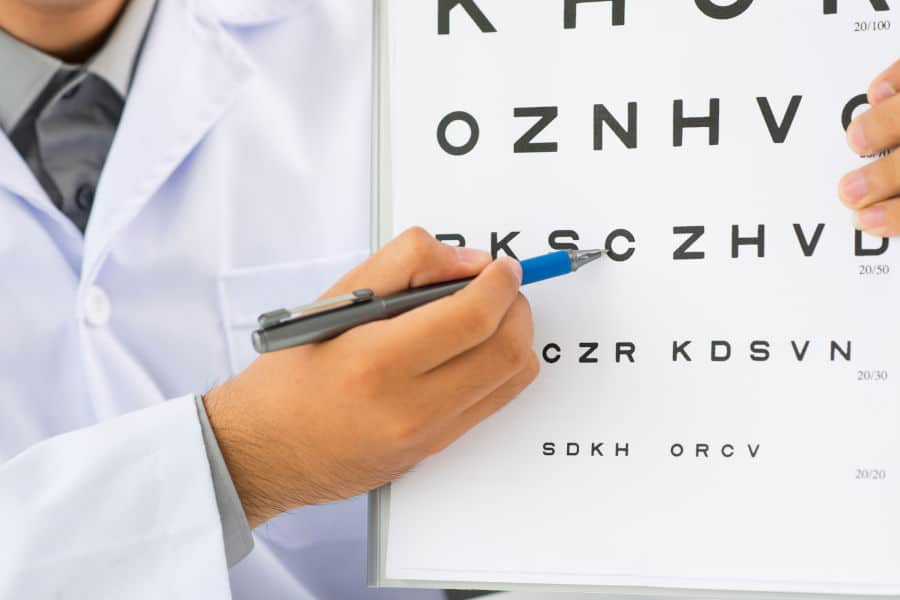
The vision test is typically administered at a Department of Motor Vehicles (DMV) office or a licensed eye care provider. The test usually involves reading letters or numbers on an eye chart, which are placed at a distance of 20 feet. The letters or numbers on the chart are of varying sizes, and the test administrator will ask the individual to read the smallest letters or numbers that they can see. In some cases, the test may also include a peripheral vision test or a color vision test.
Preparation is Key
To increase the chances of passing the vision test, it's essential to prepare in advance. Here are a few tips to help you prepare:
- Get your eyes checked: Make sure your vision is corrected with glasses or contact lenses before taking the test.
- Practice reading the eye chart: Familiarize yourself with the eye chart and practice reading the letters or numbers.
- Stay alert and focused: Make sure you're well-rested and alert before taking the test.
- Follow the instructions: Pay close attention to the test administrator's instructions and follow them carefully.
What Happens if I Fail the Vision Test?

If you fail the vision test, you will not be eligible to obtain a driver's license until your vision improves. You may be asked to retake the test after a certain period, usually 30 days or 60 days, depending on the state's regulations. In some cases, you may be referred to an eye care professional for further evaluation and treatment.
Additional Requirements
In addition to passing the vision test, you may also be required to pass a knowledge test and a driving test to obtain a driver's license. The knowledge test assesses your understanding of traffic laws and road signs, while the driving test evaluates your ability to operate a vehicle safely.
Conclusion
Passing a vision test is a critical step in obtaining a driver's license. By understanding what to expect during the test and preparing in advance, you can increase your chances of passing with flying colors. Remember to get your eyes checked, practice reading the eye chart, stay alert and focused, and follow the instructions carefully. With these tips, you'll be well on your way to becoming a licensed driver.
Resources
For more information on vision tests and driver's licenses, you can visit the following resources:
- Your state's Department of Motor Vehicles (DMV) website
- Your local eye care provider
- The National Eye Institute (NEI) website
By staying informed and prepared, you can ensure a smooth and successful driver's licensing experience.



:max_bytes(150000):strip_icc()/3421854_color-5bedb85846e0fb0051b886d9.png "Vision Requirements and Restrictions | NY DMV")