How to Learn Python MongoDB
MongoDB is a popular NoSQL database that stores data in a JSON-like format called BSON. It's widely used in modern web applications, especially those built with Python. In this article, we'll guide you through the process of learning Python MongoDB, covering the basics, advanced concepts, and practical examples.
What is PyMongo?
PyMongo is the official MongoDB driver for Python applications. It allows you to connect to a MongoDB database, perform CRUD (Create, Read, Update, Delete) operations, and more. PyMongo is a powerful tool for building modern web applications with MongoDB as the backing database.
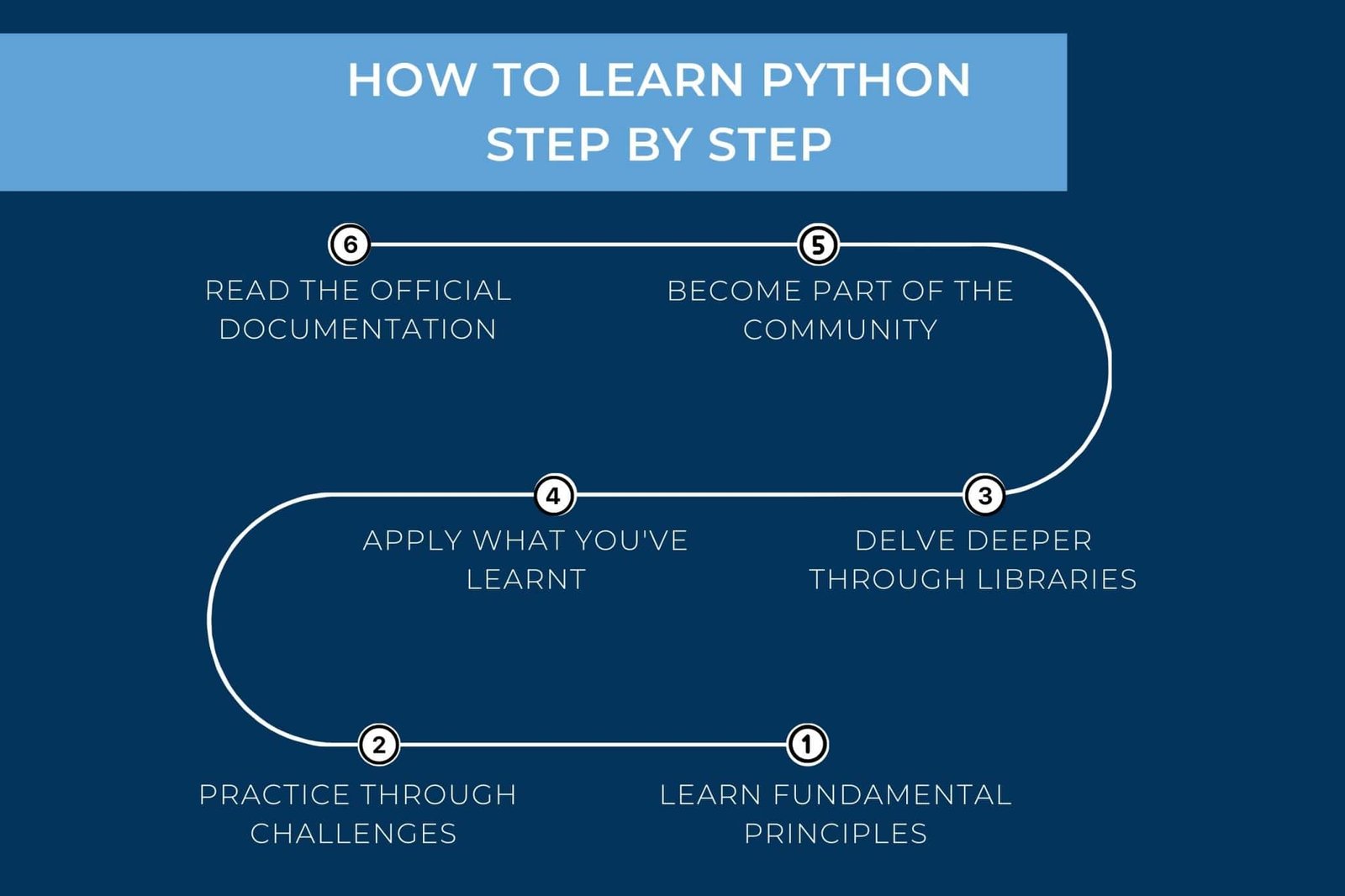
Step 1: Learn the Basics of Python and MongoDB
Before diving into PyMongo, make sure you have a solid understanding of Python and MongoDB fundamentals. You can start with online tutorials, books, or courses that cover the basics of Python programming and MongoDB data modeling.
Step 2: Install PyMongo and Set Up a MongoDB Environment
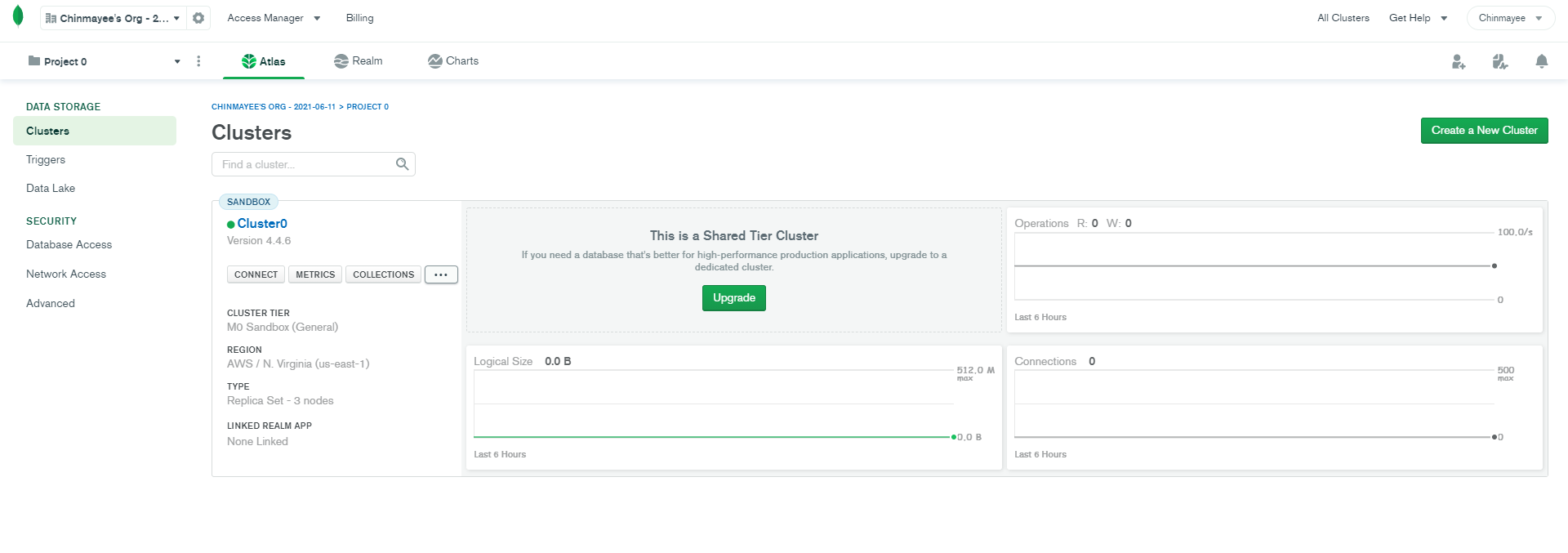
Once you have a good grasp of the basics, install PyMongo using pip, the Python package manager. You can also set up a MongoDB environment using MongoDB Atlas, a cloud-based MongoDB service. This will allow you to create a test database and practice PyMongo operations.
Step 3: Learn PyMongo Fundamentals
With PyMongo installed and a MongoDB environment set up, start learning the basics of PyMongo. This includes understanding how to connect to a MongoDB database, perform CRUD operations, and use PyMongo's API to interact with the database.
Step 4: Practice with Real-World Examples
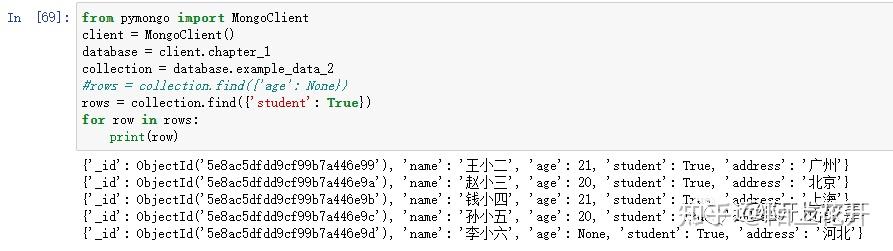
Practice is key to mastering PyMongo. Start with simple examples, such as creating a MongoDB collection, inserting data, and querying the database. As you progress, move on to more complex scenarios, such as updating and deleting data, and using PyMongo's aggregation framework.
Step 5: Learn Advanced Concepts and Best Practices
Once you're comfortable with the basics, move on to advanced concepts, such as data modeling, indexing, and query optimization. You can also learn best practices for using PyMongo in production environments, such as handling errors and exceptions.
Practical Examples and Use Cases
Here are some practical examples and use cases to help you learn PyMongo:
- CRUD Operations: Create a MongoDB collection, insert data, retrieve data, update data, and delete data using PyMongo.
- Aggregation Framework: Use PyMongo's aggregation framework to perform complex queries, such as filtering, grouping, and sorting.
- Data Modeling: Learn how to design a MongoDB data model using PyMongo, including creating indexes and validating data.
- Security: Learn how to secure your MongoDB database using PyMongo, including authentication, authorization, and encryption.
Resources and Tutorials
Here are some resources and tutorials to help you learn Python MongoDB:
- PyMongo Documentation: The official PyMongo documentation is an excellent resource for learning PyMongo.
- Python MongoDB Tutorial: This tutorial covers the basics of Python MongoDB, including installing PyMongo, setting up a MongoDB environment, and performing CRUD operations.
- MongoDB Atlas Tutorial: This tutorial covers the basics of MongoDB Atlas, including setting up a cloud-based MongoDB environment and using PyMongo to interact with the database.
- Python MongoDB Courses: There are many online courses available that teach Python MongoDB, including courses on Udemy, Coursera, and edX.
Conclusion
Learning Python MongoDB requires a combination of theoretical knowledge and practical experience. By following the steps outlined in this article, you can gain a solid understanding of PyMongo and its applications in modern web development. Remember to practice regularly, experiment with new concepts, and seek out additional resources and tutorials to deepen your understanding of Python MongoDB.