How to Protect IP Address from Hacking: 7 Proven Methods
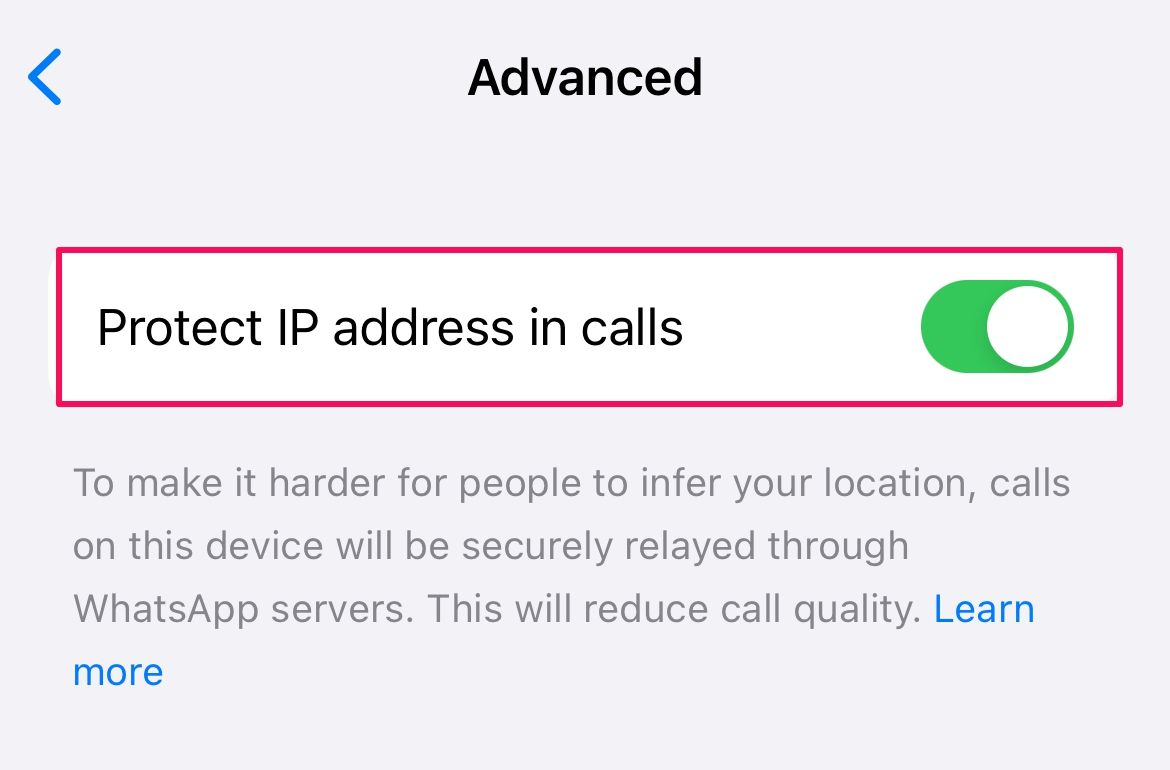
In today's digital age, our IP addresses have become a vital part of our online identity. While an IP address is essential for connecting to the internet, it's also a vulnerable target for hackers. Just like a physical address, an IP address reveals your public location online, making it a tempting target for cybercriminals. In this article, we'll explore the importance of protecting your IP address from hacking and provide you with 7 proven methods to keep your online identity safe.
Risks of Not Protecting Your IP Address:
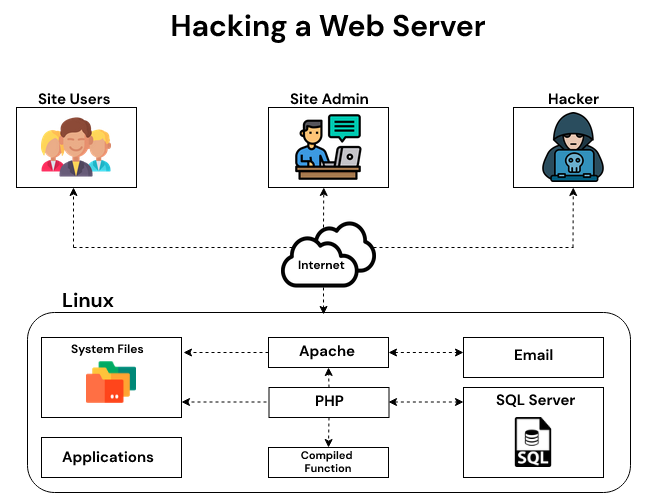
Your IP address is a unique numerical label assigned to each device connected to a network. If your IP address is exposed, hackers can use it to:
- Locate and target your device or network.
- Launch attacks, such as DDoS attacks or phishing scams.
- Monitor your online activities and personal data.
- Steal your identity or gain access to your financial accounts.
Method 1: Use a VPN to Mask Your IP Address
A Virtual Private Network (VPN) encrypts your internet connection, making it more difficult for hackers to intercept your data. By using a VPN, you can mask your IP address and stay anonymous online.
Method 2: Enable a Firewall to Act as a Barrier
A firewall acts as a barrier between your device or network and any malicious traffic. By enabling a firewall, you can block unwanted incoming connections and protect your IP address from hacking.
Method 3: Use a Router with Built-in Security Features
Many modern routers come with built-in security features, such as firewall protection and network segmentation. By using a router with these features, you can add an extra layer of security to your IP address.

Method 4: Keep Your Router's IP Address Secure
Just like your device's IP address, your router's IP address can also be hacked. By changing your router's default IP address and password, you can make it more difficult for hackers to access your network.
Method 5: Use a Tor Browser for Anonymity
The Tor Browser is a free, open-source browser that anonymizes your internet traffic. By using Tor, you can stay anonymous online and protect your IP address from hacking.
Method 6: Regularly Update Your Device's Operating System and Software
Exploiting outdated software or operating systems is a common tactic used by hackers to gain access to a device's IP address. By regularly updating your device's operating system and software, you can stay up-to-date with the latest security patches and fixes.
Method 7: Use a Secure Network and Avoid Public Wi-Fi
Using a secure network, such as a private Wi-Fi network, can help protect your IP address from hacking. Avoiding public Wi-Fi networks and using a VPN or Tor Browser when connected to public Wi-Fi can also help keep your IP address safe.
Conclusion:
Protecting your IP address from hacking is crucial for maintaining your online identity and privacy. By implementing these 7 proven methods, you can stay one step ahead of hackers and keep your IP address secure. Remember, a secure IP address is just one part of a comprehensive cybersecurity strategy. Always stay vigilant and take proactive steps to protect yourself from online threats.