Hyperconnectivity and Community Building: Understanding the Intersection of Technology and Society
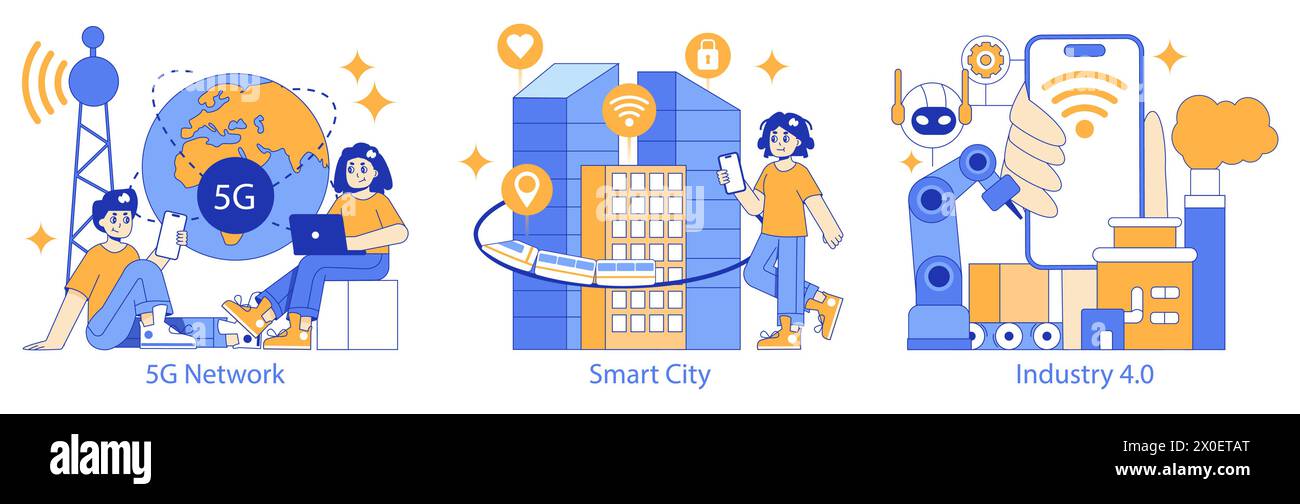
Hyperconnectivity, the integration of digital and physical interactions, has revolutionized the way we live, work, and interact with one another. The hyperconnected individual exists in a world where the boundaries between the online and offline realms are increasingly blurred. As we navigate this new reality, it is essential to examine the intersection of hyperconnectivity and community building. This article delves into the concept of hyperconnectivity, its impact on society, and the benefits and challenges of leveraging this technology to build stronger, more resilient communities.
Defining Hyperconnectivity
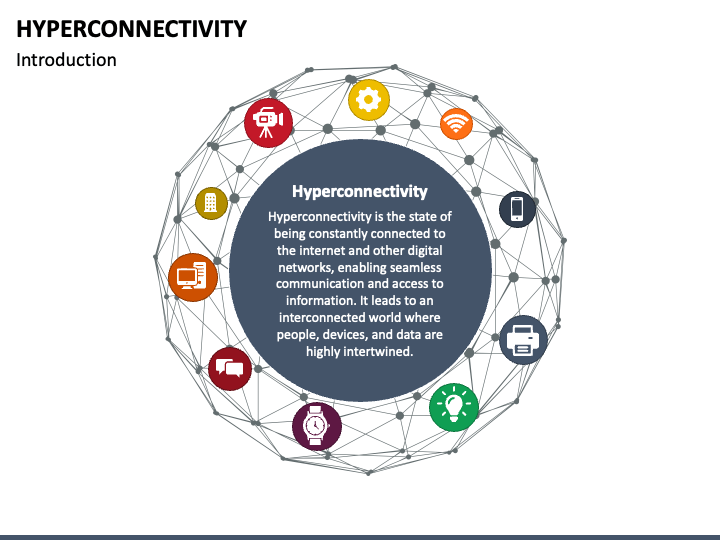
Hyperconnectivity refers to the deep fusion of human, machine, and digital interfaces, enriched by the integration of information and communication technologies. This phenomenon has led to the creation of new opportunities for social interaction, economic growth, and community engagement. According to the Building a Hyperconnected City report, cities can leverage technology to improve, connect, and secure all areas of their ecosystem, moving beyond current smart solutions to become hyperconnected hubs.
The Benefits of Hyperconnectivity
Energy efficiency and environmental sustainability: Hyperconnectivity enables the efficient use of resources, reduces energy consumption, and promotes environmental sustainability. Cities can adopt smart grids, renewable energy systems, and green infrastructure to reduce their carbon footprint.
Community Resilience: Hyperconnectivity fosters community resilience by promoting social connections, economic growth, and adaptive responses to challenges. It helps build stronger, more cohesive societies by enabling citizens to engage with local government, access information, and participate in community events.
The Challenges of Hyperconnectivity
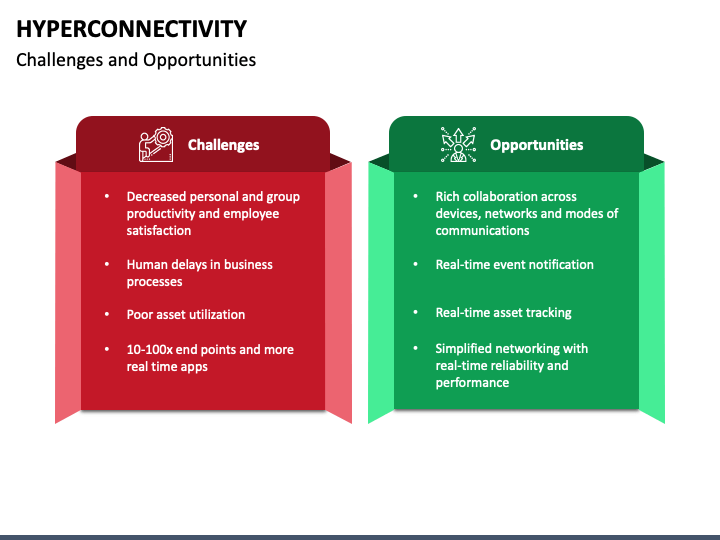
While hyperconnectivity offers numerous benefits, it also presents several challenges, including:
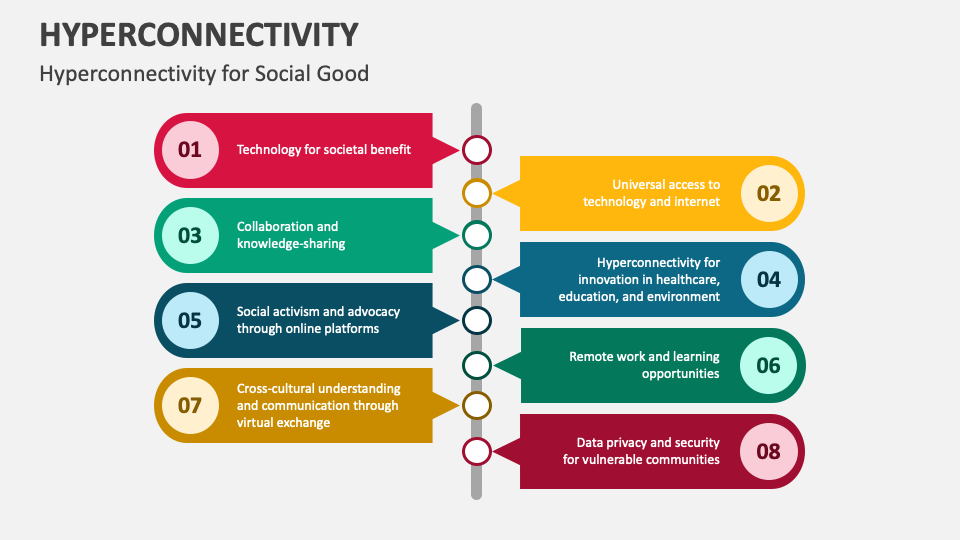
Digital divides: Access to the internet, affordability, and digital skills are crucial factors that can exacerbate existing social and economic inequalities.
Dependence on technology: Over-reliance on hyperconnectivity can lead to a loss of basic skills, decreased social interaction, and increased isolation.
Building Resilient Communities through Hyperconnectivity
Hyperconnectivity can be a powerful tool for building resilient communities, but it requires strategic planning and implementation. Cities and local governments should focus on:
Creating inclusive broadband infrastructure that addresses digital divides and ensures equal access to information and opportunities.
Implementing sustainable energy systems and green infrastructure to promote environmental sustainability.
Investing in community-led initiatives that foster social connections, economic growth, and adaptive responses to challenges.
Conclusion
Hyperconnectivity is a transformative force that can either unite or divide communities. By understanding the benefits and challenges of hyperconnectivity, we can harness its potential to build stronger, more resilient communities. As we continue to navigate this rapidly changing landscape, it is essential to prioritize inclusive broadband access, sustainability, and community-led initiatives to create a brighter, more connected future.